Karmic Redemption for UH in Fort Worth II

January 6, 2015
January 2, 2015 ~ One for the UH Cougar Memory bank ~

January 2, 2015
~ One for the UH Cougar Memory bank ~

Maybe it was the counter-karma working, but I accidentally deleted the column I wrote on Saturday, January 3, 2015 about the major and astonishing comeback of my UH Cougars in the Armed Forces Bowl in Fort Worth the previous day. Trailing 31-6 with about 12 minutes to go – and down still by 34-13 with less than 4 minutes to go, the Cougars came clawing back on the QB arm of Greg Ward, Jr., then a TD catch by Demarcus Ayers (29 yards) that came sandwiched between TD catches of 8 and 25 yards by Deontay Greenberry, plus a 2-point conversion catch by Greenberry after his last TD catch that gave UH a 35-34 lead with under a minute to go over the Pittsburgh Panthers sealed the deal. Pitt made a valiant effort to reach a winning field goal kick range in their final minute, but four incomplete passes, one on a dropped pass that would have set them up for the FG, ended the day with an incredible 25-34 comeback victory. The triumph stands as the 5th greatest comeback from the biggest point deficit to victory in college bowl game history. Two successful onside kicks by Houston in those last waning moments made victory possible for the Cougars.

Pitt had kicked a field goal with 6:14 minutes to go to take a 34-3 lead. By the time their offense again saw the ball, Pitt trailed 35-34 with 59 seconds to go, That’s powerful.

It took 36 years and 1 day for UH to reverse their sad collapse against Notre Dame in the January  1, 1979 Cotton Bowl, but they did it – and in almost a perfect statistical and time phase rally that even bettered their 1979 collapse. In 1979, the Cougars led Notre Dame 34-13 with 7 and 1/2 minutes to go, but still lost on a last minute TD pass from Joe Montana to Chris Haynes, plus an extra point kick, that gave the Irish a 35-34 victory. In 2015, the Cougars trailed Pittsburgh 34-13 with 3:42 minutes to go when their 3-TD scoring flurry amidst 2 successful on-sides kicks gave them the 35-34 lead what would hold as the UH measure of victory after 59 seconds of rally threat by Pitt.

Hopes are now high for a Cougar resurgence next season under new head coach Tom Herman, the departing offensive coordinator at Ohio State University, one of the two finalists schools along with Oregon whom they meet on Monday night, January 12th for the NCAA National championship in football.

My apologies to Tom Hunter and Wayne Roberts who both wrote nice congratulatory comments to the the UH Cougars for having pulled this one out. Tom is an old Cougar, like me. Wayne is a fair-minded Longhorn who is patiently going through UT’s in-depth resurgence under Charlie Strong, who is, as far I’m concerned, one of the finest quality guys in coaching – and a guy who will lead the Longhorns back to prominence in the time that is actually needed for solid growth. I lost your comments too, but I didn’t lose your sentiments. Thanks, guys.

Without the little charts I used the first time, here it is again. It will be dated today, Tuesday, January 6, 2015. The original column date of Saturday, January 3, 2015 now looks as blank online as any of my vacation days ever looked.
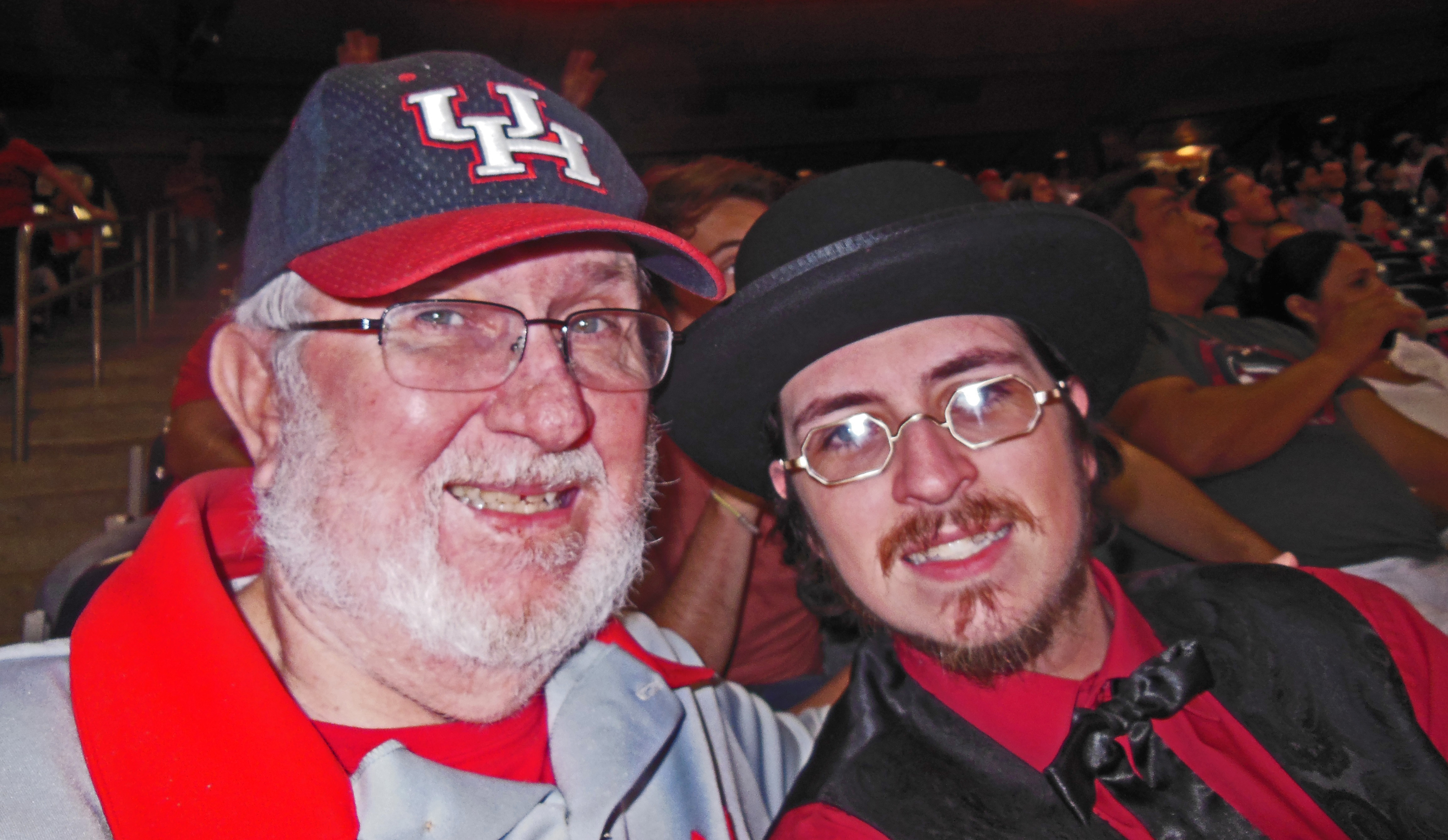
HAPPY NEW YEAR, EVERYBODY! ~ FROM THE McCURDY COUGAR FAMILY ~~

HAPPY NEW YEAR, EVERYBODY!
~ FROM THE McCURDY COUGAR FAMILY ~~

____________________

Now have a great day with the big news:>>>>>>>>>>>>>>>>>>>>

CRAIG BIGGIO HAS BEEN ELECTED TO THE BASEBALL HALL OF FAME TODAY, …

…. along with Randy Johnson, Pedro Martinez and John Smoltz!!!!
Craig Biggio’s Day is Here Again!

January 6, 2015
Hey, BBWAA Voters! Hit Craig Biggio today with the votes he deserves for induction into the Hall of Fame!

Hey, BBWAA Voters!
Hit Craig Biggio today with the votes he deserves for induction into the Hall of Fame!

ADDENDUM, Tuesday, January 6, 2015, 1:00 PM:

CRAIG BIGGIO HAS BEEN ELECTED TO THE BASEBALL HALL OF FAME TODAY, …

…. along with Randy Johnson, Pedro Martinez and John Smoltz!!!!
____________________

Original Column, Earlier Today ~

Tuesday, January 6, 2015.  Today’s the big day again for Craig Biggio Let’s hope that this third time is also the proverbial charm. Last year, Biggio fell a mere two votes shy of gaining the 75% of the participating eligible voters he would have needed for qualifying as a 2014 inductee into the Baseball Hall of Fame, but these are lifetime voters we are dealing with here in the BBWAA – and arrogance is the ongoing enemy of equity in these matters. Electors who voted for Biggio last year retain the right to withdraw their vote this year – for whatever unspecified reason. Contrarily, voters who ignored Biggio last year have a right to decide he’s been forced to wait long enough and suddenly vote for him this year.

I don’t like anything that has to be decided by a show of hands from electors who are both vulnerable to politics or, in some to many cases, more concerned with feathering their own nests and egos than they are serving the right ends they were meant to pursue with integrity in behalf of some constitutional body, but we can also easily think of another such constitutionally anointed, and even elected, body that has trouble along these same lines.

Good Luck, Craig Biggio! We, your fans, know what you did in Houston for twenty years and we are pulling for you all the way, but the numbers quoted here from Sundays December 4, 2015 Houston Chronicle speak the hard details of why you should’ve been a Hall of Fame choice on your first ballot in 2013:

Craig Biggio by the Numbers (Houston Chronicle, 1/04/2015, textually rewritten by TPPE)

3,060: He is one of only 28 players with 3,000 hits and ranks 21st all-time.

668: His doubles total is the most in MLB history by a right-handed hitter and he ranks fifth all-time.

25/400/600/3,000: Craig Biggio is the only player in MLB history with 250 homers, 400 stolen bases, 600 doubles and 3,000 hits.

53: Biggio holds the NL record for most lead-off home runs that start a game.

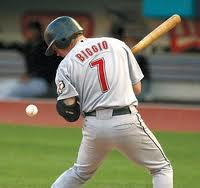
285: Craig was “Mr. HBP” in the well-armored flesh. When it came to the art of getting hit by a pitch, nobody ever did it better.

Best Wishes, Craig Biggio! ~ Let’s hope that Tuesday – is your really Good News day!

____________________

In addendum, here is a summary of the procedural rules governing the BBWAA selection of candidates for the HoF who have recently retired, which includes Craig Biggio, and, as a bonus, the rules governing the selection of older previously ignored players, Negro League players, and non-playing personnel.)

Hall of Fame Voting Procedures

BBWAA

General Summary: Each voting cycle, qualified members of the BBWAA name no more than 10 eligible players whom they consider worthy of Hall of Fame honors. To be enshrined, a player must be named on at least 75% of the voters’ ballots. Currently, players are removed from the ballot if they are named on fewer than 5% of ballots or have been on the ballot 15 times without election.

1967-present: Votes are cast annually by BBWAA members with 10 or more years of membership. Each qualified BBWAA member may select no more than 10 names from a pre-screened ballot of players who played in MLB for at least 10 seasons and had been retired for at least 5; players whose names are cast on at least 75% of the ballots are elected to the HoF, while players named on fewer than 5% of ballots are dropped from future ballots. In addition, if a player has been on the ballot 15 times without being elected, he is also dropped from future ballots. ………………..

Veterans Committee

General Summary: A group of Hall of Fame members and others charged with the induction of players who were not voted in by the BBWAA, as well as Negro League players and non-playing personnel (including managers, owners, and executives). To be enshrined, players must be named on at least 75% of the Committee members’ ballots.

2007-present: The Veterans Committee is a group composed of all living Hall of Fame members. Votes are cast every odd-numbered year on a smaller ballot of players who had been eligible for BBWAA election but were not elected within either 15 voting cycles or 21 years of their retirement; players have to be named on 75% of ballots to earn Hall of Fame honors.

………………. For further information and details on changes in procedural history over time, please consult the link from which the current rules are extracted explicitly:

http://www.baseball-reference.com/about/hof_voting.shtml

____________________


The Texas League: 100 Years Ago Today

January 5, 2015
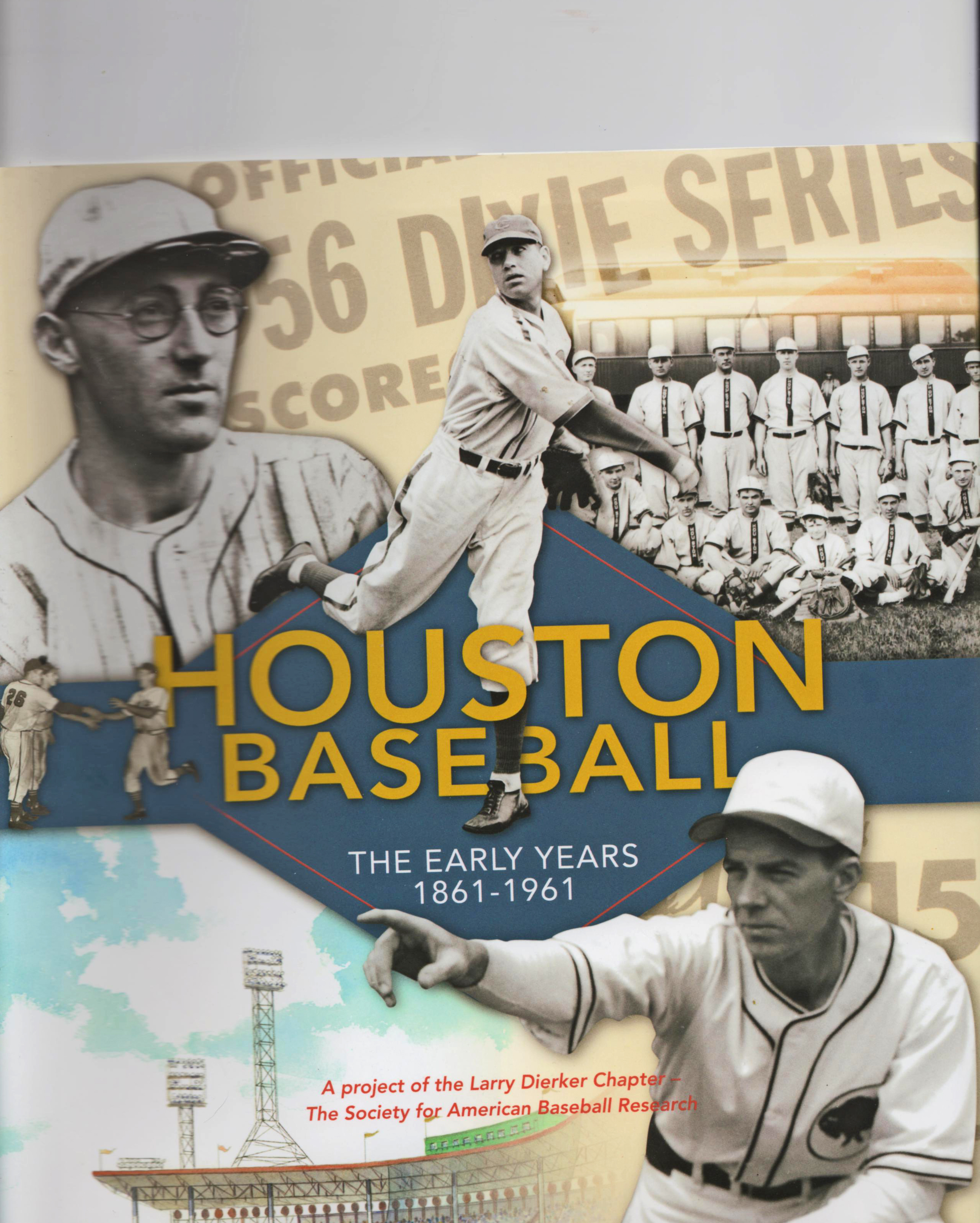
Houston Baseball: The Early Years, 1861-1961

Houston Baseball:
The Early Years,
1861-1961

One Hundred years ago today, January 5, 1915, the following brief news story appeared in the Waco Morning News:

____________________

Baseball Magnates Will Adopt Schedule at Meeting Saturday

Texas League magnates will meet at Galveston Saturday for the purpose of adopting the playing schedule for the 1915 baseball season. This will be the last meeting before the opening of the baseball season.

Austin is still in the league. The adoption of a schedule was delayed, on account of the possibility of the Austin franchise being purchased by Shreveport. Doak Roberts of Houston is chairman of the schedule committee.

~ Waco Morning News, Tuesday, January 5, 1915, Page 6

____________________

As things turned out, the Austin franchise actually did move to Shreveport (LA) in 1915. The Austin Senators had finished the 1914 Texas League season as the 8th and last place member of the Texas League with a dismal record of 31 wins and 114 losses and would have been a hard sell at the turnstiles in 1915. Playing the 1915 season under new owners as the Shreveport Gassers, the transplants finished that season better, moving up to 6th place with a record of 62 wins and 85 losses. During that same transition, the 1914 Houston Buffs slipped from a first place tie with the Waco Navigators at a shared mark of 102 wins and losses to a 1915 finish in 5th with place with a record of 68 wins and 74 defeats, again under manager Pat Newnam, but with s more than slightly different level of playing talent. Last place Galveston had to disband with league permission on August 20, 1915 after a hurricane destroyed their ballpark.

For even better and more complete historical information on Houston baseball, baseball activity in Galveston, and the story of the Texas League from a Southeast Texas point of view, please do yourselves a favor and order your copy of “Houston Baseball: The Early Years, 1861-1961” while copies of the limited printing first and possibly only edition still remain available at best prices before their values climb to the sky as collectors’ items.

“Houston Baseball, et al” was rigorously researched and written by members of Larry Dierker Chapter of SABR (The Society for American Baseball Research) from 2011 to 2014, and that doesn’t even include the years of time that some of us put into the research effort on our own in the interest of producing an academically sound and entertaining right history of Houston’s rich baseball heritage. The book we produced was not intended for ego or profit, but for the sake of the truth as our legacy to the libraries that will preserve and make this story available to readers for uncountable generations to come.

The book is still available through Barnes and Noble and Amazon online, and through some of the remaining Barnes and Noble stores in Houston that still may have copies in stock. Otherwise, you are also free to call or e-mail SABR Chapter Chair Bob Dorrill to see if he may have some copies that remain for direct sale.

The contact numbers for Bob Dorrill are: by Cell at 281-630-7151 or by E-Mail at bdorrill@aol.com

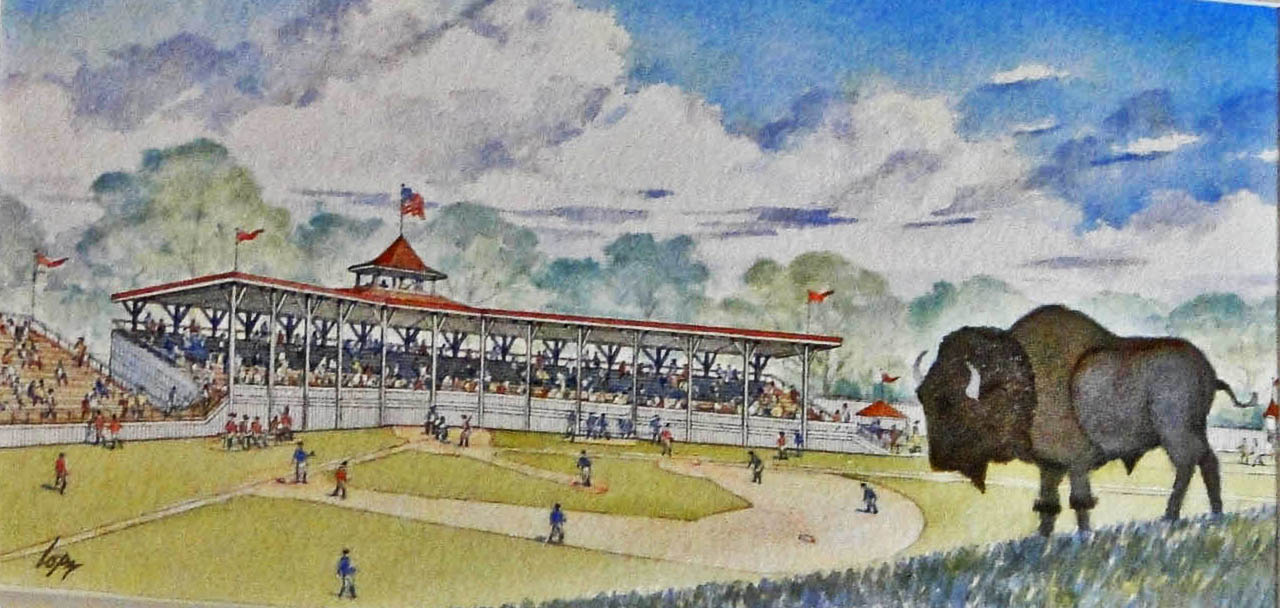
"Buffalo Watching" By Patrick Lopez ~ The 368 page "Houston Baseball:The Early Years" is filled with the beautiful art work of Patrick Lopez and hundreds of historic photos.

“Buffalo Watching”
By
Patrick Lopez
~ The 368 page “Houston Baseball:The Early Years” is filled with the beautiful art work of Patrick Lopez and hundreds of historic photos.

If you are a real baseball fan, order your copy today. Your great-grandchildren will be glad you did.

A Favorite Story: Ted’s 6 Hits to. 406 in 1941

January 4, 2015
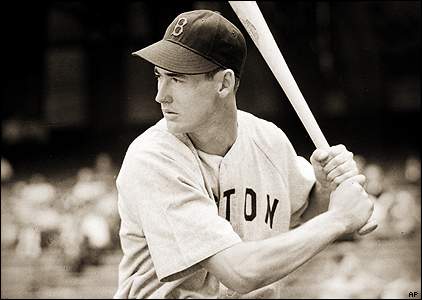
Ted  Williams

Ted Williams

We all know the story. “The Splinter” could have spent the last day of the 1941 season sitting out the last day doubleheader that the Red Sox were playing against the Philadelphia A’s collecting little splinters of his own and still finished the year with a mathematically qualified .400 batting average for his phenomenal production, but that wasn’t good enough for the biggest batting perfectionist that ever played the game at his level. Ted didn’t want a .400 batting average that had been rounded off from the .39955 digital figure it actually represented.  – That kind of settlement would never do for a guy whose standard for achievement was perfect – all or nothing perfect – and that notion also embraced the idea of finishing the job he had started – even at the risk of slipping below even the technical, but qualified math bird he held in his hand. He had to risk playing in those last two “birds in the bush” doubleheader games that somehow had found their way onto the Boston@Philadelphia schedule for the very last day of the season.

Williams went 6 for 8 by playing in both games. That total broke down to 4 for 5 in Game One and 2 for 3 in Game 2. Check out the Baseball Almanac box scores down below for a closer, more detailed look at what Ted did that day and against whom he made his eternal mark, so far, as the last pure .400 hitter in a season of any kind since 1941.

The little table here shows by game what Williams added to his aggregate season totals with a hot day at the plate in both contests, but we also need to remember the risk he took. Had Ted Williams gone 0 for 8, and not 6 for 8, he would have ended up with season stats of only 179 hits for 456 times at bat – good enough “only” for a .393 (.39254) batting average that 99.99% of the guys who ever picked up a big league time at bat could only dream about.

That “failure” could not have occurred. – We’re talking about Hall of Famer Ted Williams here. – He may have done it over 73 years ago by the time the 2014 season concluded, but no one’s done it since. – He may likely be the last .400 hitter in history, given all the changes in the game that now weigh against batters hitting for a high average.

Thanks for the memory, Teddy Ballgame. People will be writing about this achievement in the foreseeable future way beyond our precious little time on earth.

 Date  GTP  AB  H  BA/5P  BA/3P
9/27/41    2 448 179 .39955 .400
9/28/41 DH1    1 453 183 .40397 .404
9/28/41 DH2    0 456 185 .40570 .406


KEY TO ABOVE TABLE:

GTP = GAMES TO PLAY BEYOND THE ONE ON THIS ROW

AB = OFFICIAL TIMES AT BAT THROUGH THE GAME ON THIS ROW

H = HITS THROUGH THE GAME ON THIS ROW

BA/5P = BATTING AVERAGE TO 5 DIGITAL PLACES THROUGH THIS GAME

BA/3P = BATTING AVERAGE TO 3 DIGITAL PLACES THROUGH THIS GAME


The September 28, 1941 Box Scores, Courtesy of Baseball Almanac

Baseball Almanac Box Scores

Boston Red Sox 12, Philadelphia Athletics 11

Boston Red Sox ab   r   h rbi
DiMaggio cf 5 1 3 0
Finney rf 4 1 0 0
Flair 1b 5 2 1 2
Williams lf 5 2 4 2
Tabor 3b 4 2 2 1
Doerr 2b 5 3 2 3
Newsome S. ss 3 0 1 1
  Foxx ph 0 1 0 0
  Carey ss 0 0 0 0
Pytlak c 4 0 1 1
Newsome D. p 2 0 1 0
  Wagner p 3 0 1 2
Totals 40 12 16 12
Philadelphia Athletics ab   r   h rbi
Collins rf 5 2 2 1
Valo lf 5 3 2 1
Richmond 3b 5 2 3 2
Johnson 1b 4 1 2 2
Chapman cf 5 0 2 1
Davis 2b 4 1 1 1
Suder ss 5 1 2 0
Hayes c 3 0 0 0
Fowler p 2 0 0 0
  Miles ph 1 1 1 1
  Vaughan p 1 0 0 0
  Shirley p 0 0 0 0
  McCoy ph 1 0 0 0
Totals 41 11 15 9
Boston 0 0 0 0 3 1 6 0 2 12 16 3
Philadelphia 0 0 2 0 9 0 0 0 0 11 15 3
  Boston Red Sox IP H R ER BB SO
Newsome 4.2 13 11 11 3 5
  Wagner  W(12-8) 4.1 2 0 0 2 0
Totals
9.0
15
11
11
5
5
  Philadelphia Athletics IP H R ER BB SO
Fowler 5.0 8 3 3 0 0
  Vaughan 1.2 5 7 6 3 0
  Shirley  L(0-1) 2.1 3 2 0 2 0
Totals
9.0
16
12
9
5
0

E–DiMaggio (14), Finney (14), Tabor (30), Davis 2 (7), Suder (21).  DP–Philadelphia 4. Suder-B. Johnson, Richmond-Davis-B. Johnson, Richmond-Davis-B. Johnson, Davis-Suder-B. Johnson.  2B–Boston Tabor (29), Philadelphia B. Johnson (30).  3B–Boston Flair (1); Doerr (4), Philadelphia Valo (1); Richmond (1).  HR–Boston Williams (37,5th inning off Fowler 0 on); Tabor (16,5th inning off Fowler 0 on).  SH–S. Newsome (13); Davis (3).  Team LOB–7.  Team–9.  U–Bill McGowan, John Quinn, Bill Grieve.

Baseball Almanac Box Score | Printer Friendly Box Scores

Baseball Almanac Box Scores

Boston Red Sox 1, Philadelphia Athletics 7

Boston Red Sox ab   r   h rbi
DiMaggio cf 4 0 1 0
Finney rf 2 0 0 0
  Fox rf 2 0 1 0
Flair 1b 4 0 0 0
Williams lf 3 0 2 0
Tabor 3b 3 0 0 0
Carey 2b 3 0 1 0
Newsome ss 3 0 0 0
Peacock c 2 0 0 0
  Pytlak c 1 1 1 1
Grove p 0 0 0 0
  Johnson p 2 0 0 0
Totals 29 1 6 1
Philadelphia Athletics ab   r   h rbi
Valo lf 3 1 1 0
Mackiewicz cf 4 1 1 0
Miles rf 4 1 2 1
Davis 1b 3 1 0 0
McCoy 2b 3 1 2 0
Brancato 3b 4 0 2 2
Suder ss 3 1 1 0
Wagner c 4 1 2 2
Caligiuri p 4 0 0 0
Totals 32 7 11 5
Boston 0 0 0 0 0 0 0 1 1 6 1
Philadelphia 3 1 0 1 1 0 1 0 7 11 0
  Boston Red Sox IP H R ER BB SO
Grove  L(7-7) 1.0 4 3 3 0 0
  Johnson 7.0 7 4 4 4 1
Totals
8.0
11
7
7
4
1
  Philadelphia Athletics IP H R ER BB SO
Caligiuri  W(2-2) 8.0 6 1 1 1 1
Totals
8.0
6
1
1
1
1

E–DiMaggio (15).  DP–Boston 2. Tabor-Carey-Flair, Philadelphia 1. McCoy-Suder-Davis.  2B–Boston Williams (33).  3B–Philadelphia Mackiewicz (1); Suder (9).  HR–Boston Pytlak (2,8th inning off Caligiuri 0 on), Philadelphia Wagner (1,2nd inning off Johnson 0 on).  Team LOB–5.  Team–5.  CS–Brancato (5).  U–John Quinn, Bill Grieve, Bill McGowan.

Baseball Almanac Box Score | Printer Friendly Box Scores

The Hall: A Review

January 2, 2015

the-hall

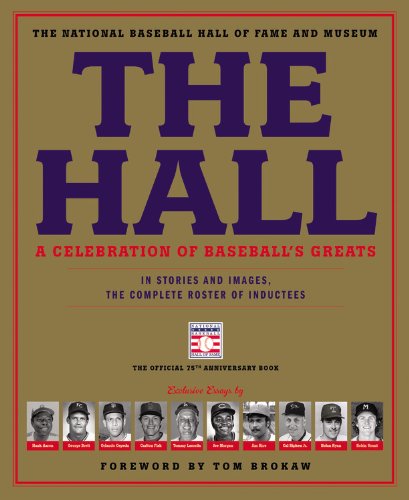
“The Hall” – a 611 pages (through the index section) hard cover exposition of every member of the Baseball Hall of Fame – is virtually equal to the brick and mortar property in Cooperstown itself, complete with body and soul treatment of what the place is about by some of the notables of the game – with a first-pitch forward by distinguished media icon Tom Brokaw that sets everything up with an eloquent introduction as to why The Game and this book are both important. Almost anonymously written in great detail by the National Baseball Hall of Fame people – and published by Little & Company, the only item that doesn’t come with your copy of this masterful huge page treatment of each Hall member in script and pictures is the book stand needed for comfortable reading. –  It’s a big book, ten pounds, if it’s an ounce – and very hard to position for comfortable reading unless you are sitting at your desk or dining room table. Big pillows beside you work in bed for reading yourself into the Land of Happy Baseball Nod.

The book was produced to mark the 75th anniversary of the Hall of Fame in Cooperstown, NY. It features a complete registry of all the inductees and their individual plaques, the photographs and biographies for each honoree that we referenced earlier, as well as essays by living Hall of Famers Nolan Ryan, Hank Aaron, Tommy Lasorda, Cal Ripken Jr. and others. The first printing was limited to 25,000 hardback copies, far fewer the number of us out here who will certainly enjoy everything about it – other than the physical challenge of finding a comfortable reading position.

If readers spend only a day on each enshrined member for the better part of the next two years, these blessed few can plan their first or next visit to the Hall of Fame – or attend one of those special new induction summer weekends – well prepared to get more out of their time in the actual “Hall” than they ever dreamed possible.

The cover price of $35.00 for the book has dropped to about $22-$23 on several Internet ordering sites – and there’s also the digital version of “The Hall” out there now going for about $16 that solves the problem for readers who are happy “having” a book they don’t actually possessive in real time three-dimensional form. I am not among those virtual edition patrons and probably never will be – but I will confess to this one regret. – It would sure be easier sorting out a lifetime of collected books for further disposition these days had they all come to me over the years in digital format, but, of course, that would have been impossible. We didn’t even have television, let alone microwaves and computers, when I acquired my first baseball book.

Get the book. Enjoy. And, in case we missed you earlier – HAPPY NEW YEAR too!

Houston Heaven

January 1, 2015
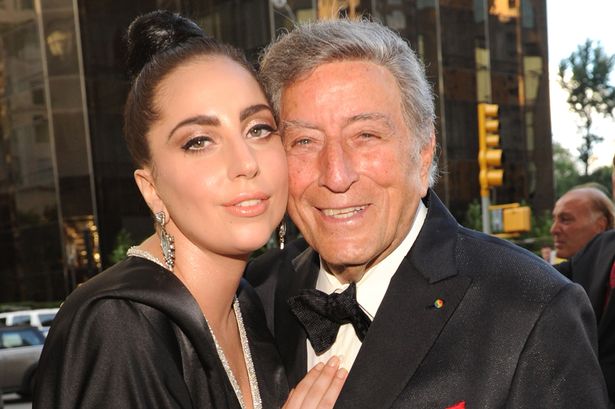
"Hey, Lady Gaga! Let's do 'Houston Heaven' for all those fans down there in the Bayou City!" ~ (What we wish Tony Bennett may have been thinking when he saw the lyrics to our parody of the old classic "Cheek to Cheek" that the two talents already do so very, very well.)

Hey, Lady Gaga! Let’s do ‘Houston Heaven’ for all those Astros fans down there in the Bayou City!”
~ (What we wish Tony Bennett may have been thinking when he saw the lyrics to our parody of the old classic “Cheek to Cheek” that the two talents already do so very, very well.)

Houston Heaven

By Bill McCurdy

(Sung to the melody and meter of “Cheek to Cheek” by songwriters Maria ANDERSSON, Josephine FORSMAN,  Jennie ASPLUND, and Johanna ASPLUND, and inspired by the NBC New Year’s Eve 2014 performance by the wonderful Tony Bennett and Lady Gaga. If the parody’s story here could only now come to life, maybe we can get Bennett and Gaga to cast their magic upon this version as well. – Yeah, I know what you’re thinking, but you gotta remember – when some of us dream – we only dream big – with no half way dreams given any room. At any rate, this little January 1, 2015 five o’clock a.m. inspiration will have to do as my first wish to all of you who share our Houston Astros fandom stripes for a very HAPPY NEW YEAR!)

Heaven, we’re in Heaven,
And our hearts beat so that we can hardly speak;
When the Astros find in April what we seek,
And they start the season winning, week to week.

Heaven, Houston Heaven!
When May’s wins just keep on coming as we speak,
And the joy they bring just seems to have no peak,
As the Astros keep on winning, week to week.

Oh! We haven’t got a mountain,
And our freeways are so bleak,
But it doesn’t matter half as much;
We’re winning, week to week.

On the Gulf, we still go fishing,
Eating out is still so chic,
But we don’t enjoy those half as much,
As winning, week to week.

Win for us,
We’ll wrap our arms about you!
That thing that you do,
Will carry us through, to Heaven!

Houston Heaven!
And our hearts beat so that we can hardly speak;
And we seem to find the happiness we seek,
When Our Astros keep on winning, week to week!

OH, YEAH! (As Louie Armstrong would have said it – or Tony Bennett and Lady Gaga would have riffed it.)

Our 2015 Baseball “More or Less” Quiz

December 31, 2014
HAPPY NEW YEAR, EVERYBODY!

HAPPY NEW YEAR, EVERYBODY!


It’s New Year’s Eve again – and time for some “more or less” thinking for those of us who love baseball and the game itself, as it is played today. What could make it better? And what could make it worse. Please don’t over-think this one. – For each of the following baseball conditions, stats, entities or individuals, simply select either “more” or “less” as your vote on the direction of each listed possibility.

For example, in 2015, erstwhile Houston SABR member Mike McCroskey should sing “Our National Anthem” prior to various baseball games … More often? … or Less often?

Simple enough. Don’t complicate it.

You may keep your answers to yourself … post them as comments on this column … and maybe even add some additional “More or Less” baseball possibilities and choices of your own for these extra contributions.

Then go out, more or less, or stay home, more or less, and have a Happy New Year – in whatever honest and legitimate way best serves your spiritual needs at this point in your life! – and no “more or less” component on that last one! – Give and take all of the genuine Peace and Love you can muster with the people and purposes that are important in your life. We all get one big run at Life’s Lemonade Stand – and it’s up to all of us to learn what, when, and where to “swig” when the really valuable nectars of life pass our way.

And now, my few 21 contributions to the truly endless list of things we could resolve to embrace or decline about contemporary baseball on a “more or less” basis:

For Each of These, Do You Want to See “More” or “Less” of each in Baseball in either 2015 or in years to come?

1) Use of the Designated Hitter ….?

2) .300 hitters ….?

3) 20-Game Winners …?

4) Pitchers Trained by the 100-Pitch Count ….?

5) 3,000 Career Hit Players in The Hall of Fame ….?

6) Four-Man Pitching Rotations ….?

7) 25 Man Active Player Rosters ….?

8) 13 Man Highly Specialized Relief Pitching Staffs ….?

9) Monitoring for Illegal Drug Use Among Players ….?

10) Games Played Under Three Hours ….?

11) The 162-Game MLB Regular Season …?

12) Two Wild Card Teams in a One-Game Ticket Ride into the Playoffs ….?

13) All Night Game World Series Schedules ….?

14) BBWAA Writers with Lifetime Voting Privileges on HOF Candidates?

15) Foul Poles That Are Turned into “Fowl Poles” by Advertising?

16) Package Change: Shorter MLB Regular Seasons, More Playoff Teams, Longer Playoff Seasons ….?

17) Removal of All Obstacles to Joe Jackson’s Induction into the Hall of Fame ….?

18) Induction of Pete Rose into the Hall of Fame …?

19) An MLB/HOF Policy Decision on How to Recognize the On-the-Field Accomplishments of Steroid-Tainted Players ….?

20) The Bud Selig Rule that Grants Home Field Advantage in the World Series to the Team from the League that Wins the All Star Game ….?

21) Another Baseball Commissioner who thinks like Bud Selig ….?

HNY15 02

Fans: Heads Are Where Their Hearts Are

December 30, 2014
"We ain't exactly crazy, But we ain't exactly sane! If our team don't win. We're gonna complain!"

“We ain’t exactly crazy,
But we ain’t exactly sane!
If our team don’t win.
We’re gonna complain!”

The writers and athletes don’t call us sports “fans” for no reason. As you must certainly know by now, the original slang word “fan” was short for “fanatic”, or “fanatical”. It did not take long use for the the three-letter word to encompass all the insanity rapped up in the longer noun and adjective versions of the idea. Before the word “fan” took over for supporters, 19th century baseball partisan ticket buyers were known as “cranks” – a word that still fits our moods pretty well when things don’t go our way for our team on the field. Our behavior can often ascend above all mean-meanings of the adjective “cranky”. In fact we may sometimes rise to cantankerous heights of objection to bad results.

At any rate, it’s all part of our involvement is supporting “our team” – whomever they are – at whatever level they play – in whichever sport comes to mind. It’s just sadly true, sometimes, that the 21st century media pundits forget why we come to the games.

Over this past weekend, a couple of Sports Center talking heads on ESPN were waxing their way through one of of those year-ender searches for meaningful retrospection on what we all may learn from the big news in sports for 2014. One of these wizened observers jumped almost immediately upon the fact that fans seemed ready to dismiss their concern over domestic violence that came to light in the separate, but dual “bad boy” cases of running backs Ray Rice and Adrian Peterson. Rice was videotaped knocking out his then fiancee and now current wife in an elevator – and Peterson was convicted of parental abuse for tree-branch switching his young son on the legs until the skin was broken.

Together, the two cases have launched a new national attention upon the serious problem of domestic abuse in our American culture in general, but, as the ESPN guy observed, paraphrasically, “the fans seem to have already put the reality of domestic violence behind them with the approach of the playoffs. All they seem to want to talk about now are the prospects for their various teams making the cut of those few that will be playing soon for a chance to reach the Super Bowls. – What does that say to us as a culture about the priority of NFL fans – or sports fans in general?”

Well, all the NFL playoff spots got settled on Sunday, but the fever goes on in football for the Super Bowl quest – as well as the upcoming first NCAA Division 1 college football tourney for a champion among the surviving “Final Four”. – That said,  The Pecan Park Eagle will “risk” an answer to that ESPN wise men query about the priorities of sports fans with a compound question of its own. Since the expert observers keyed upon the NFL fans, we shall answer primarily for those fans, but these same observations slide easily to baseball, basketball, hockey, or even soccer, in some rarer USA instances:

Do NFL Fans, or sports fans in general, spend big money going to games to get closer to reality – or do they show up all the time at games to escape reality as much as possible for the sake of hoping their team can succeed for them in ways that never seem to come up so reachably – and so clearly attainable – and in ways that never seem to arise for them personally – at home, the office, the store, school, or shop? Several corollaries come into the picture here which support the over-identification of fans with their teams, but we shall note only one here as a question, in the interest of time and space: How many fans are as blessed to have the equivalent of a “J.J. Watt” defending them from the obstacles that oppose the accomplishment of their personal goals at home, school, or work?

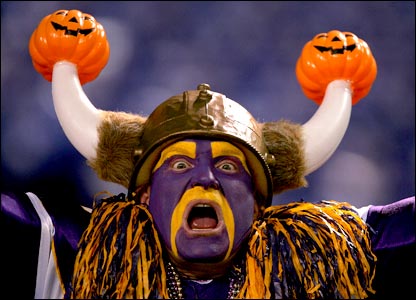
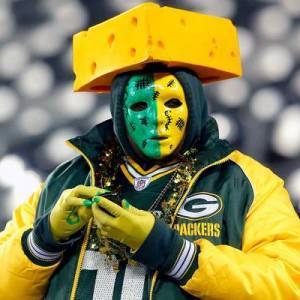
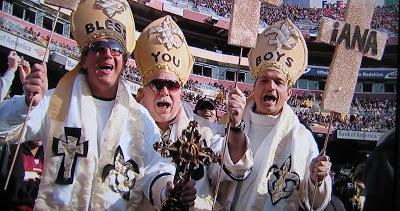
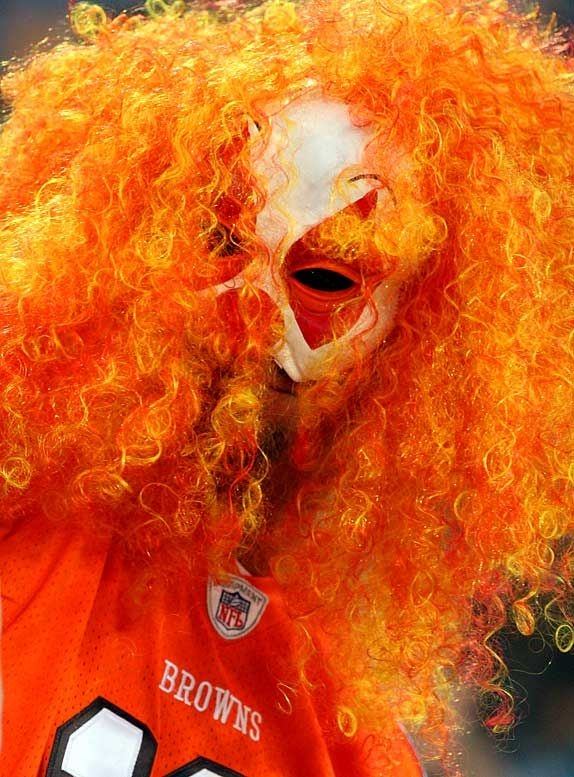
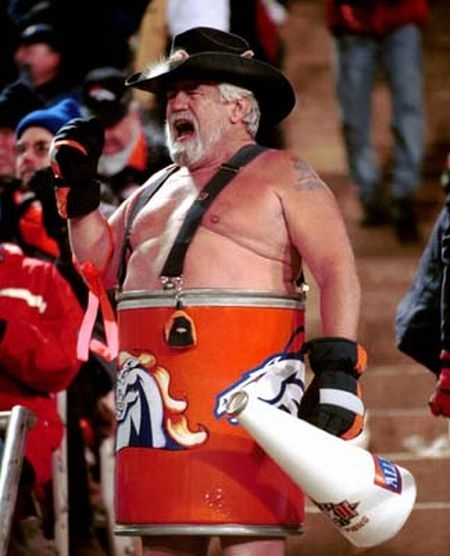
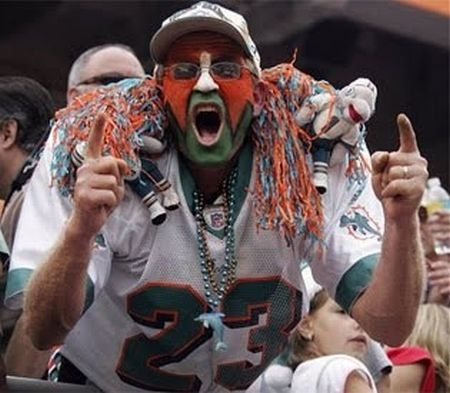
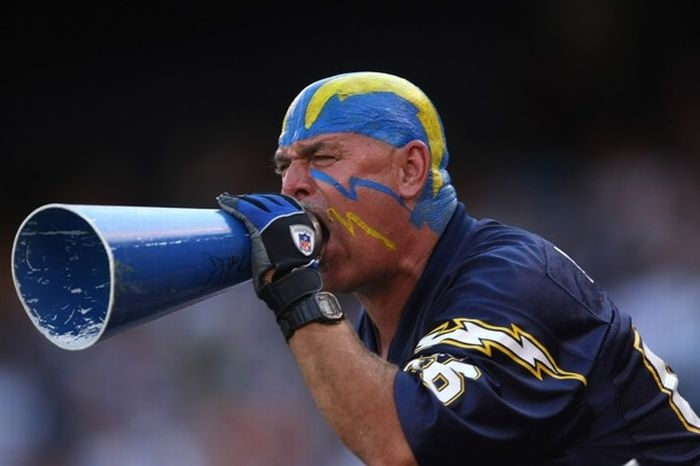
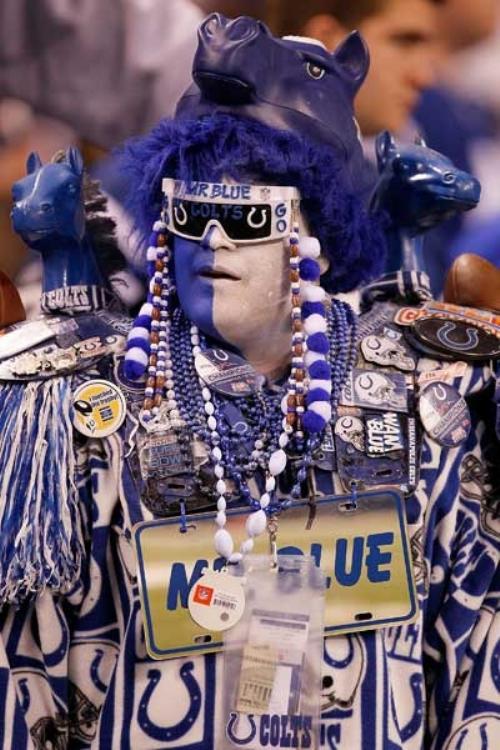
The following is a pictorial answer to the central question, now expressed in simpler terms: Do sports fans attend the games of their favorite teams to get closer to the realities of everyday life? Or do they show up to escape reality as much as possible?

Based upon the following NFL fan pictures, you decide. 🙂

Minnesota Vikings Fan

Minnesota Vikings Fan

Green Bay Packers Fan

Green Bay Packers Fan

New Orleans Saints Fans

New Orleans Saints Fans

Cleveland Browns Fan

Cleveland Browns Fan

Denver Broncos Fan

Denver Broncos Fan

Indianapolis Colts Fan

Miami Dolphins Fan

San Diego Chargers Fan

San Diego Chargers Fan

Indianapolis Colts Fan

Indianapolis Colts Fan

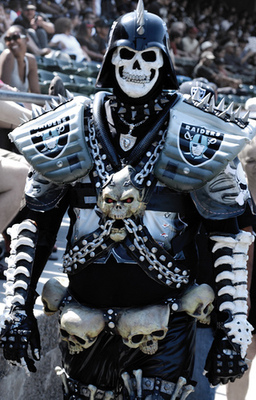
Oakland Raiders Fan

Oakland Raiders Fan

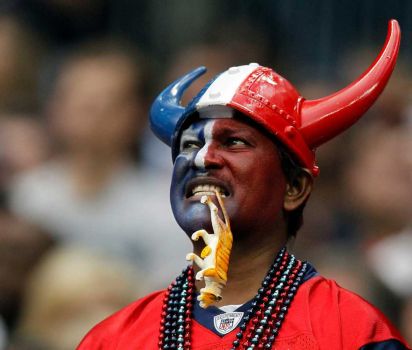
Houston Texans Fan

Houston Texans Fan

Bill Gilbert: HOF Candidate Ratings by Win Shares

December 29, 2014
Veteran SABR Baseball Researcher/Writer Bill Gilbert today rates the 2015 Hall of Fame Candidates on the basis of their Win Share numbers. - Thank you, Bill one more time for another of your fine analytical contributions to The Pecan Park Eagle.

Veteran SABR Baseball Researcher/Writer Bill Gilbert today rates the 2015 Hall of Fame Candidates on the basis of their Win Share numbers. – Thank you, Bill Gilbert, for another of your fine analytical contributions to The Pecan Park Eagle.

Rating the 2015 Hall of Fame Candidates Based on Win Shares

By Bill Gilbert

One of the first items of business in baseball each year is the announcement of players elected to the Hall of Fame. This leads to lots of speculation and a little analysis prior to the announcement which is scheduled for January 6, 2015.

Many systems exist for evaluating player performance. One such system, the Win Shares method, developed by Bill James in 2002, is a complex method for evaluating players which includes all aspects of performance – offense, defense and pitching. James has stated that, “Historically, 400 Win Shares means absolute enshrinement in the Hall of Fame and 300 Win Shares makes a player more likely than not to be a Hall of Famer. However, future standards may be different. Players with 300-350 Win Shares in the past have generally gone into the Hall of Fame. In the future, they more often will not”.

The 2015 class of Hall of Fame candidates consists of 17 holdovers and 17 players eligible for the first time. Thirteen holdovers have over 300 Win Shares, Barry Bonds with 661, Roger Clemens 421, Craig Biggio 411, Tim Raines 390, Jeff Bagwell 387, Mark McGwire 342, Fred McGriff 326, Alan Trammell 318, Sammy Sosa 311, Mike Piazza 309, Larry Walker 307 and Edgar Martinez 305. Three newcomers have over 300 Win Shares, Gary Sheffield 430, Randy Johnson 326 and Carlos Delgado 303.

In 2014, three players received the necessary 75% of the vote for election by the Baseball Writers of America (BBWAA), Greg Maddux (97.2%), Tom Glavine (91.9%) and Frank Thomas (83.7%).. The 2014 ballot included 19 newcomers and 17 returning candidates. Other than the three players elected, only two others, Mike Mussina (20.3%) and Jeff Kent (15.2%) received the necessary 5% of the votes required to remain on the ballot. Rafael Palmeiro with 569 home runs and 3020 hits dropped off the ballot in his 4th year with only 4.4% of the votes. Jack Morris (61.5%) dropped off the ballot after failing to win election for 15 years.

With the relatively strong incoming class last year, only Craig Biggio (74.8%) and Mike Piazza (62.2%) received more votes than in the previous year. Biggio missed being elected by just two votes.  With another strong, incoming class this year, predicting the results is more difficult than usual and holdovers will have a hard time picking up more votes.

Several players on the ballot have the numbers to be elected but remain tainted with the steroid cloud. Many voters are likely to wait until more is known about the extent of steroid usage before giving them a pass. This, along with the number of strong newcomers on the ballot the last two years has resulted in the ballot becoming quite crowded. A total of 571 ballots were submitted last year and each voter could vote for up to 10 players. Over the years, voters have typically voted for 5 or 6 candidates but last year they voted for an average of 8.4. This increase is likely to continue since there at least 20 candidates on the ballot for which a reasonable case can be made for induction.

The Hall has made one significant change in the voting since last year. Players will now only be kept on the ballot for 10 years rather than 15 years. The immediate impact is that 3 players who have been on the ballot for more than 10 years, Don Mattingly (15 years), Allen Trammell (14 years) and Lee Smith (13 years) will be removed from the ballot next year if they fail to receive 75% of the vote. None of them have been close in the past.

Earlier this year, a panel of Hall of Fame players, sportswriters and baseball executives voted on a group of ten players and executives from the “Golden Era”. All ten candidates had strong credentials but none received 75% of the vote. I was disappointed that two of my boyhood favorites, Gil Hodges and Minnie Minoso and my late good friend, Bob Howsam failed to get elected.

Following is a list of Win Shares for the 34 players on the ballot. Players on the ballot for the first time are shown in bold type. Voting results for 2013 and 2014 are shown for the holdovers.

PLAYER WIN SHARES 2013 VOTES 2013 % 2014 VOTES 2014 %
Barry Bonds 661 206 36.2 198 34.7
Gary Sheffield 430
Roger Clemens 421 214 37.6 202 35.4
Craig Biggio 411 388 68.2 427 74.8
Tim Raines 390 297 52.2 263 46.1
Jeff Bagwell 387 339 59.6 310 54.3
Mark McGwire 342 96 16.9 63 11.0
Jeff Kent 338 87 15.2
Fred McGriff 326 118 20.7 67 11.7
Randy Johnson 326
Alan Trammell 318 141 24.3 119 20.8
Sammy Sosa 311 71 12.5 47 7.2
Mike Piazza 309 329 57.8 355 62.2
Larry Walker 307 123 21.6 58 10.0
Edgar Martinez 305 204 31.2 144 25.2
Carlos Delgado 303
John Smoltz 289
Brian Giles 287
Mike Mussina 270 116 20.3
Don Mattingly 263 75 13.6 47 8.2
PedroMartinez 256
Curt Schilling 227 221 38.8 167 29.2
N. Garciaparra 219
Lee Smith 198 272 47.8 171 29.9
Cliff Lloyd 191
Tom Gordon 179
Rich Aurilia 177
Jermaine Dye 175
Darin Erstad 161
Tony Clark 128
Troy Percival 125
Jason Schmidt 120
Aaron Boone 111
Ed Guardado 100

The 22 players elected to the Hall of Fame by the Baseball Writers since 2000 have averaged 356 Win Shares, a figure exceeded by six players on this year’s ballot.

PLAYER INDUCTION YEAR WIN SHARES
Dave Winfield 2001 415
Kirby Puckett 2001 281
Ozzie Smith 2002 325
Gary Carter 2003 337
Eddie Murray 2003 437
Paul Molitor 2004 414
Dennis Eckersley 2004 301
Wade Boggs 2005 394
Ryne Sandberg 2005 346
Bruce Sutter 2006 168
Cal Ripken 2007 427
Tony Gwynn 2007 398
Goose Gossage 2008 223
Rickey Henderson 2009 535
Jim Rice 2009 282
Andre Dawson 2010 340
Roberto Alomar 2011 375
Bert Blyleven 2011 339
Barry Larkin 2012 347
Frank Thomas 2014 405
Greg Maddux 2014 398
Tom Glavine 2014 314
AVERAGE   356

Win Shares are fundamentally a quantitative measure of a player’s accomplishments. A measure of the quality of a player’s offensive performance is OPS+ which compares his OPS (on-base percentage plus slugging average) adjusted for park effects and era with the league average during his career. An OPS+ of 120 suggests that his performance is 20% better than that of a league average player. A similar approach (ERA+) can be used to compare a pitcher’s ERA against the league average during his career.

The following is a rank order of OPS+ and ERA+ for the 34 candidates on the 2015 ballot (First year candidates are shown again in bold type.):

OPS+ rank order of batting candidates on the 2015 HOF Ballot:

BATTERS OPS+
Barry Bonds 182
Mark McGwire 163
Jeff Bagwell 149
Edgar Martinez 147
Mike Piazza 143
Larry Walker 141
Gary Sheffield 140
Carlos Delgado 138
Brian Giles 136
Fred McGriff 134
Sammy Sosa 128
Don Mattingly 127
N. Garciaparra 124
Tim Raines 123
Jeff Kent 123

ERA+ rank order of pitching candidates on the 2015 HOF Ballot:

PITCHERS ERA+
STARTERS ERA+
Pedro Martinez 154
Roger Clemens 143
Randy Johnson 135
Curt Schilling 127
John Smoltz 125
Mike Mussina 123
Jason Schmidt 110
RELIEVERS ERA+
Troy Percival 146
Lee Smith 132
Tom Gordon 113
EddieGuardado 109

The Win Shares system favors players with long productive careers like Sheffield, Raines and Biggio, although it appears to under-rate pitchers, while OPS+ rewards strong offensive players who had shorter, more dominant careers like Martinez and Mattingly. ERA+ favors relief pitchers since their ERAs are generally lower because they are not charged with runs scored by inherited runners.


Conclusions:

  1. Four players will be elected in 2015, Randy Johnson, Pedro Martinez, John Smoltz and Craig Biggio.


  1. Mattingly, Trammell and Smith will fail to win election in their final year on the BBWAA ballot.


  1. Bagwell, Piazza, Raines and Schilling will move up but will fall short of 75%.
  1. While the 2015 class is very strong at the top, it is weak at the bottom. As many as 10 newcomers may not receive even one vote. Five or six newcomers should receive enough votes to remain on the ballot.


  1. The incoming class in 2016 is not as strong as the last two – Ken Griffey, Jim Edmonds, Trevor Hoffman and Billy Wagner. This could provide an opportunity for some holdovers to get elected.


  1. There will not be a groundswell of support for Rich Aurilia, Aaron Boone, Darin Erstad, Tom Gordon or Eddie Guardado, among others.

If I had a ballot, I would cast votes for Johnson, Martinez, Smoltz, Biggio, Bagwell, Piazza, Raines, Schilling, Trammell and Mussina.

Bill Gilbert

12/27//2014

Jayson Carter, The Little Big Man of Rice Football

December 28, 2014
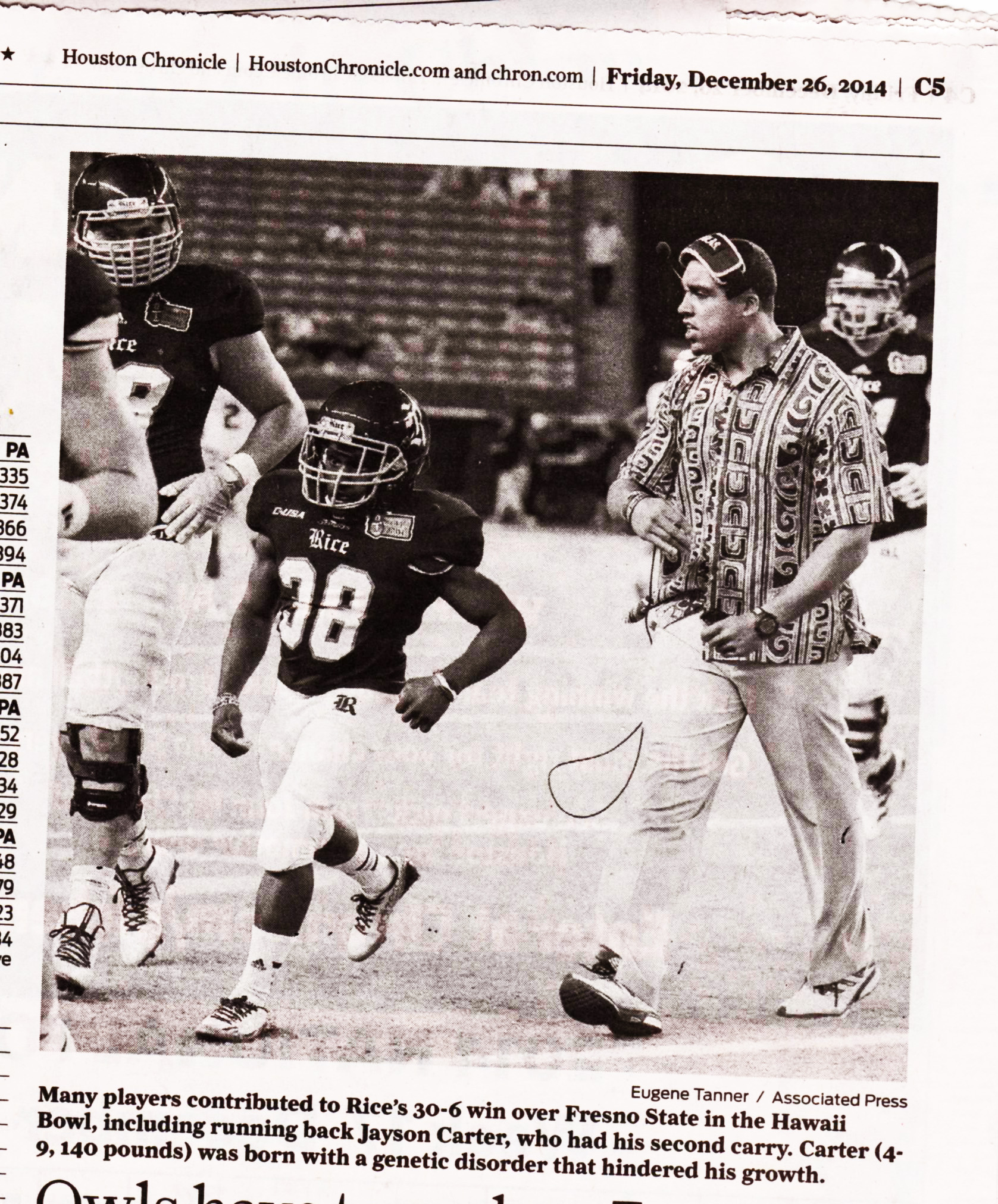
Jayson Carter got his 2nd ball carry in two years for Rice in their 30-6 win over Fresno State on Christmas Eve 2014 at the Hawaii Bowl. – He gained two yards.

Jayson Carter got his 2nd ball carry in two years for Rice in their 30-6 win over Fresno State on Christmas Eve 2014 at the Hawaii Bowl. – He gained two yards.

Now in his fourth season with the Rice Owls football team, Jayson Carter stands as the best kept accidental secret in Houston.

At only 4’9″ in height, Carter is qualified for membership in the Little People of America group that so valiantly fights for equity and respect for the rights and opportunities in this often unfair and disrespectful world, but, like Eddie Gaedel before him, Jayson has shown the brain power and ability to do an excellent job of seeking out his own chances for passionate pursuit. In Carter’s case, it was finding earned acceptance as a walk-on member of the Rice Owls’ NCAA Division 1 football team  for some kind of contributing life on the gridiron.

In Carter’s case, it wasn’t just the urge to satisfy a one-time game entry that drove him. The little running back actually wanted to carry a ball against those timbering hunky and athletic oppositional lineman who lay in waiting to squash him like a bug. – How in the world did he ever get as far as to even hope for such a wonderful opportunity?

First, let’s take a look at the actual run and hear from Bleacher Report’s featured columnist Kyle Newport on Carter’s second career carry. He had another carry last year against UTEP:

http://bleacherreport.com/articles/2310524-49-rice-running-back-jayson-carter-gets-special-carry-in-hawaii-bowl

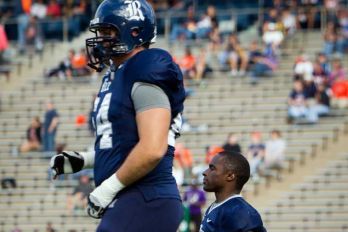
Jayson Carter and taller Rice teammate watch a game from the sidelines.

Jayson Carter and a much taller Rice teammate watch a game from the sidelines.

A 2013 article by Greg Doyel of CBS Sports.Com explains in detail how Carter quietly worked his powerful compact force in that first 2013 carry against UTEP and explains further how this little mighty man fulfilled one on his dreams:

http://www.cbssports.com/general/writer/gregg-doyel/24160988/rices-4foot9-tailback-sensation-has-a-big-future-ahead-of-him

Don’t ever sell Jayson Carter “short.” The young man owns a measurable IQ of 169. He’s bound to have other aspirations that mere normal mortals might stumble to even see, let alone reach.

The Pecan Park Eagle wishes you the best, Jayson Carter. – We also thank you for being a giant among men.

Elvin Hayes (as Jayson Carter) and Bill McCurdy (as Eddie Gaedel).

Elvin Hayes (as Jayson Carter) and Bill McCurdy (as Eddie Gaedel).

Perspective Notes on Carter’s Size. Jayson Carter is 4′ 9″ tall. Baseballs Eddie Gaedel was 3’7″ inches tall. That’s a difference in height of 1’2″ – the same difference that approximately exists between NBA Hall of Famer and UH Cougar icon Elvin Hayes and me. If it were possible for Jayson Carter (Elvin Hayes) and Eddie Gaedel (Bill McCurdy) to stand side-by-side for a photo, their height differential would show up pretty much as ours does in the above photo.

Have a Happy rainy Sunday, Houston!