How To Play First Base, By George Sisler

April 16, 2015
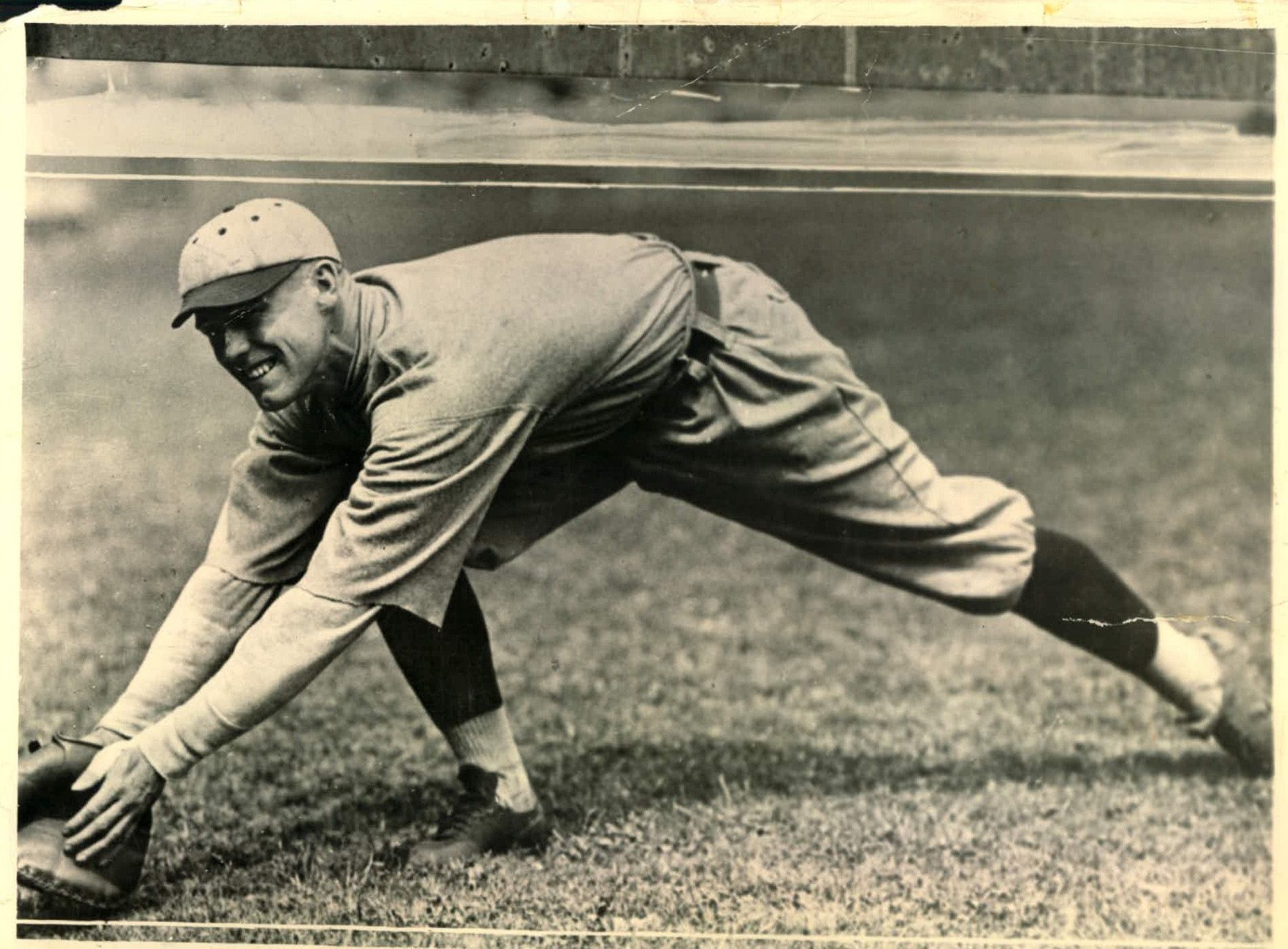
George Sisler,1B, St. Louis Browns August 1922 Hall of Fame, 1939 Photo, Courtesy of The Sporting News

George Sisler,1B, St. Louis Browns
August 1922
Inducted into the Hall of Fame, 1939
Photo, Courtesy of The Sporting News

Under a headline of blazing glory in the May 11, 1924 sports pages of the Port Arthur (TX) News, “FIRST BASEMAN MUST LEARN TO “GO OUT AND MEET THE BALL’ WRITES GEO. SISLER”, the following advice sprang forth like so many lightening bolts of wisdom from one of the gods of baseball heaven:

(How To Play First Base)

By George Sisler

Greatest First Baseman of All Time

No player can hope for success as a first baseman unless he is a sure catch. This feature of play is far more essential at first than any other place in the infield.

It is absolutely necessary for a first baseman to become as efficient in catching a ball with the gloved hand as with both. This makes it possible for him to stretch and take a throw while on the bag that would be impossible if he tried to make the play with both hands.

A study of the batters is another important feature that must be given much consideration. A knowledge of the field to which a batsman is most liable to hit, enables the first baseman to so shift that he  will be in the best possible position to make a play.

Since perhaps 30 per cent of the outs in a ball game are made at first base, it is an easy matter to see that the ability of the man playing that position has much to do with a club’s success.

Speed Enters Into Style of Play

It is impossible to tell just how and where a first baseman should play to be most efficient. The speed of the player enters largely into this feature of first basing. The player fast on his feet can play a much deeper first base than the athlete who is slow of foot.

In determining the best possible position to ordinarily assume, the first baseman must consider not only himself but the batter as well. Naturally a first baseman can play deeper on a slow-footed batter than a speed merchant.

When to hold a runner on first is usually determined by the conditions of the game. However, it is safe to say that with second base unoccupied and a runner on first, it is always advisable to hold him close to the bag.

Every first baseman should learn the art of stretching to meet the ball, rather than catching it standing erect. A fraction of a second is the difference between out and safe at first in a majority of plays.

Footwork or the shifting of the feet for throws is most important. Dexterity in this particular feature of first base play can only be acquired through great effort and constant practice. Some first basemen far excel others in this feature of play. Not every athlete is light on his feet, just as all of us are not good dancers.

————-

I have simply given the fundamentals of first base play. The finer points of the game come with experience. There are too many tricks to the playing of first base that can be gained only as a result of having them come up in actual play and then having them sink in.

In a great many cases the best possible position to assume as well as play to make is governed by the conditions of the game, the score, then number of outs, the inning and the ability f the batter.

These features cannot be briefly discussed. If a player gets the fundamentals, he later grasps the finer points by having them come up in competition.

————-

Pecan Park Eagle Footnote: In 15 seasons as a major leaguer (1915-1923, 1925-1930), George Sisler (BL/TL) played 1,971 major league games, the preponderance of them in 12 seasons as a first baseman for the St. Louis Browns (1915-1923, 1925-1927). Sisler missed the entire 1924 season when a severe case of sinusitis caused double vision and made playing ball impossible for the arguably greatest hitting and fielding first baseman of all time. Sisler finished with a career batting average of .340 and 2,812 career hits. Sisler twice led MLB with 257 hits in 1920 and and 246 hits in in 1922. In both seasons, he hit over .400 – with a .404 mark in 1920 and a .420 average in 1922. Until it was broken in 2004 by Ichiro Suzuki of the Seattle Mariners with 262 hits, George Sisler’s 257 hits in 1920 had stood over time as the MLB record for most hits in any big league single season. – George Sisler was inducted into the Hall of Fame in its opening season of 1939. In 1999, the editors of The Sporting News named George Sisler as the 33rd highest pick on their list of “Baseball’s 100 Greatest Players.” Thanks again to researcher Darrell Pittman for supplying the news file article that inspired this tribute to one of the greatest players in baseball history.
Why Are Baseball Games Nine Innings Long?

April 15, 2015
Why Are Baseball Games Nine Innings Long? By Hannah Keyser

Why Are Baseball Games Nine Innings Long?
By
Hannah Keyser

Hannah Keyser is no mere culinary arts expert, although we’ve read that she is an avid foodie, but sadly, also one of those people who doesn’t like hot dogs. How that could happen to a girl from Brooklyn, we have no idea. All is forgiven, however, for the fact that she also happens to be a deep baseball history fan and a very clear and excellent writer, one who is currently plying her knowledge and skills as such at a catchy-named site called Mental-Floss.com.

Keyser studied Ancient History at the University of Pennsylvania and is reportedly literate in hieroglyphic composition. Hannah lives in Brooklyn with two cats —Gatsby and Kilgore Trout— and one boyfriend.  I am perfectly happy and in love with Norma, my wife of thirty years, but I do have to wonder. – Where was your type of female fifty years ago, Hannah, when I still had not given up hope of finding a girl who knew baseball talk beyond the old “don’t even think of trying to get to first base with me” that all the ladies seem to know really well back in the day – at least, in my experience.

In the following link to her Mental-Floss.Com column, Hannah Keyser provides us with a plausible, considered, and documentable  explanation of why baseball games are scheduled, even today, as nine active fielder matches and nine inning affairs. We almost got stuck with a seven man/seven inning formula preferred by one strong faction of the famous Knickerbocker Club, but a rebellion against that format, led by Louis F. Wadsworth, got that proposition extended to “nine fielders and nine innings”.

Read Hannah Keyser’s version for a much better detailed description of what happened to dress baseball to the “nines”:

http://mentalfloss.com/article/62877/why-are-baseball-games-nine-innings-long

Regards, Bill McCurdy, The Pecan Park Eagle

Thanks again to researcher Darrell Pittman for his suggestion of this topic.

Baseball: Feeding Hope Against All Odds

April 14, 2015
Hope Spring Eternal! So Does George Springer!

Hope Springs Eternal!
So Does George Springer!

What is it about this baseball game of ours that helps us all to never give up hope? If we were all Yankee or Cardinal fans, we probably wouldn’t need to ask that question so much, but who knows, maybe even those far more frequent fan winners are as human as the rest of us – and also battling uphill constantly against the odds of being the one team each year to win the World Series.

Personally, we think it starts with the fact that hope feeds far more on conditions and qualities that are not about being the only team to win World Series annually. If it were, there would be no rational explanation for the ongoing existence of Cub fans, whose family chain hasn’t seen the NL Chicagoans win it all since 1908 – back in their great-great grandfather’s day.  No, hope has to be based upon something as wildly against the odds as buying a power ball winning lottery ticket worth millions.

It’s about our desire to believe in the possible – and our need to disregard the issue of probability that always says that we are all, at best, only 30 to 1 shot favorites to win the World Series in a perfectly balanced universe of evenly distributed talent that, of course, never occurs because it never exists. Especially in this age of free agency and player’s union control of a player’s rights to move easily to the biggest paydays possible, a few very wealthy clubs will always begin each year a probability of winning it all that is much better than 30 to 1 – and vice-verse for the ascending odds against the always larger group of low payroll budget rebuilding clubs of winning big.

Much of the hope springs eternally from the long season of 162 regular schedule games and the little “seconds and inches” plays that continue to breathe hope or despair into our lives on an almost daily basis. Te difference most often seems to be the fact that we are able to put everyday despairing events on “short memory” and then nurture a whole month into the future on the happening of a one play that snared “victory from the jaws of defeat” in an everyday game. And, of course, the earlier these things happen in the season, the earlier it is for us to bank on the possibility of hope.

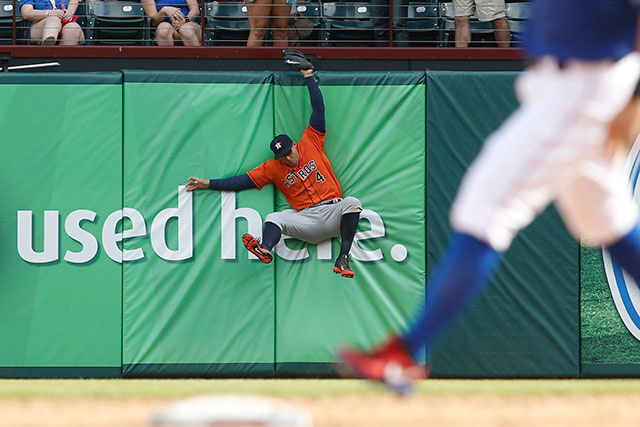
A beautiful example happened In Sunday’s game between the Astros and Rangers at Arlington – one that framed “seconds and inches” together as the difference-maker as the talented George Springer of Houston raced back on a long fly ball to right field that was headed over the fence off the bat of Rangers outfielder Leonys Martin and would have given Texas an 8-4 walk-off grand slam memory, except for one thing. – After a long race to the wall, Springer timed his jump and caught the ball on the other side of the fence, pulling it back for a third out that saved the game for Hank Conger’s two-run homer in the 14th and an Astros win.

Even at home, you could feel the electricity of the moment as an Astros fan. There was pitcher Tony Sipp, smiling and pumping a fist in celebration of hope’s survival as right fielder Springer trotted in to the club’s third baseline dugout as though it was just another day at the office. Pitcher Sipp put a stop to nonchalance by greeting a now smiling Springer with a chest bump as he reached the dugout steps.

Did the play increase the probability that the Astros will win the World Series this year? Not to any appreciable degree, no, it did not. Did it kindle the possibility of hope in the hearts of Astros fans? You bet it did!

The long season of baseball is upon us. And, even if some of us are Cubs fans, we will find something hopeful to get us through the summer with our favorite team.

As a kid in Houston during the late 1940s and early 1950s, the Mutual Game of the Day and The Sporting News allowed many of us from my generation to keep up with all 16 of the teams that then made up the entire map of the major leagues. I was once able to order the pennants of all 16 teams through a special offer I found in TSN – and that worked out great. With thumb tacks, I placed the 8 pennants of the AL near the ceiling of two contiguous walls. The other two walls held the 8 NL team flags. And each morning, if there were a change in the standings, I would change the position of the pennants accordingly.

The movement of my pennants did not improve the probability that clubs like the Browns or Senators in the AL – or that  the Pirates or Cubs in the NL would move up as “probable” World Series contenders, but it was a testimonial of hope to the “possibility” of upward movement.

It wasn’t too long before I came to the realization that hope for a club like the Pittsburgh Pirates did not hinge upon a wild chance of reaching the World Series. After all, at that time, Pittsburgh had not been to a World series in 22 years, the time of their first unpleasant meeting with the 1927 version of the New York Yankees. Things would work out better for the Pirates In their next World Series appearance in 1960, when their foe would again be the Yankees, but with a much better result.

In 1949, the Pirates had a guy named Ralph Kiner playing for them. On his way to his 4th of seven consecutive seasons with the Pirates as the NL’s leader in season home runs, Kiner would bag 54 in 1949. For Pirate fans, the possibility of hope for something better came up every time Ralph Kiner stepped up to the plate.

Nothing says “hope” sweeter than the sound and sight of your own guy’s big bat contact with a baseball that sends it soaring into the summer sky on its way to a pea-size disappearing act upon the farthest visual horizon.

Baseballs soar. And so does hope. All good things are possible. We simply have to believe and fight back from adversity over time – but always one day a time – with the possibilities that are available to us. And that course, friends, is hope in action.

________________

Houston-Galveston: Echoes of an Ancient Rivalry

April 13, 2015
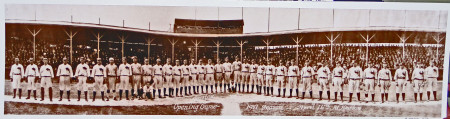
The Houston Buffs and Galveston Sand Crabs were still local rivals for years beyond the 1896 campaign. This panorama shows the two clubs on Opening Day at West End Park in 1921.

The Houston Buffs and Galveston Sand Crabs were still local rivals for years beyond the 1896 campaign. This panorama shows the two clubs on Opening Day at West End Park in 1921.

Back in the latter part of the 19th and early 20th centuries, the rivalry between professional base ball teams from Houston and Galveston grew a little heated. All it needed was a newspaper quote from one manager, followed by a rival response from the other club mentor – and countered yet again by a further published response from the original speaker to sizzle things up prior to game time.

Here’s a small example (Thanks again to the file research of our friend and contributor, Darrell Pittman):

Back in 1896, the Houston Buffaloes and Galveston Sand Crabs both were getting ready to begin the new base ball season with high hopes for success in the Class C Texas-Southern League/later renamed Texas Association competition of 1896. Going into the new year, W.G. “Bill” Garson was on deck as the manager at Houston and W.L. “Bill” Work held the corresponding position at Galveston.

It all started this time with an interview of Houston Manager Garson in the April 9, 1986 edition of the Galveston Daily News following his return to Houston from a league pre-season meeting in Fort Worth. Almost everything that Garson was quoted as saying sounded like fairly innocuous good-spin pre-season talk, by today’s standards, but apparently that isn’t the way it was heard by Galveston Manager Work once he read Garson’s remarks.

“I saw the Chicago Colts drop a game in Dallas Monday by the rankest kind of playing and some awful umpiring,” Garson said, talking about one of the side ventures he enjoyed on his trip to North Texas. “I am confident from what I saw and from the opinions expressed by the Chicago players, that we have a stronger team than either Dallas, Fort Worth, or Galveston, and (I also believe) that the other teams in the league are, perhaps, weaker than either of those teams mentioned, unless it be Galveston.”

Houston Manager Garson’s comments did not settle well with Galveston Manager Work. The very next day, April 10, 1896, the Galveston Daily News published Work’s handwritten and angry public letter response to his Houston rival manager:

“Noticing Mr. Garson’s daily ‘Stab’ at advertising his (Houston) baseball aggregation in yesterday’s (Galveston Daily) News and his attempt at diagnosing the strength of my (Galveston) team in a comparison with Fort Worth, Houston, and Dallas, I deem it my business to make some reply. It has been often and truthfully said that the producer of poultry should postpone the census of the juvenile fowls until the period of incubation has fully arrived. Mr. Garson, however, has not paid much attention to this axiom and takes the license to predict, of course, that Houston team is superior to the Galveston team. When did he become a baseball oracle, and how has he so suddenly acquired the knowledge to speak on any subject to the national game? I won’t take up space and waste breath in a reply to Mr. Garson. The sporting people are the people to whom I look to for support, and who must be the sole judges of my team’s strength. I am not afraid of the future, and certainly shall not lose sleep over the reputed phenomenal strength of Mr. Garson’s team. If to-day’s game is a criterion I think the Houstons, when they meet the Galvestons, will be left at the quarter pole.”

Houston Manager Garson responded to Galveston Manager Work the very next day, April 11, 1896, in a public letter by card, but this time, his second round rebuttal was delivered to and published by the Houston Daily Post:

“To the Editor of the (Houston Daily) Post) – In reply to Manager Work’s letter to the Galveston News in which he scores me in a very ungentlemanly manner, for something I don’t believe I ever said or uttered.

“I am not anxious for such cheap notoriety that Manager Work is trying to bring up through the newspapers and have only this to say: I think Work an ass and in regard to playing ball, the coming season will determine who has the strongest team, and I’m very sure Mr. Work will be welcome to criticize me as much as he pleases if he beats me out, but I think he will find his match when he come to Houston.”

Like most most tempests in most teapots, there were no apparent personal winners between Garson of Houston and Work of Galveston. Both were replaced as managers before the year ended. In fact, two men followed Work in succession. The team gold, however, went to Houston for finishing in first place – 12 games ahead of the second place Galveston club that they then defeated 5 games to 2 in a playoff for the league championship of 1896.

This little old play does little to shed any new light on the workings of the human ego, but it does pretty well reenforce what we all should already know. Everything pursued by the human ego carries baggage that is much older than anything ever written by Wee Willie Shakespeare.

Eloquence on the Astrodome Stakes

April 12, 2015

When a reader essentially spot-on nails the inherent issue that rides with the outcome of an important question, he or she both deserves and shall continue to get more than abundant space in the comment section of The Pecan Park Eagle. Such is the case today with the extended comment submitted this weekend by thoughtful SABR colleague Mark Wernick on the importance of the Astrodome to the City of Houston.

Mark, we’ve been through this earlier on another issue – and we know that your ego-less modesty will beg for more “punctuation consideration” time on future “articles”, but that still isn’t necessary in your case. Once imprinted, the eloquence of your commentary speaks beautifully for itself on the depth of your understanding of what’s at stake with the final outcome on the Astrodome question. In behalf of all Pecan Park Eagle readers, the City of Houston, Harris County and the Astrodome itself, we thank you for your commitment to quality expression.

Excerpted from a Mark Wernick comment to The Pecan Park Eagle column, “The Astrodome: From Here To Eternity” on 4/12/2015.

https://thepecanparkeagle.wordpress.com/2015/04/11/the-astrodome-from-here-to-eternity/

The Astrodome Stakes

By Mark Wernick

Mark Wernick SABR Member

Mark Wernick
SABR Member

I greatly appreciate these revitalization efforts for the Astrodome. This structure stands as one of the world’s most extraordinary architectural, engineering, and construction accomplishments through the end of the 20th century, and represents literally the only claim Houston has to any such world-class icon of human achievement. The citizens of Houston apparently were betrayed by an excessively fluid demographic that made educational continuity difficult to sustain. However, those who understand the situation, understand that our city has been, and still is, at great peril of losing one of its most significant defining features to entropic economic forces that have little serious significance unto themselves. It is true, for example, that the large airplane hangar next to the Astrodome where a football team plays currently is a more viable source of commercial revenues than its nearly-forgotten next-door neighbor; but in the long-term, a historically preserved and revitalized Astrodome will dwarf that one-dimensional venue not only in historical, cultural, educational, entertainment, and recognition value, but because of these elements, the Astrodome also will surpass the football stadium in commercial value. This will grow more glaringly true as the wider culture increasingly withdraws its support for a sport that damages the brains and shortens the lives of its participants.

The right kind of revitalization will of course determine the ultimate success of the Astrodome’s future.

I envision a multi-faceted complex including a sports museum or a museum with a sports component, an automobile museum hopefully as good as the terrific museum in San Marcos housing the Dick Burdick collection, perhaps a petroleum energy museum, a basketball court for college and maybe even pro games, shops and restaurants, a hotel, beautifully landscaped green park areas, monorail transport to various locations within the domain, and no doubt many other great features can be included through a solicitation of public input. Remember, once the paint is removed from the Lucite tiles, grass and greenery grows very nicely inside the Astrodome.

Anything less than full revitalization of our 8th Wonder of the World will represent for Houston the greatest act of self-sabotage in the history of our city.

“30”

Same “Old” Story, No Fight for Love and Glory

April 12, 2015
Early 20th Century Houston Buff Champions

Early 20th Century
Houston Buff Champions

It’s not even a case of “do or die”. – The world will always startle “old folks” – as time goes by.

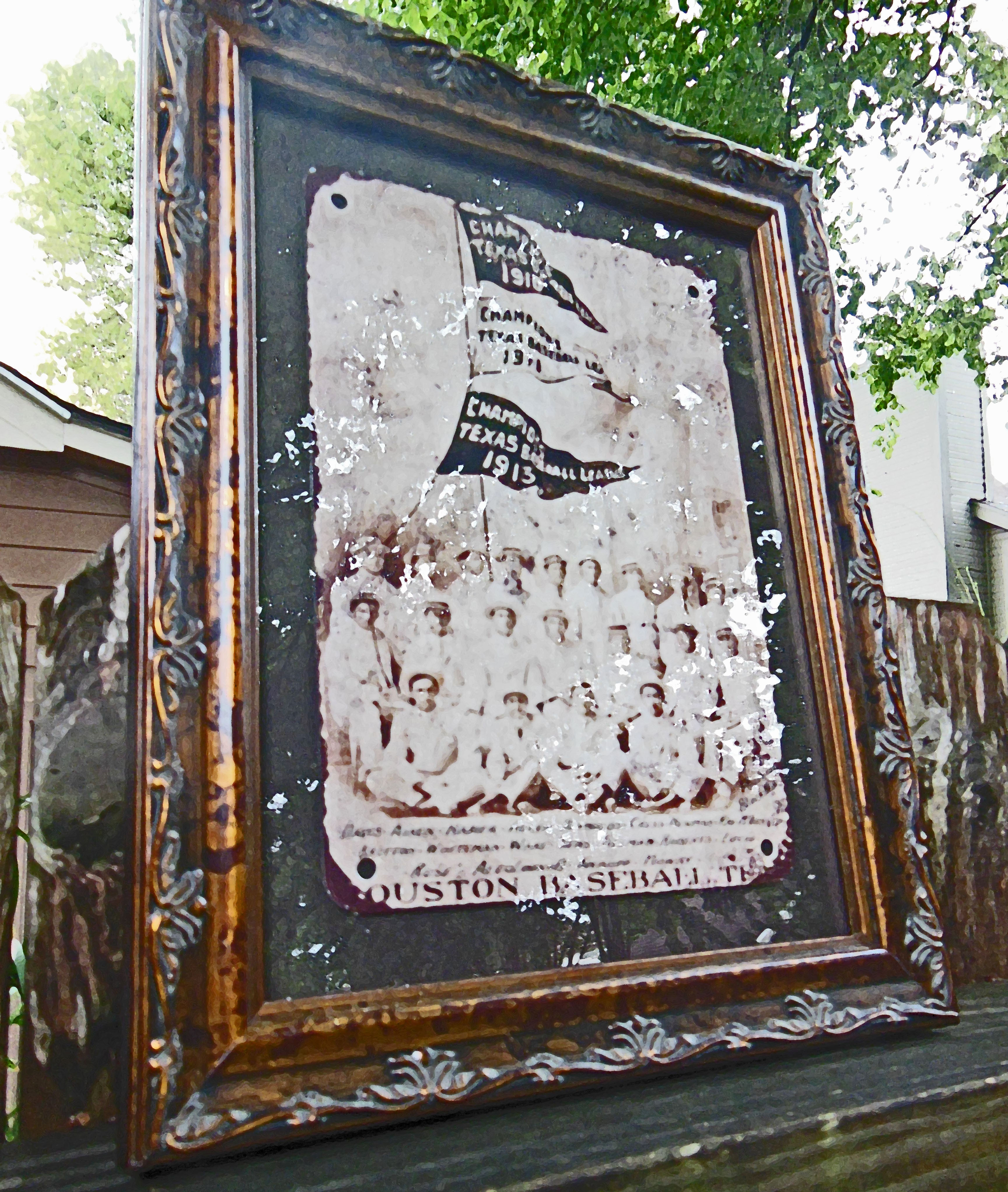
A couple of weeks ago, I received the featured tin-plate team picture from Houston Buffs history friend Darrell Pittman as a gift. Well, Hobby Lobby was having one of their perennial 50% off frame sales so I stopped by there to have the metal piece mounted on a mat that would fit and look good in a 12×16 inch frame. I picked it up today.

Sorry it doesn’t photograph well once it is behind that natural glass due to all of the glare, but you should be able to see it well enough to easily get the drift of this short weekend errand story. It was the only place I went today because of a back problem, but maybe my disability was showing more than I thought.

The young man who retrieved my order and wrapped it for my trip home seemed mildly interested in the picture. Then he suddenly asked the question in all apparent innocence that set me back smiling on my heels:

“Which one is you?”

Did you hear that? The kid wanted to know which one of those fellows from 1910-1913 was me. – He didn’t ask, “Are you in this picture?” – He asked, “Which one is you?”

Let’s see, had I been, say 25, in 1910, that would make me about a pretty good-looking-for-his-130-years-on-earth age in 2015!

“None of them are me,” I told the young man. “I had gotten into a little trouble in a bar fight the night before and had to spend the night in jail.”

“That happened to me once,” the young man said.

“Glad you made it out OK,” I told him.

I didn’t have the heart to mess up a good story with an admission of the truth at this point – so I just thanked him and let it slide from there. Besides, I needed to go home and rest. Guess my penalty will always be one of wonderment: Was this kid really that naive? Or was he simply the greatest dead-pan con man that I’ve ever run into in the normal flow of everyday life.

Don't I look OK for a 130-year old man?

Don’t I look OK for a 130-year old man?

The Astrodome: From Here To Eternity

April 11, 2015
From Here To Eternity!

From Here To Eternity!

Veteran broadcaster, writer and author Greg Lucas said it best yesterday as a comment addition to our “Dome. Sweet Dome” column on the April 9th 50th Anniversary of the Astrodome party we covered in words and pictures:

https://thepecanparkeagle.wordpress.com/2015/04/10/dome-sweet-dome/

Greg Lucas

Greg Lucas

 “Have to admit I didn’t get in line to see what we have now. I remember what it was well enough. However, was on hand and extremely happy with the support. Now if everyone can really learn what the plans may be I am sure there will be more than enough support in the county to keep the building alive and useful once again. While it can never be the main stadium again, it very well can be the centerpiece of the whole complex for sure. The Astrodome IS our Eiffel Tower or St. Louis Arch. But unlike those two icons the Astrodome can have a real function and not just a place to see and climb! There is already more history to the ‘Dome than most centerpieces can ever hope to have.”

~ Greg Lucas, Pecan Park Eagle column comment in response to “Dome, Sweet Dome”, published Friday, April 10, 2015.

Greg Lucas recorded a three-pitch strikeout of any serious opposition to the restoration of the Astrodome into useful service to the community now and the ages to come:

Strike One:The Astrodome IS our Eiffel Tower or St. Louis Arch.”

Strike Two:But unlike those two icons the Astrodome can have a real function and not (be) just a place to see and climb!”

Strike Three: There is already more history to the ‘Dome than most centerpieces can ever hope to have.”

No matter who opposes saving the Astrodome, be they business interests with a financial investment in turning the great icon into more parking space – or transient Houstonians with a nose sniff of indifference to our community’s history and legacy because of their fear of additional taxes – Greg’s words are the challenge to all of us who support the city’s need and responsibility for preserving this incredibly history-packed structure that once served as the beacon vehicle to Houston’s march into the station of becoming a world class socioeconomic culture and city.

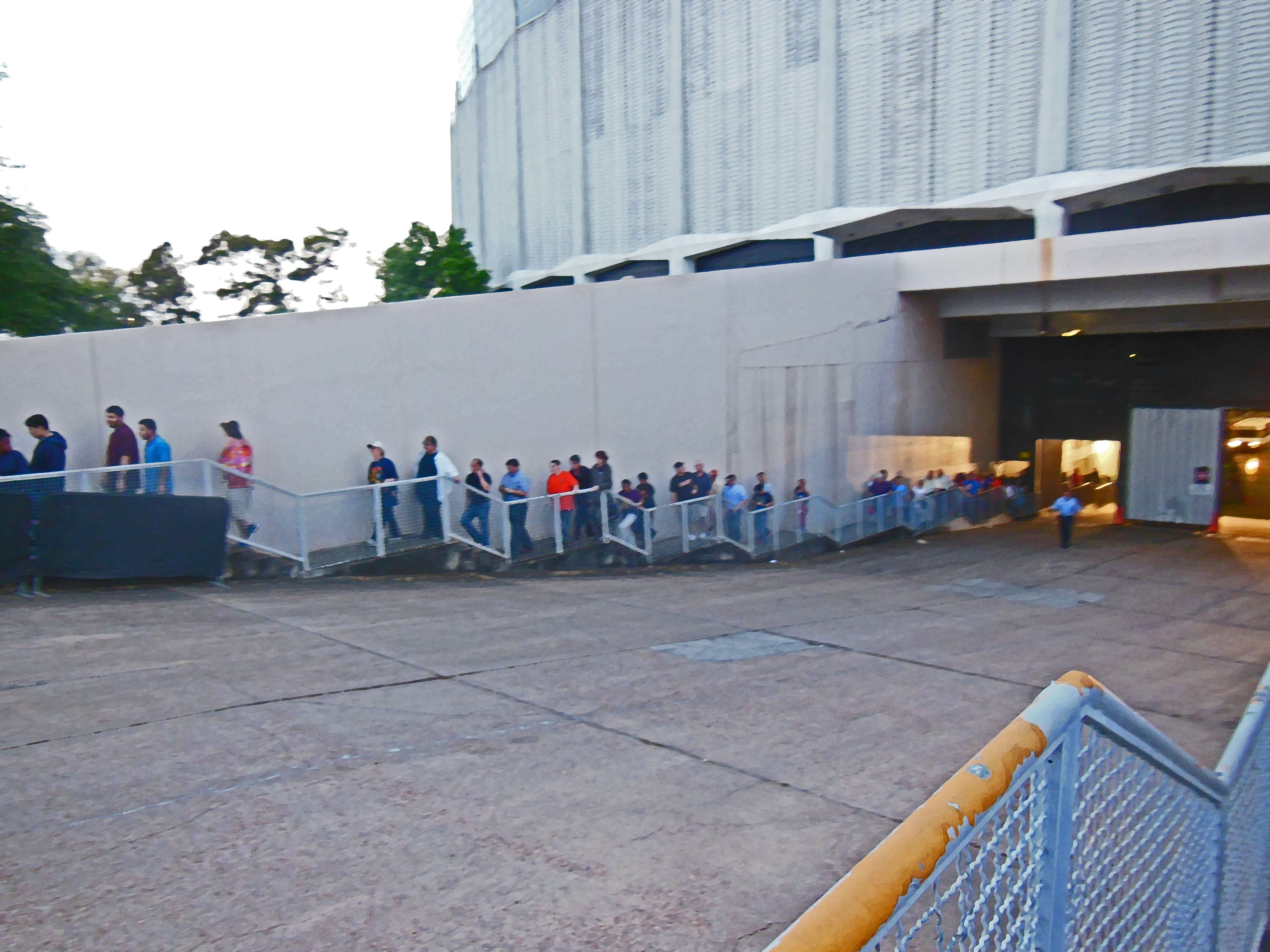
Over 30,000 Houstonians showed up for the 50th Anniversary party on Thursday – and most of those entered into the two hours long line – and some remaining there deep into the evening, beyond the original 8:00 PM announced closing – just to get inside and rekindle their memories of the Astrodome.

You just don’t kiss goodbye anyone or anything that’s meant that much to you in a single lifetime. – You fight back to keep and restore your relationship with that person, ideal or object to a renewed level of awareness and purpose.

The Astrodome must be saved and renewed to genuine purpose. Any other outcome is totally unacceptable – from here to eternity.

Dome, Sweet Dome

April 10, 2015
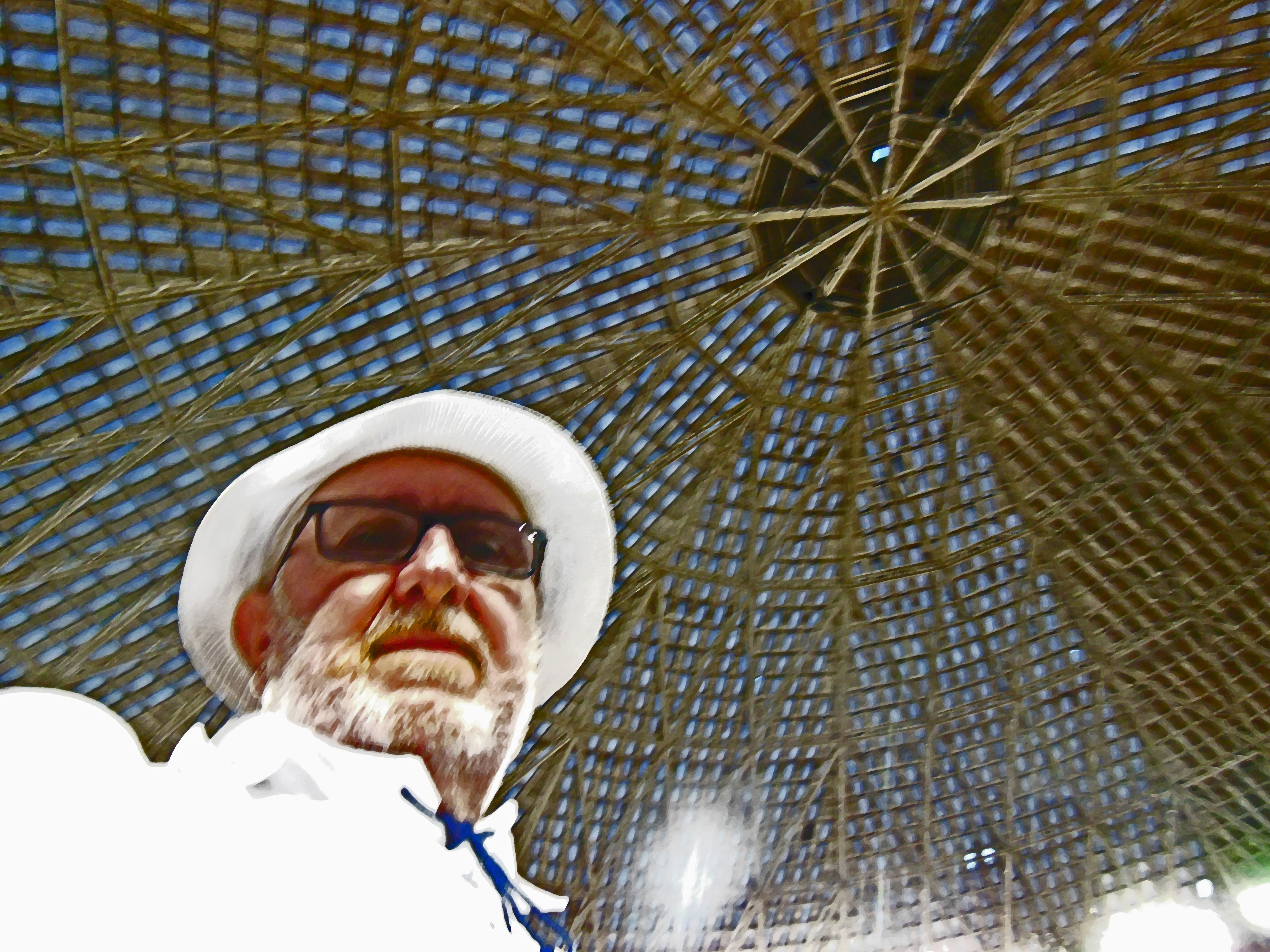
Inside the Astrodome For The 50th Anniversary Party April 9, 2015

Inside the Astrodome
For The
50th Anniversary Party
April 9, 2015

30.000 Astrodome fans waited in line for two hours for the opportunity in many cases to stir old favorite memories. We didn't come to say goodbye. We came to say hello to new life for the grand old girl of Houston's beacon to the world.

30.000 Astrodome fans waited in line for two hours for the opportunity in many cases to stir old favorite memories. We didn’t come to say goodbye. We came to say hello to new life for the grand old girl of Houston’s beacon to the world.

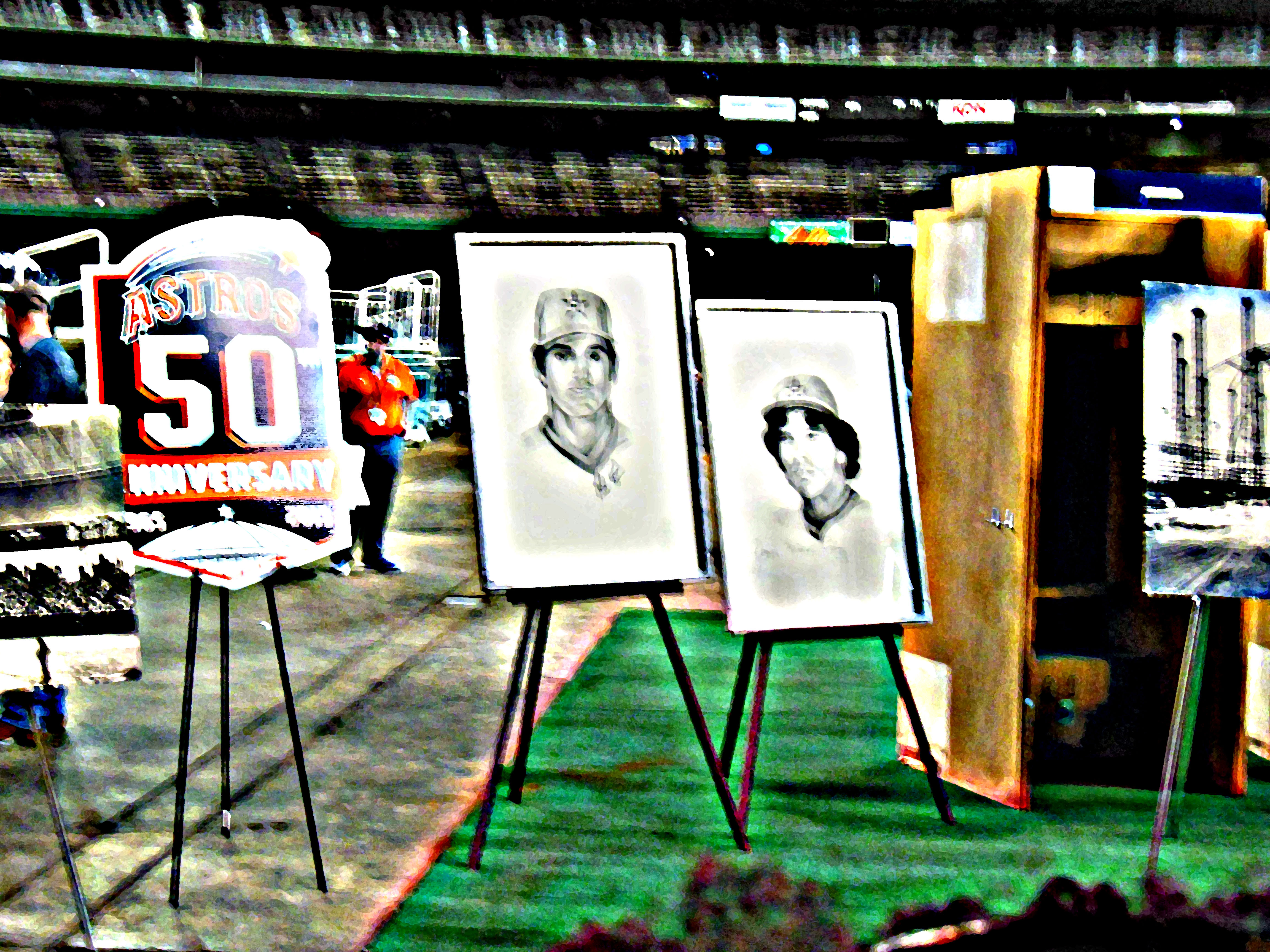
Lingering in the heart of Houston's greatest moments in sports, entertainment and politics, the ghosts of ancient heroes and unforgettable times were everywhere - and only deaf-insensitive to our generation's responsibility for preserving this legacy for the Houstonians of tomorrow

Lingering in the heart of Houston’s greatest moments in sports, entertainment and politics, the ghosts of ancient heroes and unforgettable times were everywhere – and only the deaf-history insensitive to our generation’s responsibility for preserving this legacy for the Houstonians of tomorrow could have failed to see and feel its presence.

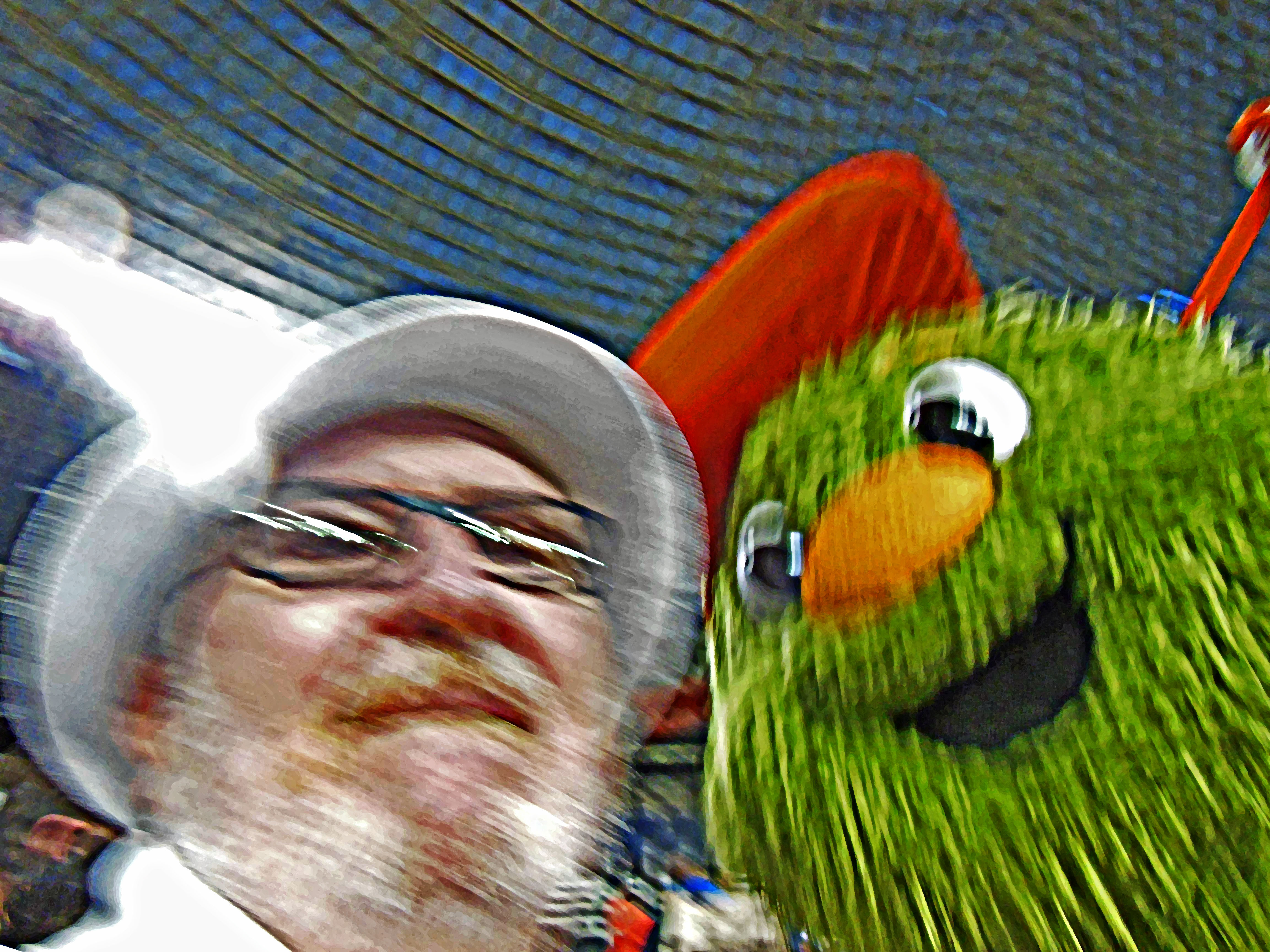
Even Orbitt of the Astros  and the fuzziest of all selfie-photographers were clear on this point: The Astrodome must be saved and restored to a useful purpose of community service. - She belongs to the Ages. - She belongs to the world - as the iconic face of Houston.

Even Orbitt of the Astros and the fuzziest of all selfie-photographers were clear on this point: The Astrodome must be saved and restored to a useful purpose of community service. – She is our child. – She belongs to the Ages. – She belongs to the world – as the iconic face of Houston.

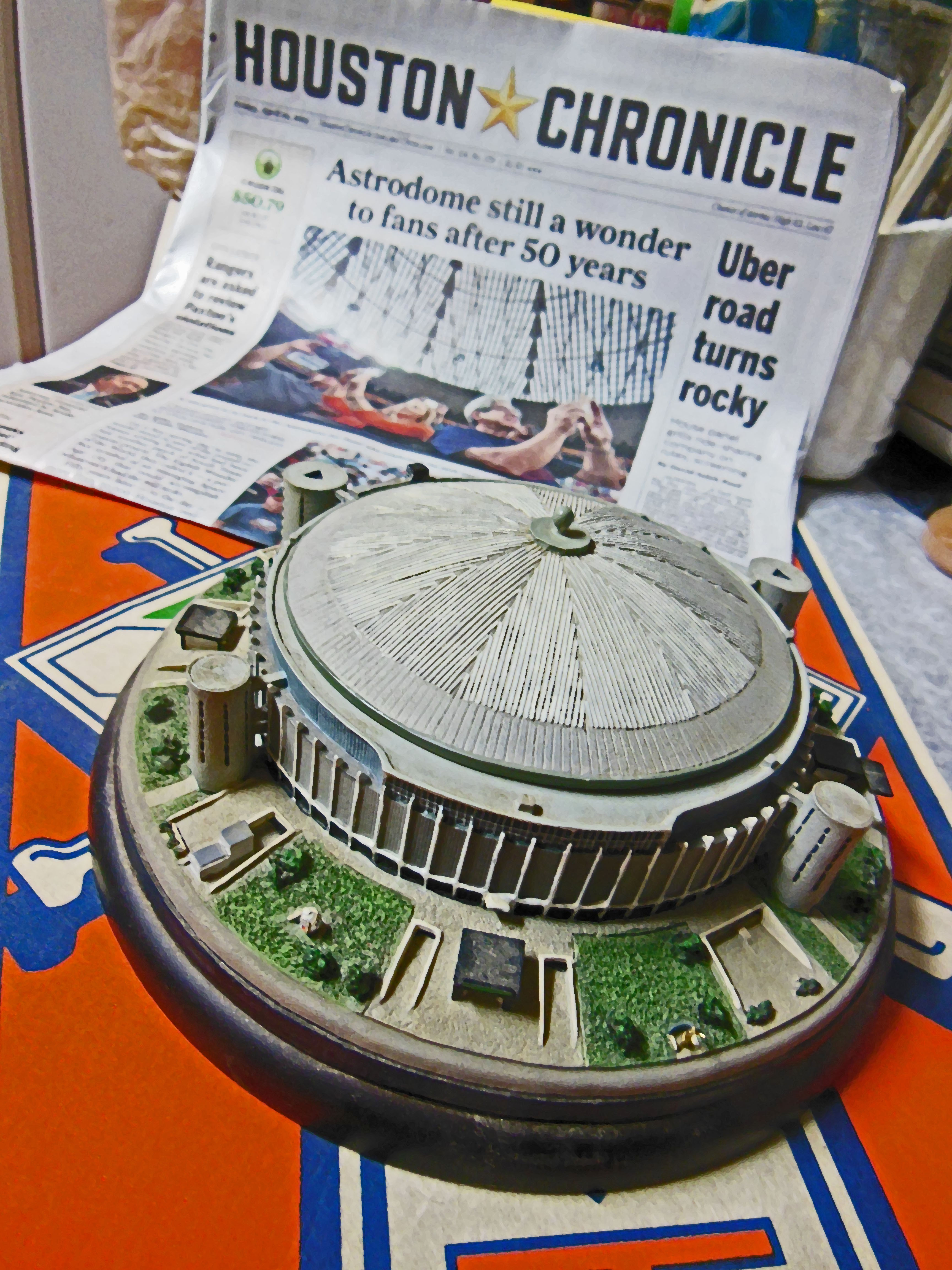
April 10, 2015 Our city awoke today to the Houston Chroncle's fine front page story of last night birthday bash for "The Eighth Wonder of the World." Hundreds also took photos of our little mini-me version of the big dome at out SABR table.

April 10, 2015
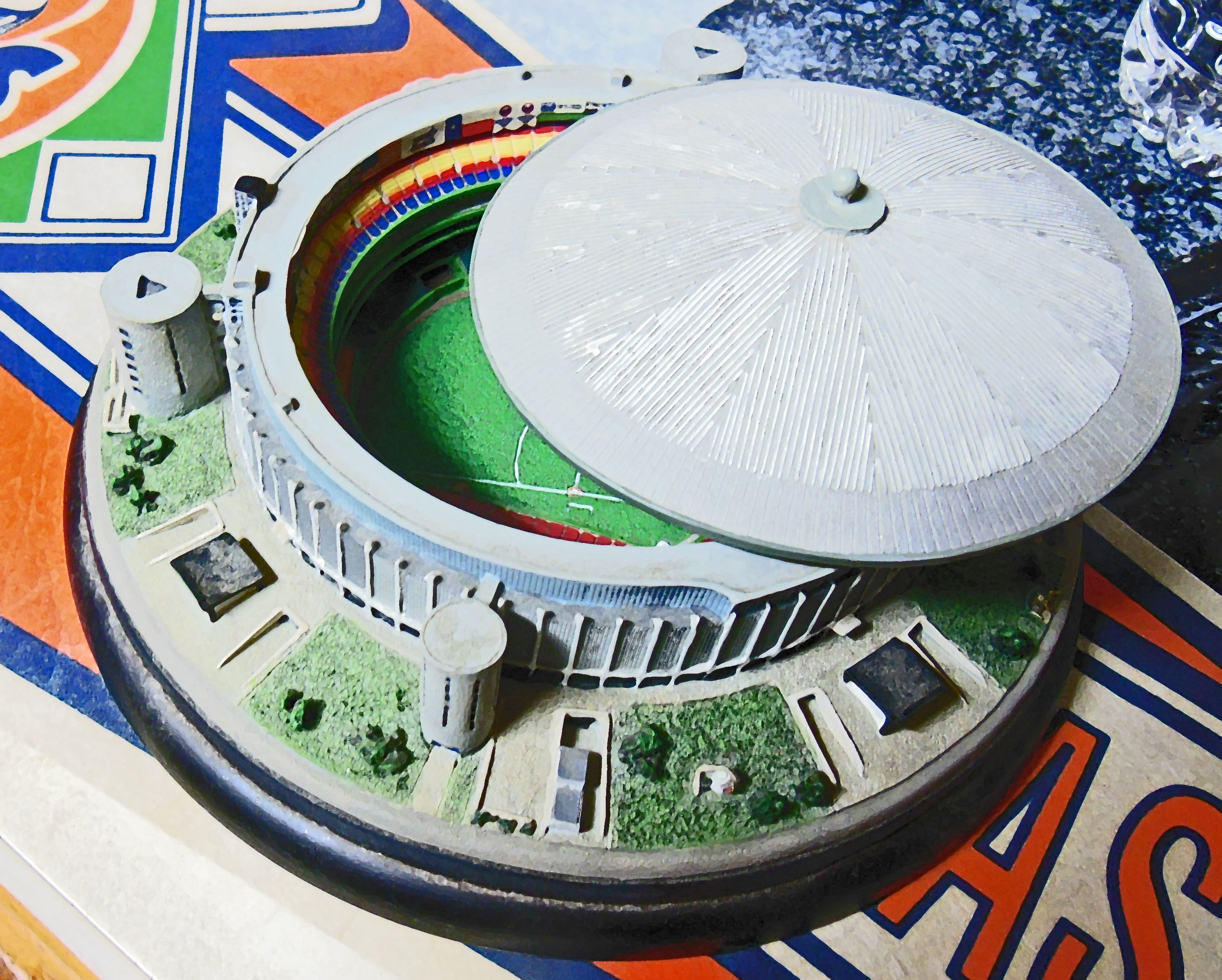
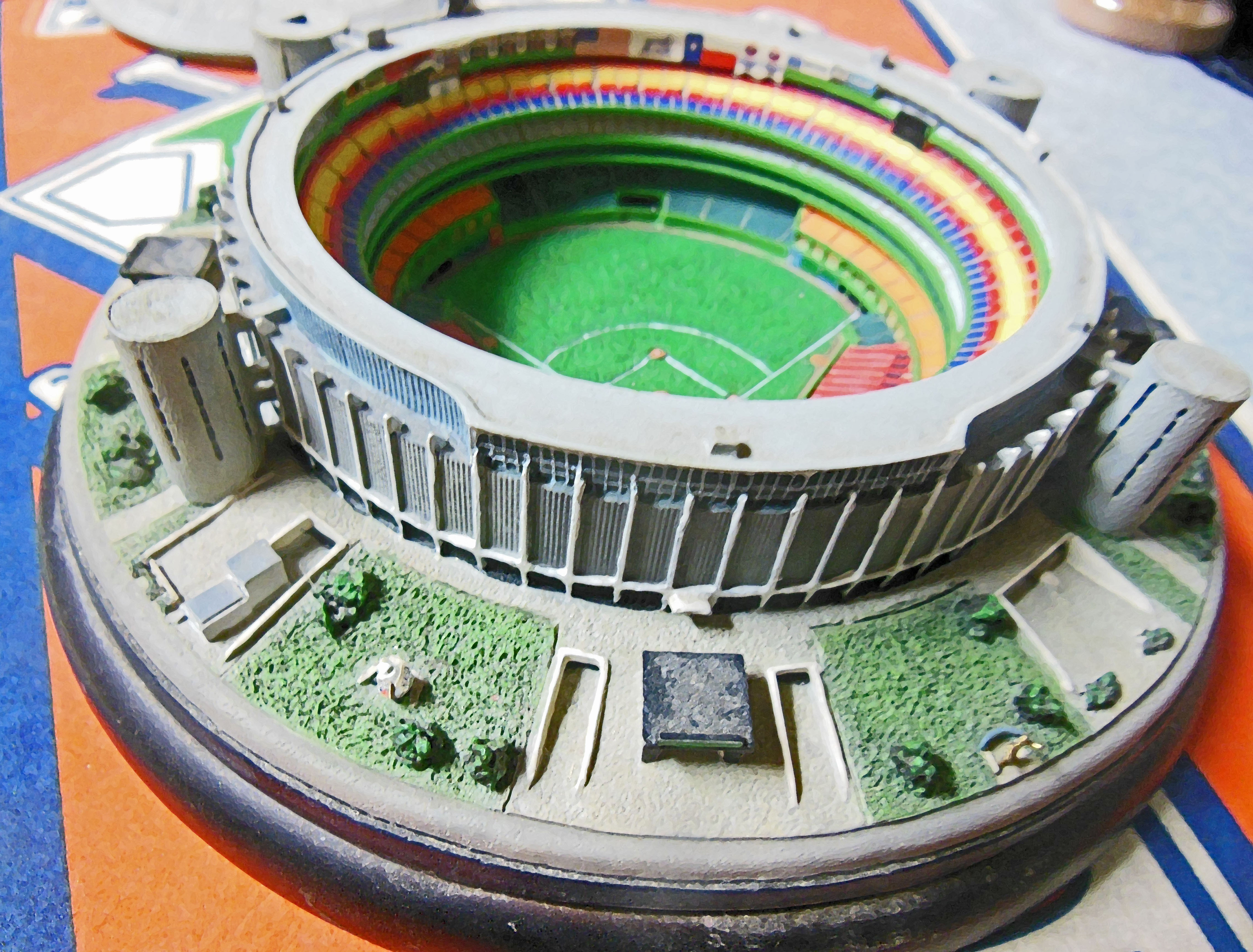
Our city awoke today to the Houston Chroncle’s fine front page story of last night’s birthday bash for “The Eighth Wonder of the World.” Hundreds also took photos of our little mini-me version of the big dome at out SABR table.

The neat thing about the mini-dome - which ordinarily lives in a safe deposit box, is that its top is removable so that some people may see again - or for the frst time - how things looked inside when the Dome was configured for baseball.

The neat thing about the mini-dome – which ordinarily lives in a safe deposit box, is that its top is removable so that some people may see again – or for the first time – how it looked inside when the Dome was configured for baseball.

Voila! Play Ball!! One More Time!!!

Voila!
Play Ball!!
One More Time!!!

It's even possible to get a good shot of the roof from inside the minii-Astrodome too. Of course, you have be either an endoscopic camera or a very, very tiny person to capture the view in this detail!

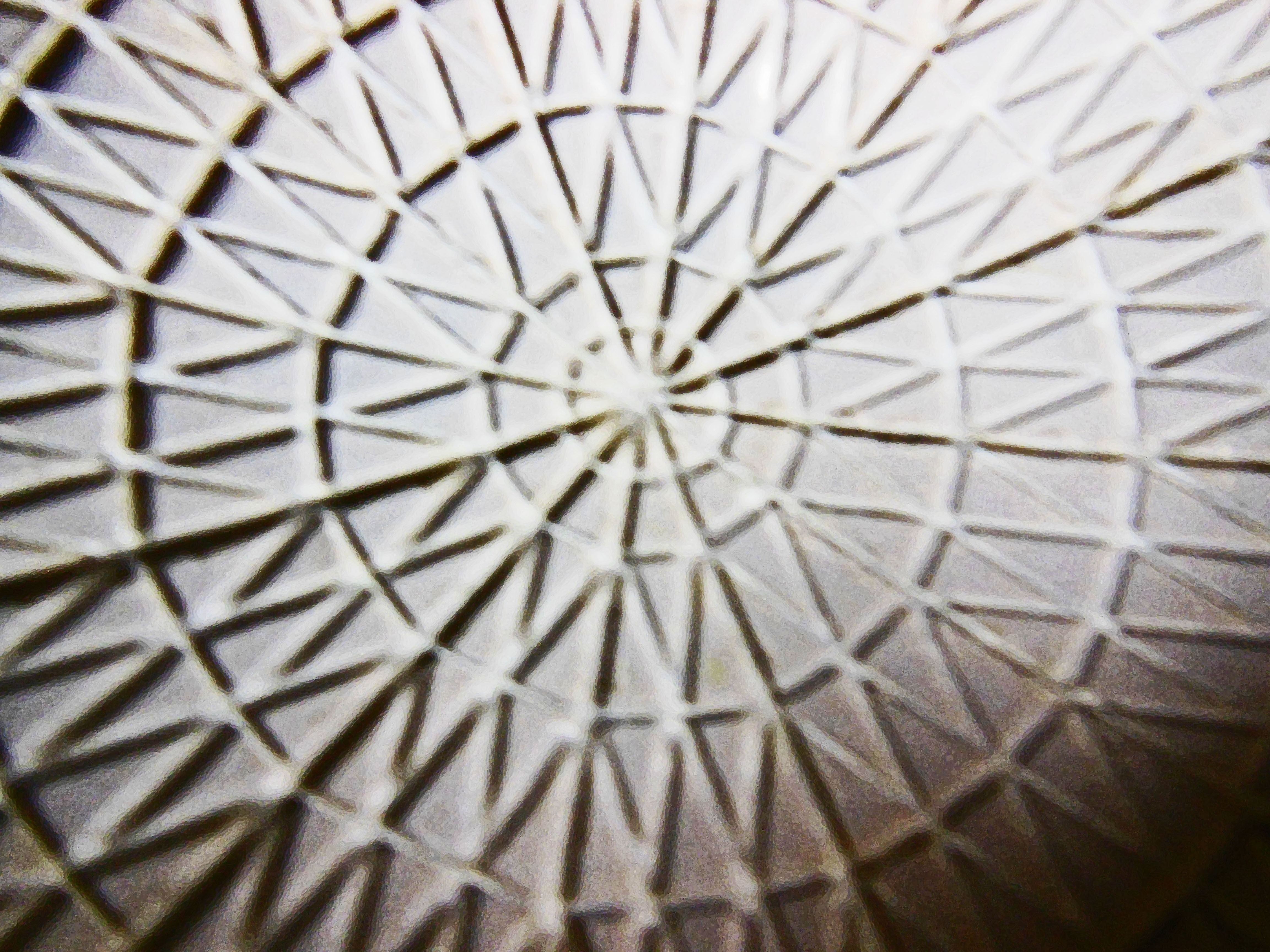
It’s even possible to get a good shot of the roof from inside the mini-Astrodome too. Of course, you have be either an endoscopic camera or a very, very tiny person to capture the view in this detail!

Come on, Houstonians! All kidding aside. It's time for all of us to save the Astrodome for all right reasons and responsibilities to history that are so much more important to our quality of life tna the immediate financial plans of a few wealthy individuals and corporations who only value the rest of us as a transitory market for their own personal gain. Weneed the help of those weathy individuals nd corporations who care about the measure of life in "our town" on a deeper level.

Come on, Houstonians! All kidding aside. It’s time for all of us to save the Astrodome for all the right reasons and responsibilities to history that are so much more important to our quality of life than the immediate financial plans of a few wealthy individuals and corporations who only value the rest of us as a transitory market for their own personal gain. We do need the help of those wealthy individuals and corporations who do care deeply about the measure of life in “our town” on a deeper level. – You know who you are! – Save the Dome! – She belongs to the ages!

Astrodome 50th Anniversary Party Tonight

April 9, 2015
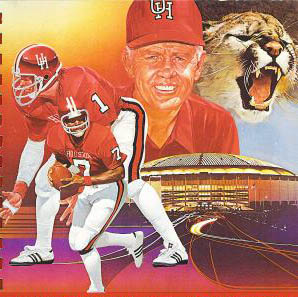
THE ASTRODOME WAS  HOME TO UH COUGARS FOOTBALL FROM 1965 THROUGH 1996.

THE ASTRODOME WAS HOME TO UH COUGARS FOOTBALL FROM 1965 THROUGH 1996.

Here’s one link from Harris County Judge Ed Emmett’s office on the plans for tonight’s Astrodome 50th Anniversary Party this Thursday, April 9, 2015. Cars should enter from the Kirby at McNee entrance for free parking in Red Lot 4 – and don’t forget to bring your own folding chairs for the outside event that will include free tours inside the Astrodome.

http://www.judgeemmett.org/news_release.asp?p=7&intRelease_ID=8005&intAcc_ID=66

Let’s all try to keep in mind that the long-term goal here is building support for preserving Houston’s iconic symbol to the world – and to doing it in a way that gives genuine long-term value to a “re-purposed Astrodome”. Lest we forget, the original attraction of crowds to the Astrodome in 1965 was its futuristic bells and whistles  personification as the place where even baseball could be protected from the weather and played as scheduled.

Over time, however, as “the novelty and newness wore off,” it was the substance of baseball, football, groundbreaking basketball, the rodeo, and appearances by Elvis Presley, the Rolling Stones, Muhammad Ali, Billie Jean King, Bobby Riggs, and the Republican Party that made its place in history the deeper substance of our memories.

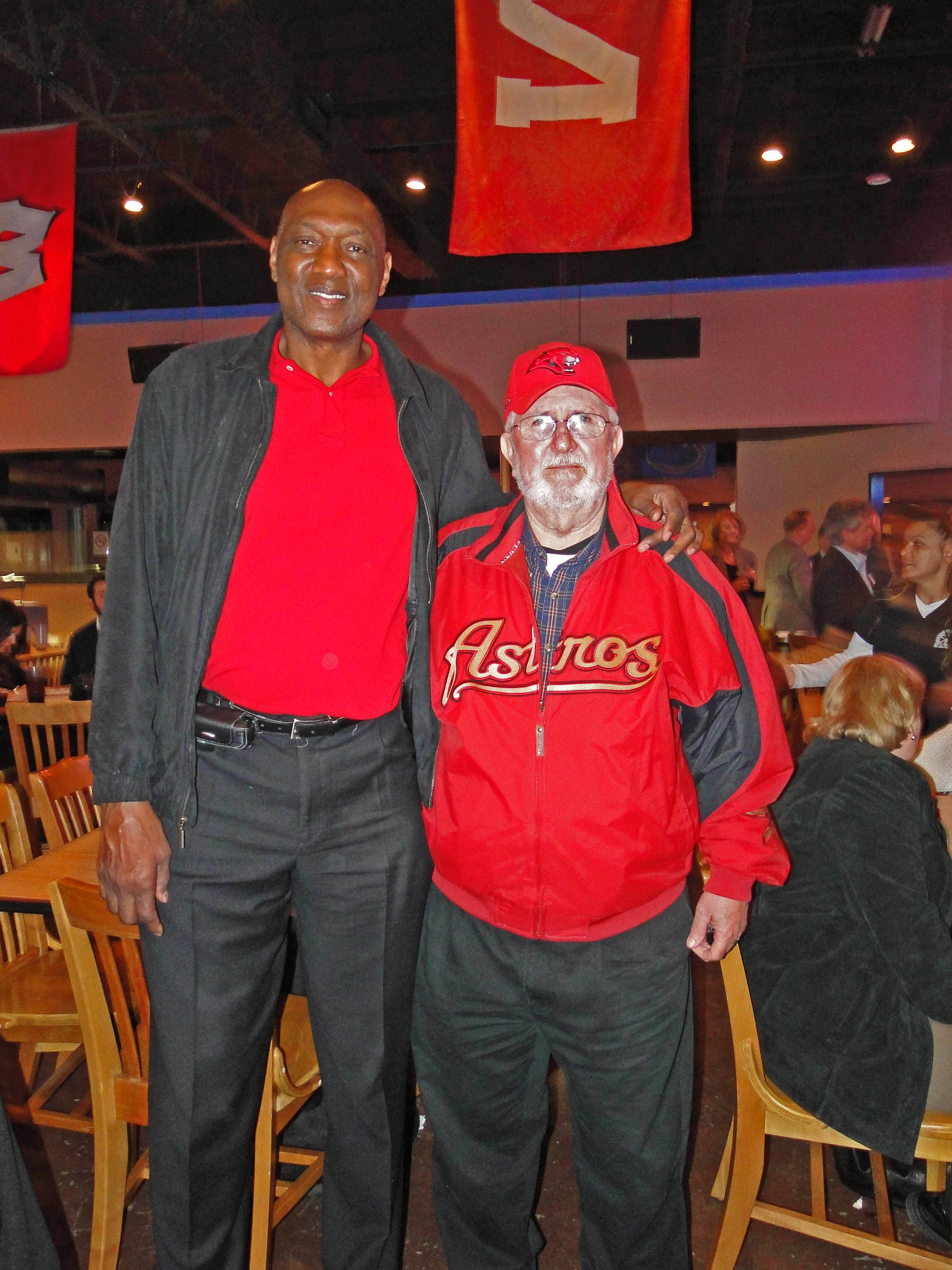
ELVIN HAYES AND UH-EX BILL McCURDY IN RECENT TIMES. ON JANUARY 20, 1968, "THE BIG E" LED UH TO A 71-69 WIN OVER UCLA AT THE ASTRODOME THAT CHANGED THE BIG STAGE COURSE OF COLLEGE BASKETBALL.

ELVIN HAYES AND UH-EX BILL McCURDY IN RECENT TIMES. ON JANUARY 20, 1968, “THE BIG E” LED UH TO A 71-69 WIN OVER # 1 UCLA BEFORE 50,000 FANS AT THE ASTRODOME THAT CHANGED THE BIG STAGE COURSE OF COLLEGE BASKETBALL FOREVER.

The idea of the indoor park is fine for openers, we think, but let’s try to keep in mind that we are not simply looking for the cheapest way to build an in-door version of downtown’s “Discovery Green” – as one that will fade like the bloom of the rose once the novelty again wears thin. We, hopefully, are looking for a place that will continue to educate people on the history of Houston during the Dome’s first incarnation – and also a place that will grow as a resource/educational/entertainment venue as a particular service to researchers, community planners, and school children on the heart of history that has pumped all the present life into our fourth largest city in the nation.

Museums on everything from the individual sports to the ship channel to the petrochemical industry to the rodeo to whatever could blend together into a presentation that is beyond anything else operating anywhere else – until now – and supported by commercial enterprises offering food at all levels, collectibles, and top level public entertainment.

And, after all,  wasn’t that exactly what the original Astrodome did?

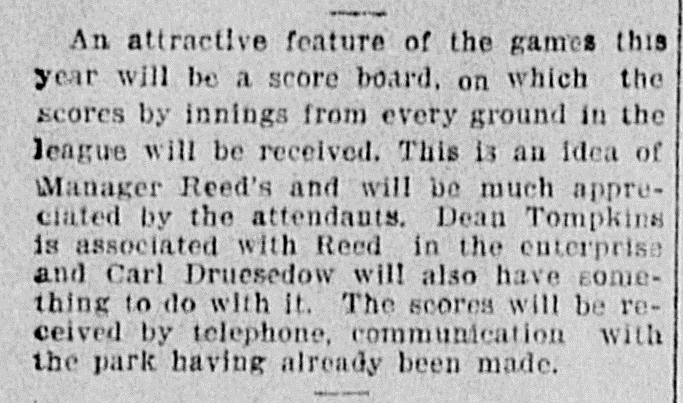
1898: Houston Gets Real Time Scorebaord

April 8, 2015
Houston Daily Post, April 9, 1898 Contributed by Darrell Pittman

Houston Daily Post, April 9, 1898
Contributed by Darrell Pittman

Thanks to the rapid spread of telephone communication between almost all places during the 1890s, `Manager George Reed of the Houston Buffaloes, with the help of Dean Tompkins and Carl Druesdow, have been able to get Houston to move to the cutting edge of the modern technology by having a live, real-time scoreboard installed at the Travis Street Park at Travis and McGowan.

Now Houston fans shall be able to enhance their enjoyment at Houston’s home games by simultaneously keeping up with the progress of their nearest rivals in league game action played elsewhere. As the article states, live telephone connection to the other parks will now make it possible for Houston fans to find out about runs scored elsewhere in a matter of the seconds or minutes needed to receive and post new developments as they occur.

What will they think of next? Winged vehicles that transport whole teams of Buffaloes to faraway places from Houston for the sake of playing a game tomorrow against a club in Los Angeles? That would be pretty amazing, but an even more amazing development than our now new-found power to telephone people in the colder climates up north to complain about the heat in Houston would be – the appearance of some bright inventor who came along with some kind of device that could actually make our home temperatures cooler. – Maybe a super fan, blowing over a continuous new supply of ice would help condition our Houston air to a more pleasant temperature. And, if that were to work, perhaps some wonderful wizard will someday float into Houston on a hot air balloon and talk us into building an air-conditioned, covered base ball park.

Forget the simple scoreboard, friends. That last invention of a comfortable indoor ball park, indeed, will most truly qualify for the descriptor given it by its promoter, the “Wizard of Awes”!

Indeed, when it happens, it shall surely be Houston’s iconic statement as – “The Eighth Wonder of the World!”

Wake up! – We are not dreaming! – We are humbly clairvoyant! – If you are reading this conjectural statement in a musty old digital file in a future parallel universe version of Houston, and you happen to be living close by on Thursday, April 9, 2015, make sure that you come out to the 50th Anniversary Celebration of the first indoor major league exhibition base ball game at a place called “The Astrodome” – from 6 to 8 PM that evening.

We shall be there with you in spirit – and in our new generational presence.

The Pecan Park Eagle, April 9, 1898.