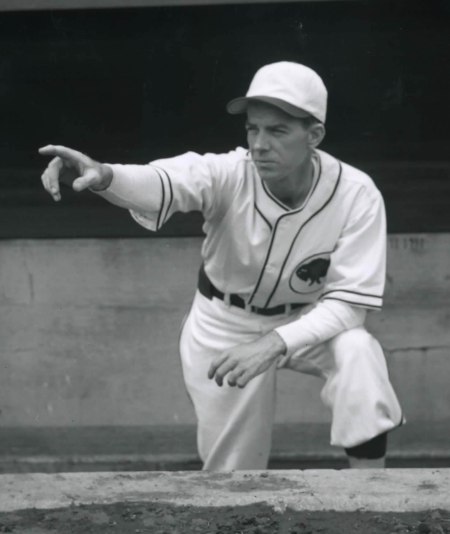
Worst MLB Teams, All Time

November 2, 2012

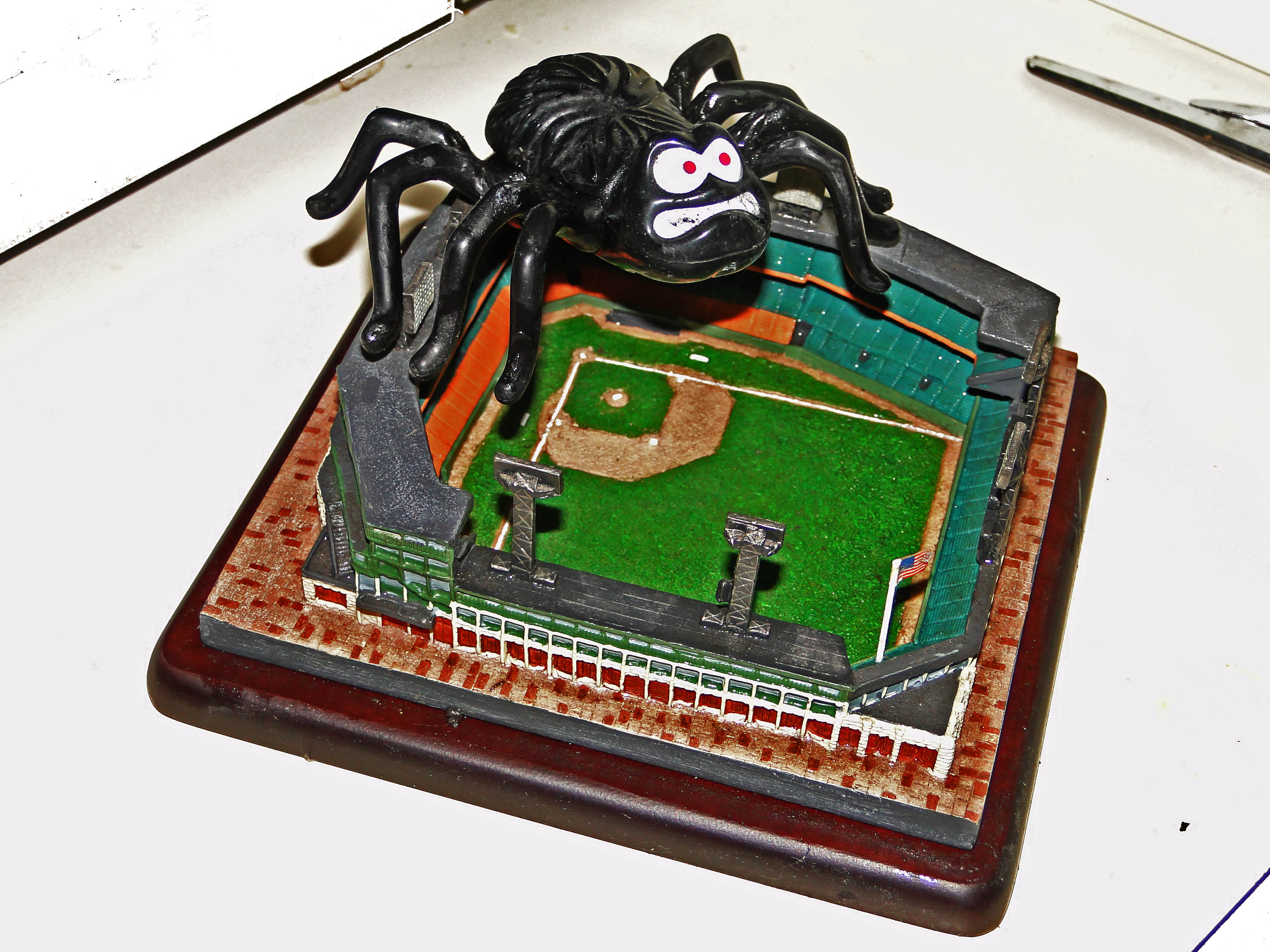
Worst MLB Team Ever ~ The 1899 Cleveland Spiders

Worst MLB Teams by Record of All Time …

Highlighting our count with the infamous 1899 Cleveland Spiders, and based only upon MLB clubs from 1890 forward, here are the 24 worst MLB teams of all time by season record, according to the following chart from Wikipedia. If you are able to hiccup the names of cities like St. Louis, Philadelphia, Boston, and Washington, it won’t take you long to figure out where most of them plied their weary, failing ways.

The fact that only the two best of these worst mentioned clubs had a winning percentage as high as an even .300 speaks volumes for the futility that each of the clubs on the list reaped upon the fan bases that were asked to support them as ticket buyers.

Those of you who may have studied some or all of these particular clubs and how their franchises generally took care of business will recognize many, if not all, who survived only by selling their occasional worthy players to the richer “frequent winner” teams like the New York Yankees.

Our Houston Astros now have a twice-punched ticket for their rides through “100 plus” loss-land in 2011 and 2012, but we fans are hoping that it was only the result of a disconnection somewhere that has now been put to bed.

We’re bound to see the Astros improve next season. After all, 2013 finds the Astros moving to the American League West to compete with wimps like Texas, Oakland, Los Angeles at Anaheim, and Seattle. We ought to be up to scaring the pee out of the AL too. Don’t forget. The club will be wearing brand new uniforms in 2013.

What do the 24 clubs on the list have in common beyond their shared propensity for uber-level losing? My guess is it’s that they all wore their team uniform socks fully exposed to the knees as any good baseball student knows you’re supposed to wear them.

Have fun with your own speculations.

Season Franchise League Wins Losses Pct. GB
1899 Cleveland Spiders National 20 134 .130 84
1890 Pittsburgh Pirates National 23 113 .169 66½
1916 Philadelphia Athletics American 36 117 .235 54½
1935 Boston Braves National 38 115 .248 61½
1962 New York Mets National 40 120 .250 60½
1904 Washington Senators American 38 113 .252 55½
1919 Philadelphia Athletics American 36 104 .257 52
1898 St. Louis Browns National 39 111 .260 63½
2003 Detroit Tigers American 43 119 .265 47
1952 Pittsburgh Pirates National 42 112 .273 54½
1909 Washington Senators American 42 110 .276 56
1942 Philadelphia Phillies National 42 109 .278 62½
1932 Boston Red Sox American 43 111 .279 64
1941 Philadelphia Phillies National 43 111 .279 57
1928 Philadelphia Phillies National 43 109 .283 51
1915 Philadelphia Athletics American 43 109 .283 58½
1911 Boston Rustlers National 44 107 .291 54
1909 Boston Doves National 45 108 .294 65½
1911 St. Louis Browns American 45 107 .296 56½
1939 Philadelphia Phillies National 45 106 .298 50½
1937 St. Louis Browns American 46 108 .299 56
1945 Philadelphia Phillies National 46 108 .299 52
1938 Philadelphia Phillies National 45 105 .300 43
1926 Boston Red Sox American 46 107 .300 44½

An MMP Signage Pictorial

November 1, 2012

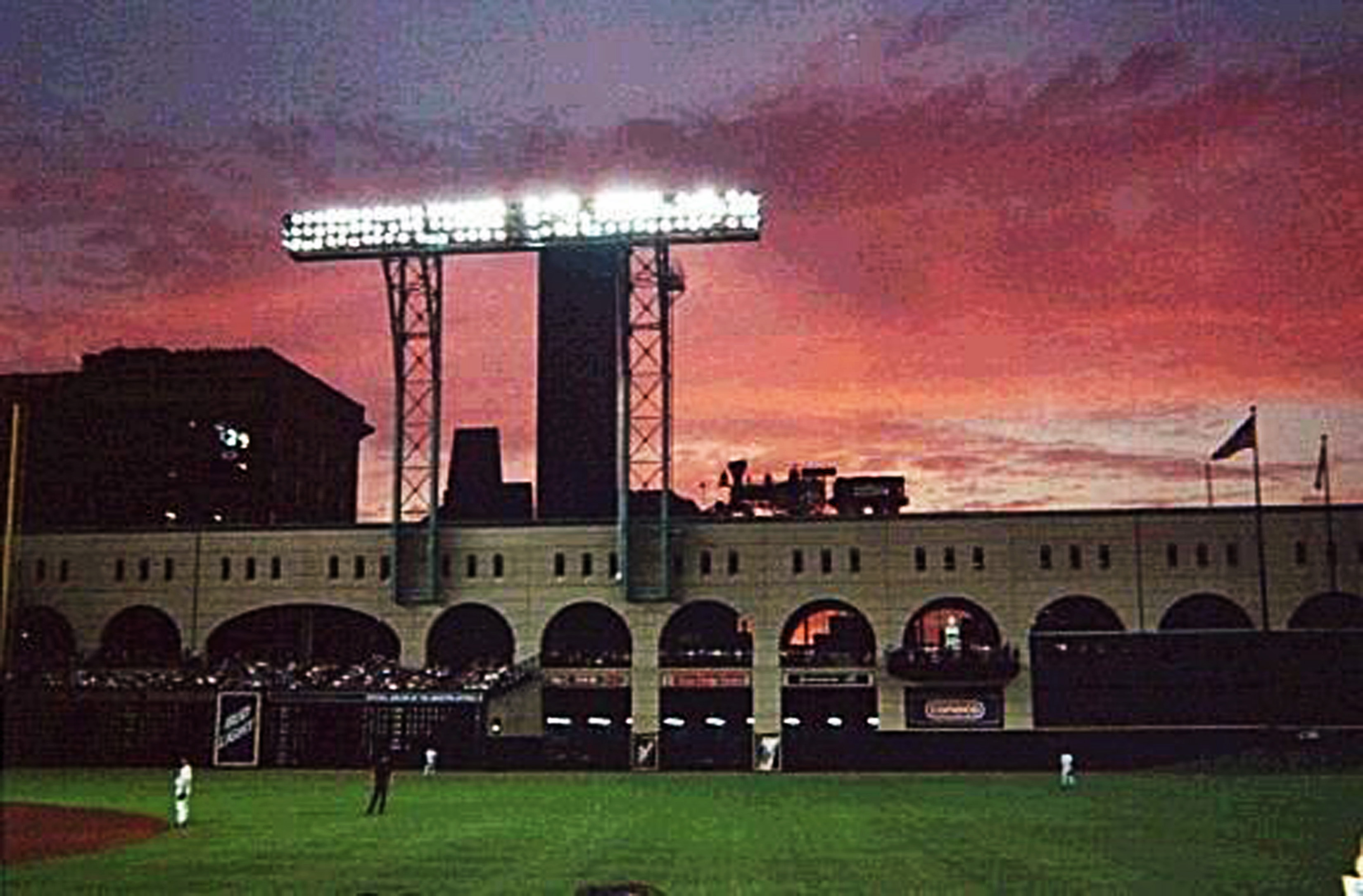
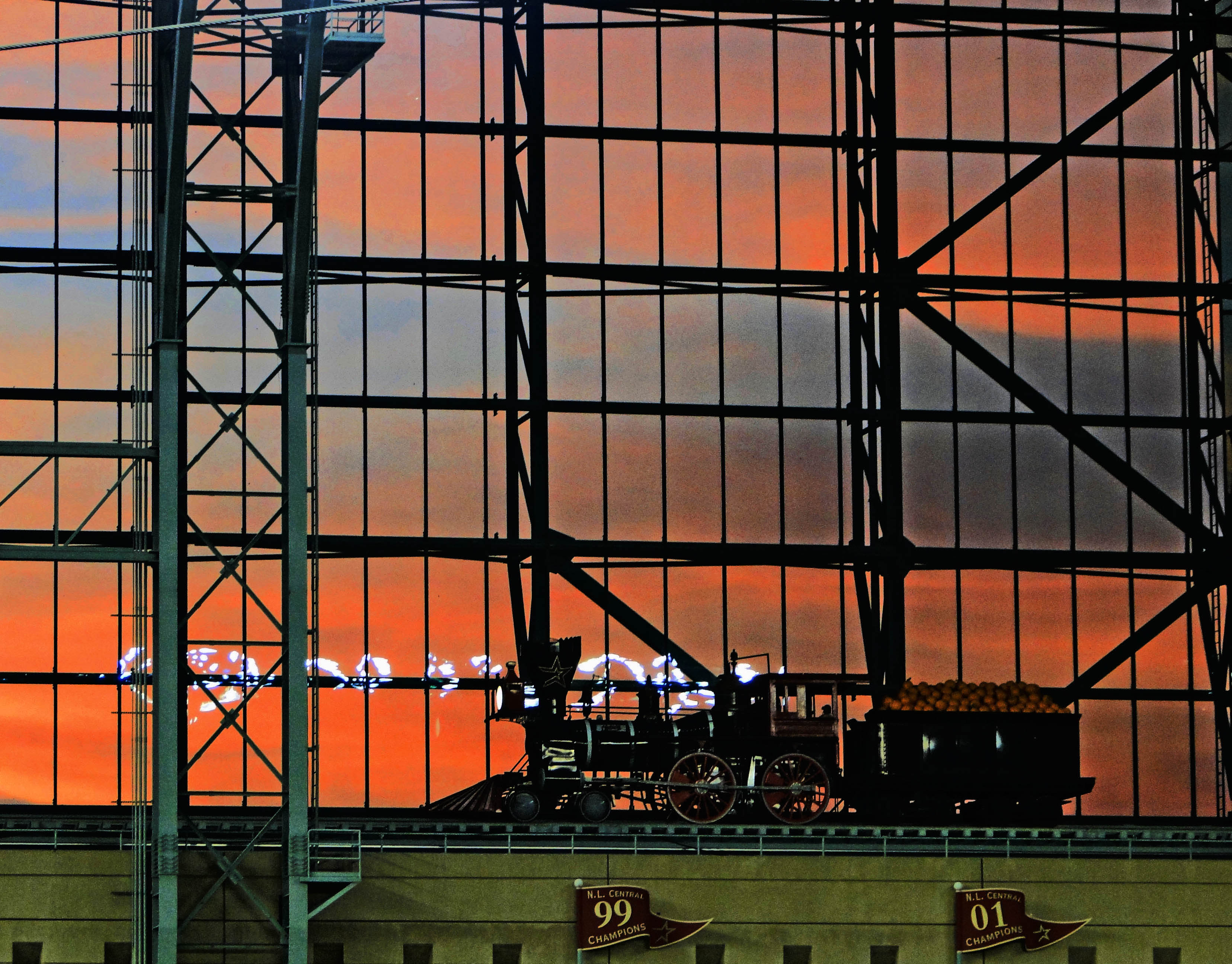
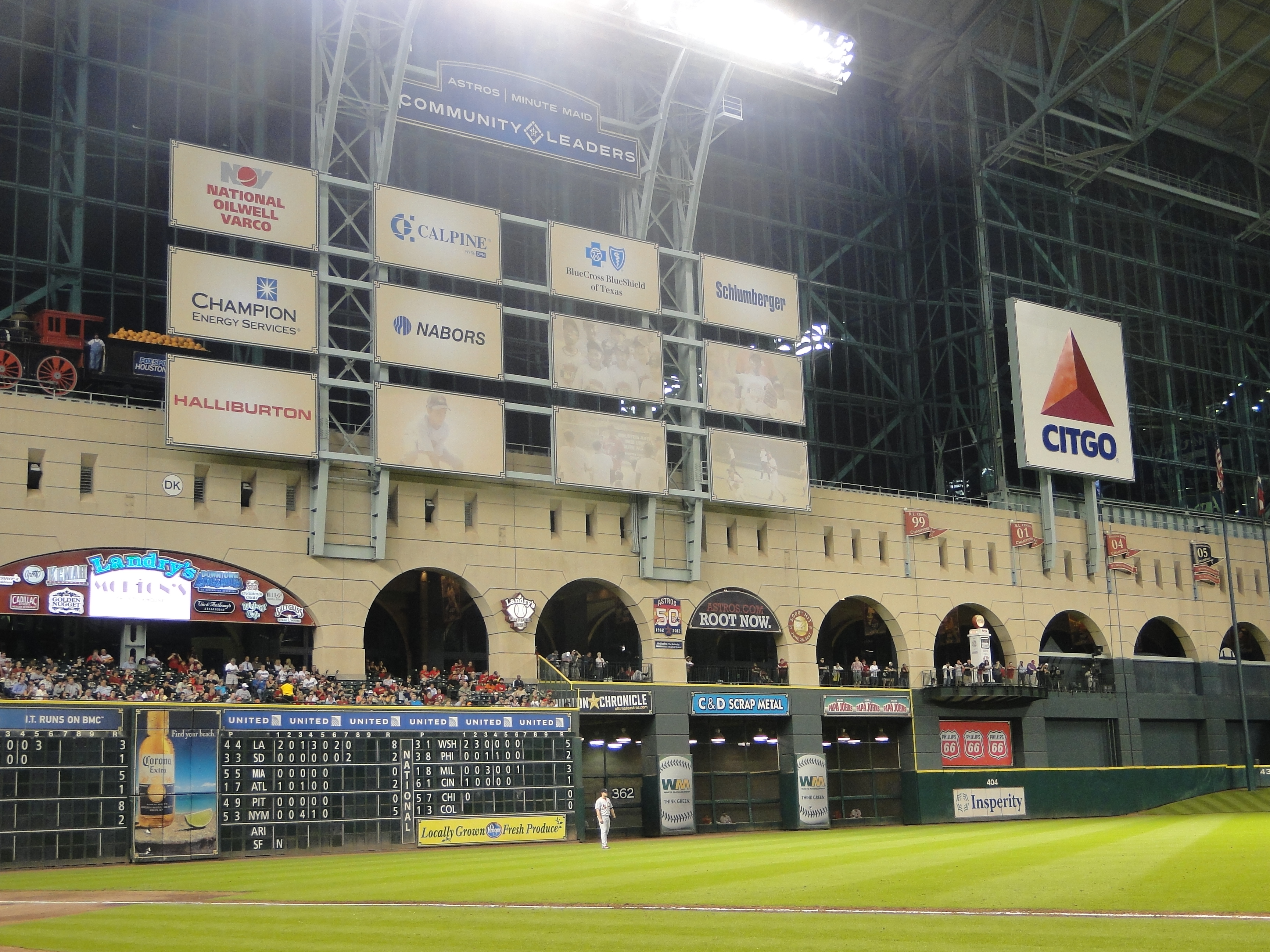
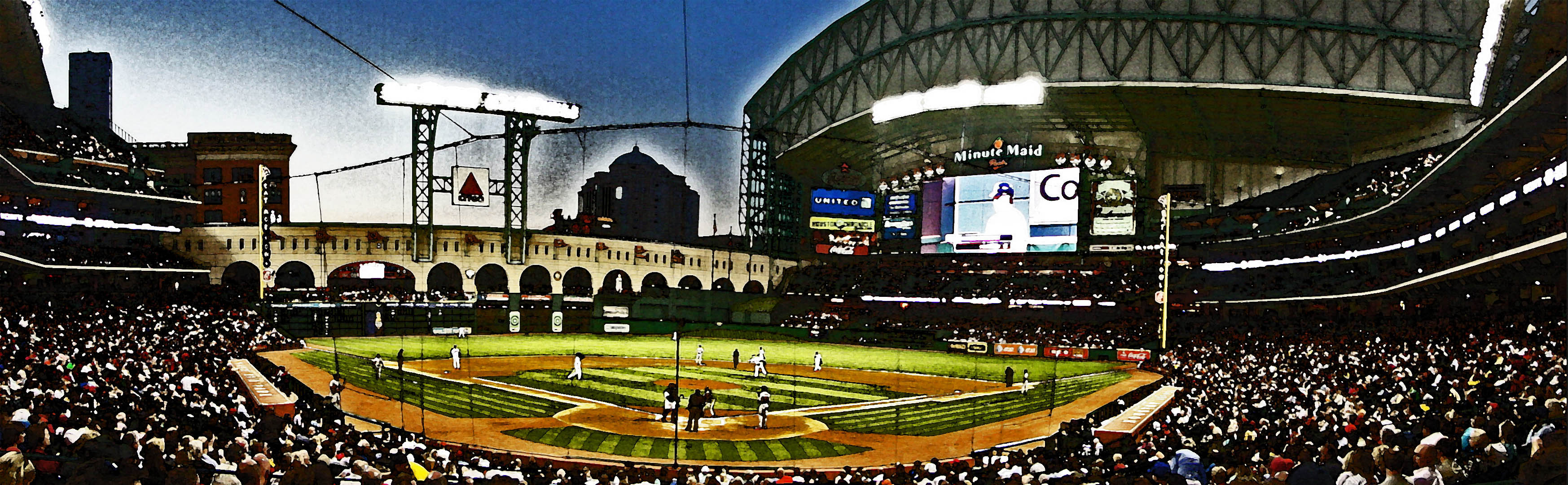
Here are some pictorials of the left field wall at Minute Maid Park without the currently misplaced charitable donors recognition signs …


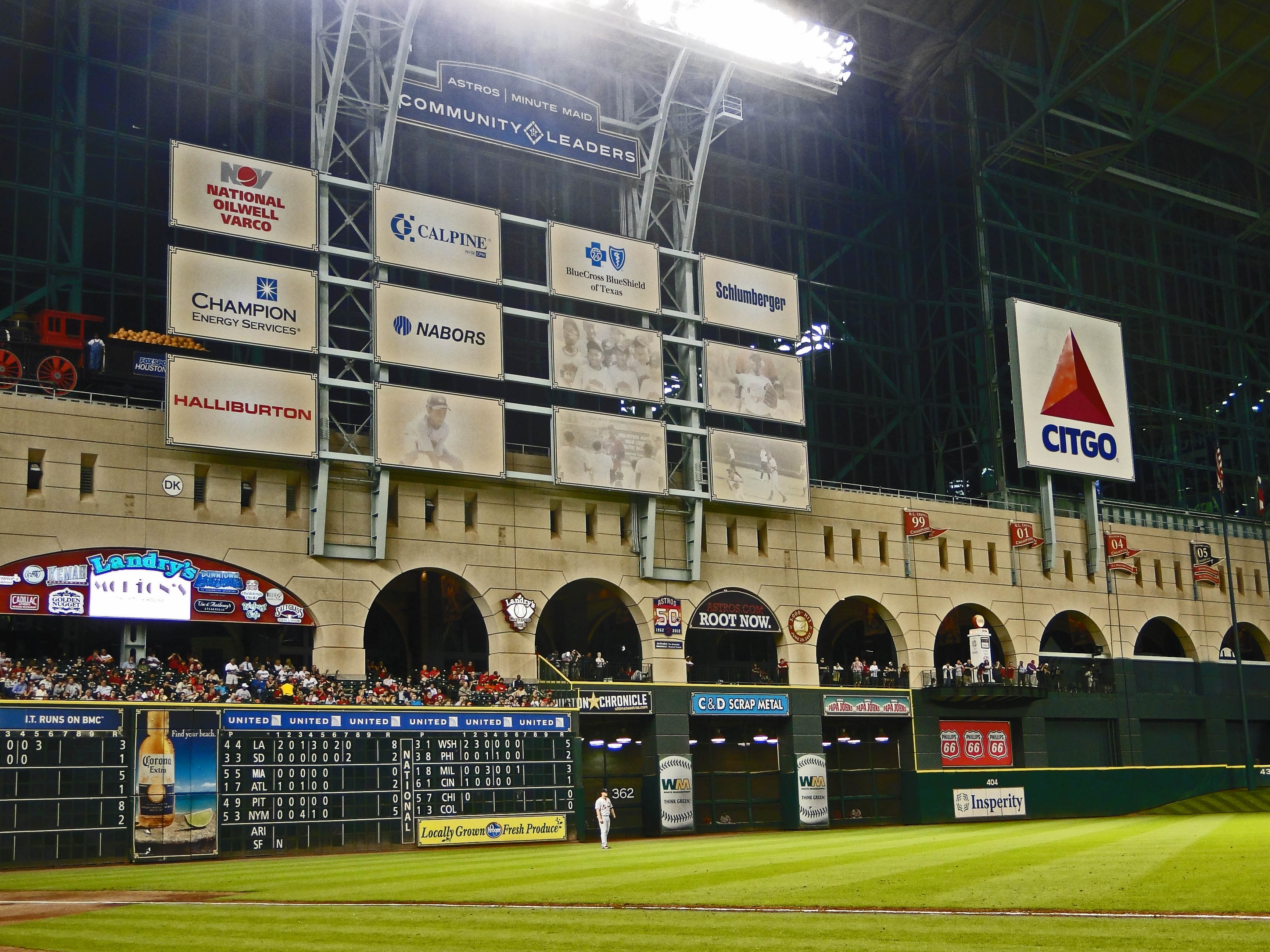
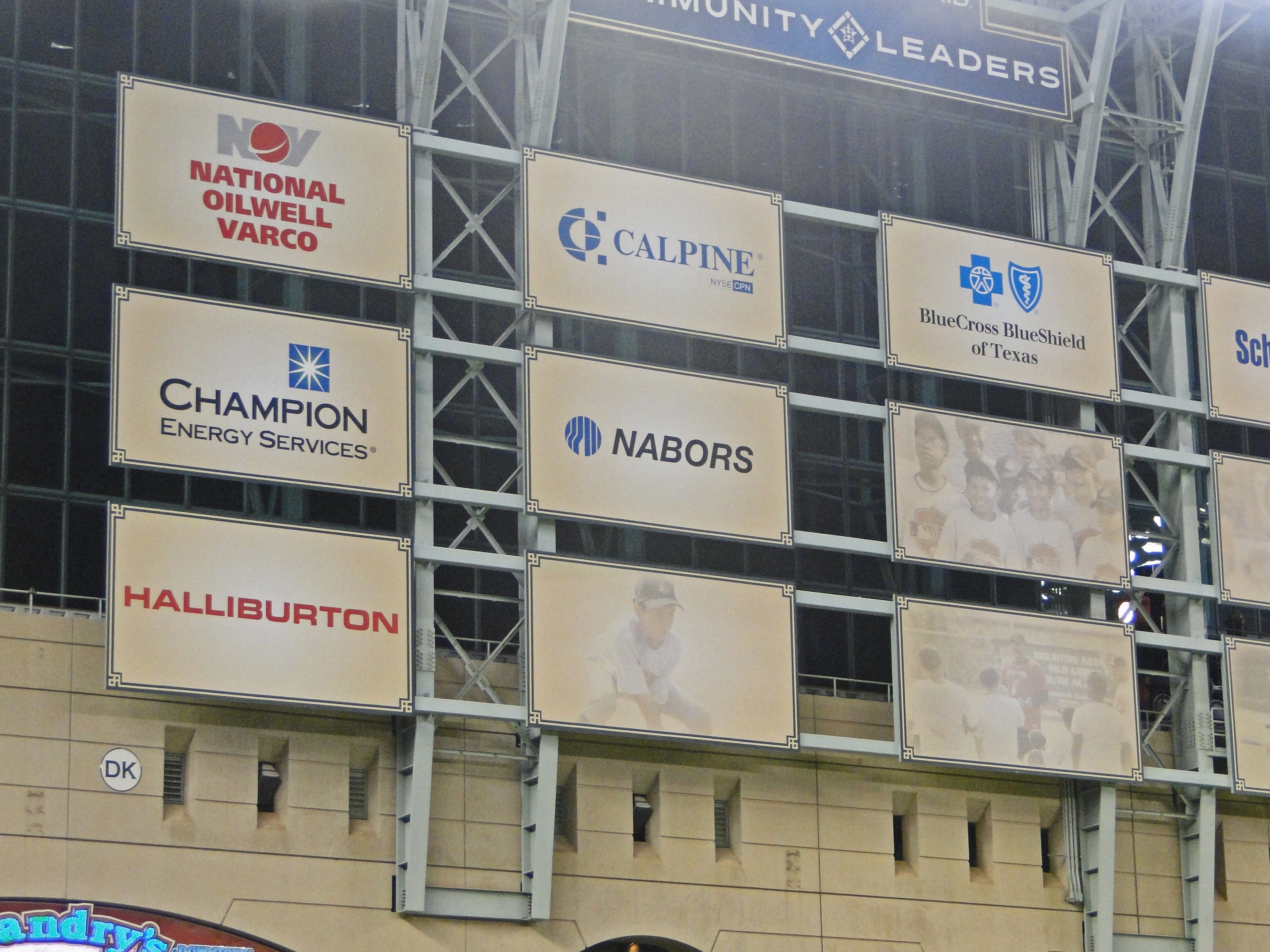
And here are some pictorials of the left field wall at Minute Maid Park with the charitable donors recognition signs breaking the building’s architectural lines and looming down as an obstructive view west to downtown …

For further information on why these differences may be important to you as both a taxpaying owner of the venue and as a Houston Astros baseball fan, please click this link and and go to yesterday’s column in The Pecan Park Eagle

https://thepecanparkeagle.wordpress.com/2012/10/31/time-to-write-the-mmp-signage-sponsors/

Time To Write the MMP Signage Sponsors!

October 31, 2012

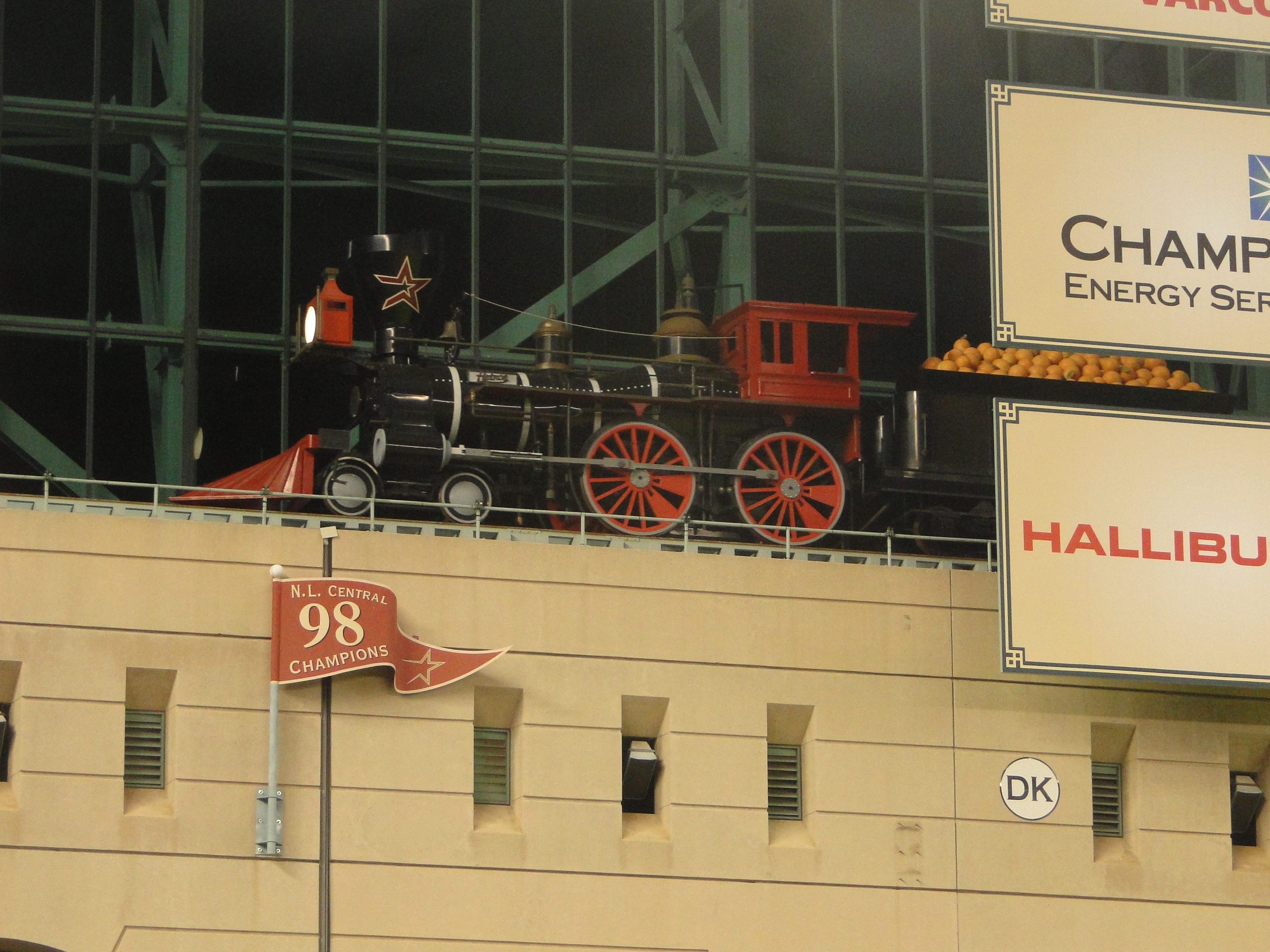
The beautiful signs that now tower above the Crawford Boxes at Minute Maid Park are club owner Jim Crane’s way of saying thanks to the corporate sponsors who have poured twenty million dollars into his inner city ballpark rebuilding program. Our question is not over the need to express gratitude. Our first two questions are: (1) Is ruining the architectural design of MMP and the view of downtown and the train the best way to do it? And (2) Would the CEOs of each sponsoring group want their company’s name up there, if they understood how many fans feel so negative about them?

Look! Think what you will of him. Jim Crane is doing a good thing with the inner city baseball field building program. If memory serves, however, the program didn’t simply start with Mr. Crane. It’s been going on for years under the McLane ownership in conjunction with Minute Maid. It simply hasn’t garnered the quantum leap financial support that Mr. Crane has been able to put together in a relatively short period.

Crane deserves the kudos. And so do the sponsors. But not at the expense of abandoning the architectural beauty and integrity of OUR Houston baseball home field that is Minute Maid Park. The signage in left field has obliterated the sense of openness to downtown that our movable roof was designed to bring the fans. It has also stepped upon our view of the old train as though it were a stick of gum on the sidewalk.

Sometimes it seems we may never be able to keep anything alive in Houston that bears the seed of real tradition, the kind that other cities produce, value, and preserve as part of their natural realm. Our movers and shakers often come here to make their own mark, regardless of what has come before them. They are often dismissive and prepared to fire or destroy anyone or anything they didn’t hire or build first with their own hands.

It’s how ancient historic buildings often become parking lots in Houston. It’s also how old ballparks that have been finely chiseled around a historic railroad depot can become a parking lot too. All one has to do is alienate large numbers in the fan base.

That being said, let me be clear: I don’t wish anything but the best for the success of Jim Crane and the Astros. If he does well, the people of Houston will reap the benefits. And that wish goes straight to the hope that we shall one day see a smiling panorama of Crane, Postolos, Luhnow, and Porter – all raising the World Series trophy above their heads in the middle of a confetti snowfall on the floor of Minute Maid Park.

I’m just saying – please, Mr. Crane and noble sponsors – take down that hanging ugly signage wall. Place it elsewhere in the park – in a place that doesn’t violate the beauty and tradition of how this place was designed to work. The concourse walls might seem a more humble abode for this due recognition, but what’s wrong with that idea? You even have the time and space in the concourse to explain why the sign is there, while you also start to do special things that draw game fans to that area. – If it’s my company, I want its name spelled out in the right light. I don’t want it hanging in space with its name only communicating to fans that “my company is the reason you no longer can see the downtown sky.”

I don’t work for Jim Crane so I am free to tell him what I really think. I hope he realizes that Houston has a much longer history with baseball than most people imagine, going all the way back to pre-Civil War days. Now all we want is a club that can win without dumping tradition every five years – and a club owner who sees us as his “partners” in success – and not just a market mass to be dealt with as a faceless entity.

For everybody else, I did a little homework from a photo I took of the signs late in the season. Here are the names of all CEOs and their corporate addresses.

Give some thought to writing an old-fashioned snail-mail letter to each, expressing whatever you think or feel about their generosities and/or the placement of those signs at Minute Maid Park.

If you do so, feel free to post a copy of your message below as a comment on this column.

Here’s the list.

Merrill A. Miller Jr., CEO

National Oilwell Varco

7909 Parkwood Circle Dr.

Houston, TX 77036

Phone: 713 375 3700

Phone: 1 888 262 8645


Scott Fordham

President & CEO

Champion Energy Services

1500 Rankin Road, Suite 200

Houston, Texas 77073

Phone: 1.877.653.5090


David J. Lesar

Halliburton, CEO

3000 N. Sam Houston Pkwy E.

Houston, TX 77032

Phone: 281 871 4000


Jack A. Fusco

President and Chief Executive Officer

CALPINE

717 Texas Avenue, 
Suite 1000

Houston, TX 77002

Phone: 713.830.2000


Anthony G Petrello

Nabors Industries, CEO

515 W. Greens Road, Suite 1200

Houston, Texas 77067

Phone: (281) 874-0035

Fax: (281) 872-5205


Darren Rodgers, President


Blue Cross and Blue Shield of Texas

1001 E. Lookout Drive

Richardson, TX 75082

Phone: 1-800-833-5318


Paal Kibsgaard

Schlumberger, CEO

Schlumberger Corporate Office

5599 San Felipe, 17th Floor

Houston, TX 77056

Phone: 713-513-2000


That being said, GO ASTROS! GO HOUSTON!

Bill and Bill: World Series 2012 Observations

October 30, 2012

Bill Gilbert offered up another of his masterful summaries to the PPE yesterday. This one comes in the form of the title Bill gave it: “World Series 2012 Observations.” I’ll kick in a few of my own reflections at the end, but please feel free to add your World Series comments too in the section provided below.

World Series 2012 Observations by Bill Gilbert, Rogers Hornsby Chapter, SABR, Austin

With the success that Marco Scutaro has had with his short stroke, will other hitters follow suit? Not likely. Chicks still dig the long ball.

If Lasagna is nature’s perfect food (according to Garfield) then Matt Cain is nature’s perfect pitcher. Durable, no wasted motion, works quickly and commands his pitches.

For the third straight year, no Eastern Division team was in the World Series.

Are razors not allowed in Clubhouses?

Has anyone ever had worse looking facial hair than Hunter Pence?

Can Tim McCarver make a point without repeating it 3 or 4 times?

The turning point in the series was when Verlander got hammered in Game 1.

Were Miguel Cabrera and Avasail Garcia separated at birth?

Bruce Bochy must be a great manager if he can win with Ryan Theriot as designated hitter.

Why does the National League keep winning the World Series (3 straight years) but gets killed in Inter-League play?

This was a textbook example of winning with pitching and defense.

I agree with Bill Gilbert pretty much down the line …

… Where the length of baseball hits is concerned, “size matters” to Chicks.

… If Matt Cain of the Giants is nature’s perfect pitcher, Jose Valverde of the Tigers is nature’s perfect storm.

… Like a lot of fans, I don’t give a flip that this is the third straight year that we have been forced to watch a World Series that did not include an Eastern team representative.

… Razors should not be allowed in the managerial dressing quarters of the Houston Astros manager for the next 3 to 5 years and only then reviewed for its continuing need as a prohibitive disaster policy.

… Can Tim McCarver make a point without repeating it 3 or 4 times, I say “No. No. No. … And No.”

… Right again, Mr. Gilbert. – This Series was never over until it started.”

… Cabrera and Garcia probably are twins who were separated at birth. My question is: Are we ever going to find a way to separate Bud Selig from baseball in our lifetime? Among his many dumb decisions, I think I hate the “winner of the All Star Game gets home field advantage in the World Series” rule the most.

… You want to know why Bruce Bochy is such a winner? He’s really Rumpelstiltskin – a guy who takes rookies, freaks, rag arms, weird beards, pandas, and marginals – and weaves them together into solid gold winning thread.

… The NL is the money ball league when the games really count in the World Series. During the regular season, the AL gets to feast on clubs like the Astros and Cubs and against the good NL clubs that only play hard when it is all on the line for titles and big paydays.

… That Tiger-clubbing Panda did things with his bat in Game One that made it a lot easier for the Giants to climb the beanstalk on good pitching and tight defense the rest of the way.

… For the second year in a row, a significant former Astro has picked up a World Series Championship ring. Hunter Pence of the 2012 Giants now joins Lance Berkman of the 2011 Cardinals in that rarified company of those who had to leave Houston to gain baseball’s biggest prize.

… As for Bill Gilbert’s question, “Has anyone ever had worse looking facial hair than Hunter Pence?”, I’ll conclude today by answering with a photo:

A THE A … A THE A … A THE A … A THE A … A … THAT’S ALL, FOLKS!!!!

Babies Honor Larry Joe; Split DH with Katy at GR

October 28, 2012

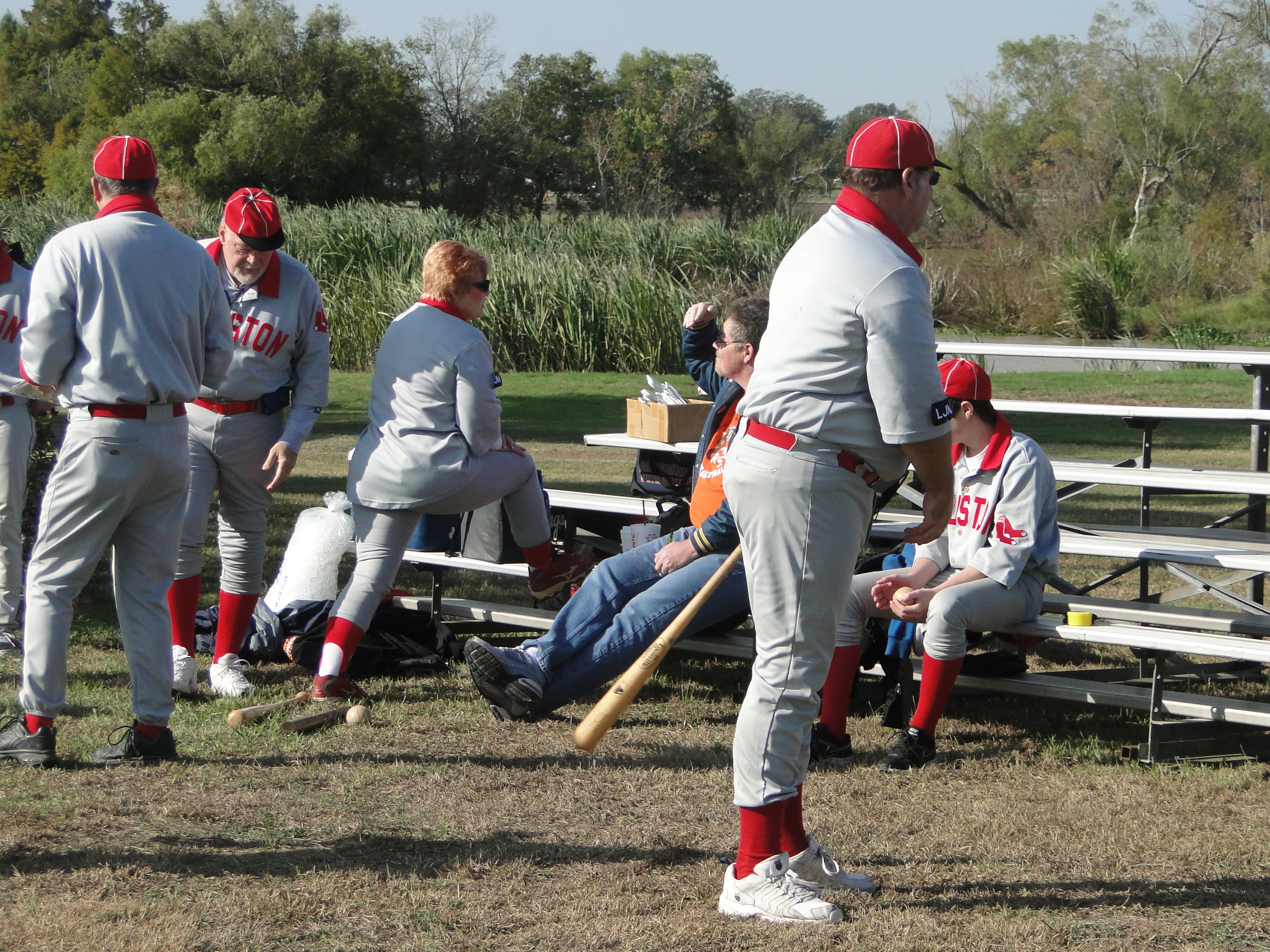
“GR” stands for the George Ranch State Park, south of Sugar Land. Physically, here is how the GR looked to the Houston Babies and the Katy Combine, the two vintage base ball teams that gathered there yesterday under a bright and chilly October Saturday sky to play a doubleheader as part of the Texian Market Days program.

Autumn 2011: Mike McCroskey, Larry Joe Miggins, & Bob Stevens of the Houston Babies smile away on an earlier happy day of vintage ball at the Katy Park field.

Yesterday’s soulful vintage base ball match between two old friendly rivals, the Houston Babies and the Katy Combine, began as a bittersweet mixture of melancholy and joy, with the former first taking its place as our united double team grief over our Babies’ loss of Larry Joe “Long Ball” Miggins to a tragic auto accident on September 14th – and the latter joy finally kicking in and taking over as we played out the day and shared that we had been privileged to even know Larry Joe in the first place.

Until yesterday, Larry Joe Miggins had played first base and some left field in every game of the Houston Babies since their resurrection from 19th century history in

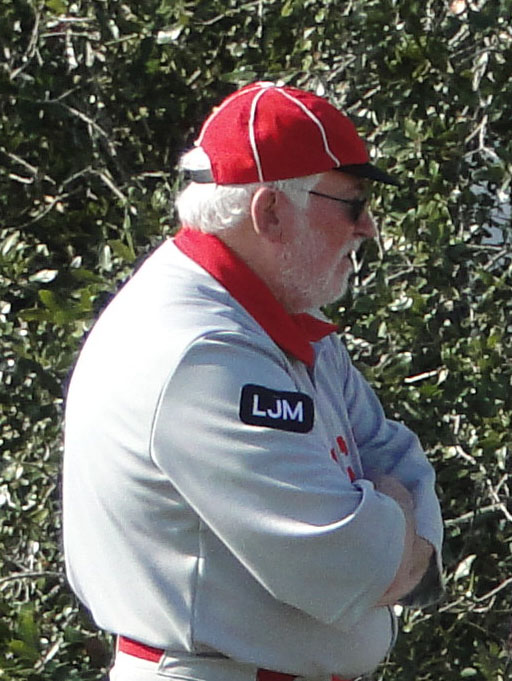
Autumn 2012: Babies teammate Bob Stevens again, this time with the “LJM” initials patch we shall all now wear on the upper right sleeves of our team jerseys in memory of our missing field leader.

2008. Yesterday, the Babies lost their first game without him by an 18-10 count in the 10 AM opener of our doubleheader with Katy. It was also the first Babies loss of the 2012 season.

The Babies just didn’t have it from the start. Playing ball without our Larry Joe was like salt without pepper, shoes without socks, Abbott without Costello, Gehrig without Ruth, Doubleday without Cartwright, or worse, as it most closely was, like nine 21st century guys suddenly waking up to the fact that they had been, up until then, winning at 19th century base ball previously without using gloves – and then, suddenly, finding themselves unable to stop, catch, or throw anything round that was sharply batted or thrown at them through the air or on the ground.

Yep. Bare hands failed.  The Babies temporarily had misplaced their mojo – and they missing someone who was irreplaceable – Larry Joe “Long Ball” Miggins.

Meanwhile, the new, improved Katy Combine played vintage ball in Game One like lightning out of a clear blue sky, whacking the ball all over the place and making strategic catches in the field that held the grieving, awful-playing Babies at bay in Game 1.

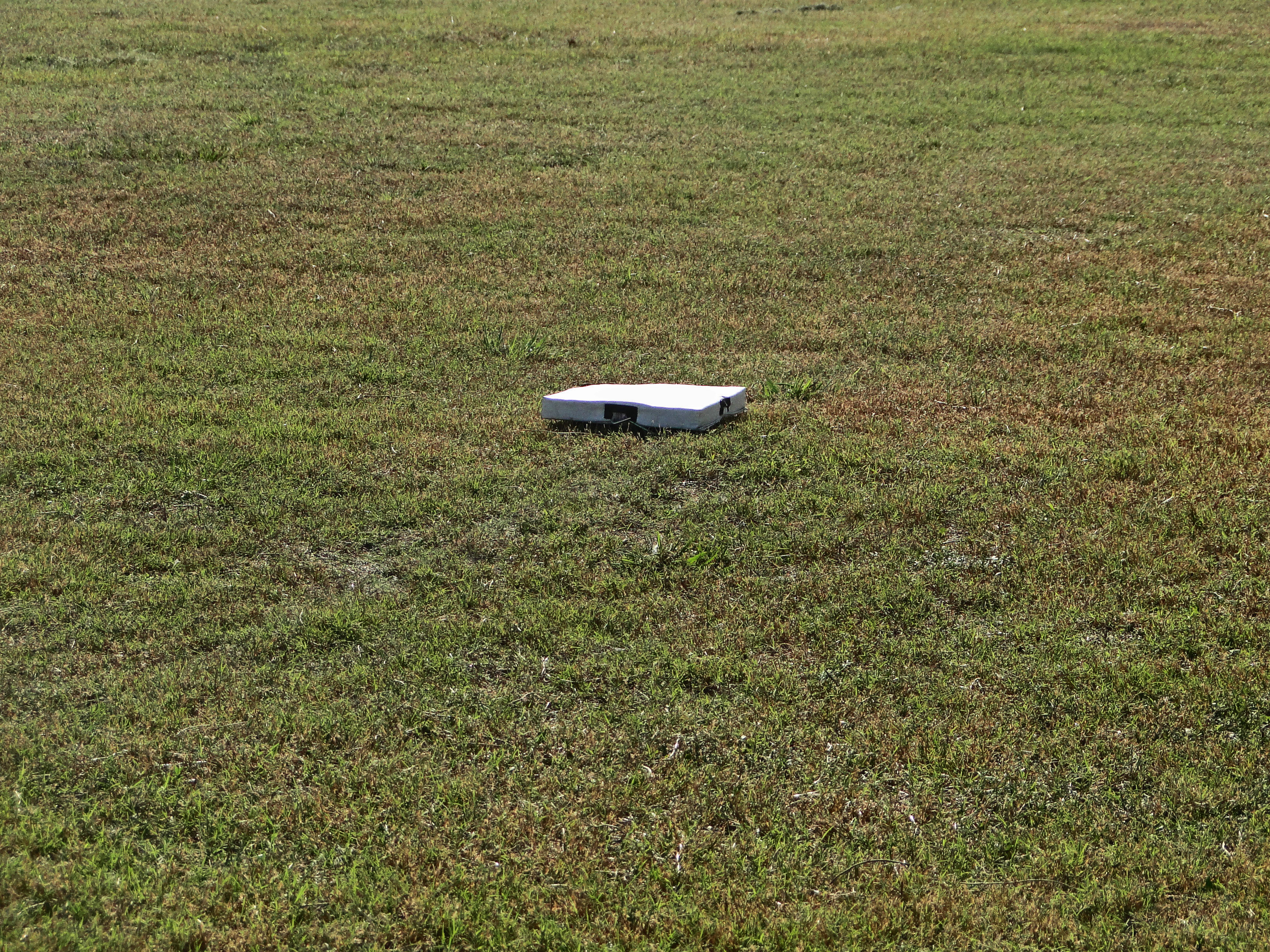
October 27, 2012: The Houston Babies started the first game of their twin bill with the Katy Combine without a first baseman in honor of their late teammate, Larry Joe Miggins.

The mood-launch into the mire may have started with the pre-game ceremonies honoring “LJM” – but the Babies make no excuses. We had to express and experience the sadness we still hold for Larry’s loss and to allow the game-playing to go wherever it needed to go – for a while.

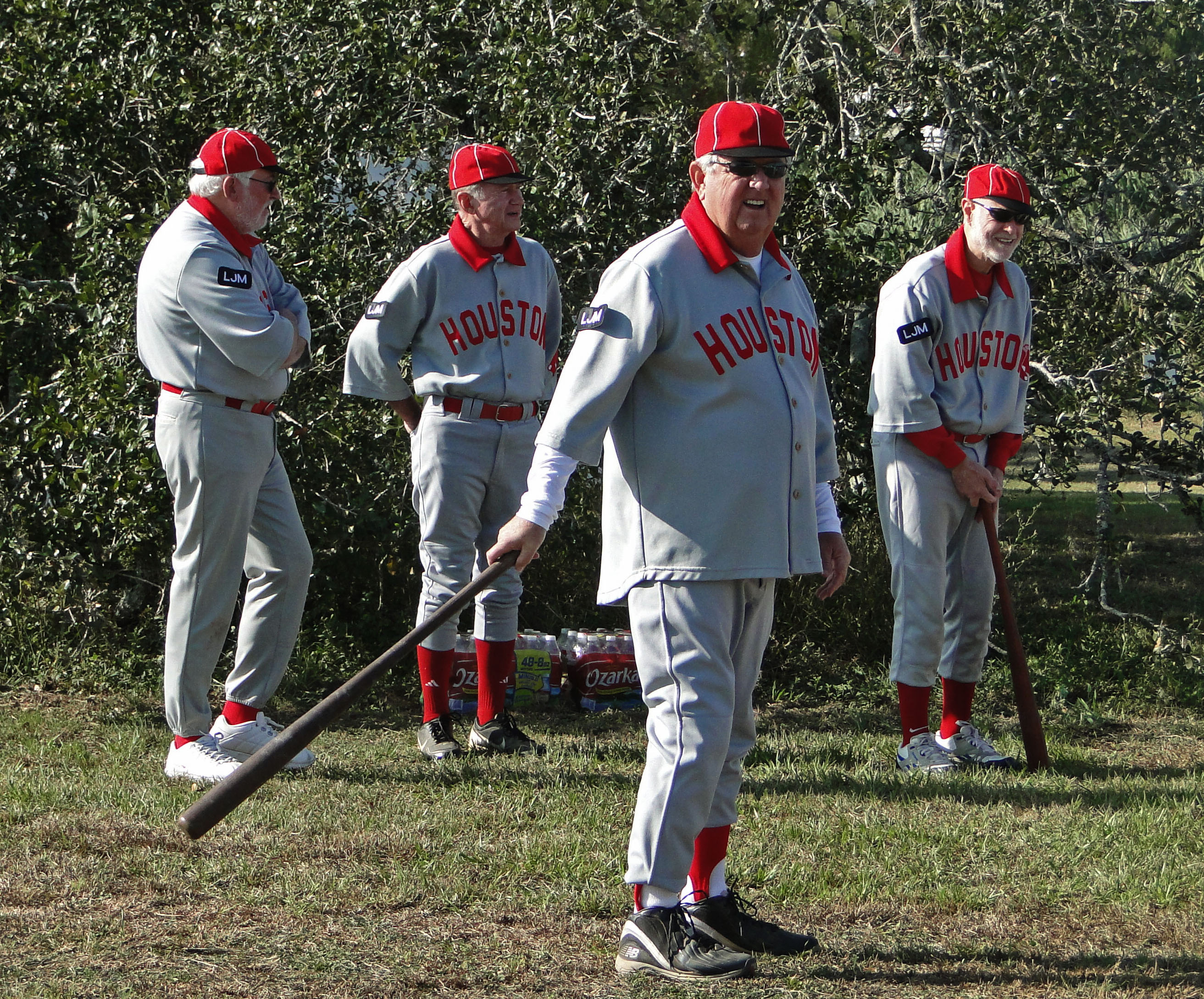
First of all, all members of the Babies club wore a “LJM” patch on their right jersey sleeves in honor of Larry Joe Miggins. The club also wants to thank teammates Bill and Jo Hale for sponsoring and providing these permanent additions to our Houston Babies game attire.

Prior to the game, both teams were introduced and lined up on the baselines to hear Mike McCroskey of the Babies sing “Our National Anthem.” Manager Bob Dorrill of the Babies then explained that the home team Houston club would play the first out of the game without a first baseman – in honor of our ongoing loss. Bob also spoke eloquently of how much Larry Joe had meant to the whole soul of Babies Base Ball.

The Houston Babies got off to a terrible start yesterday.

Once the first Katy batter was retired on a one-bounce foul tip to the backstopper, Mark Hudec trotted out to the unfilled position – not to replace Larry Joe Miggins, but to play first base for the Houston Babies. From that point on in Game One, the roof caved in. It’s hard to grieve and play catch at the same time.

The Katy Combine is never a team to be taken for granted.

The Babies didn’t “get over” their grief for Larry Joe in Game Two at 1 pm, but they did tap into the gratitude vein of this always extraordinary, but always completely curious experience of human loss by touching base with the joy that the man had brought to all of us every time we gathered to play the game. The bright and blue skies of yesterday themselves were even a reminder of where our heads need to remain anytime that we are challenged by adversity.

The theme is the eternal archetype passage for lessons that finally reach us and resound in our eyes and ears as the great wisdom of human experience. All human pain is trying to teach us something. We either “get” the lessons of our pain, or else, we get to see them again – in some similar form. What we learn from allows us to grow in spiritual wisdom. What we continually refuse to learn from eventually kills us – one way or another.

We all have much to learn from both the life and death of Larry Joe Miggins at age 52. And, as far as I’m concerned, much of it has to do with his gentle, but ruggedly strong character, and his open heart toward everyone he met. All the ways that the human heart and hope light the path for all joyously triumphant endeavor shine brightly as the result of those who bear this message to the rest of us.

Larry Joe Miggins was one of those special people carriers of that flame.

“Ya gotta have heart, miles and miles and miles of heart! – When the odds are sayin’ you’ll never win, that’s when the grin should start!” – Joe Hardy, Washington Senators, “Damn Yankees” and Larry Joe Miggins, Houston Babies.

Babies Limber Up for Game Two.

After Larry Hajduk took the loss for the Babies in Game 1 by 18-10, with some relief assistance by Mike “Piano Legs” McCroskey, the club limbered up on joy in Game 2 and started playing like the vintage ball savants they really are. paced by longtime ace Bob Blair, the Babies took Game 2 by 21-15 to end the day with a pleasant split with the Great folks on the Katy Combine.

Our Blind Tom

We are really drawing close to the Katys. At lunch, with some of our appetites spiking toward the anticipation of barbecue or hot dogs, both clubs got fed at the GR Soup Kitchen. I’m sorry, folks, it may have been great soup, but, my early life experience with soup kitchens has not left me feeling that they are much of a reward. I handled it OK by stopping off at James Coney Island on the way home. No big deal.

 WOW! 

Bill Hale went crazy with the bat today, going 7 for 10, with 2 doubles and 2 triples.

Alex Schmelter and Zach Hajduk each went 6 for 9 – with Mark Hudec going 4 for 8 and Phil Holland going 4 for 10. – Mark Hudec and Zach Hajduk also both crushed mighty home runs in honorable memory of “Long Ball” as the men who held down his former positions at first and in left. How curious. Thank for the Mojo, Holy Spirit!

Robert Pena went 3 for 7 on the day; Robby Martin made it a 3 for 9 hit day.

Bob Blair was 2 for 6; Larry Hajduk, who also played 1st in Game 2 was 2 for 7.

Mike McCroskey and Jo Hale were both 1 for 3; and Bob Stevens was 0 for 1 in limited action.

The Houston Babies will resume their ongoing long season of vintage baseball in 2013, with the spirit of Larry Joe Miggins flying with us forever from park to park. Stay tuned for further scheduling news, as it occurs.

The Tree of Life is ancient and eternal. We are little more, but none the less, than the latest blossoms of its vast creative energy. – In our language, that means: …….. “PLAY BALL!!!”

My “Body of Work” All Stars

October 26, 2012

When it came time to organize an all-star team based on players whose last names also expressed or suggested various body parts, guess whose name came first to mind with me? Duh.

Most of you who have been regulars at The Pecan Park Eagle for a while have already figured out by now that I am hooked on “the ridiculous over the sublime” at almost every writing corner. Today’s humble (or meager) offering is no exception. This morning, I’d like to introduce my selections for a “Body of Work” All Star team, a club made up of current or former professional baseball players whose surnames of either literally or suggestive of names that go into various body part. As per usual, because of the large numbers of deluded people who think of themselves as capable of actually performing this task at the professional level, it was easier to find pitchers than it was appropriately named position players. And, a few times, I had to accept different spellings and, once, a “liverpool” word joinder.

Whatever. Here’s the Body of Work All Star Team (Please feel free to add to the lineup and roster by leaving your own contributions in the comment section that follows this comment.):

Bill Hands, Pitcher (MLB, 1965-75)

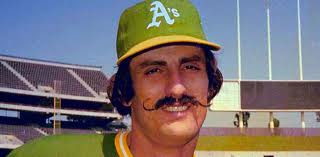
Rollie Fingers, Pitcher (MLB, HOF, 1968-85)

Bill Hair, Pitcher (Minors, 1941-42, 1946-56)

Kyle Sweat, Pitcher (Minors, 2009)

Tom Lipp, Pitcher (Minors, 1897)

Barry Foote, Catcher  (MLB, 1973-82)

Gerald Butt, 1st Base (Minors, 1999-2002)

Daniel Blood, 2nd Base (Minors, 1970-71)

Greg Legg, Shortstop (MLB, 1986-87)

Jim Ray Hart, 3rd Base (MLB, 1963-74)

Jerad Head, Left Field (MLB, 2011)

Marquise Liverpool, Center Field (Minors, 2005-07)

C. Nipple, Right Field (Minors, 1908)

I tried to find a place for Kevin Nails of Grambling State, who was drafted by the Atlanta Braves in the 49th round of the 1992 amateur player draft, but then he apparently disappeared before he ever got to play in a professional baseball game at any level. We are left to presume that what happened to Kevin was the same thing that happens to all “nails,” sooner or later. – He got cut.

On “three” now, who’s the logical choice for everyday beat media coverage of the “Body of Work” team season?

One … Two … Three … Alyson Footer!

Baseball Horror Movies for Halloween

October 25, 2012

“The Spider That Ate the Browns”: In 1953, nuclear dandruff from the balding pate of owner Bill Veeck falls into a Sportsman’s Park spider’s nest, producing a giant mutant arachnid with an appetite for delicious baseball players. When Super Spider is unable to find any among the St. Louis Browns, he eats owner Veeck before moving on to Baltimore, taking the Browns club with him, just for laughs. The Larger-Than-Kong Spider’s appetite is insatiable. When he finally dies, his spirit possesses the soul of a Cleveland-born shipping magnate, convincing the man to buy one of the New York teams.

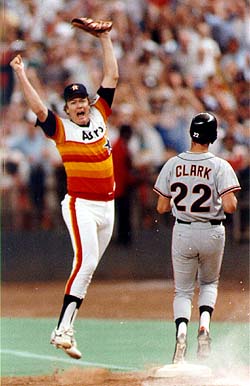
“The Misadventures of Lewis and Clark”: To get ready for next year’s transfer of the Astros to the AL West, Lewis (L) and Clark (R) above, two baseball-clad Astro fan explorers go searching for the northwest passage in the hope that, next year, they won’t miss a thing. They overcome their fear of watching long extra inning games that start at 9 PM Houston time by running out bunt plays at Clark’s place while the Astros game plays out on DVR in simulated west coast to Houston game time. By simulation season’s end, both men have   turned into zombies from sleep deprivation.

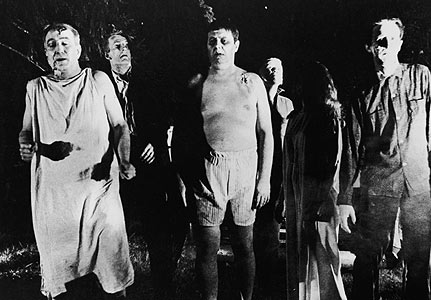
“The Zombification of Houston Astros Fans”: A group of Astros fans puts the lid on a three-team, twelve-game ALW extended TV watch party from the central time zone – only to discover that their intrepid venture into excessive sleep deprivation has turned them all into zombies.

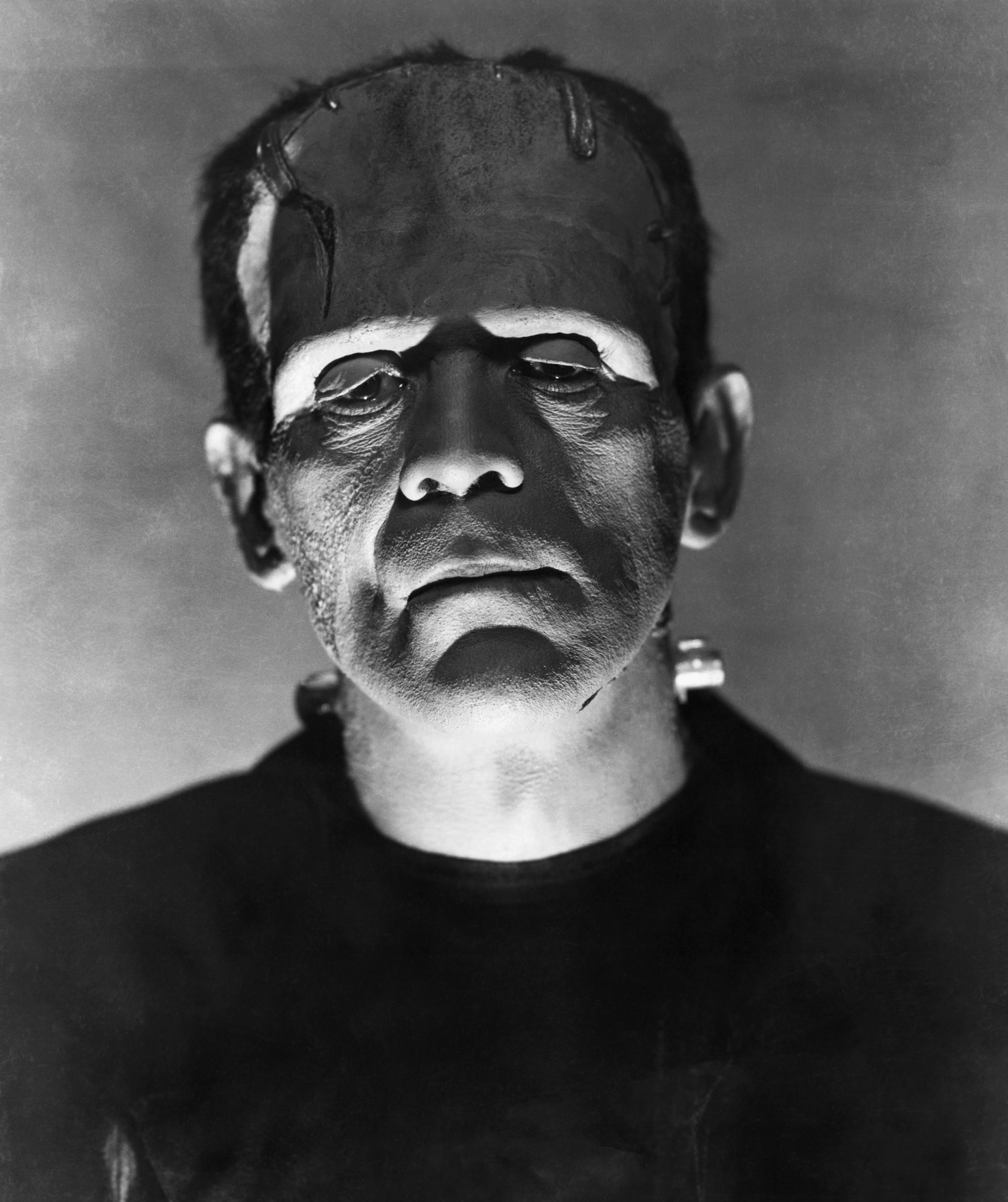
“The Plight of Frankenstein”: “Am old scout. Now taking ITT course. Need job. Must remember to say in job interview: ‘Watching games in boondocks – bad. Watching statistics on computer – good!’ Meanwhile, taking bus to ballpark also bad. – Hard to stay fired up. – Fire very bad. Please do not fire me, Boss!”

“Slide, Mummy, Slide”: To compensate for his lack of foot-speed on stolen base attempts, The Mummy develops a unique sliding technique that allows him to literally destroy any foe that attempts to tag him out. Unfortunately, he is totally vulnerable to the inside-the-parker on any ball that gets by him in left field. He is invited to shift to DH, but is apparently too wrapped up in himself to see and accept the weaknesses that exist in his running game.

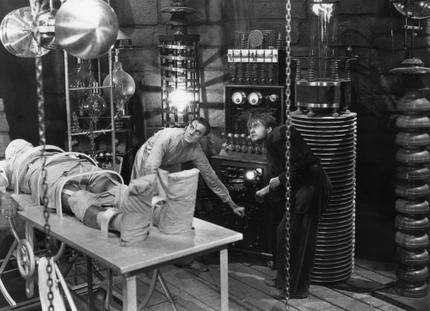
“Reincarnation of the Houston Astros”:
Dr. Frankenstein: “IT’S ALIVE! IT’S ALIVE!”
Igor: “Das close. Das close.”

“Night of the Living Dead, Part 2”:
Starring (L-R) Peter (Spider-Bite) Angelos, owner of the Baltimore Orioles, Fidel Castro, and Bud Selig meet in Havana to Mojo up some voodoo for an upcoming Zombie Convention.

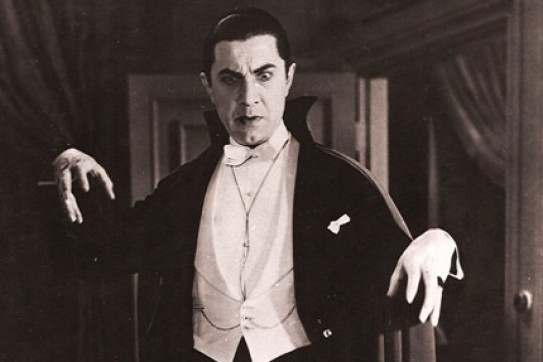
“Full Count Dracula”: Bela Lugosi stars as a split-finger savant pitching ace, who only wants to start in night games. He literally has to be knocked out of the box to start a day game at Wrigley and he is super paranoid of umpires. In the featured photo, we see Lugosi reviewing on tape a ball hit down the left field line against him that the home plate umpire in Houston called fair by inches. “The Count” appears dubious of that call. Later calls the “fowl pole” unfair.

“The DH Dimension”: Acting upon a significant misunderstanding of the term, “DH”, the Houston Astros sign the uber-liberal, godless, mean-spirited, funny-as-cancer, Republican-loathing talk show host, Bill Maher, as their team’s new 2013 first AL season “designated hater.”

That’s enough silliness from me today, but, hey, Halloween is only a week away. I think we would all like to hear your own scenarios for new movies blending horror and baseball.

Come on! Rattle out of the box for a while! With all the serious stuff going on around us these days, we could all use a little break from the tedium.

Update: Houston Guys Who Became MLB Managers

October 24, 2012

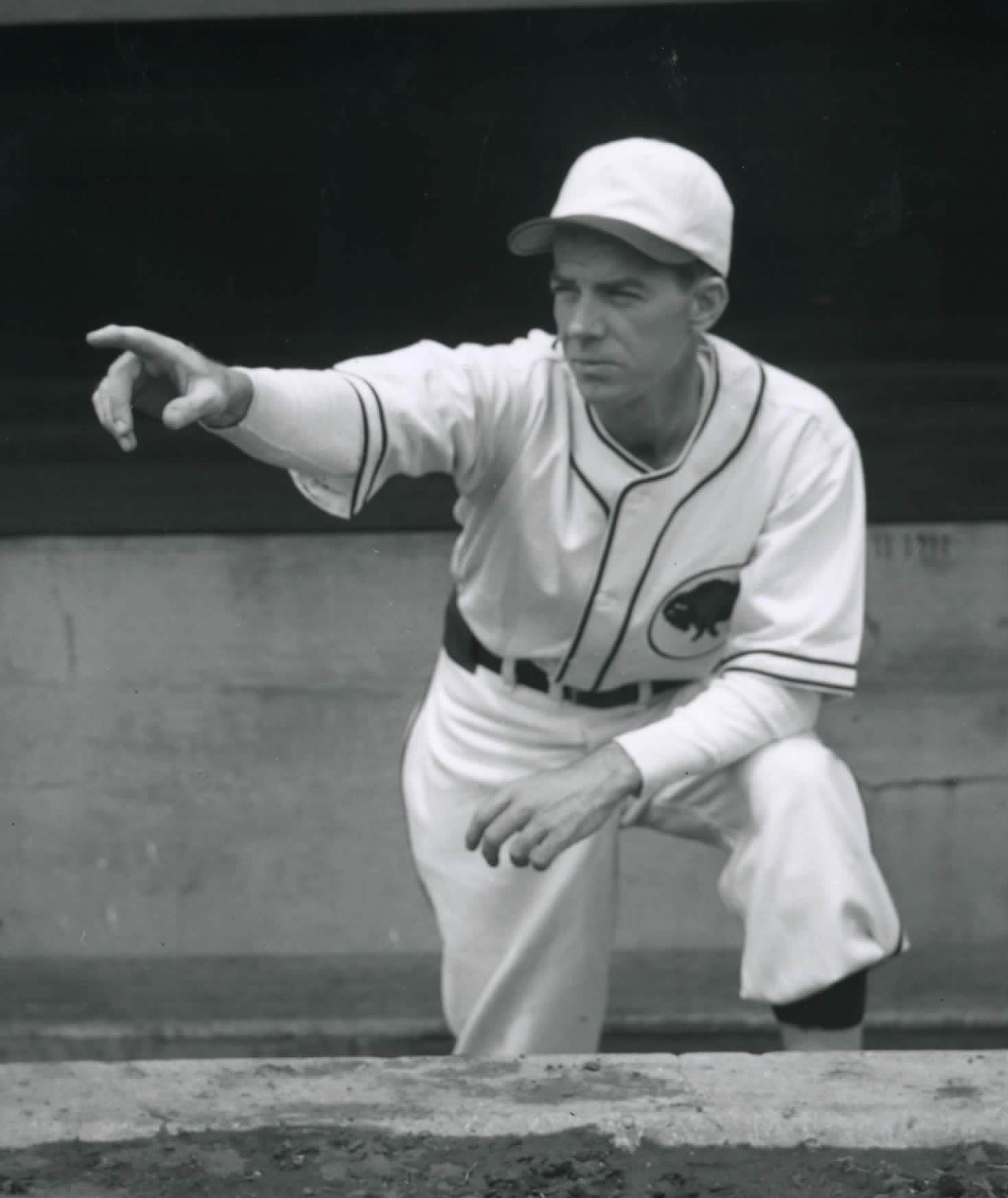
1947 Manager of the Dixie Series Champion Houston Buffs and former Buffs player Johnny Keane. His worst career move proved to be the one he took after leading the 1964 St. Louis Cardinals to the World Series title.

Thanks to 9 new contributions from Bill Hickman (SABR National & Cubs Fan), plus confirmation of one of those on Herman Franks that actually came in fifteen minutes earlier from John Watkins of our research team (and a descendant of former Buff and Cardinal Watty Watkins), our list of Houston minor league team players who went on to become MLB managers to what may be our complete total at 23 confirmed names. As always, while data collection is still open, the Early Houston Baseball Research team remains open to the addition of any other names we may have missed.

Our appreciation to both contributors for these valuable listings in this very interesting Houston Baseball area of fact. John Watkins is already on our list of research contributors. He is now joined by Bill Hickman – and anyone else who submits a confirmed name in this category that all our efforts have so far missed.

Sometimes getting it right means giving a search long enough to get it complete. Even though I think we have now cleared the bases on this one, as project research director, I’m leaving this one open for now – just in case.

Here is the updated list of 23 Houston team player names, followed by their year(s) of service as a Houston minor league team player in parentheses, followed by a dash to the names and periods of service as manager of specific big league clubs, plus brief data on (WSC) “World Series Championships” and other pennant years, if any: 

Houston Minor League Team Players Who Became MLB Managers:

01) Bill Joyce (1889) – New York Giants (1896-98)

02) Johnny Kling (1896) – Boston Braves (1912)

03) Tris Speaker (1907) – Cleveland Indians (1919-26) / 1920 WSC

04) Jewel Ens (1920) – Pittsburgh Pirates (1922-25)

05) Jim Bottomley (1921) – St. Louis Browns (1937)

06) Ray Blades (1921-22, 1929) – St. Louis Cardinals (1939-40); Brooklyn Dodgers (1948, one game)

07) Eddie Dyer (1923) – St. Louis Cardinals (1946-50) / 1946 WSC

08) Joe Schultz (1932, 1939) – Seattle Pilots (1969); Detroit Tigers (1973)

09) Don Gutteridge (1934) – Chicago White Sox (1969-70)

10) Johnny Keane (1934-37, 1946-48) – St. Louis Cardinals (1961-64) New York Yankees (1965-66) / WSC 1964

11) Walter Alston (1937) – Brooklyn Dodgers (1954-57); Los Angeles Dodgers (1958-76) / WSC 1955, 1959, 1963, 1965; MLB Pennants: 1955, 1959, 1963, 1965; 1966; 1974.

12) Herman Franks (1937) – San Francisco Giants (1965-66); and Chicago Cubs (1977-79)

13) Bob Scheffing (1937) – Chicago Cubs (1957-59); Detroit Tigers (1961-63)

14) Danny Murtaugh (1940-41) – Pittsburgh Pirates (1957-64, 1967- 76) /1960, 1971 WSC

15) Bill Norman (1941) – Detroit Tigers (1954-55)

16) Solly Hemus (1947-49) – St. Louis Cardinals (1959-61)

17) Mel McGaha (1948-49, 1952) – Cleveland Indians (1962); Kansas City A’s (1964-65)

18) Del Wilber (1949) – Texas Rangers (1973)

19) Vern Rapp (1950) – St. Louis Cardinals (1977-78)

20) Earl Weaver (1951) – Baltimore Orioles (1968-86) / 1970 WSC; 1969, 1970, 1971, 1979 AL pennants

21) Ken Boyer (1954) – St. Louis Cardinals (1978-80)

22) Harry Walker (1956-58) – Pittsburgh Pirates (1965-67); Houston Astros (1968-72)

23) John McNamara (1952) – Oakland A’s (1969-70); San Diego Padres (1974-77); Cincinnati Reds (1979-82); California Angels (1983-84, 1996); Boston Red Sox (1985-88); Cleveland Indians (1990-91); One AL Pennant with Boston Red Sox (1986)

Look at these men and their involvement in some of the most memorable games in baseball history:

Johnny Kling was the great catcher for the Cubs in the infamous 1908 “Fred Merkle fails to touch 2nd base on what would have been the game-winning hit for the Giants against the Cubs. His “bonehead put out” on a protested post-game force play by Cubs 2nd baseman Johnny Evers resulted in a replay of the game and a win by the Cubs that gave them the NL pennant in their last 1908 World Series championship year.

Tris Speaker managed the 1920 Indians during their WS win over the Brooklyn Dodgers. That was the series of the famous unassisted triple play by Cleveland Indians 2nd baseman Bill Wambsgans.

Eddie Dyer managed the 1946 WS champion Cardinals in a series that was highlighted by the “mad dash to score from first” by Enos Slaughter of the Cardinals in the deciding game.

Johnny Keane managed the 1964 Cardinals to one of the most incredible pennant comebacks over the “Pholdin’ Phillies” – then he led them to a dramatic seven game series win over Mickey Mantle’s last WS ride with the New York Yankees – and then it all culminated by Keane quitting the Cardinals and taking over as manager of the Yankees for 1965. The move proved to be one of the worst career decisions in baseball history.

Walter Alston collected enough World Series rings to decorate a Christmas tree, but his biggest moment has to be 1955, when he led the Brooklyn Dodgers to their first and only World Series title with a win over the New York Yankees.

Finally, Danny Murtaugh managed the 1960 Pittsburgh Pirates to a seven game World Series title? How did he do it in the final clutch situation of the final game? – Can you spell M-A-Z-E-R-O-S-K-I-?

And those are just the moments and events that jump off the page in my mind. Others may evoke their way to the foreground in your favorite recollections.

The essence of this data speaks for itself. The people and processes of the game who stand for major success have a deep and broad record of passing through Houston as a historic baseball town.

Baseball was never a lately discovered afterthought to football, no matter how important football and the Houston Texans are today. – It was the other way around.

But that’s OK. Some things change. Others remain the same. There will always be those of us among the many who first or only prefer baseball to everything else in life this side of God and family. If that’s our obsession, so be it. It’s where our lives and where our souls come alive. It is a happy place that none of us are willing to give up in a world which disappoints on so many other levels.

We, the fans of the game, are also the stewards of baseball’s history and its basic contributions to goodness in our lives as the “sweet spot of joy.”  That is why the subject of this column is important to the Early Houston Baseball History Project.”

There is no research fact that is too arcane to pursue, if it contributes, even as a nail, to holding together the house of history.
Houston Buff Players Who Became MLB Managers

October 22, 2012

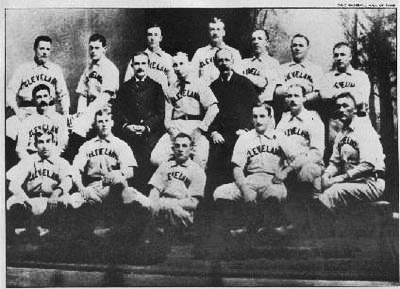
Johnny Kling of the 1896 Buffs went on to become the star catcher of the Turn of the 20th Century Chicago Cubs and the first former Houston player to manage in the big leagues with the 1912 Boston Braves.

As usually happens, it’s almost inevitable, Saturday’s meeting of the Early Houston Baseball History project fed the spark of  new discovery. Teammate Steve Bertone noted that his own research had produced some marvel over the numbers of former Houston Buff players who later went on to become successful big league managers, and that was enough comment to incite secondary spark from others to starting filling in the blanks.

I spent some time Sunday on the DL with a disabling back “episode,” but that never stops my mind. I used the time to start filling in the blanks with the names of those former minor league Houston Buff players who later went on to become MLB managers (period). Most of the people I found actually were successful – in fact, in some cases, Hall of Fame successful.

Here’s what I found, with a nod to anyone who reads this blurb and really cares. Can you think of anyone I’ve missed or overlooked? You will be contributing to the work of history, if you come up with anything and you will be listed in our book as a contributor, if your submission of new correct information as a comment upon this column is the first to be received, and if you are willing to supply and take public credit under your actual legal name in print.

Here’s what I found – by name and year(s) of service as a Buff player – and followed by the MLB team(s) they managed by years of service with /World Series and pennant year activity, where applicable:

1)   Johnny Kling (1896) – Boston Braves (1912)

2)   Tris Speaker (1907) – Cleveland Indians (1919-26) / 1920 WSC

3)   Jim Bottomley (1921) – St. Louis Browns (1937)

4)   Eddie Dyer (1923) – St. Louis Cardinals (1946-50) / 1946 WSC

5)   Don Gutteridge (1934) – Chicago White Sox (1969-70)

6)   Johnny Keane (1934-37, 1946-48) – St. Louis Cardinals (1961-64) New York Yankees (1965-66) / WSC 1964

7)   Walter Alston (1937) – Brooklyn Dodgers (1954-57); Los Angeles Dodgers (1958-76) / WSC 1955, 1959, 1963, 1965; MLB Pennants: 1955, 1959, 1963, 1965; 1966; 1974.

8)   Danny Murtaugh (1940-41) – Pittsburgh Pirates (1957-64, 1967- 76) /1960, 1971 WSC

9)   Solly Hemus (1947-49) – St. Louis Cardinals (1959-61)

10)                  Del Wilber (1949) – Texas Rangers (1973)

11)                  Vern Rapp (1950) – St. Louis Cardinals (1977-78)

12)                  Earl Weaver (1951) – Baltimore Orioles (1968-86) / 1970 WSC; 1969, 1970, 1971, 1979 AL pennants;

13)                  Ken Boyer (1954) – St. Louis Cardinals (1978-80)

14)                   Harry Walker (1956-58) – Pittsburgh Pirates (1965-67); Houston Astros (1968-72)

WSC = World Series Championship