A Baseball Hall of Fame Dart Game

August 18, 2013
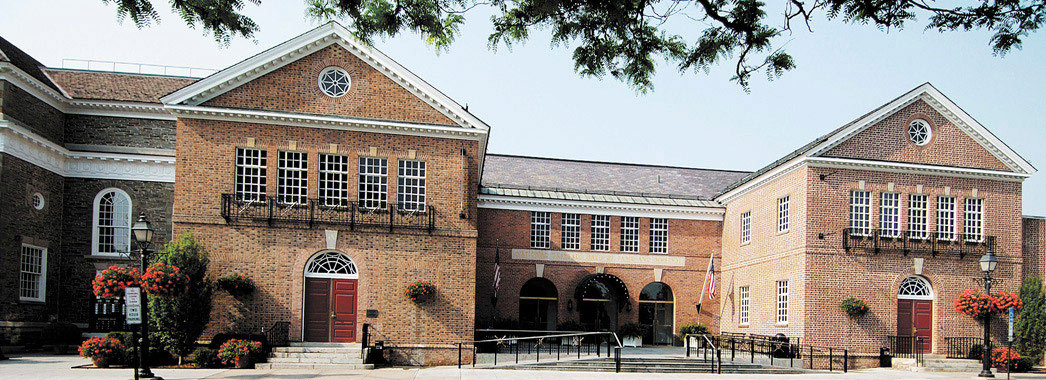
The Baseball Hall of Fame, Cooperstown, New York.

The Baseball Hall of Fame, Cooperstown, New York.

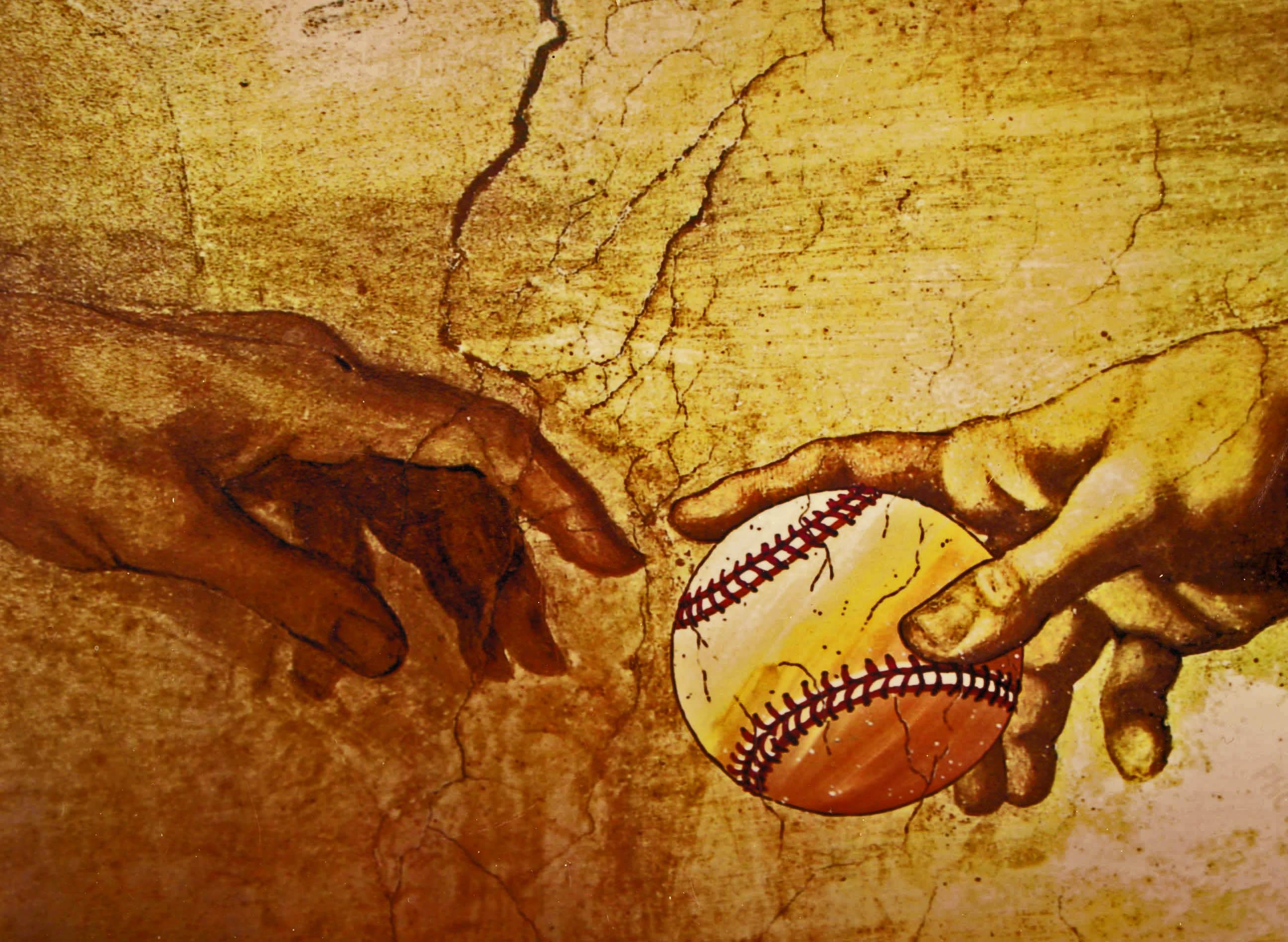
If they would only let you, and they never will, you could go to the great hall of member plaques in the Baseball Hall of Fame at Cooperstown, New York and throw darts at those individual memorials you could not read from across the room. Chances are good that 25 dart strikes later, you would have put together a team roster that could play with or beat any of the top MLB clubs playing today in 2013.

It simply isn’t going to happen, but here’s another possibility.

Thanks to the great and varied ways that Baseball Almanac puts together interesting data, it’s now possible to draft a quick team based on best performer variables by position. I put together the following table this morning that identifies the “best”   regular position, pitching, and managerial candidates by two variables. This decision doesn’t mean that I actually agree with every choice the data provided, but I do think we could play a pretty good game or two with the 17 separate players the data chose for the nine spots.

A Two Variable Look at the Best Players by Nine Positions and a Preferred Manager:

POSITION # IN HOF BEST B.A. B.A. MOST HR HR #
Catcher 13 Mickey Cochrane .320 Johnny Bench 389
1st Base 18 Dan Brouthers .342 Harmon Killebrew 573
2nd Base 19 Rogers Hornsby .358 Rogers Hornsby 301
3rd Base 11 Wade Boggs .328 Mike Schmidt 548
Shortstop 22 Honus Wagner .327 Ernie Banks 512
Left Field 20 Ed Delahanty .346 Ted Williams 521
Center Field 18 Ty Cobb .366 Willie Mays 660
Right Field 23 Babe Ruth .342 Hank Aaron 755
POSITION # IN HOF MOST WINS WINS MOST “K”S “K”S
Pitcher 61 Cy Young 511 Nolan Ryan 5,714
POSITION # IN HOF MOST TIME YEARS MOST WINS WINS
Manager 19 Connie Mack 53 Years Connie Mack 3,731 Wins

As a matter of personal preference, I would take these nine guys from their primes as my preferred all time lineup and batting order:

Willie Mays, CF

Rogers Hornsby, 2B

Babe Ruth, RF

Josh Gibson, C

Lou Gehrig, 1B

Hank Aaron, LF

Honus Wagner, SS

Brooks Robinson, 3B

Satchel Paige, P

I don’t expect all of you to agree with my picks, That right to different opinions is one of the things that has always made talking baseball a lot of fun, but what the heck! I wouldn’t protest too much if I was forced to take Joe Jackson or Ted Williams over Hank Aaron in left – or the great George Sisler over Lou Gehrig at first, or Christy Mathewson or Walter Johnson over Satchel Paige as my starting pitcher.

Heck again! We could go back to throwing darts in the Hall and probably pick a club that was better than most.

Please post your own dart game results, or choices, if you have any.

Have a nice peaceful Sunday, everybody.
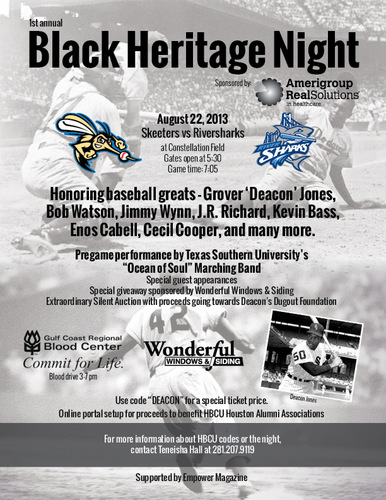
Skeeters Celebrate Black Heritage August 22nd

August 17, 2013
BLACK HERITAGE NIGHT ~ Rolling In on a TSU Ocean of Soul this Coming Thursday Night, Aug. 22nd, at Constellation Field in Sugar Land. ~ DON'T MISS IT!!!

BLACK HERITAGE NIGHT ~ Rolling In on a TSU Ocean of Soul this Coming Thursday Night, Aug. 22nd, at Constellation Field in Sugar Land. ~ DON’T MISS IT!!!

This coming Thursday night at Constellation Field, the winningest team in baseball, the Sugar Land Skeeters, are planning a major celebration of Black Heritage on their home turf and they are inviting all their fans in the Greater Houston area to take each other out to the ball game on a very special night to help make it as big a party as possible.

Deacon Jones Bobble Head Aug. 22, 2013

Deacon Jones
Bobble Head
Aug. 22, 2013

Former professional ballplayer and country and western music star, the great Charley Pride, is now also expected to be there too to join in the festivities with all the wonderful MLB celebrities that are congregating – and it is expected that all will be on hand for autographs too as part of the program.

The gates open at 5:30 PM. The Skeeters game with the Camden Riversharks starts promptly at 7:05 PM. In between those two ticks of the clock, a whole lot of soulful fun is planned for fans out on the green, green turf of home, starting with a performance by the famous “Ocean of Soul” Marching Band from Texas Southern University and a presentation including all those big names in Houston baseball history listed above – and then some. Word is out that we can also expect some surprise big names on the national level also checking in to speak on the big screen during the field program. The exact start of the speaking part of things is unknown at this time, but get there early and wait for whatever happens with the rest of us while the Ocean of Soul warms our blood.

Need another reason to get there early? Well, here it is: The first 2,000 fans through the gates this coming Thursday night will get there in time to have received one of those handsome Deacon Jones bobble heads, like that smiling soul you see in the photo on this page. – The designers of this great collector’s item have done a masterful job of depicting one of the greatest men of smiles and welcome in baseball. – It is “Deacon” to a T – with his hand of warm hello and welcome held high.

If the world ever gets around to founding a Great Human Beings Hall of Fame, please place my name in the company of those who will want to make sure that Deacon Jones is both nominated and inducted as a charter member. The man is just all heart and caring in everything he does. His plans flow like a passion river for doing the right thing – and for making sure that none of us ever forget the great trailblazers who used their abilities in the right way to make sure that black ballplayers enjoyed a place in the sun in baseball – from then to here to forever.

And that’s why none of you want to miss what Deacon Jones and the Sugar Land Skeeters have planned for us this coming Thursday night. It’s honest, so, please do both the fun and the right thing. Be there.

Check out the Sugar Land Skeeters website and get your tickets today. It’s going to be a very special night.

http://www.sugarlandskeeters.com/Home/

Baseball Uniform Numbers

August 16, 2013
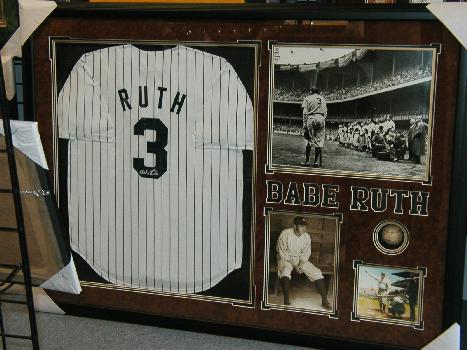
What was Babe Ruth's number? The first two guesses that weren't "3" don't count.

What was Babe Ruth’s number? The first two guesses that weren’t “3” don’t count, but don’t expect the giveaway answer portrayed in this photo. Ruth only wore the number “3”. They weren’t putting names on uniforms back in the late 1920’s and early 1930’s of MLB history. The number itself was assumed to be enough to connect the fan to a player name on his or her scorecard.

It seemed like such a simple idea. Why didn’t someone think of it, or execute it earlier, especially in those fresher days of baseball, when there was no electronically amplified sound system to broadcast the lineups or identify players in the field? Uniform numbers that were identified with specific players and then recorded on game programs and scorecards were a key addition to the fans’ enjoyment of the game, beginning in 1929, but not swelling all sixteen MLB teams full circle until 1931.

In 1929, the Cleveland Indians and the New York Yankees of the early 20th century group of stable sixteen clubs were the first to add player ID numbers to the backs of their uniforms.

In 1930, nobody took the dive. We assume the remaining 14 clubs were all stuck in “due diligence mode” as the Yankee and Indian players carried on the job of making ballplayers famous by the numbers.

In 1931, the dam broke. The Boston Red Sox, the Chicago White Sox, the Detroit Tigers, the Philadelphia Athletics, the St. Louis Browns, and the Washington Senators added their six clubs to the two that were already there. All 8 American League clubs were now wearing player ID numbers on their uniforms. Only the stodgy National League still held out from the gates of change.

In 1932, the National league’s 8 clubs joined the crowd when all of their teams (the Boston Braves, the Brooklyn Dodgers, the Chicago Cubs, the Cincinnati Reds, the New York Giants, the Philadelphia Phillies, the Pittsburgh Pirates, and the St. Louis Cardinals) added player ID numbers to their uniforms.

So, here’s an additional easy trivia question for you to insert in your next neighborhood baseball trivia quiz, in addition to all of the other obvious ones that are present in the information just presented:

In what year did both teams wear numbered uniforms in a World Series – and which clubs were they?

One more thing – as most of you already know: The New York Yankees started out in 1929 by also assigning numbers to regular position players on the basis of their places in the batting order. – Can you imagine the 2013 Houston Astros – or any other 2013 club doing that on any kind of sustainable basis?

The 1929 Yankees, of course, had a very special fixed regular position lineup known everywhere as “Murderers’ Row” and here they are, by their numbers, in their 1929 batting order:

1 – Earle Combs, cf

2 – Mark Koenig, 3b

3 – Babe Ruth, rf

4 – Lou Gehrig, 1b

5 – Bob Meusel, lf

6 – Tony Lazzeri, 2b

7 – Leo Durocher, ss

8 – Johnny Grabowski, c

Interesting to note, Mark Koenig was mainly a shortstop who only played a few games at third base in 1929, a year in which the Yankees did not have a strong third sacker. Had numbers been introduced in 1928, Koenig still would have been there at #2, but as the shortstop, and Joe Dugan would have been there at #7 as the 3rd baseman.

For further fun with the baseball uniform numbers historic file at Baseball Almanac, just click away to their site presentation:

http://www.baseball-almanac.com/baseball_uniform_numbers.shtml

DiMaggio and the 56-Game Hitting Streak

August 15, 2013
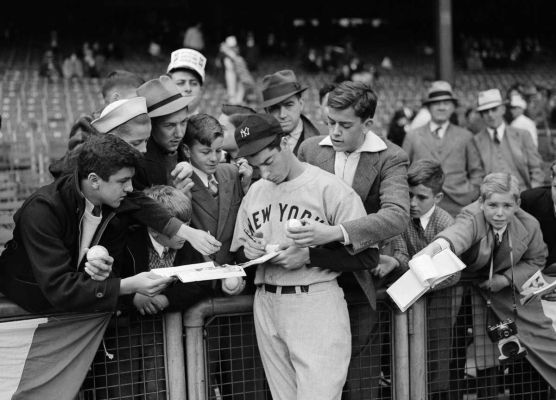
1941: Joe DiMaggio signing autographs during his famous 56-game hitting streak.

1941: Joe DiMaggio signing autographs during his famous 56-game hitting streak.

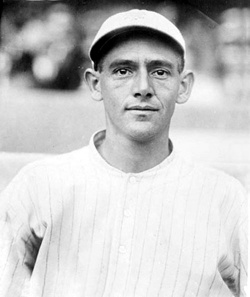
Joe Wilhoit 69 Games 1919

Joe Wilhoit
69 Minors Games
1919

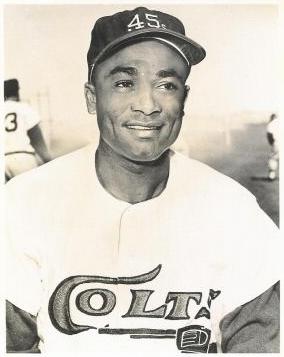
The consecutive games hitting streak records for all of baseball are less famous than they really should be. We already know that Joe DiMaggio, the holder of the famous 56-game MLB mark from 1941, also did even better with San Francisco of the Pacific Coast League in 1933 when he hit safely in an amazing 63 straight games, but that wasn’t even the record. A fellow named Joe Wilhoit hit safely in 69 games for Wichita of the Western League in 1919. And get this – original Houston Colt .45 outfielder Roman Mejias hit safely in 55 straight games for Waco in the 1954 Big State League season.

Then there’s the quite famous Joe DiMaggio major league mark of 56 games – the one that many feel will never be broken by the way the game is played today. – What made Joe D. so special that his most famous record wasn’t even as great as the one he set eight years earlier at the minor league level? All I can offer is my humble opinion on what makes for a good streak hitter. I’m not sure that anyone can explain why the MLB record is now seen as unbreakable beyond the fact that the game has changed and that a streaking hitter today would probably be stopped by design before he got there.

Joe DiMaggio had an incredible batting eye – and that statement is right in there with the note that the sun rises in the east and sets in the west. Everyone on this list of MLB 30 consecutive game hitting streaks has or had a great batting eye. Although their batting styles vary greatly in many instances, none are pure mashers who either strike out, or else, blast the ball into space. A few had great power, but most did not. They all had incredible batting eyes, at least, for the seasons of their streaks.

Roman Mejias 55 Minors Games 1954

Roman Mejias
55 Minors Games
1954

What they each shared was the ability to see pitches earlier and for longer periods of time. It was enough of an edge to have a better idea about what was coming and where it was landing – and whether or not it was hittable. My guess too is that they mostly shared an ability to adjust their bat movement and to – hit the pitch where it came in – and to “hit it to where they ain’t” on the defensive side.

It isn’t too hard to see why a great “seeing” hitter like Ted Williams never made this list. He didn’t adjust. If a pitched ball was two inches out of the strike zone, but still hittable, he didn’t swing – and he characteristically pulled everything to right. Lou Boudreau’s “Ted Williams Shift” to right was nothing less than a tribute to Teddy Ballgame’s intransigence on this matter of ego. Right field was his, or so he thought. He wouldn’t tap the ball to left, even if the other team gave him the whole territory on a fielders-free basis. I’m not sure how often Ted actually took advantage of the shift, but it certainly wasn’t often enough to constitute a successful adjustment.

Joe DiMaggio, on the other hand, was a tenacious opportunist when the other team gave him an intentional or accidental advantage of open field. He also found a way on fourth trip hitless game times a bat to find a pitch intended as a virtual ball four pass and lace it down the line for a streak-saving double. In fact, as you may recall, when Indians third baseman Ken Keltner stopped a ball racing down the line near third and turned it into a ground out end to “the streak” at 56 games, that was pretty much what DiMaggio was hoping to achieve one more time.

To sum it up, it takes good seeing eye qualities on pitched balls, an ability to adjust one’s hitting style, plenty of courage, and a whole lot of blind luck of one type or another to put together a really long hitting streak. As for stopping a hitting streak by design, a really good pitcher can stop you anytime he chooses to throw you truly unhittable pitches – or simply give you an intentional pass or hit you with a duster each time you come to bat. Fortunately, game integrity and the pitcher’s ego work against a supremely obvious attempt to stop any streak by pitching totally away from a batter – but I’m betting some club today would be willing to try it.

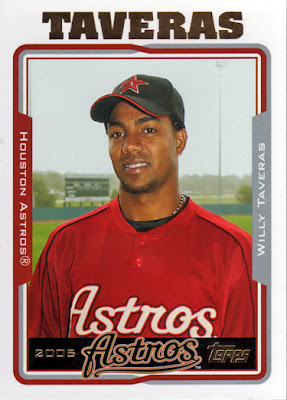
Willie Taveras 30 MLB Games 2006

Willie Taveras
30 MLB Games
2006

Some streaks are freaky. They build upon a player having certain abilities like speed that other teams don’t recognize in time to stop an individual’s run up the players’ record mast. With a little ability, the speed to run out normal ground ball outs, and the luck that spawns from a surprised defense, a guy like former Astro Willie Taveras made the list. In 2006, Taveras ran his shock-streak all the way to 30 games before he was finally stopped. It was enough surprise-time to leave Willie Taveras tied with a gazillion others, including the great Stan Musial, at 35th place.

Thanks again to the beautiful presentation work they do at Baseball Almanac, here’s how the 30 consecutive games list for MLB hitting streaks through the late part of the 2013 season looks this morning:

Major League Hitting Streaks (Prepared by Baseball Almanac)

Players With At Least 1 Hit in At Least 30 Consecutive Games

Rank Year Name Team League Games

1.

1941

Joe DiMaggio (AL Record)

New York

AL 56

2.

1896-1897

Willie Keeler (NL Record)

Baltimore

NL 45

3.

1978

Pete Rose

Cincinnati

NL 44

4.

1894

Bill Dahlen

Chicago

NL 42

5.

1922

George Sisler

St. Louis

AL 41

6.

1911

Ty Cobb

Detroit

AL 40

7.

1987

Paul Molitor

Milwaukee

AL 39

8.

2005-2006

Jimmy Rollins

Philadelphia NL 38

9.

1945

Tommy Holmes

Boston

NL 37
10. 1896-1897 Gene DeMontreville Washington NL 36

11.

1895

Fred Clarke

Louisville

NL 35


1917

Ty Cobb

Detroit

AL 35
1924-1925 George Sisler St. Louis AL 35


2002

Luis Castillo

Florida

NL 35
2006 Chase Utley Philadelphia NL 35

 16.

1938

George McQuinn

St. Louis

AL 34


1949

Dom DiMaggio

Boston

AL 34


1987

Benito Santiago

San Diego

NL 34

19.

1893

George Davis

New York

NL 33


1907

Hal Chase

New York

AL 33


1922

Rogers Hornsby

St. Louis

NL 33
1933 Heinie Manush Washington AL 33


2011

Dan Uggla

Atlanta

NL 33
23. 1922-1923 Harry Heilmann Detroit AL 32
1996-1997 Hal Morris Cincinnati NL 32
25. 1885-1886 Jimmy Wolf Louisville AA 31
1899

Ed Delahanty

Philadelphia

NL 31


1906

Nap Lajoie

Cleveland

AL 31


1924

Sam Rice

Washington

AL 31
1965-1966 Vada Pinson Cincinnati NL 31


1969

Willie Davis

Los Angeles

NL 31


1970

Rico Carty

Atlanta

NL 31
1975-1976 Ron LeFlore Detroit AL 31


1980

Ken Landreaux

Minnesota

AL 31
1999 Vladimir Guerrero Montreal NL 31

35.

1876

Cal McVey

Chicago

NL 30
1895-1896 Dusty Miller

Cincinnati

NL 30


1898

Elmer Smith

Cincinnati

NL 30


1912

Tris Speaker

Boston

AL 30
1922-1923 Charlie Grimm Chicago NL 30
1927-1928 Lance Richbourg Boston NL 30
1929-1930 Sam Rice Washington AL 30


1934

Goose Goslin

Detroit

AL 30


1950

Stan Musial

St. Louis

NL 30


1980

George Brett

Kansas City

AL 30


1989

Jerome Walton

Chicago

NL 30


1997

Sandy Alomar, Jr.

Cleveland

AL 30


1997

Nomar Garciaparra

Boston

AL 30


1998

Eric Davis

Baltimore

AL 30


1999

Luis Gonzalez

Arizona

NL 30


2003

Albert Pujols

St. Louis

NL 30

2006

Willy Taveras

Houston

NL 30


2007

Moises Alou

New York

NL

30

2009 Ryan Zimmerman Washington NL 30
2011 Andre Ethier Los Angeles NL 30

Rank

Yearn

Name

Team League Games


Skeeters Own Best Record in Baseball

August 14, 2013


The Sugar Land Skeeters' winning percentage of .692 is the best in baseball through 8/13/2013.

The Sugar Land Skeeters’ winning percentage of .692 is the best in baseball through 8/13/2013.

The “yin” and “yang” of baseball winning and losing have taken up residence in Houston in 2013. We’re pretty sure you already know of the “yang” part of this whole picture. So far, through all games of August 13, 2013, the Houston Astros of the American League have the worst record of 2013 – but it’s not just in major league baseball that they hold this position – theirs is the worst mark in all of baseball.

Now hold on for the “yin” that’s about to land on our collective chin: The Sugar Land Skeeters have the best overall winning 2013 record for all North American leagues that play full season baseball. Yes, we know it’s independent level ball, but listen, the Skeeters have done it, so far, in spite of the fact that they have lost a total of eight key players to organized baseball as the season plays on – and they appear to be in little danger of being overtaken by any of their closest challengers by season’s end.

The Pecan Park Eagle sends its congratulations out to Tal Smith, Deacon Jones, manager Gary Gaetti, and the entire Sugar Land Skeeters organization for a beautiful job well done. – Keep it up, good people!

Here are two charts, featuring the key teams from each organized league, and independent baseball as a single group, for all the leagues that play full-season baseball, showing the “biggest winners” and the “biggest losers”. In all case of leagues that play split seasons, the total 2013 record is used to determine their standings as the biggest winners and biggest losers in each league.

The “biggest winners” list is based on all games through May 12, 2013. The “biggest losers” group is based on games played through August 13, 2013.

Enjoy. Appreciate. Honor.  It takes a lot of dedicated effort to achieve either the yin or the yang of anything.

BIGGEST WINNERS ~

POSITION TEAM WON LOST PCT. LEAGUE
1 Sugar Land 74 33 .692 IND. BB
2 South Bend 75 45 .625 Midwest
3 Binghamton 70 51 .615 Eastern
4 Durham 76 48 .613 International
5 Atlanta 73 47 .608 National
6 Fort Myers 70 46 .603 Florida State
7 Potomac 71 47 .602 Carolina
8t Boston 72 49 .595 American
8t CC Hooks 72 49 .595 Texas
9 Savannah 68 48 .586 S. Atlantic
10 Lancaster 70 50 .583 California
11 Birmingham 70 51 .579 Southern
12 CD Carmen 63 46 .578 Mexican
13 Salt Lake 70 53 .569 Pacific Coast


BIGGEST LOSERS ~

POSITION TEAM WON LOST PCT. LEAGUE
1 Houston 38 80 .322 American
2 Minatitlan 37 71 .343 Mexican
3 Camden 39 69 .361 IND. BB
4 Miami 45 73 .381 National
5 Greenville 45 72 .385 S. Atlantic
6 Nashville 48 76 .387 PCL
7 Bradenton 46 70 .397 Florida St.
8 Burlington 46 69 .400 Midwest
9 Bakersfield 50 72 .410 California
10 Carolina 49 70 .412 Carolina
11 NW Ark. 50 71 .413 Texas
12 Pensacola 50 69 .420 Southern
13t Gwinett 53 72 .424 International
13t Toledo 53 72 .424 International


Have a nice “Hump Day” too, everybody!

Twenty-Game Winners on Last Place Clubs

August 13, 2013

Let’s call ’em “The Magnificent Seven” for being the only pitchers in baseball history for pulling off what seems like a nearly impossible, and certainly most improbable, accomplishment of winning 20 games for last place big league clubs in the 20th century.

The list includes Noodles Hahn, Scott Perry, Howard Ehmke, Hollis “Sloppy” Thurston, Ned Garver, Steve Carlton and Nolan Ryan.

Here’s a box on how they stacked up comparatively in their unusual record years:

YEAR PLAYER WON LOST E.R.A. TEAM WON LOST
1901 Hahn 22 19 2.71 Reds 52 87
1918 Perry 20 19 1.98 Phi A’s 52 76
1923 Ehmke 20 17 3.78 Red Sox 61 91
1924 Thurston 20 14 3.80 Chi WS 68 87
1951 Garver 20 12 3.73 Browns 52 102
1972 Carlton 27 10 1.97 Phillies 59 97
1974 Ryan 22 16 2.89 C Angels 68 94
Bill McCurdy (L) & Ned Garver St. Louis, 1996.

Bill McCurdy (L) & Ned Garver
St. Louis, 1996.

Please note that Ned Garver of the 1951 St. Louis Browns is the only pitcher on the list to have won 20 games for a last place team that lost over 100 games in the same season. Ned, more than any of the others, and probably because I know him on a personal basis through the St. Louis Browns Historical Society, reminds me most of what Turk Farrell used to say about the 1962 season when he lost 20 games for the fairly hapless new expansion club, the Houston Colt .45’s.

“Do you realize how good I had to be to lose 20 games in a single season?” Turk used to ask in complete expectation of an understanding laugh or smile.

Let’s turn it round, Turk. How good does a pitcher have to be to do what Garver did in 1951 – win 20 games for a club that lost 102? As a kid at that time, it was both amazing and inspirational for me  to follow the Ned Garver season by radio, the Houston Post sports pages, and the weekly Sporting News.

In recent years, Garver has evolved into something of a comedic toastmaster at annual gatherings of the St. Louis Browns Historical Society and Fan Club. One of his stock deadpan lines goes something like this: “When the old Browns were still alive and playing ball in St. Louis, our fans never booed us. …. They wouldn’t dare. …. We outnumbered them.”

1951 was an equal distribution wins year for Garver. He won 10 games from 3 of the 4 winning clubs above the Browns and 10 games from all 3 of the losing teams that also finished higher than the last place Browns. The only team he never beat that season was the World Series Champion New York Yankees. He also had to defeat Chicago on the last day of the season to reach 20 wins. The effort also required him to hit a homer in that game that was instrumental to his winning cause. It was Garver’s only long ball of the season, but it provided a little cushion at the wrap of another ground-hard year for the St. Louis Browns.

Nothing really good comes easy.

Four Homers in One Game is Seerey-ous Bidness

August 12, 2013
July 18, 1948: Pat Seerey of the Chicago White Sox celebrates his 4 home run game against the Philadelphia A's at Shibe Park in Philadelphia. The Sox also won, 12-11.

July 18, 1948: Pat Seerey of the Chicago White Sox celebrates his 4 home run game against the Philadelphia A’s at Shibe Park in Philadelphia. The Sox also won, 12-11.

One day in my childhood, in the summer of 1948, I awoke to the amazing Houston Post story of a fellow named Pat Seerey, an outfielder for the Chicago White Sox. I almost fell into my good morning hot tea when I read what he had done the day before.

PAT SEEREY HITS 4 HOMERS IN ONE GAME! The date was July 18, 1948; the site was Shibe Park, the same former ballpark site that some of us visited in Philadelphia last week. The visiting Chicago White Sox blasted the homey Philadelphia Athletics of Connie Mack that day by a score of 12-11. Seerey played left field and batted clean up that day, going 4 for 6, and using his 4 homers to bat in 7 runs.

Years later, I met Dave Philley, who played center field for the Sox in that game, and i also got to be good friends with the late Ray Coleman, who made a late appearance as a pinch hitter for the A’s in the game. Now I can only wish that I had asked Ray more questions about Mr. Mack and that day that Seerey unloaded upon them.

Four Home Runs In One GameAmerican LeagueAmerican League Players in Chronological Order
Name Position Team Date / Box Score

Lou Gehrig

1B

New York

06-03-1932

Pat Seerey

LF

Chicago

07-18-1948

Rocky Colavito

RF

Cleveland

06-10-1959

Mike Cameron

CF

Seattle

05-02-2002
Carlos Delgado 1B Toronto 09-25-2003

Josh Hamilton

CF

Texas

05-08-2012

Name

Position

Team

Date / Box Score

Four Home Runs In One GameNational LeagueNational League Players in Chronological Order
Name Position Team Date / Box Score

Bobby Lowe

2B

Boston

05-30-1894

Ed Delahanty

LF

Philadelphia

07-13-1896

Chuck Klein

RF

Philadelphia

07-10-1936

Gil Hodges

1B

Brooklyn

08-31-1950

Joe Adcock

1B

Milwaukee

07-31-1954

Willie Mays

CF

San Francisco

04-30-1961

Mike Schmidt

3B

Philadelphia

04-17-1976

Bob Horner

1B

Atlanta

07-06-1986

Mark Whiten

RF

St. Louis

09-07-1993
Shawn Green RF Los Angeles 05-23-2002

Name

Position

Team

Date / Box Score

Four Home Runs In One Game

The four home run game by a single player has happened only 16 times in big league history, with 6 times it going the AL way and 10 times it pounding off an NL hitter’s bat. Last year’s 4-HR spot by the AL’s Josh Hamilton was the first time in 10 years since it had last been done by the NL’s Shawn Green.

That fact it can happen at all is a tribute to both chance and strange pitcher mercy. Most 3-HR batters only get one of those butt-drilling pitches when they return for a fourth shot at the plate.

At any rate, my future with this subject is pretty much fixed. The next time it happens, if it even happens in my lifetime, the first person to run his cleats through my mind will still always be – Pat Seerey.

Infrequent and Freaky Occurrences in Baseball

August 11, 2013

Infrequent: Two Big League Triples in the Same Inning of the Same Game by a Single Player

Curt Walker: In 1926, he became one of the few to ever hit 2 triples in the same inning of the same game.

Curt Walker: In 1926, he became one of the few to ever hit 2 triples in the same inning of the same game.

Hard as they are to come by in today’s game, triples remain as one of the most exciting plays to watch in baseball. As a fan, you spend as much time watching the outfielder chasing down a skipping, angling, escaping baseball as you do the gazelle on the loose as he tears around the bases. It’s even more fun sometimes, when the ball is really headed for a lonely area, but the runner is hardly faster than a snapping turtle. – And then, sometimes, here comes the beautiful rifle-shot throw and close play tag at third, as we all wait for the roaring sound or extended hands vision of the umpire finally signaling “SAFE!” – Then comes our gasping belch of climaxing excitement. – What a deal! – Who in their right mind could ever deny the excitement of our great game of baseball? – It has to be someone who has never witnessed a run and gun play on the sliding triple!

As for the rarity of these beauties, they are even rarer as list of major league pitchers who have ever managed to hit two triples in the same inning of a single game. Whereas, 58 MLB players have managed to hit two home runs in the same inning of a single game (32 in the NL and 26 in the AL), only 9 MLB players ever have managed to hit two triples in the same inning of a single game (7 in the NL and 2 in the AL). The number for same-inning triples in a single game by the same player swells to 11 if we add the two 19th century American Association players who did it.

Jeff Bagwell made the double homer in the same inning list on June 24th of his great, but sadly shortened 1994 year, and my dad’s old buddy and mentor, Texas Baseball Hall of Famer Curt Walker, made the NL two triples in one inning in one game by a single player list in 1926 in a game he played for the Cincinnati Reds against the Boston Braves.

Here’s the 2-homers in one inning by a single player list for big league batters:

http://mlb.mlb.com/mlb/history/rare_feats/index.jsp?feature=two_homers_inning

And here’s the 2-triples in one inning by a single player list for big league batters, including the two 19th century American Association guys. I think the list is accurate, but it wasn’t made easy for me as the home run mark was. – If you know of or find any players I missed, I will be grateful, not embarrassed to hear from you. I’m really not expecting anything, but I’m almost certain there could not be many, if any, others who have pulled off this most amazing feat:

American Association (2)

Harry Wheeler (1882)                                                                                                                                                                                                  Harry Stovey (1884)

American League (2)

Al Zarilla (1946)                                                                                                                                                                                                                    Gil Coan (1951)

National League (7)

Joe Hornung (1882)                                                                                                                                                                                                      Heinie Peltz (1895)                                                                                                                                                                                                         Frank Shugart (1895)                                                                                                                                                                                                   Buck Freeman (1900)                                                                                                                                                                                                       Bill Dahlen (1900)                                                                                                                                                                                                            Curt Walker (1926)                                                                                                                                                                                                        Cory Sullivan (2006)

At this writing, an American Leaguer has not pulled off the two-triples-in-one-inning trick in 62 years, and, when Cory Sullivan of the Colorado Rockies last did it in 2006, it was the first time in 80 years since National Leaguer Curt Walker slammed two triples in one inning against the Braves.

It is, indeed, a beautiful rare bird we speak of here, friends.

It would undoubtedly take some kind of Divine Intervention for the following play to work in your club's favor. - Maybe a few "Angels in the Outfield" could make it happen for you.

It would undoubtedly take some kind of Divine Intervention for the following play to work in your club’s favor. Maybe a few “Angels in the Outfield” could make it happen.

Freaky: Is it possible for a team to hit two triples, two doubles, and two singles in the same inning of one game – without scoring a run? Of course, it is.

I found this undocumented example from an unidentified college game as the proof, but that matters not here. What that writer described for us is theoretically possible, even if it is actually the most improbable result for that kind of six-hit production in a single frame.

Here’s how the writer described it working:

(1) (2) The first two batters in this “college game” were thrown out at the plate as they tried to stretch triples into inside-the-park home runs.

inning status: 2 triples, two outs, no base runners, no runs.

(3) The third batter hits safely; stops safely at 2nd base with a double into the gap.

inning status: 2 triples, 1 double, a runner on 2nd, two outs, no runs.

(4) The fourth batter also hits a double into the gap, but the runner at second trips rounding third base and has to crawl back to that base to avoid being retired as the last out of the inning.

 inning status: 2 triples, 2 doubles, runners on 2nd and 3rd, two outs, no runs.

(5) The fifth batter lashes a sharp single to shallow left, but a quick, strong throw to the plate keeps the hobbled runner at third base from scoring.

inning status: 2 triples, 2 doubles, 1 single, bases loaded, two  outs, no runs.

(6) The sixth batter is awarded a single when the batted ball strikes the runner going from 2nd to third base, but that play also causes the struck runner to be out, removing the force play opportunity for a scored run and ending the inning.

final inning status: 2 triples, 2 doubles, 2 singles, bases loaded, but the side retired with three outs, and no runs scored.

That’s it for now. Hope you all score a little peace and joy on this restful Sunday!

Houston Babies Win at Constellation Field

August 10, 2013
The Houston Babies swaggered into Constellation Field in Sugar Land Friday afternoon as though they had been sent on a mission by The Magnificent Seven.

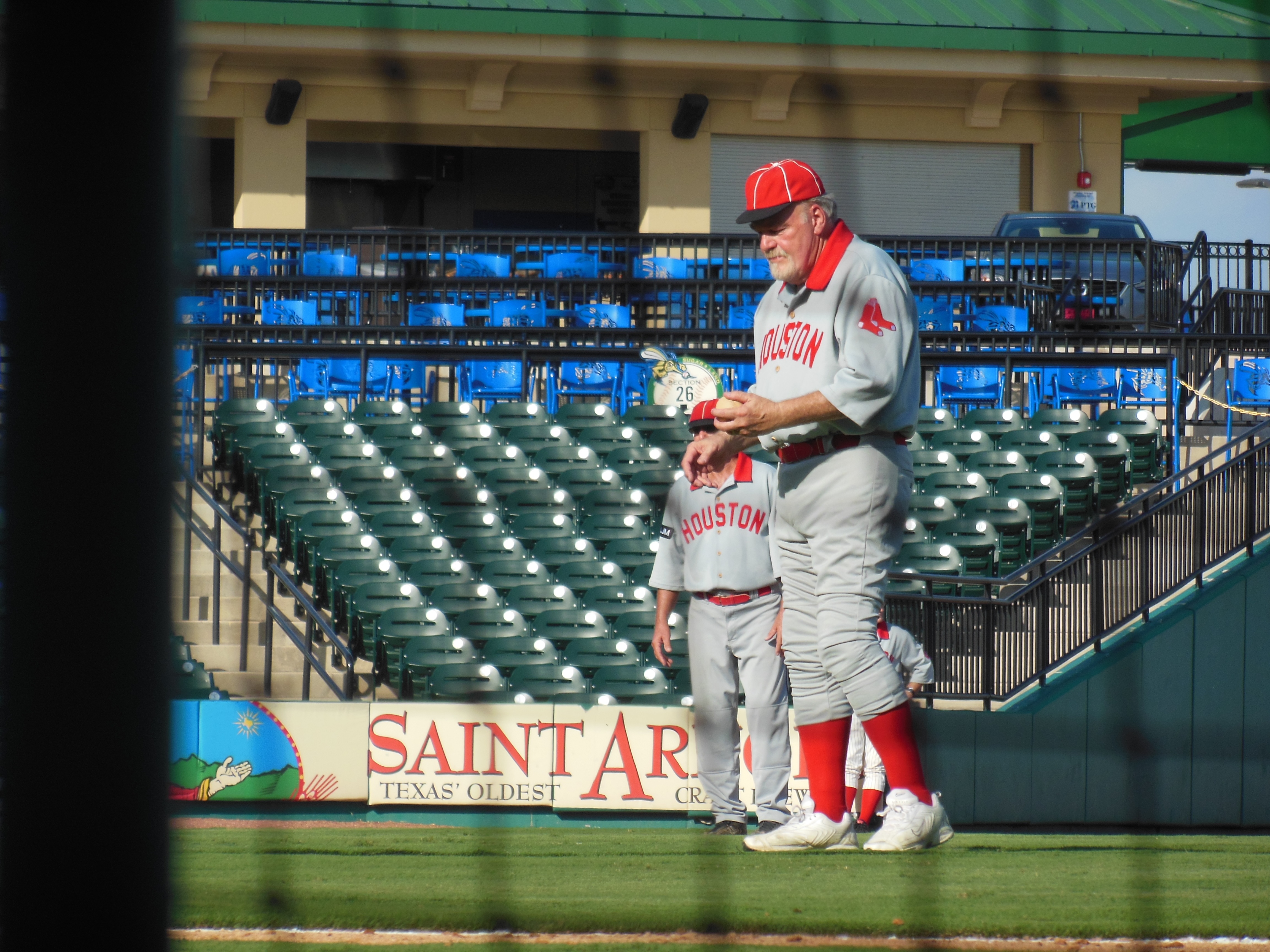
The Houston Babies swaggered into Constellation Field in Sugar Land Friday afternoon as though they had been sent on a mission by The Magnificent Seven.

The Houston Babies had come to town to give a good accounting of themselves.

The Houston Babies had come to town to give a good accounting of themselves.

For the first time in the five year period of their resurrection from the 19th century, the Houston Babies were invited to play vintage base ball yesterday at the site of a professional ball park against the up and coming Katy Combine.  The contest was scheduled as the pre-game entertainment and educational program at Constellation Field, home of the Sugar Land Skeeters, prior to their 7:00 PM, Friday, August 8th ATLANTIC league game with the Long Island Ducks.

The Houston Babies prevailed by a tally of 9-5 as Robert Blair of the Babies became both the first vintage pitcher to win a game on a professional field in the Houston area and also the oldest player on record to start in such a contest. We do think that the oldest player to pitch and play records were again broken late in the game when elder statesman Mike McCroskey entered the contest in relief of Rapid Robert Blair.

McCroskey inherited too big a lead to earn a record first-time old-guy save at a professional park, but we do give him modest praise for “Andy Warholing” the quick and fleeting fame earnings of the stalwart Mr. Blair.

Our Babies victory charge of day was simple: “PLAY LIKE YOU BELONG on a professional baseball field!” And so they did play, breaking a 3-3 tie with a 6-run roll in the bottom of the 2nd that the club then protected for the rest of the game like their last available pacifier.

Ah, those Houston Babies! ~ Ain’t life grand? Life is better than grand in the Babies baseball bed. ~ Life is good.

Babies Manager Bob Dorrill stayed on the top steps, making sure that all Babies kept their eyes, heads, and hearts in the game all the way.

Babies Manager Bob Dorrill stayed on the top steps, making sure that all Babies kept their eyes, heads, and hearts in the game all the way.

The McCroskey father & daughter team put together one of their patent family hits in the late innings today. He hit it and she ran it out safely. - When you have a dad whose nickname is "Piano Legs", you have to run for him.

The McCroskey father & daughter team put together one of their patent family hits in the late innings today. He hit it and she ran it out safely as a designated pinch courtesy runner. – You see, when you have a dad whose nickname is “Piano Legs”, you have to run for him.

As per usual, and as did the others, Jo and Bill Hale brought their complete game efforts to the Babies heat wave party in Sugar Land on Friday.

As per usual, and as did the others, Jo and Bill Hale brought their complete game efforts to the Babies heat wave party in Sugar Land on Friday.

The intensity of Mike McCroskey's pitching effort was unbelievable.

The intensity of Mike McCroskey’s pitching effort was unbelievable.

.... but Big Mac's efforts worked well enough to keep the thing going that young Bobby Blair had started,

…. but Big Mac’s efforts worked well enough to keep the thing going that young Bobby Blair had started,

Later in the evening, the Sugar Land Skeeters would blast the visiting  Long Island Ducks out of the skies by 11-3 on these same grounds. It marked the first time in history for good results when babies and mosquitoes showed up in the same place on the same day.

Later in the evening, the Sugar Land Skeeters would blast the visiting Long Island Ducks out of the skies by 11-3 on these same grounds. It marked the first time in history for good results when babies and mosquitoes show up in the same place on the same day.

The post-game photo of the Babies was even happier.

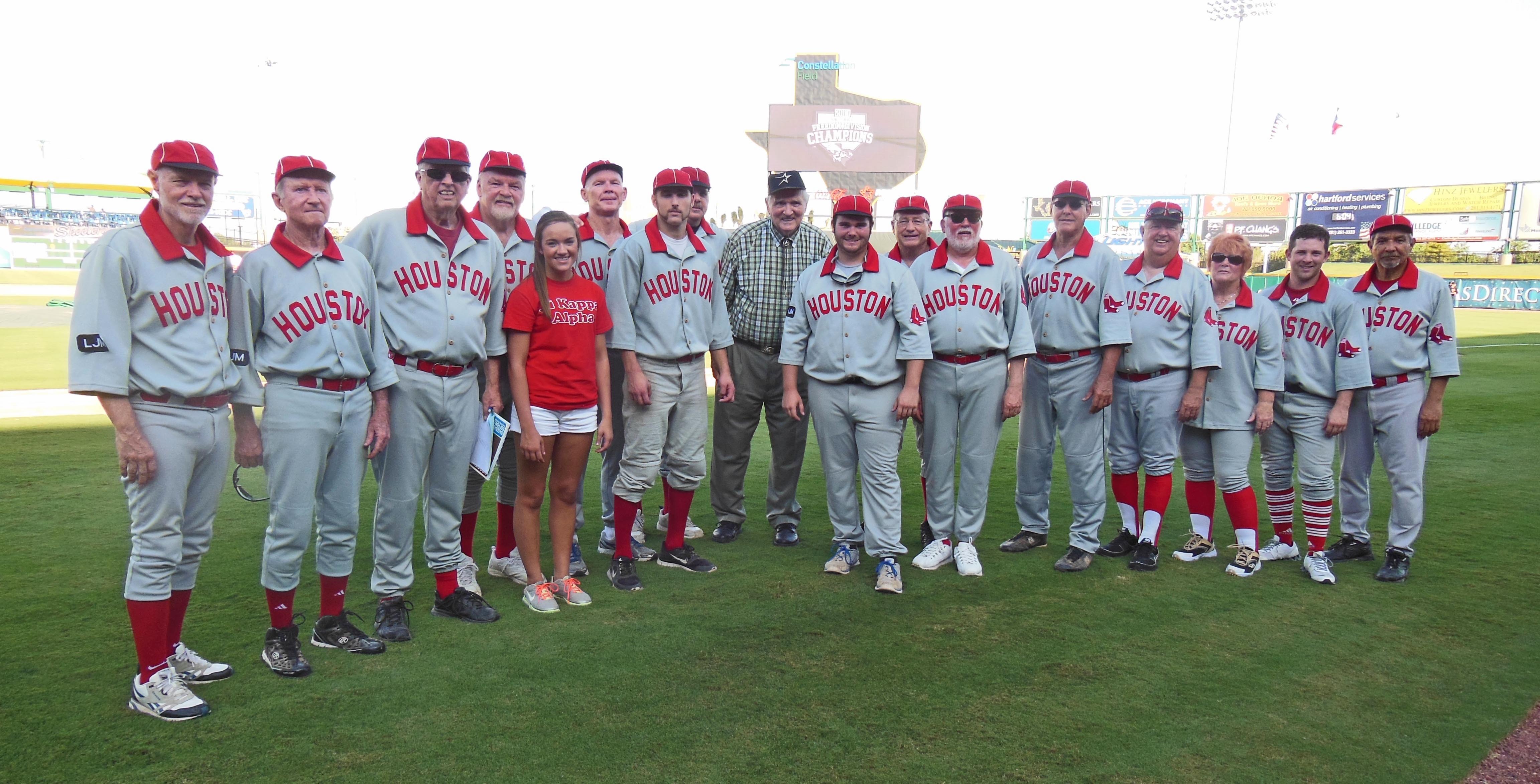
The post-game photo of the Babies was even happier, and it also added the additional bright red jersey presence of Miss Megan McCroskey and the street clothes inclusion of a venerable and much loved former Houston Buff, Mr. Larry Miggins.

Larry Miggins joined us in the Houston Babies dugout in preparation for his date on the mound to throw out the first pitch prior to the Skeeters game.

Larry Miggins joined us in the Houston Babies dugout in preparation for his date on the mound to throw out the first pitch prior to the Skeeters game.

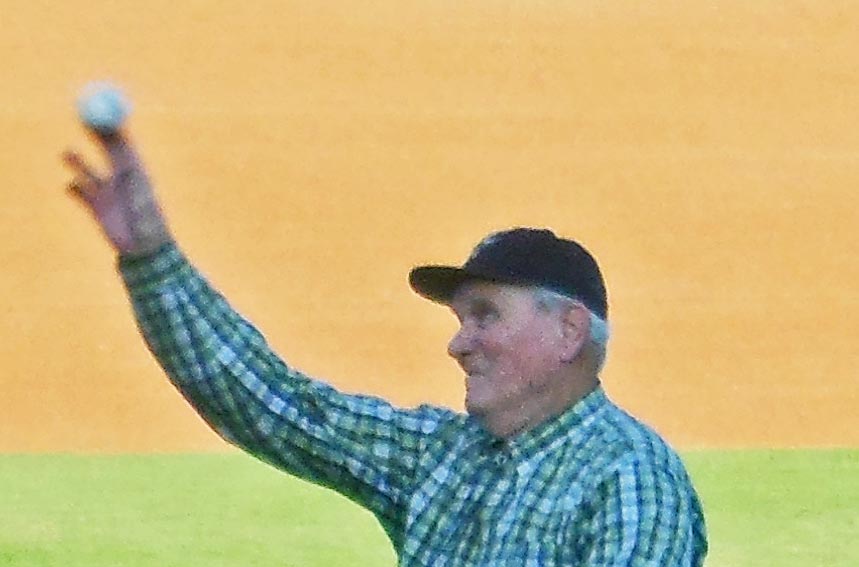
To cap the evening, Larry Miggins did throw out the first pitch prior to the SL Skeeters game and then went upstair to sign autographs for fans at the SABR table. It was a great night for all and we, SABR and the Houston Babies, want to thank Tal Smith, Deacon Jones, and everyone at Constellation Field for making it all possible,

To cap the evening, Larry Miggins did throw out the first pitch prior to the SL Skeeters game and then went upstair to sign autographs for fans at the SABR table. It was a great night for all and we, SABR and the Houston Babies, want to thank Tal Smith, Deacon Jones, Ira Liebman, Tom Kennedy, and everyone else  at Constellation Field who had a hand in making this great date possible.

For his first pitch, Larry Miggins chose to unleash his two-fingered parabolic glider fork ball. The ball split the outside black rubber line in what could have been a nearly unhittable strike.

For his first pitch, Larry Miggins chose to unleash his two-fingered parabolic glider fork ball. The ball split the outside black rubber border line in a nearly unhittable area of the strike zone.

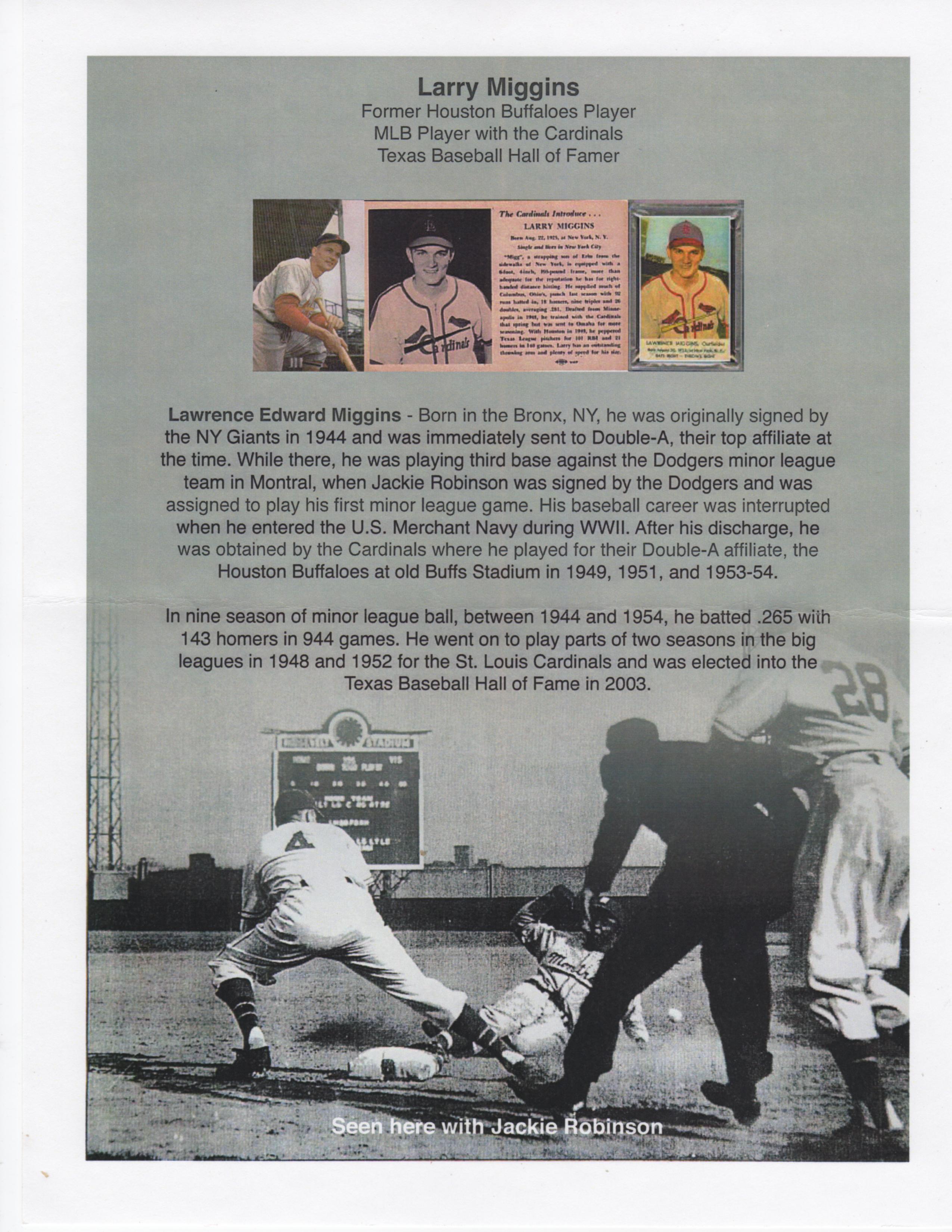
In conclusion, here's a copy of the flyer prepared by writer/historian Tom Kennedy in honor of Larry Miggins and his visit to Constellation Field this August evening.

In conclusion, here’s a copy of the flyer prepared by writer/historian Tom Kennedy in honor of Larry Miggins and his visit to Constellation Field this August evening.

The Philadelphia Story in Photos

August 9, 2013
the artfulness of life fingers into the sky ...

the artfulness of Philadelphia Life fingers into the sky …

as the drums of the people beat constantly by ...

as the drums of the people beat rhythmically high …

old heroes include Eagles ... on bednaik! ,,, on pihos! ...

old heroes include Eagles … on bednarik! … on pihos! …


but the biggest sports heroes never even wore a leather helmet ...

but the biggest sports heroes never even wore a leather helmet …

and ka-boom and ka-pow! ...

and ka-boom and ka-pow! …

some Philadelphia dreams leap up from the ooze of material poverty ...

some Philadelphia dreams leap up from the ooze of material poverty …

but it doesn't matter here a dream starts ... as long as it has the root-strength to blossom into a creative, productive, and giving hope-fulfilled. ...

but it doesn’t matter where a dream starts … as long as it has the root-strength to blossom into a creative, productive, and giving hope-fulfilled. …

the people who gathered here in 1776 were dedicated to the road of liberation that would only ring clearly true once it became available to all people - and not just held back for only those people who look like some of us. ... it is a goal that must be fought for and defended forever. ...

the people who gathered here in 1776 were dedicated to the road of liberation that would only ring clearly true once it became available to all people – and not just held back for only those people who look like some of us. … it is a goal that must be fought for and defended by all of us … forever. …

look in that lower window beyond the floral garden. ... that's the Liberty Bell.

look in that lower window beyond the floral garden. … that’s the Liberty Bell.

and this is the place from within Independence Hall in which Thomas Jefferson and Friends once signed off on our unalienable rights to "life, liberty and the pursuit of happiness" ...

and this is the place from within Independence Hall in which Thomas Jefferson and Friends once signed off on our unalienable rights to “life, liberty and the pursuit of happiness” …

a North Philly neighborhood by day ...

a North Philly neighborhood by day …


same Philly neighborhood by night. ...

same Philly neighborhood by night. …

here's an example of what a city has left to admire and raise hopes upon ... when they don't tear down all of their old buildings and turn them into parking lots and strip malls. ...

here’s an example of what a city has left to admire and raise hopes upon … when they don’t tear down all of their old buildings and turn them into parking lots and strip malls. …


celebrate the architectural feast for the eyes and soul that is City Hall ...

celebrate the architectural feast for the eyes and soul that is City Hall …

and take in a ballgame at Citizens Bank Park. ...

and take in a ballgame at Citizens Bank Park. …

... and don't forget to say thank you to Philadelphia for taking such good care of the common bond start of our American Independence.

… and don’t forget to say thank you to Philadelphia for taking such good care of the common bond start of our American Independence.