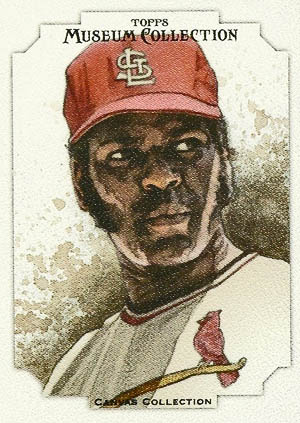
There wasn’t any talk of the lively ball back in 1968 when Bob Gibson took the mound for the St. Louis Cardinals.
These two articles from the 1921 Galveston Daily News speak in detail to today’s column headline. Babe Ruth, home runs, power hitting in general and the ban upon things pitchers from the dead ball era were allowed to do to baseballs, plus the increased use of new balls whenever a ball-in-play became scarred and more amenable to a pitcher’s special grip needs. etc. – these were all contributing to bigger scores, worse pitching stats and far less base running. – The get-on-base-and-wait-for-a-home-run era that later became synonymous with the managerial style of Earl Weaver’s tenure at Baltimore actually had been brought about some fifty years before old irascible Earl even came to the helm of the Orioles.
Like the Chicken Littles of 1930 who fretted over the super lively ball that ballooned offensive stats that year, and later, those of 1968 who seemed to curse the death of all offense, some writers of the early 1920s also were having trouble with changes in the game that seemed to be killing baseball as they felt it should always be played – one with dominant itching, defense, low scoring, and a lot of strategic base running.
Hope you can read these two articles from 1921. They fail to cover the biggest reason why MLB was happy to look the other way from straight answers about the new lively ball, as they often do on things that seem to help fill the gate, whether its legal or ethical, etc., as long as the game is putting butts in the seats of their ballparks, they denied that there was such a thing a new lively ball. Home runs were a crowd pleaser, as Babe Ruth and Company did their part in helping baseball move hard, fast and away for the 1919 Black Sox Scandal as quickly as possible.
Read the two articles – and let The Pecan Park Eagle know what you think of what they seem to be saying.
You may have to enlarge your screen to read these articles. Our apologies.
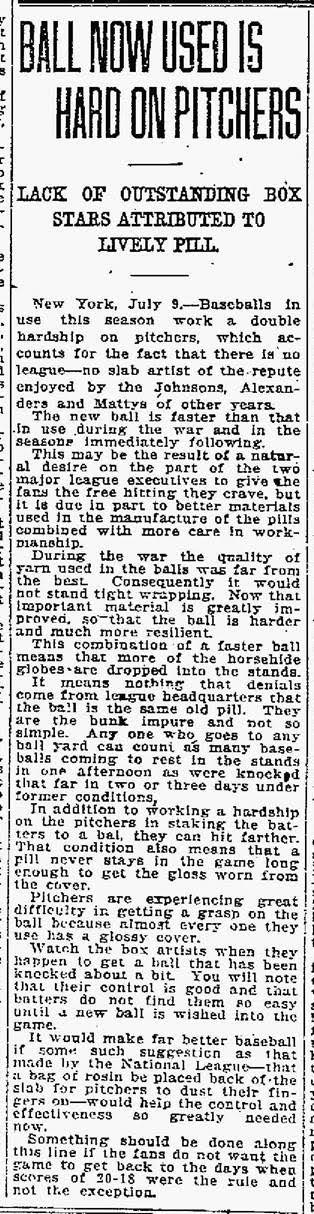
Galveston Daily New
July 7, 1921
Contributed by Darrell Pittman
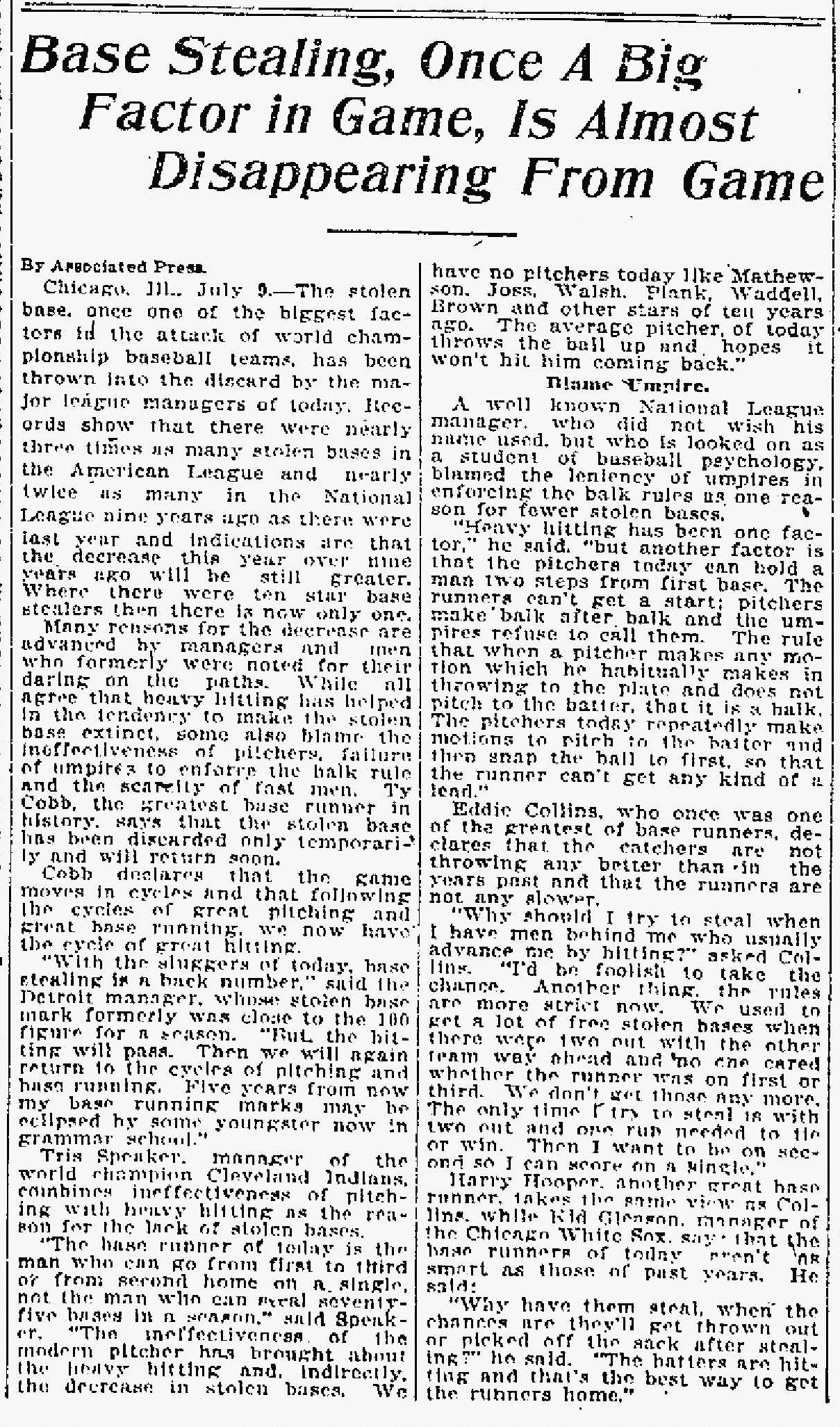
Galveston Daily News
July 10, 1921
Contributed by Darrell Pittman
______________________________

Tags: th fear of change is universal to all human experience.


Leave a Reply