Archive for 2013

Last Chance! Vote Today For George Springer!

August 21, 2013
VOTE TODAY, WED., AUGUST 21ST! VOTE FOR GEORGE SPRINGER AS MINOR LEAGUE PLAYER OF THE YEAR!

VOTE TODAY, WED., AUGUST 21ST! VOTE FOR GEORGE SPRINGER AS MINOR LEAGUE PLAYER OF THE YEAR!

Last Chance! Vote Today, Wed., August 21st, 2013, For George Springer as the USA Today Minor League Player of the Year!

I just found out about the deadline from Darrell Pittman or I would have written all of you earlier. Right now, Springer is nip and tuck behind a fellow named Archie Bradley, but  a late campaign in Springer’s behalf is pushing him hard toward the top.

Vote for George and get your friends to vote for him too. Right now, Bradley has a 49% to 45% lead, but Springer is riding hard as we come to the stretch.

Let’s put him over the top. The Astros could use the win – and so could we fans.

Here’s the link to the voting booth:

http://www.usatoday.com/story/sports/mlb/2013/08/13/minor-league-player-of-the-year-finalists-xander-bogaerts-archie-bradley-byron-buxton-miguel-sano-george-springer/2646791/

Buff Biographies: Bob Mabe

August 21, 2013

Buff Logo 12

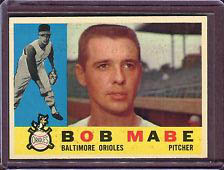
Bob Mabe (5’11”, 165 lb,) (BR/TR) will always hold the distinction of having been the last 20-game winner for the Houston Buffs. He attained that 20-win plateau when he led the 1956 Texas League and Dixie Series Champions to glory with a personal pitching record of 21 wins, 10 losses, an ERA of 2.83 and 195 strikeouts in 264 innings pitched. Many great and lesser known men found 20 wins on the Houston Buff staff over the years, but after Mabe in ’56, none found that magic again in the five remaining seasons (1957-61) of the club’s existence. 1956 was also the only 20-win year in the 10-season minor league history (1950-51, 1953-1960) of Bob Mabe. His minors career mark concluded with a total of 93 wins, 70 losses, and an ERA of 3.31.

Bob Mabe voluntarily retired from baseball in 1952, but he came back in 1953.

As a member of the 4th place Houston Buffs in 1955, his first of two total seasons in Houston, Bob Mabe put up his 2nd best record in history by going 16-10 with an ERA of 3.31.

Bob Mabe 01

As a 3-season big leaguer (St. Louis Cardinals, 1958; Cincinnati Reds, 1959; and Baltimore Orioles, 2 innings in 1960), Bob Mabe posted a light duty MLB tote board of 7 wins with 11 losses and a 4.82 ERA. Nevertheless, Bob Mabe did it in the twilight of those 16-team MLB days in which it was far less probable that any young aspiring pitcher would get there and see action at all. In that light, 142 total innings worked as an MLB pitcher is a pretty shiny accomplishment along the way.

Thank you, Bob Mabe, for being the last 20-game winner in the history of the Houston Buffs!

We don’t have much on the personal side of Bob Mabe’s life here at The Pecan Park Eagle beyond the monumental dates story, nor do we know if he had anything to do with organized baseball beyond his active career retirement at the end of the 1960 season. We do know that we was born in Danville, Virginia on October 8, 1929 – and that he also passed away in the city of his birth on January 9, 2005 at the age of 75.

Bob Mabe is buried at Highland Burial Park in Danville, Virginia.

God rest his soul in peace.

Buff Biographies: Al Lary

August 20, 2013

Buff Logo 12

Al Lary fell far short of being the greatest pitcher in Houston Buff history, but he still left his mark with that 4th place last Buffs club of 1961. The Buffs finished with a 73-77, .487 mark in their last minor league season in the American Association and Al Lary was their last double-digit wins leader for the year. His 15-9, 3.58 ERA mark paced the 1961 club.

In 1960, Lary’s first year with the Buffs, he went 12-8 with a 3.53 ERA – making it 27-17 for his two seasons in Houston. His 12 wins in 1960 also paced all Buffs pitchers in another mediocre year.

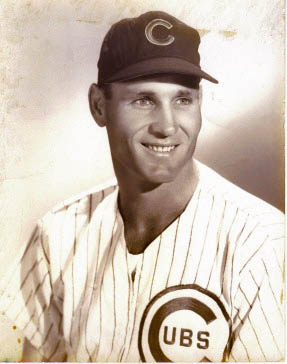
At 6’3″, 185 lb., the BR/TR Lary had come to professional baseball from the University of Alabama. He lasted for 12 minor league seasons (1951-52, 1955-64), compiling a career mark of 103-100, 3.76 ERA. He also had a two-cups-stop background with the Chicago Cubs as a major league pitcher for an 0-1, 6.53 ERA mark over 16 games in 1954 (1) and 1962 (15).

At 15-9, Al Lary was the last big winner for the Houston Buffs in their final season of 1961.

At 15-9, Al Lary was the last big winner for the Houston Buffs in their final season of 1961.

Lary was out of baseball in 1953. Although we are lacking confirmation this morning, our first guess is that his absence had to do with military service, rather than injury. The Korean Was was just ending in 1953 and Lary was age 24 in that last year of the war. We will attempt to get confirmation of military service or injury for 1953 and plug it in here as it arrives.

My memories of Lary are of a guy who had pretty good form, a pitcher who did well when he could get the batters to hit the ball on the ground to his fielders. He overpowered very few batters, depending greatly upon batters hitting playable and catchable balls. When the balls were hit hard, the hits fell, and Lary lost, but, for the last 1961 Buffs, he mainly won.

The next season, 1962, Houston’s first in the big leagues, Al Lary was in the other dugout on Opening Day as a reliever for the Chicago Cubs for his second and last season in the big leagues.

Al Lary was born in Northport, Alabama on September 28, 1928. He passed away in the same place on July 9, 2001 at the age of 72.

C&W Songwriting 101

August 19, 2013
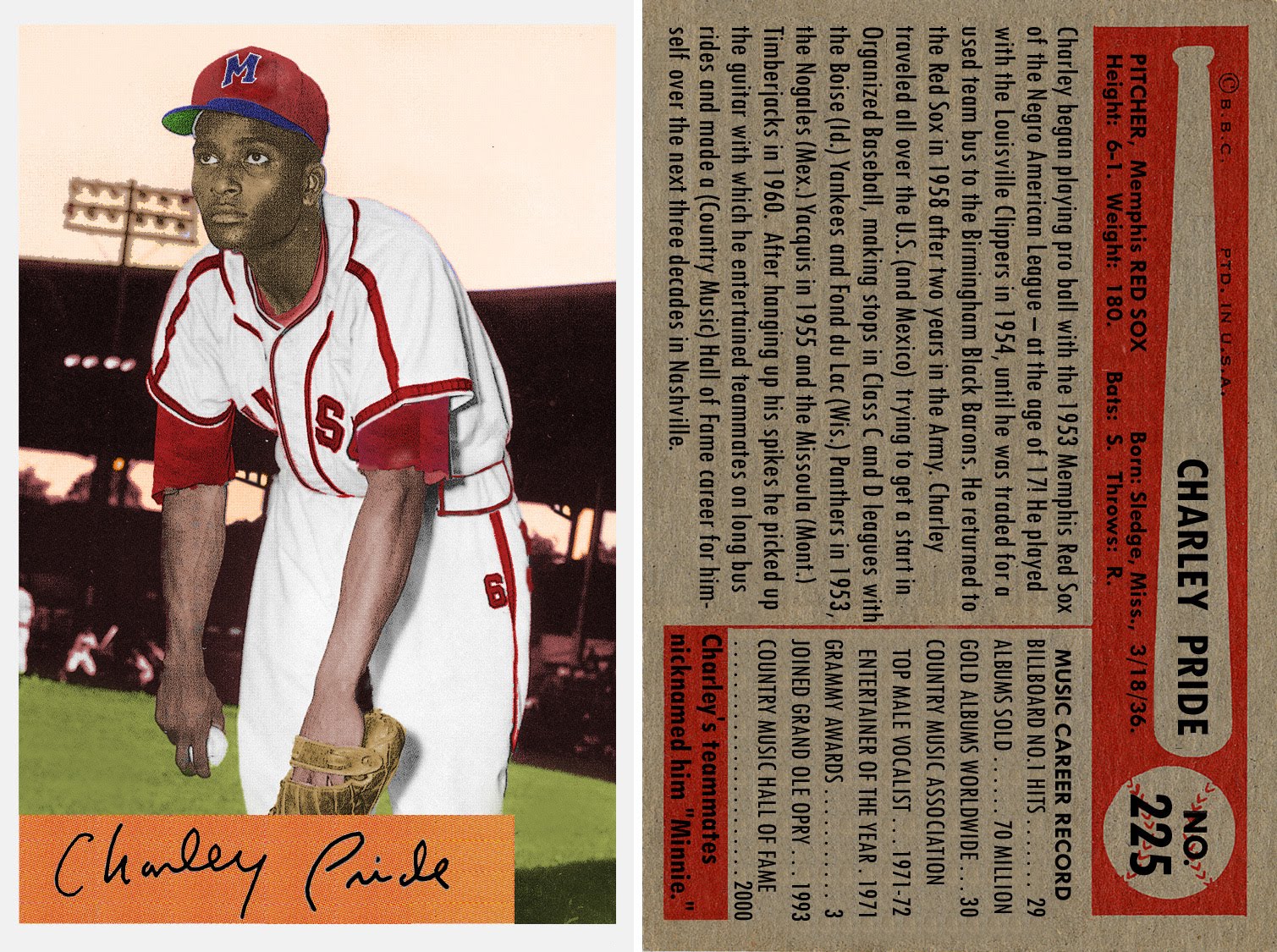
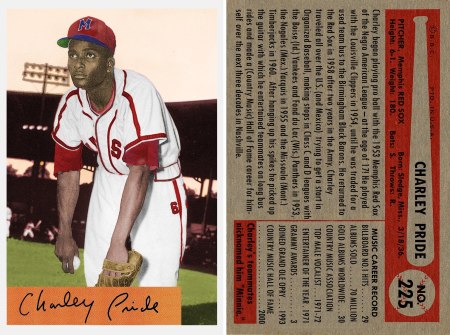
Charley Pride, the C&W star who will be here for Black Heritage Night in Sugar Land this coming Thursday night also played some minor league baseball before his singing career took off like a rocket.

Charley Pride, the C&W star who will be here for Black Heritage Night in Sugar Land this coming Thursday night, also played some minor league baseball before his singing career took off like a rocket.

Just doing a little background research on Charley Pride led me back into the fun regions of my own earlier dabbling with writing a few unpublished country and western songs and even way more titles and song lines. In my younger days, most of the ideas I got came from bars, but I am now four decades removed from that scene. Now I still get them from things I hear people say on TV or in conversation snippets at the ballpark – or anyplace else where people are willing to engage in speech without a lot of thought about what they are saying and who is listening.

I heard a snippet on the streets of Philadelphia a couple of weeks ago I could have used for today’s exercise, but I forgot it until now. This young man was saying to his apparent girl friend as he stopped her on the street to look her straight in the eyes and say: “They don’t need him. – They’ve got us.”

Wrap your mind around that one. There’s a song title and song in there somewhere for sure. It’s just waiting for someone to hear it and write it.

As a change of pace subject this morning, here are ten titles and/or first line lyrics as ideas that are brand new to me this morning. They all floated in on the whispers of the muses that are always with us, if we are but open to hearing them.

At the end of the list making, I’ve chosen one to develop into a one-stanza song. If you would like to take any of the others and develop it into a song too, all I ask is that you post your work here as a comment upon this column. The one I did also has a melody that I just developed for it. I just don’t know how to present that part of the produce without going to You Tube and I’ve never done that on any previous occasion. Maybe someday.

Anyway, it’s just for fun. Here’s my list, followed by the development work I did on entry # (9):

My 10 Best C&W Song Titles or First Line Lyrics (that haven’t had a song written about ’em yet):

10) “Please Drop That Stiff, and Come Over Here – I Think We’ll Find Love in a Cool Glass of Beer”

9} “You Shoulda’ Knowed – She Was No Good For You – No How”

8) “Life’s Real Good, But It Pulls Where It Should, When You’re Sittin’ in Your Truck, So All Alone”

7) “Kiss Me on the Lips, Darlin’ – Kiss Me on the Neck – But Please Git Rid of that Dry Old Chicken Peck”

6) “I Can’t Give You – The Keys to the Car – ‘Cause I lost It Shootin’ Pool at the Shoot-Em-Up Bar”

5) “Don’t Blame Me – I Didn’t Know You Were Comin’ Home Early – Don’t Blame Me – And Please Be Nice to Shirley”

4) “Cows and Bulls – And Blue Bluebonnets – Are Takin’ Me Back – To The Land That I Love”

3) “My Cheatin’ Eyes – Won’t Let My Heart – Be Hopeful – ‘Cause I Seen – Everything – You Done Last Night”

2) “I Ain’t Got Much – And I Ain’t Good Lookin’ – But I Sure Love – My Big Girl’s Cookin'”

1) “Left Out – On the Range – Were the Beer – And the Cantaloupe – Today”


And here’s my development of # (9) above:

“You Shoulda’ Knowed” (music and lyrics by Bill McCurdy)

You shoulda’ knowed – she was no good for you – no how

She fired that shot –  that left that scar – upon your brow

And every time – that you came in – just stinkin’ drunk – of too much gin

She banged you hard – for every sin – and that is how

You shoulda’ knowed – she was no good for you – no how


A Baseball Hall of Fame Dart Game

August 18, 2013
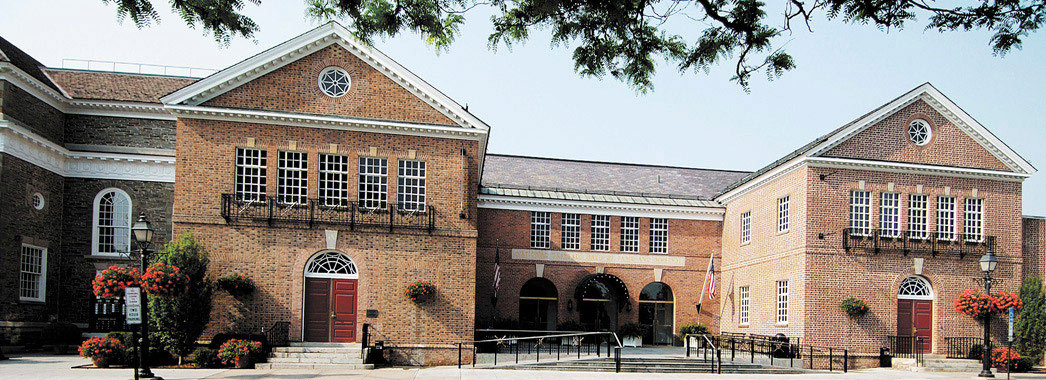
The Baseball Hall of Fame, Cooperstown, New York.

The Baseball Hall of Fame, Cooperstown, New York.

If they would only let you, and they never will, you could go to the great hall of member plaques in the Baseball Hall of Fame at Cooperstown, New York and throw darts at those individual memorials you could not read from across the room. Chances are good that 25 dart strikes later, you would have put together a team roster that could play with or beat any of the top MLB clubs playing today in 2013.

It simply isn’t going to happen, but here’s another possibility.

Thanks to the great and varied ways that Baseball Almanac puts together interesting data, it’s now possible to draft a quick team based on best performer variables by position. I put together the following table this morning that identifies the “best”   regular position, pitching, and managerial candidates by two variables. This decision doesn’t mean that I actually agree with every choice the data provided, but I do think we could play a pretty good game or two with the 17 separate players the data chose for the nine spots.

A Two Variable Look at the Best Players by Nine Positions and a Preferred Manager:

POSITION # IN HOF BEST B.A. B.A. MOST HR HR #
Catcher 13 Mickey Cochrane .320 Johnny Bench 389
1st Base 18 Dan Brouthers .342 Harmon Killebrew 573
2nd Base 19 Rogers Hornsby .358 Rogers Hornsby 301
3rd Base 11 Wade Boggs .328 Mike Schmidt 548
Shortstop 22 Honus Wagner .327 Ernie Banks 512
Left Field 20 Ed Delahanty .346 Ted Williams 521
Center Field 18 Ty Cobb .366 Willie Mays 660
Right Field 23 Babe Ruth .342 Hank Aaron 755
POSITION # IN HOF MOST WINS WINS MOST “K”S “K”S
Pitcher 61 Cy Young 511 Nolan Ryan 5,714
POSITION # IN HOF MOST TIME YEARS MOST WINS WINS
Manager 19 Connie Mack 53 Years Connie Mack 3,731 Wins

As a matter of personal preference, I would take these nine guys from their primes as my preferred all time lineup and batting order:

Willie Mays, CF

Rogers Hornsby, 2B

Babe Ruth, RF

Josh Gibson, C

Lou Gehrig, 1B

Hank Aaron, LF

Honus Wagner, SS

Brooks Robinson, 3B

Satchel Paige, P

I don’t expect all of you to agree with my picks, That right to different opinions is one of the things that has always made talking baseball a lot of fun, but what the heck! I wouldn’t protest too much if I was forced to take Joe Jackson or Ted Williams over Hank Aaron in left – or the great George Sisler over Lou Gehrig at first, or Christy Mathewson or Walter Johnson over Satchel Paige as my starting pitcher.

Heck again! We could go back to throwing darts in the Hall and probably pick a club that was better than most.

Please post your own dart game results, or choices, if you have any.

Have a nice peaceful Sunday, everybody.

Skeeters Celebrate Black Heritage August 22nd

August 17, 2013
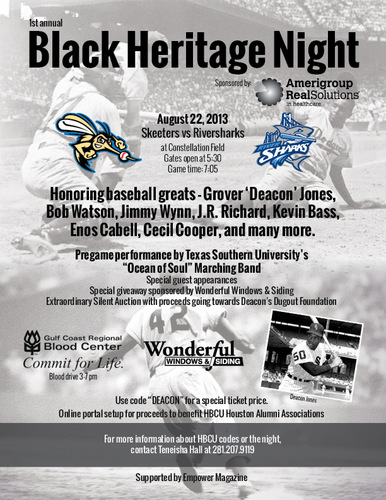
BLACK HERITAGE NIGHT ~ Rolling In on a TSU Ocean of Soul this Coming Thursday Night, Aug. 22nd, at Constellation Field in Sugar Land. ~ DON'T MISS IT!!!

BLACK HERITAGE NIGHT ~ Rolling In on a TSU Ocean of Soul this Coming Thursday Night, Aug. 22nd, at Constellation Field in Sugar Land. ~ DON’T MISS IT!!!

This coming Thursday night at Constellation Field, the winningest team in baseball, the Sugar Land Skeeters, are planning a major celebration of Black Heritage on their home turf and they are inviting all their fans in the Greater Houston area to take each other out to the ball game on a very special night to help make it as big a party as possible.

Deacon Jones Bobble Head Aug. 22, 2013

Deacon Jones
Bobble Head
Aug. 22, 2013

Former professional ballplayer and country and western music star, the great Charley Pride, is now also expected to be there too to join in the festivities with all the wonderful MLB celebrities that are congregating – and it is expected that all will be on hand for autographs too as part of the program.

The gates open at 5:30 PM. The Skeeters game with the Camden Riversharks starts promptly at 7:05 PM. In between those two ticks of the clock, a whole lot of soulful fun is planned for fans out on the green, green turf of home, starting with a performance by the famous “Ocean of Soul” Marching Band from Texas Southern University and a presentation including all those big names in Houston baseball history listed above – and then some. Word is out that we can also expect some surprise big names on the national level also checking in to speak on the big screen during the field program. The exact start of the speaking part of things is unknown at this time, but get there early and wait for whatever happens with the rest of us while the Ocean of Soul warms our blood.

Need another reason to get there early? Well, here it is: The first 2,000 fans through the gates this coming Thursday night will get there in time to have received one of those handsome Deacon Jones bobble heads, like that smiling soul you see in the photo on this page. – The designers of this great collector’s item have done a masterful job of depicting one of the greatest men of smiles and welcome in baseball. – It is “Deacon” to a T – with his hand of warm hello and welcome held high.

If the world ever gets around to founding a Great Human Beings Hall of Fame, please place my name in the company of those who will want to make sure that Deacon Jones is both nominated and inducted as a charter member. The man is just all heart and caring in everything he does. His plans flow like a passion river for doing the right thing – and for making sure that none of us ever forget the great trailblazers who used their abilities in the right way to make sure that black ballplayers enjoyed a place in the sun in baseball – from then to here to forever.

And that’s why none of you want to miss what Deacon Jones and the Sugar Land Skeeters have planned for us this coming Thursday night. It’s honest, so, please do both the fun and the right thing. Be there.

Check out the Sugar Land Skeeters website and get your tickets today. It’s going to be a very special night.

http://www.sugarlandskeeters.com/Home/

Baseball Uniform Numbers

August 16, 2013
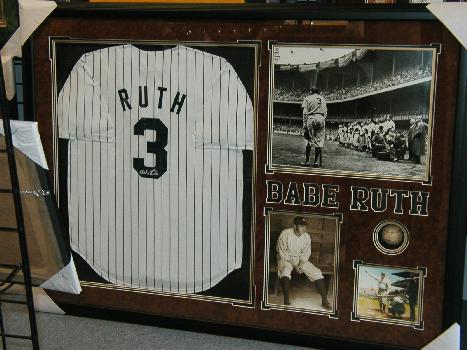
What was Babe Ruth's number? The first two guesses that weren't "3" don't count.

What was Babe Ruth’s number? The first two guesses that weren’t “3” don’t count, but don’t expect the giveaway answer portrayed in this photo. Ruth only wore the number “3”. They weren’t putting names on uniforms back in the late 1920’s and early 1930’s of MLB history. The number itself was assumed to be enough to connect the fan to a player name on his or her scorecard.

It seemed like such a simple idea. Why didn’t someone think of it, or execute it earlier, especially in those fresher days of baseball, when there was no electronically amplified sound system to broadcast the lineups or identify players in the field? Uniform numbers that were identified with specific players and then recorded on game programs and scorecards were a key addition to the fans’ enjoyment of the game, beginning in 1929, but not swelling all sixteen MLB teams full circle until 1931.

In 1929, the Cleveland Indians and the New York Yankees of the early 20th century group of stable sixteen clubs were the first to add player ID numbers to the backs of their uniforms.

In 1930, nobody took the dive. We assume the remaining 14 clubs were all stuck in “due diligence mode” as the Yankee and Indian players carried on the job of making ballplayers famous by the numbers.

In 1931, the dam broke. The Boston Red Sox, the Chicago White Sox, the Detroit Tigers, the Philadelphia Athletics, the St. Louis Browns, and the Washington Senators added their six clubs to the two that were already there. All 8 American League clubs were now wearing player ID numbers on their uniforms. Only the stodgy National League still held out from the gates of change.

In 1932, the National league’s 8 clubs joined the crowd when all of their teams (the Boston Braves, the Brooklyn Dodgers, the Chicago Cubs, the Cincinnati Reds, the New York Giants, the Philadelphia Phillies, the Pittsburgh Pirates, and the St. Louis Cardinals) added player ID numbers to their uniforms.

So, here’s an additional easy trivia question for you to insert in your next neighborhood baseball trivia quiz, in addition to all of the other obvious ones that are present in the information just presented:

In what year did both teams wear numbered uniforms in a World Series – and which clubs were they?

One more thing – as most of you already know: The New York Yankees started out in 1929 by also assigning numbers to regular position players on the basis of their places in the batting order. – Can you imagine the 2013 Houston Astros – or any other 2013 club doing that on any kind of sustainable basis?

The 1929 Yankees, of course, had a very special fixed regular position lineup known everywhere as “Murderers’ Row” and here they are, by their numbers, in their 1929 batting order:

1 – Earle Combs, cf

2 – Mark Koenig, 3b

3 – Babe Ruth, rf

4 – Lou Gehrig, 1b

5 – Bob Meusel, lf

6 – Tony Lazzeri, 2b

7 – Leo Durocher, ss

8 – Johnny Grabowski, c

Interesting to note, Mark Koenig was mainly a shortstop who only played a few games at third base in 1929, a year in which the Yankees did not have a strong third sacker. Had numbers been introduced in 1928, Koenig still would have been there at #2, but as the shortstop, and Joe Dugan would have been there at #7 as the 3rd baseman.

For further fun with the baseball uniform numbers historic file at Baseball Almanac, just click away to their site presentation:

http://www.baseball-almanac.com/baseball_uniform_numbers.shtml

DiMaggio and the 56-Game Hitting Streak

August 15, 2013
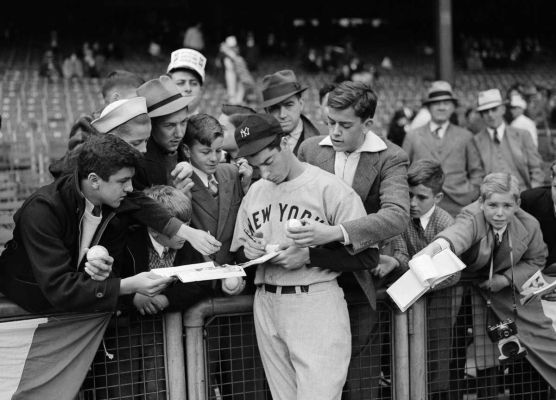
1941: Joe DiMaggio signing autographs during his famous 56-game hitting streak.

1941: Joe DiMaggio signing autographs during his famous 56-game hitting streak.

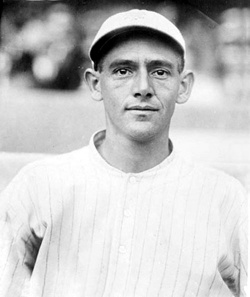
Joe Wilhoit 69 Games 1919

Joe Wilhoit
69 Minors Games
1919

The consecutive games hitting streak records for all of baseball are less famous than they really should be. We already know that Joe DiMaggio, the holder of the famous 56-game MLB mark from 1941, also did even better with San Francisco of the Pacific Coast League in 1933 when he hit safely in an amazing 63 straight games, but that wasn’t even the record. A fellow named Joe Wilhoit hit safely in 69 games for Wichita of the Western League in 1919. And get this – original Houston Colt .45 outfielder Roman Mejias hit safely in 55 straight games for Waco in the 1954 Big State League season.

Then there’s the quite famous Joe DiMaggio major league mark of 56 games – the one that many feel will never be broken by the way the game is played today. – What made Joe D. so special that his most famous record wasn’t even as great as the one he set eight years earlier at the minor league level? All I can offer is my humble opinion on what makes for a good streak hitter. I’m not sure that anyone can explain why the MLB record is now seen as unbreakable beyond the fact that the game has changed and that a streaking hitter today would probably be stopped by design before he got there.

Joe DiMaggio had an incredible batting eye – and that statement is right in there with the note that the sun rises in the east and sets in the west. Everyone on this list of MLB 30 consecutive game hitting streaks has or had a great batting eye. Although their batting styles vary greatly in many instances, none are pure mashers who either strike out, or else, blast the ball into space. A few had great power, but most did not. They all had incredible batting eyes, at least, for the seasons of their streaks.

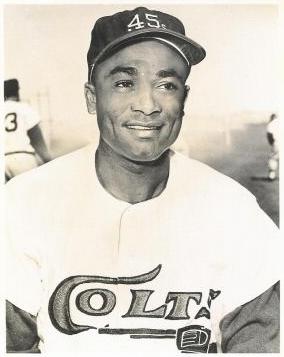
Roman Mejias 55 Minors Games 1954

Roman Mejias
55 Minors Games
1954

What they each shared was the ability to see pitches earlier and for longer periods of time. It was enough of an edge to have a better idea about what was coming and where it was landing – and whether or not it was hittable. My guess too is that they mostly shared an ability to adjust their bat movement and to – hit the pitch where it came in – and to “hit it to where they ain’t” on the defensive side.

It isn’t too hard to see why a great “seeing” hitter like Ted Williams never made this list. He didn’t adjust. If a pitched ball was two inches out of the strike zone, but still hittable, he didn’t swing – and he characteristically pulled everything to right. Lou Boudreau’s “Ted Williams Shift” to right was nothing less than a tribute to Teddy Ballgame’s intransigence on this matter of ego. Right field was his, or so he thought. He wouldn’t tap the ball to left, even if the other team gave him the whole territory on a fielders-free basis. I’m not sure how often Ted actually took advantage of the shift, but it certainly wasn’t often enough to constitute a successful adjustment.

Joe DiMaggio, on the other hand, was a tenacious opportunist when the other team gave him an intentional or accidental advantage of open field. He also found a way on fourth trip hitless game times a bat to find a pitch intended as a virtual ball four pass and lace it down the line for a streak-saving double. In fact, as you may recall, when Indians third baseman Ken Keltner stopped a ball racing down the line near third and turned it into a ground out end to “the streak” at 56 games, that was pretty much what DiMaggio was hoping to achieve one more time.

To sum it up, it takes good seeing eye qualities on pitched balls, an ability to adjust one’s hitting style, plenty of courage, and a whole lot of blind luck of one type or another to put together a really long hitting streak. As for stopping a hitting streak by design, a really good pitcher can stop you anytime he chooses to throw you truly unhittable pitches – or simply give you an intentional pass or hit you with a duster each time you come to bat. Fortunately, game integrity and the pitcher’s ego work against a supremely obvious attempt to stop any streak by pitching totally away from a batter – but I’m betting some club today would be willing to try it.

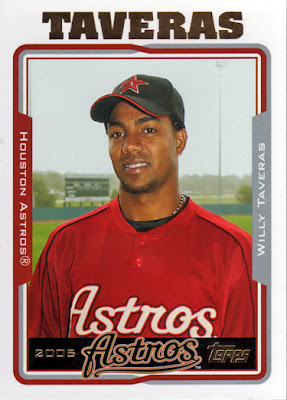
Willie Taveras 30 MLB Games 2006

Willie Taveras
30 MLB Games
2006

Some streaks are freaky. They build upon a player having certain abilities like speed that other teams don’t recognize in time to stop an individual’s run up the players’ record mast. With a little ability, the speed to run out normal ground ball outs, and the luck that spawns from a surprised defense, a guy like former Astro Willie Taveras made the list. In 2006, Taveras ran his shock-streak all the way to 30 games before he was finally stopped. It was enough surprise-time to leave Willie Taveras tied with a gazillion others, including the great Stan Musial, at 35th place.

Thanks again to the beautiful presentation work they do at Baseball Almanac, here’s how the 30 consecutive games list for MLB hitting streaks through the late part of the 2013 season looks this morning:

Major League Hitting Streaks (Prepared by Baseball Almanac)

Players With At Least 1 Hit in At Least 30 Consecutive Games

Rank Year Name Team League Games

1.

1941

Joe DiMaggio (AL Record)

New York

AL 56

2.

1896-1897

Willie Keeler (NL Record)

Baltimore

NL 45

3.

1978

Pete Rose

Cincinnati

NL 44

4.

1894

Bill Dahlen

Chicago

NL 42

5.

1922

George Sisler

St. Louis

AL 41

6.

1911

Ty Cobb

Detroit

AL 40

7.

1987

Paul Molitor

Milwaukee

AL 39

8.

2005-2006

Jimmy Rollins

Philadelphia NL 38

9.

1945

Tommy Holmes

Boston

NL 37
10. 1896-1897 Gene DeMontreville Washington NL 36

11.

1895

Fred Clarke

Louisville

NL 35


1917

Ty Cobb

Detroit

AL 35
1924-1925 George Sisler St. Louis AL 35


2002

Luis Castillo

Florida

NL 35
2006 Chase Utley Philadelphia NL 35

 16.

1938

George McQuinn

St. Louis

AL 34


1949

Dom DiMaggio

Boston

AL 34


1987

Benito Santiago

San Diego

NL 34

19.

1893

George Davis

New York

NL 33


1907

Hal Chase

New York

AL 33


1922

Rogers Hornsby

St. Louis

NL 33
1933 Heinie Manush Washington AL 33


2011

Dan Uggla

Atlanta

NL 33
23. 1922-1923 Harry Heilmann Detroit AL 32
1996-1997 Hal Morris Cincinnati NL 32
25. 1885-1886 Jimmy Wolf Louisville AA 31
1899

Ed Delahanty

Philadelphia

NL 31


1906

Nap Lajoie

Cleveland

AL 31


1924

Sam Rice

Washington

AL 31
1965-1966 Vada Pinson Cincinnati NL 31


1969

Willie Davis

Los Angeles

NL 31


1970

Rico Carty

Atlanta

NL 31
1975-1976 Ron LeFlore Detroit AL 31


1980

Ken Landreaux

Minnesota

AL 31
1999 Vladimir Guerrero Montreal NL 31

35.

1876

Cal McVey

Chicago

NL 30
1895-1896 Dusty Miller

Cincinnati

NL 30


1898

Elmer Smith

Cincinnati

NL 30


1912

Tris Speaker

Boston

AL 30
1922-1923 Charlie Grimm Chicago NL 30
1927-1928 Lance Richbourg Boston NL 30
1929-1930 Sam Rice Washington AL 30


1934

Goose Goslin

Detroit

AL 30


1950

Stan Musial

St. Louis

NL 30


1980

George Brett

Kansas City

AL 30


1989

Jerome Walton

Chicago

NL 30


1997

Sandy Alomar, Jr.

Cleveland

AL 30


1997

Nomar Garciaparra

Boston

AL 30


1998

Eric Davis

Baltimore

AL 30


1999

Luis Gonzalez

Arizona

NL 30


2003

Albert Pujols

St. Louis

NL 30

2006

Willy Taveras

Houston

NL 30


2007

Moises Alou

New York

NL

30

2009 Ryan Zimmerman Washington NL 30
2011 Andre Ethier Los Angeles NL 30

Rank

Yearn

Name

Team League Games


Skeeters Own Best Record in Baseball

August 14, 2013


The Sugar Land Skeeters' winning percentage of .692 is the best in baseball through 8/13/2013.

The Sugar Land Skeeters’ winning percentage of .692 is the best in baseball through 8/13/2013.

The “yin” and “yang” of baseball winning and losing have taken up residence in Houston in 2013. We’re pretty sure you already know of the “yang” part of this whole picture. So far, through all games of August 13, 2013, the Houston Astros of the American League have the worst record of 2013 – but it’s not just in major league baseball that they hold this position – theirs is the worst mark in all of baseball.

Now hold on for the “yin” that’s about to land on our collective chin: The Sugar Land Skeeters have the best overall winning 2013 record for all North American leagues that play full season baseball. Yes, we know it’s independent level ball, but listen, the Skeeters have done it, so far, in spite of the fact that they have lost a total of eight key players to organized baseball as the season plays on – and they appear to be in little danger of being overtaken by any of their closest challengers by season’s end.

The Pecan Park Eagle sends its congratulations out to Tal Smith, Deacon Jones, manager Gary Gaetti, and the entire Sugar Land Skeeters organization for a beautiful job well done. – Keep it up, good people!

Here are two charts, featuring the key teams from each organized league, and independent baseball as a single group, for all the leagues that play full-season baseball, showing the “biggest winners” and the “biggest losers”. In all case of leagues that play split seasons, the total 2013 record is used to determine their standings as the biggest winners and biggest losers in each league.

The “biggest winners” list is based on all games through May 12, 2013. The “biggest losers” group is based on games played through August 13, 2013.

Enjoy. Appreciate. Honor.  It takes a lot of dedicated effort to achieve either the yin or the yang of anything.

BIGGEST WINNERS ~

POSITION TEAM WON LOST PCT. LEAGUE
1 Sugar Land 74 33 .692 IND. BB
2 South Bend 75 45 .625 Midwest
3 Binghamton 70 51 .615 Eastern
4 Durham 76 48 .613 International
5 Atlanta 73 47 .608 National
6 Fort Myers 70 46 .603 Florida State
7 Potomac 71 47 .602 Carolina
8t Boston 72 49 .595 American
8t CC Hooks 72 49 .595 Texas
9 Savannah 68 48 .586 S. Atlantic
10 Lancaster 70 50 .583 California
11 Birmingham 70 51 .579 Southern
12 CD Carmen 63 46 .578 Mexican
13 Salt Lake 70 53 .569 Pacific Coast


BIGGEST LOSERS ~

POSITION TEAM WON LOST PCT. LEAGUE
1 Houston 38 80 .322 American
2 Minatitlan 37 71 .343 Mexican
3 Camden 39 69 .361 IND. BB
4 Miami 45 73 .381 National
5 Greenville 45 72 .385 S. Atlantic
6 Nashville 48 76 .387 PCL
7 Bradenton 46 70 .397 Florida St.
8 Burlington 46 69 .400 Midwest
9 Bakersfield 50 72 .410 California
10 Carolina 49 70 .412 Carolina
11 NW Ark. 50 71 .413 Texas
12 Pensacola 50 69 .420 Southern
13t Gwinett 53 72 .424 International
13t Toledo 53 72 .424 International


Have a nice “Hump Day” too, everybody!

Twenty-Game Winners on Last Place Clubs

August 13, 2013

Let’s call ’em “The Magnificent Seven” for being the only pitchers in baseball history for pulling off what seems like a nearly impossible, and certainly most improbable, accomplishment of winning 20 games for last place big league clubs in the 20th century.

The list includes Noodles Hahn, Scott Perry, Howard Ehmke, Hollis “Sloppy” Thurston, Ned Garver, Steve Carlton and Nolan Ryan.

Here’s a box on how they stacked up comparatively in their unusual record years:

YEAR PLAYER WON LOST E.R.A. TEAM WON LOST
1901 Hahn 22 19 2.71 Reds 52 87
1918 Perry 20 19 1.98 Phi A’s 52 76
1923 Ehmke 20 17 3.78 Red Sox 61 91
1924 Thurston 20 14 3.80 Chi WS 68 87
1951 Garver 20 12 3.73 Browns 52 102
1972 Carlton 27 10 1.97 Phillies 59 97
1974 Ryan 22 16 2.89 C Angels 68 94
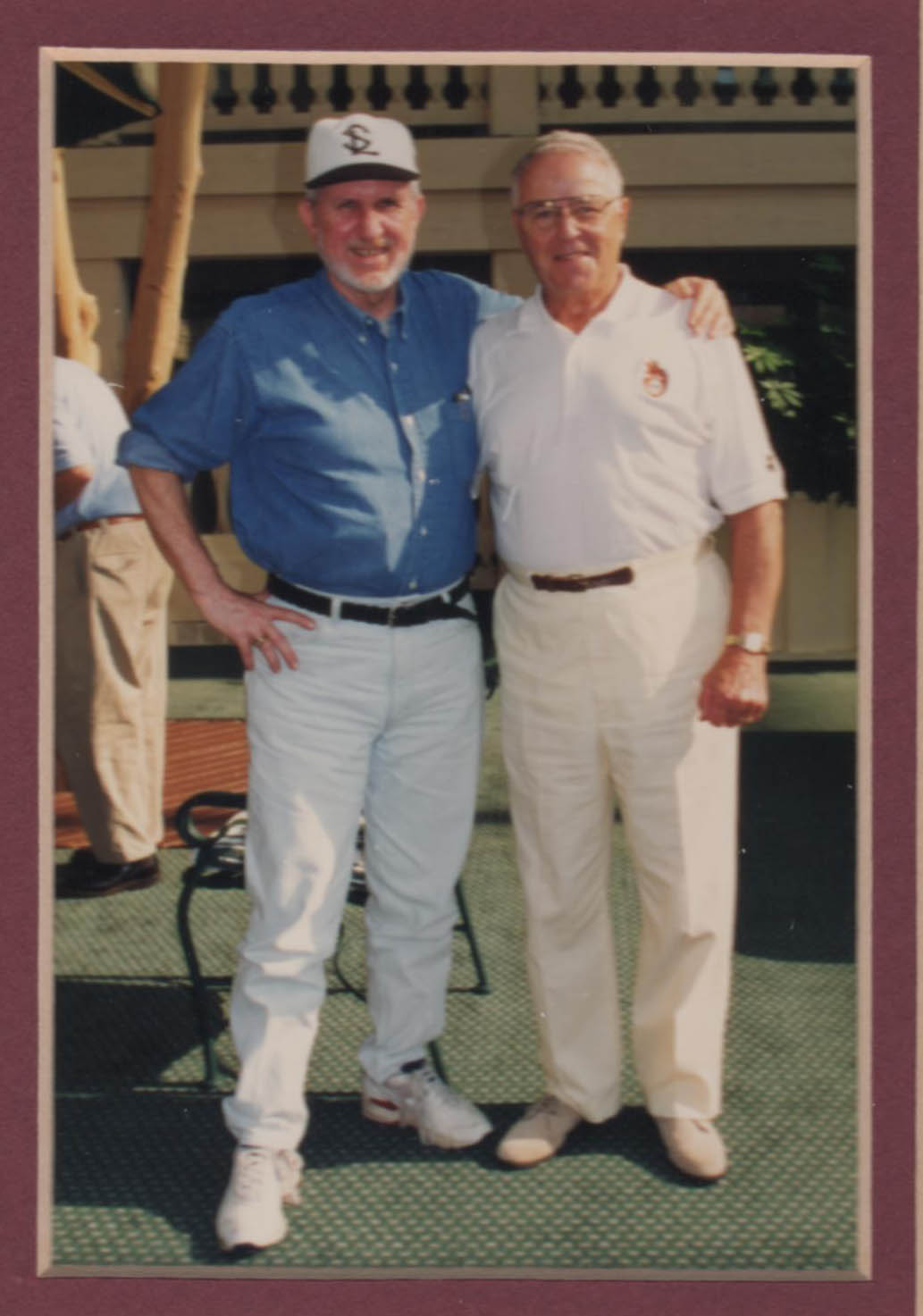
Bill McCurdy (L) & Ned Garver St. Louis, 1996.

Bill McCurdy (L) & Ned Garver
St. Louis, 1996.

Please note that Ned Garver of the 1951 St. Louis Browns is the only pitcher on the list to have won 20 games for a last place team that lost over 100 games in the same season. Ned, more than any of the others, and probably because I know him on a personal basis through the St. Louis Browns Historical Society, reminds me most of what Turk Farrell used to say about the 1962 season when he lost 20 games for the fairly hapless new expansion club, the Houston Colt .45’s.

“Do you realize how good I had to be to lose 20 games in a single season?” Turk used to ask in complete expectation of an understanding laugh or smile.

Let’s turn it round, Turk. How good does a pitcher have to be to do what Garver did in 1951 – win 20 games for a club that lost 102? As a kid at that time, it was both amazing and inspirational for me  to follow the Ned Garver season by radio, the Houston Post sports pages, and the weekly Sporting News.

In recent years, Garver has evolved into something of a comedic toastmaster at annual gatherings of the St. Louis Browns Historical Society and Fan Club. One of his stock deadpan lines goes something like this: “When the old Browns were still alive and playing ball in St. Louis, our fans never booed us. …. They wouldn’t dare. …. We outnumbered them.”

1951 was an equal distribution wins year for Garver. He won 10 games from 3 of the 4 winning clubs above the Browns and 10 games from all 3 of the losing teams that also finished higher than the last place Browns. The only team he never beat that season was the World Series Champion New York Yankees. He also had to defeat Chicago on the last day of the season to reach 20 wins. The effort also required him to hit a homer in that game that was instrumental to his winning cause. It was Garver’s only long ball of the season, but it provided a little cushion at the wrap of another ground-hard year for the St. Louis Browns.

Nothing really good comes easy.