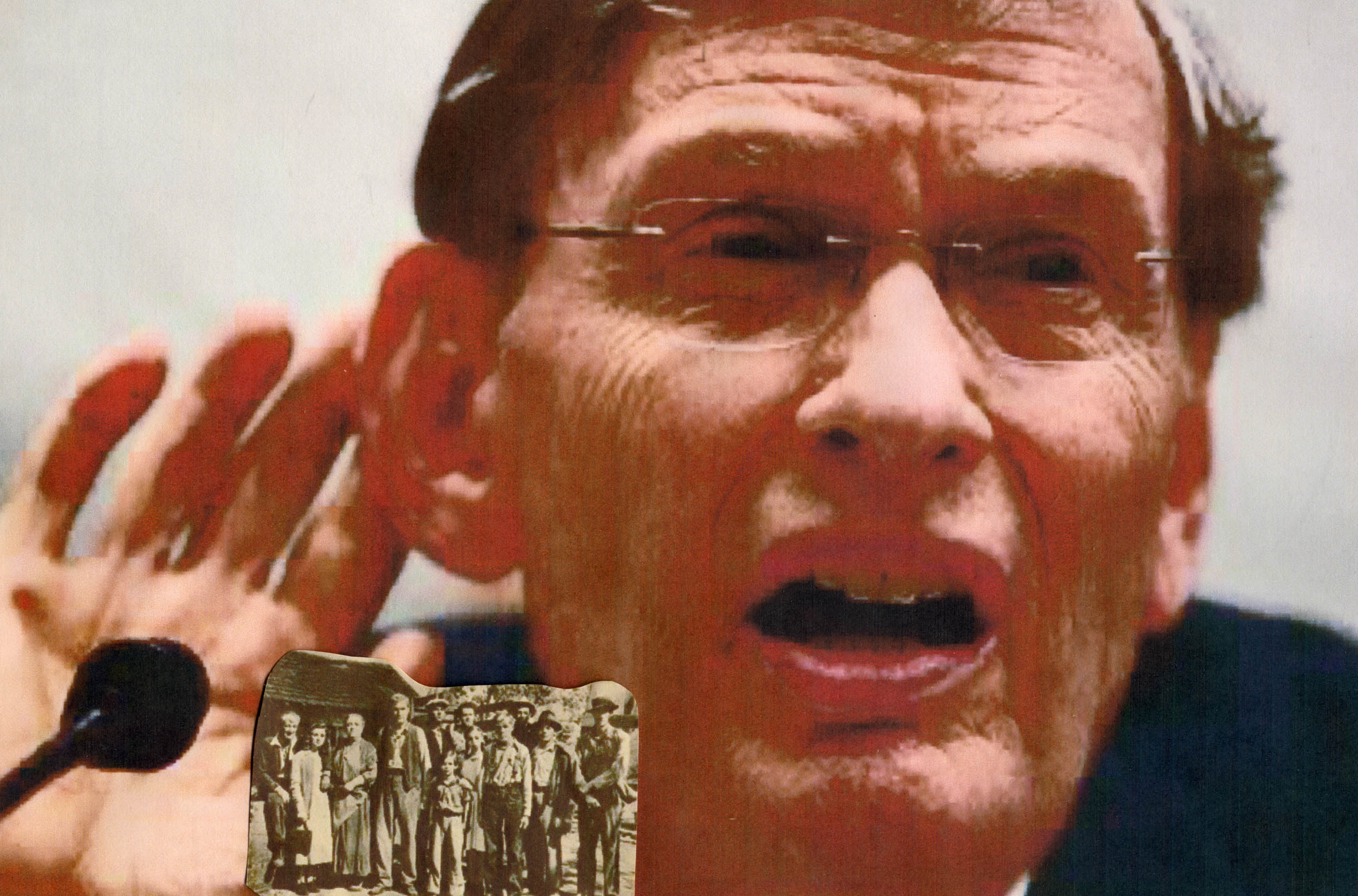
“COULD YOU PLEASE REPEAT THAT IN WAYS I LIKE TO HEAR?”
Before we kiss Commissioner Bud Selig goodbye and watch the baseball inside power brokers start greasing the skids for his induction into the Hall of Fame as the greatest “got-away-with-it” suckling of the game’s integrity since Hal Chase, why don’t we take a brief look at the most public example of his penchant for frittering away the idea of fair play by imperial mandate.
We now have a ten-year record of how Bud’s solution to All Star Game apathy has worked out. As no great surprise, the first decade of Selig’s All Star Game Plan has slipped by us all with hardly a mention, but that doesn’t mean that it hasn’t been harmful to baseball on other levels. What Selig did was throw away the idea that teams should always compete directly for any kind of advantage, runs, wins, home field, or whatever. – You simply don’t leave home field advantage in the World Series up to the league all-star team to determine who gets that leg up in the World Series to be played by some undetermined club three months later.
But he did. Bud Selig monkey wrenched the rules of fair play. Arising out of his own personal embarrassment and sense of failure in the 2002 All Star Game played in his home Miller Park in Milwaukee, Bud apparently felt he had to do something dramatic to either save the game from future apathy – or to distract people from the fact that it was his stance over how that game should be played that led to the real problem.
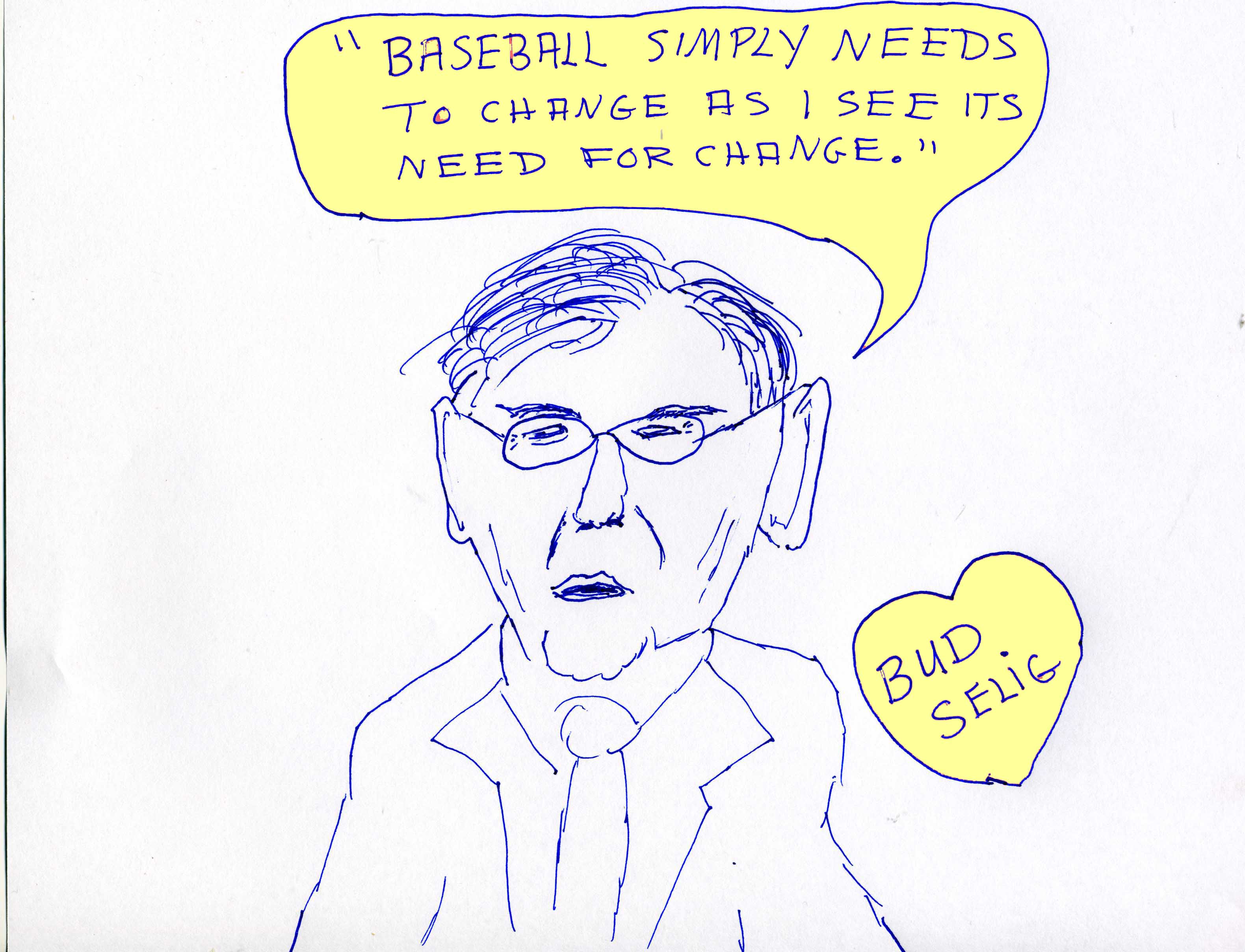
Here’s what happened, bare nuts: On July 9, 2002, the MLB All Star Game was played at Milwaukee’s band-spanking new Miller Park. It was an opportunity to showcase the squeaky clean and neat venue to the world – and an opportunity for Bud Selig to display himself before a world-wired television audience as one of the icons of that franchise’s 20th century history. Bud also brought with him the popular notion of that time that it was important to get all the players into the game, even on a brief token basis, if possible.
As a result, both leagues were pretty much running out of pitchers as the game rolled into the 9th inning. By the 11th inning, and the score still tied at 7-7, neither league had any remaining arms to pitch – without using position players at the risk of getting some very expensive ballplayer hurt doing something he ordinarily doesn’t do. It was time for everyone to huddle with the Commish on what to do.
Selig had little choice but to declare the first tie in All Star Game history with some kind of wide-eyed, ashen-faced promise to take steps to make sure this sort of thing never happened again. To late to help Selig personally. The time it happened, The time it happened, it happened in the park that his energy had helped to build.
Change in the actual game and how it was played was subsequently more driven by managers moving in the direction of holding players back as they would in regular league games. Selig’s big contribution to the war on all star game apathy was to attach this inappropriate reward to the winning league: Beginning in 2013, and continuing to this day, the league that wins the All Star Game also wins home field advantage in the World Series for the team from its ranks that plays in the Big Show that same year.
How fair is that? And how significant is it? And is the sort of decision-making that should be rewarded with a waltz card ticket to the Baseball Hall of Fame?
As we await the NL Cardinals and AL Red Sox in the 2013 World Series, Boston will have the home field advantage in the 2-3-2 game format, starting at Fenway Park, thanks to the 3-0 AL win back in July. It just means that, if the Series foes to 7 games that Boston will be assured of 4 home games versus only 3 for the Cardinals.
How’s it going, so far? Is there a significant relationship here between home field advantage and actually winning? The sample is to small now, but, so far, the team with home field advantage in the 10 games played by the Selig prescription has won 7 times. If that ratio holds for a century, my guess is that we would have to consider 70 wins against 30 misses as a significant result of having home field advantage.
Let The Pecan Park Eagle know your own thoughts on this particular Selig subject.
Here’s the chart:
FIRST DECADE: WORLD SERIES WINS BY CLUBS THAT GAINED HOME FIELD ADVANTAGE IN THE SUMMER ALL STAR GAME
| YEAR | ALL STAR GAME W | SCORE | WORLD SERIES W | TEAM WINNER | SERIES IN GAMES | SELIG W/L TAB |
| 2003 | American | 7-6 | National | Marlins | 4-2 | 0-1 |
| 2004 | American | 9-4 | American | Red Sox | 4-0 | 1-1 |
| 2005 | American | 7-5 | American | White Sox | 4-0 | 2-1 |
| 2006 | American | 3-2 | National | Cardinals | 4-1 | 2-2 |
| 2007 | American | 5-4 | American | Red Sox | 4-0 | 3-2 |
| 2008 | American | 4-3 | National | Phillies | 4-1 | 3-3 |
| 2009 | American | 4-3 | American | Yankees | 4-2 | 4-3 |
| 2010 | National | 3-1 | National | Giants | 4-1 | 5-3 |
| 2011 | National | 5-1 | National | Cardinals | 4-3 | 6-3 |
| 2012 | National | 8-0 | National | Giants | 4-0 | 7-3 |
| 2013 | American | 3-0 | ? | ? | ? | ? |
Have a nice Sunday, everybody! – And Good Luck to QB Case Keenum and the Houston Texans in Kansas City!
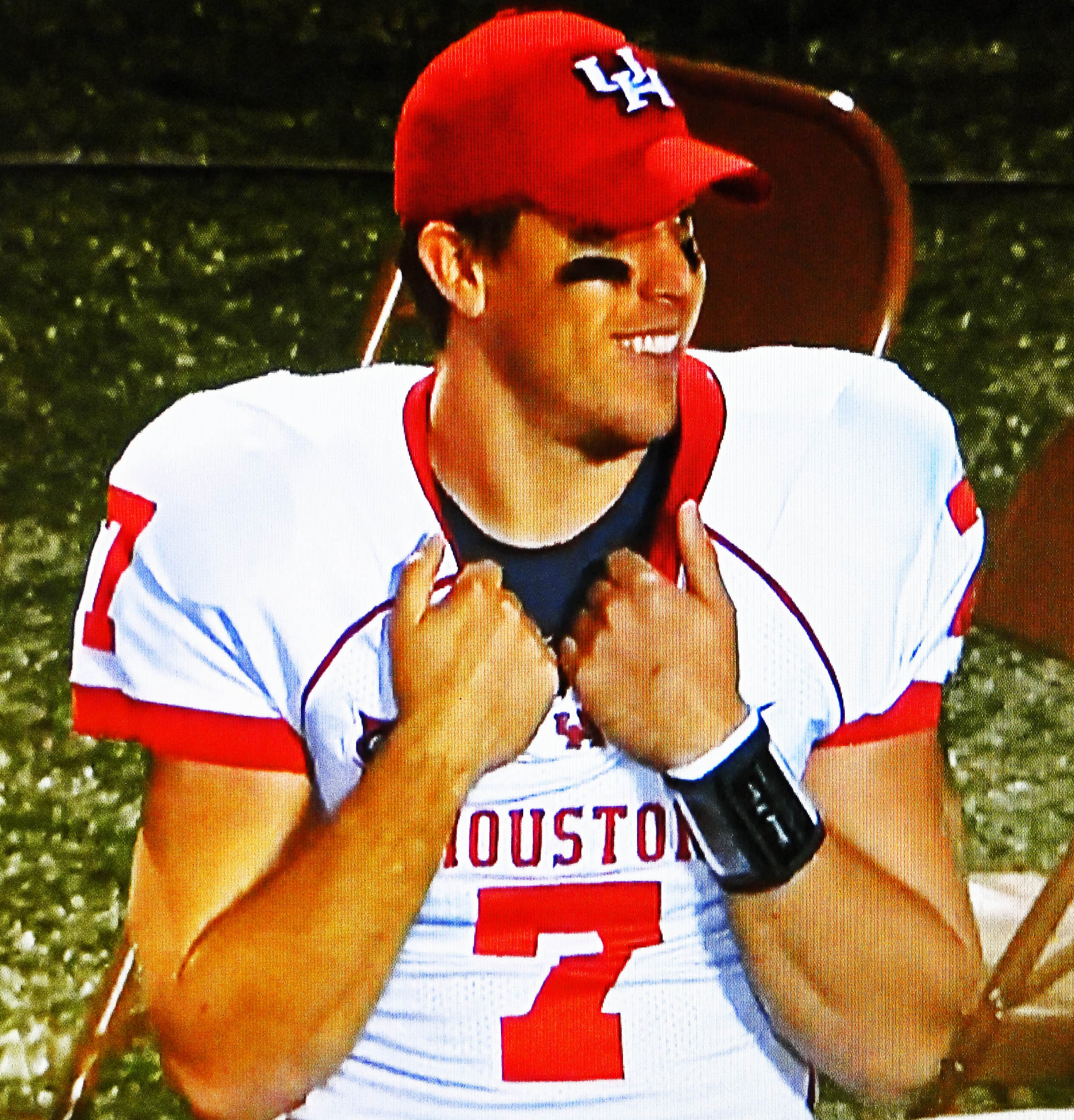
GO, CASE, GO!
 The Pecan Park Eagle
October 20, 2013 at 3:49 pm |
Bill, I am sorry, but I have to point out that only one of the 10 series you mention even went the full 7 games to account for an uneven number of home field chances for each team. Three more series went 5 games, the other way to reach an uneven number of home field appearances, and in those three, the team playing more games on the ROAD won two of them.
October 20, 2013 at 8:46 pm |
Mike, Points well made and taken, but my major point is not only about where they finish, but where they start, “HFA” assures that a team gets the opening two games at home and a guarantee, should it be needed, that Game 7 will be on your home turf. In my opinion, the psychological momentum of those two pluses is just as important, if not more so, than the actuality of playing Game 7 at home.
October 20, 2013 at 11:37 pm |
Hi, Bill, I think this is just a gimmick that (along with everyting else) waters down the leagues. I was much happier with the way it used to be…and would concede that the AL team have the DH at their park and deal with “real baseball” at the NL park (this coming from a Red Sox fan, mind you, living in Cardinal country). By the way, carrying in a pair of red socks & a (sainted) Pedro Martinez bobblehead did not endear me to my Bible study this morning.
For those SABR people out there…has there ever been a pair of people with longer last names pitcher/batter in the history of baseball other than Al Alburquerque pitching to Jarrod Saltalamacchia?
Sumner