Archive for 2012

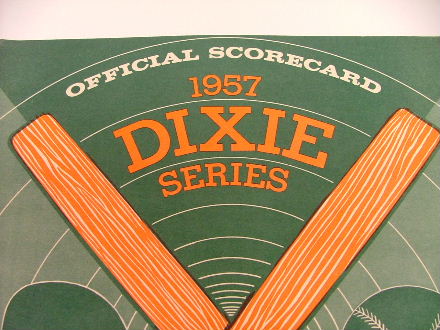
Buffs in The Dixie Series, 1920-1958

May 22, 2012

The Dixie Series, 1920-1958

For 38 seasons, the Dixie Series was the Super Bowl of minor league baseball in the South and Southwest. Created by the owners of the Texas League and the Southern Association, the Dixie Series was designed to emulate the meaning and format of the then 17 year old World Series that determined the so-called World Champions of a game played in few places back then beyond our national shores.

The World Series was major league and national. The Dixie Series was minor league and regional. The Midwest had their own minor league regional show in which the champions of the American Association and the International League played annually for supremacy in another best four games of seven competition that carried the weighty titles of Little World Series (1905-1931) and Junior World Series (1932-75) . The heavy meaning was intentional. We were supposed to think that the Little/Junior World Series regional match was merely a second and inch away from the big one, The World Series.

After the American Association shut down after 1997, the International League took on the champions of the Pacific Coast League, the  other surviving AAA level group from that era, in what was briefly (1998-2000) called the Triple A World Series, but that’s neither here nor there. Our focus today is the Dixie Series.

As kid growing up in Houston, the idea of the Buff making it to the Dixie Series was big – really big. The World Series was still biggest, of course. We only got grainy television pictures of the big league championship series, but we did get a picture to watch. The Dixie Series was far more mysterious. I was just one of the many East Enders who took the three strikes to our status zone that always seemed to find us at big game time:

No television  No tickets. No influence.

Thank God for radio and dear old Loel Passe. We didn’t miss a play from the Dixie Series that slipped by the critical objective (smile) eye of  Loel’s “hot ziggety dog and good old sassafras tea” observations and airways reports to the home crowd.

As far as I remember and know, there never was a plan in place to televise the Dixie Series back in the 1950’s. Neither baseball promoters or their network counterparts seemed to understand the commercial potential of television back then – and it’s a little hard to be cutting edge if no one in the kitchen even recognizes the cutting board they now have at their disposal.

Eventually, they all learned from Gillette, the first great all-by-themselves sponsor of those early World Series telecasts:

Look sharp. Feel sharp. Be sharp.

To look sharp – and be on the ball,

To feel sharp, and to have it all,

To be sharp, try Gillette Blue Blades,

For the smoothest shave you’ll ever know.

But I digress. Our story today is the record of the Houston Buffs in the Dixie Series.

The Houston Buffs made it to the Dixie Series eight times – and five of those appearances came during my 1947-1958 era as a Buffs-Texas League fan. The Buffs won it all in 1928, 1947, 1956, and 1957; they lost in 1931, 1940, 1951, and 1954.

Of special interest to me are these facts:

(1) The Buffs won the Dixie Series for the first time in 1928, their first year in residence at the new Buff Stadium;

(2) The 1931 Buffs (#42) and the 1941 Buffs (#65) are both ranked among the 100 greatest minor league teams of all time, but neither won the Dixie Series. The 1931 Buffs fell in seven games to the Birmingham Barons; the 1941 Buffs failed to even get there after falling in the Texas League post-season playoffs.

(3) Both the 1931 Buffs and the 1951 Buffs feel to the Birmingham Barons, the first in seven games, the second in six games, due greatly to health problems with their ace pitchers, Hall of Famer Dizzy Dean from 1931 and Wilmer “Vinegar Bend” Mizell from 1951.

(4) When the 1951 Dixie Series opened in Houston, a band took the field to play the National Anthem and also to perform numbers in honor of the two teams. For the Birmingham Barons, the band played “Dixie;” for the Houston Buffaloes, they came back with “The Eyes of Texas.”

(5) WHen the 1951 Dixie Series concluded in Houston with a 4-2 in games mastery by Birmingham, Buffs organist Lou Mahan played music to match the blue mood of Houston Buff fans. With the stands empty and the lights dimming, she was churning out a number that some of you older fans may remember as “I Remember You.”

I wasn’t there to know these facts first hand. We simply used to have sports writers who tuned in to the mood and disposition of Houston fans beyond the actual facts of a big game. In this instance, “I Remember You” served as a wistful reminder of how a few days earlier we had held such strong hopes for the Dixie Series Championship. And now they were gone, but still not forgotten.

What else can I say? It’s a long time Houston story – the remembrance of what might have been.

For the record, here are the outcomes for all Dixie Series matches:

 The Dixie Series 1920 – 1958

YEAR WINNING LEAGUE WINNING TEAM LOSING TEAM RESULTS
1920 Texas League Fort Worth Panthers Little Rock Travelers 4 games to 2
1921 Texas League Fort Worth Panthers Memphis Chicks 4 games to 2
1922 Southern Association Mobile Bears Fort Worth Panthers 4 games to 2
1923 Texas League Fort Worth Panthers New Orleans Pelicans 4 games to 2
1924 Texas League Fort Worth Panthers Memphis Chicks 4 games to 3
1925 Texas League Fort Worth Panthers Atlanta Crackers 4 games to 2
1926 Texas League Dallas Steers New Orleans Pelicans 4 games to 2
1927 Texas League Wichita Falls Spudders New Orleans Pelicans 4 games to 0
1928 Texas League Houston Buffaloes Birmingham Barons 4 games to 2
1929 Southern Association Birmingham Barons Dallas Steers 4 games to 2
1930 Texas League Fort Worth Panthers Memphis Chicks 4 games to 1
1931 Southern Association Birmingham Barons Houston Buffaloes 4 games to 3
1932 Southern Association Chattanooga Lookouts Beaumont Exporters 4 games to 1
1933 Southern Association New Orleans Pelicans San Antonio Missions 4 games to 2
1934 Southern Association New Orleans Pelicans Galveston Buccaneers 4 games to 2
1935 Texas League Oklahoma City Indians Atlanta Crackers 4 games to 2
1936 Texas League Tulsa Oilers Birmingham Barons 4 games to 0
1937 Texas League Fort Worth Cats Little Rock Travelers 4 games to 1
1938 Southern Association Atlanta Crackers Beaumont Exporters 4 games to 0
1939 Texas League Fort Worth Cats Nashville Vols 4 games to 3
1940 Southern Association Nashville Vols Houston Buffaloes 4 games to 1
1941 Southern Association Nashville Vols Dallas Rebels 4 games to 0
1942 Southern Association Nashville Vols Shreveport Sports 4 games to 2
1943 No Series WWII      
1944 No Series WWII      
1945 No Series WWII      
1946 Texas League Dallas Rebels Atlanta Crackers 4 games to 0
1947 Texas League Houston Buffaloes Mobile Bears 4 games to 2
1948 Southern Association Birmingham Barons Fort Worth Cats 4 games to 1
1949 Southern Association Nashville Vols Tulsa Oilers 4 games to 3
1950 Texas League San Antonio Missions Nashville Vols 4 games to 3
1951 Southern Association Birmingham Barons Houston Buffaloes 4 games to 2
1952 Southern Association Memphis Chicks Shreveport Sports 4 games to 2
1953 Texas League Dallas Eagles Nashville Vols 4 games to 2
1954 Southern Association Atlanta Crackers Houston Buffaloes 4 games to 3
1955 Southern Association Mobile Bears Shreveport Sports 4 games to 0
1956 Texas League Houston Buffaloes Atlanta Crackers 4 games to 2
1957 Texas League Houston Buffaloes Atlanta Crackers 4 games to 2
1958 Southern Association Birmingham Barons Corpus Christi Giants 4 games to 2

1958 was the last encounter in the Dixie Series between the Southern Association and Texas League. Beginning in 1959 it was replaced by the Pan-Am Series, the Texas League vs. the Mexican League.

 
SOURCE: The Encyclopedia of Minor League Baseball, Volume 2

Retrieved from “http://www.baseball-reference.com/bullpen/Dixie_Series


Three Names from the 1921 Houston Buffs

May 21, 2012

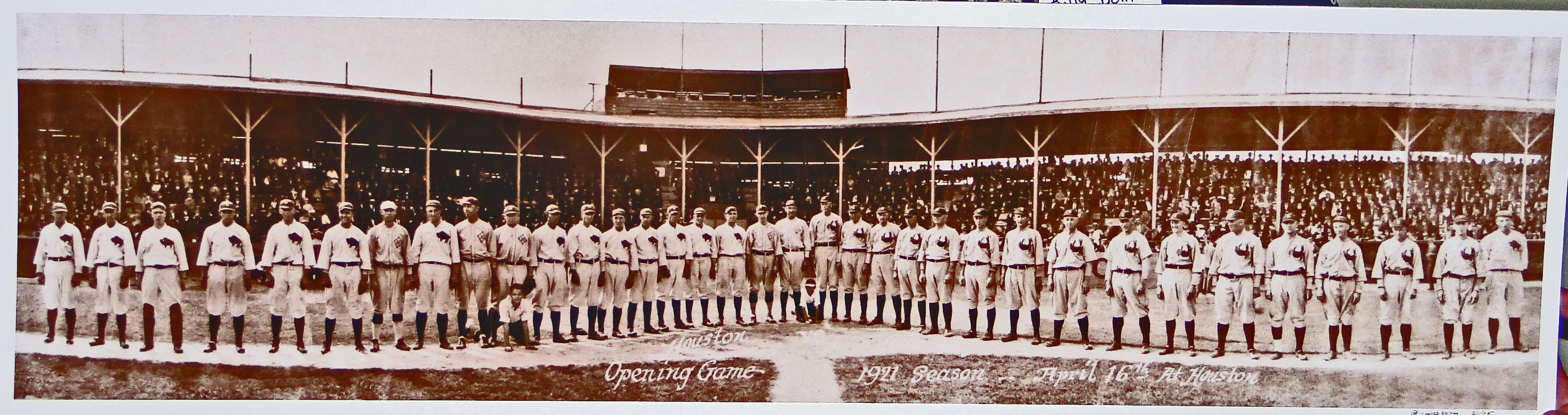
Opening Day 1921, West End Park, Houston.
– Courtesy of the Billy Buscha Family.

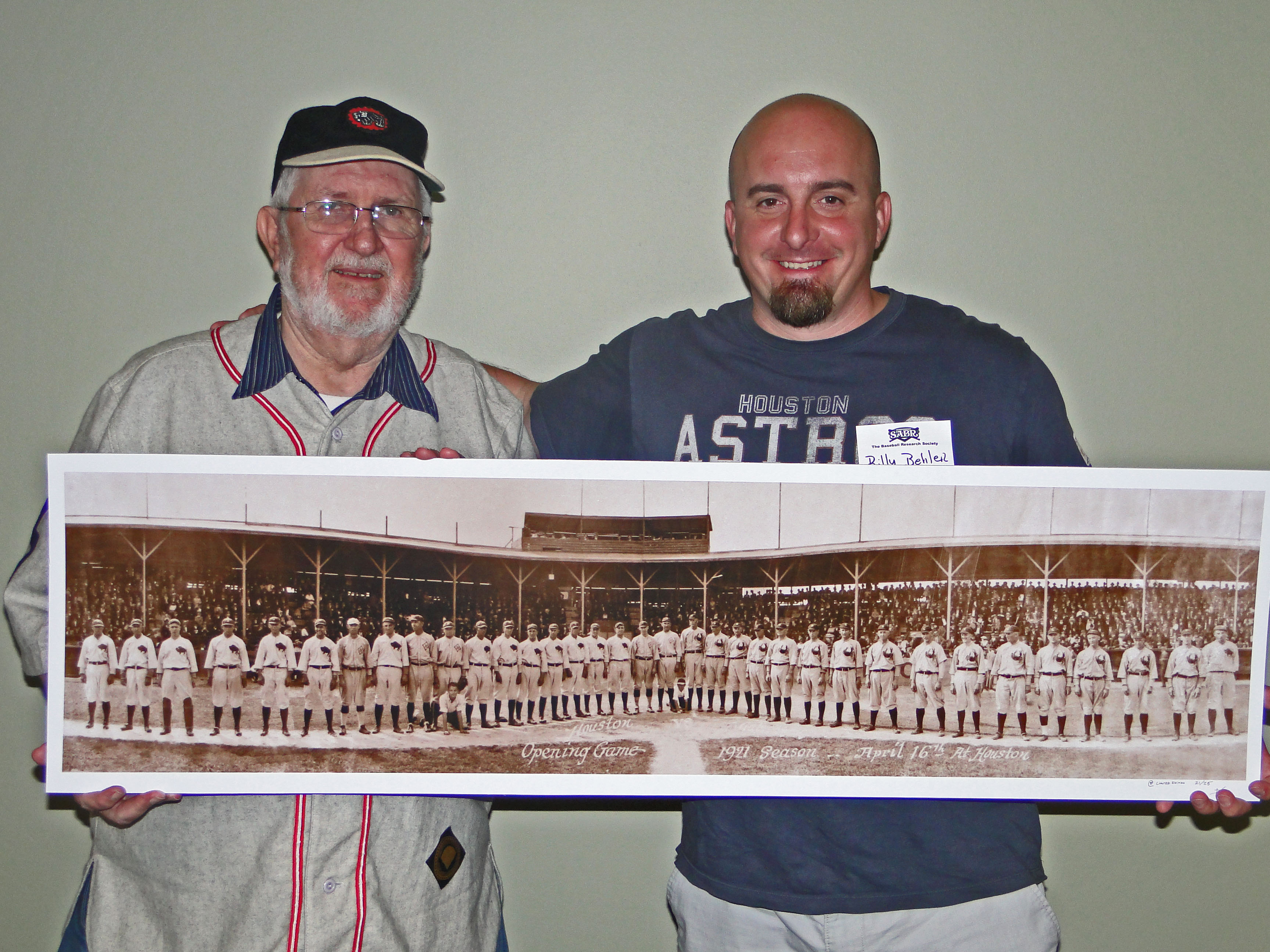
Saturday’s May Meeting at Minute Maid Park in Houston was a blast, indeed, and one of the highlights was the introduction of the panorama photo of the Houston Buffs and the visiting Galveston Sand Crabs as they prepared to square off at West End Park on Opening Day of the 1921 Texas League baseball season. The presentation was mad by Billy Behler of LaGrange, Texas, whose great-grandfather, Billy Buscha, was a pitcher for the ’21 Buffs. His family owns the negative to this previously unpublicized excellent picture of West End Park and Behler is now busy producing a limited edition print of the work for the sake of raising money for a memorial to his great-grandfather.

Another claim is made for the photo, but that claim must go unaddressed here until The Pecan Park Eagle receives the further documentation we have requested that could either verify, or come closer to banishing reasonable doubt. It’s nothing personal here in this request for evidence that goes beyond testimonial or pictorial reference alone.. It’s simply a statement of our SABR commitment to establishing hard proof for all historical claims.

Regardless of how the pending point turns out, the photo is valuable in itself. It also raised questions Saturday as to what players may have come from that 1921 Buffs team who either came to, or went on from, that club to bigger names in baseball. With great assistance from SABR’s Mark Wernick on our first entry, here are three names from the 1921 Houston Buffs that stretched a little broader than the boundaries of that single Texas League season:

George Whiteman, LF

 George Whiteman was 38 years old by the time he stood in that line as an outfielder for the 1921 Buffs. He would play a full season for the Buffs in 1921 and then return in 1922 to repeat his performance as an everyday player for the entire run. Whiteman, in fact, would go on to play in the minor leagues for other clubs for several years hence, finally retiring at the end of the 1929 season at the age of 46.

Prior to Opening Day 1921, Whiteman appeared in 86 games for the New York Yankees and Boston Red Sox over the three spread out seasons of 1907, 1913, and 1918. He batted a respectable .271 for his big league time and, as Mark Wernick  pointed out on his note to my column yesterday, Whiteman also started every game of the 1918 World Series for the Boston Red Sox.

George Whiteman apparently made Houston his home in retirement too. He died here in 1947 at the age of 64.

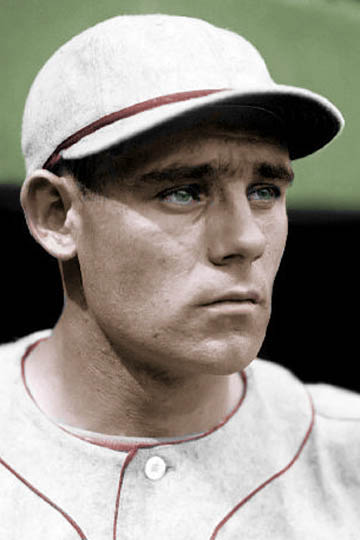
Ray Blades, CF

Ray Blades was only 24 and a season away from his 10-year big league career (1922-28, 1930-32) with the parent club St. Louis Cardinals on Opening Day 1921. Blades would go on to play for the first Cardinals World Series championship club of 1926 and again on their 1931 championship club. He would also player for two World Series losing Cardinal clubs in 1928 and 1930, but, my gosh, there really isn’t any losing to a ten season big league career that includes four World Series stops in the baseball world spotlight.

Ray Blades batted .301 for his major league career.

Jim Bottomley, 1B

  Jim Bottomley was best known for his sunny personality and the jaunty way he wore his baseball cap and smiled at everyone. At the age of 21 for the ’21 Buffs, “Sunny Jim” was also only a season away from his long career with the St. Louis Cardinals and some shorter finishing time with the Cincinnati Reds and St. Louis Browns (1922-1937).

Bottomley also would play for the Cardinals’ first two World Series champions of 1926 and 1931 and also be there for two World Series losing years of 1928 and 1930.

After hitting .310 lifetime in the big leagues, Bottomley was selected for the Baseball Hall of Fame by the Veterans Committee in 1974. And that’s some pretty tall cotton for the spikes of a young man who was only 21 when he took the field at West End Park for the Houston Buffs back in 1921.

Congratulations again to yo too, Billy Buscha. – You played with some pretty solid baseball guys back in 1921. These guys, and others among you, were not bad at all.

SABR At The Ballpark Scripts Perfect Day

May 20, 2012

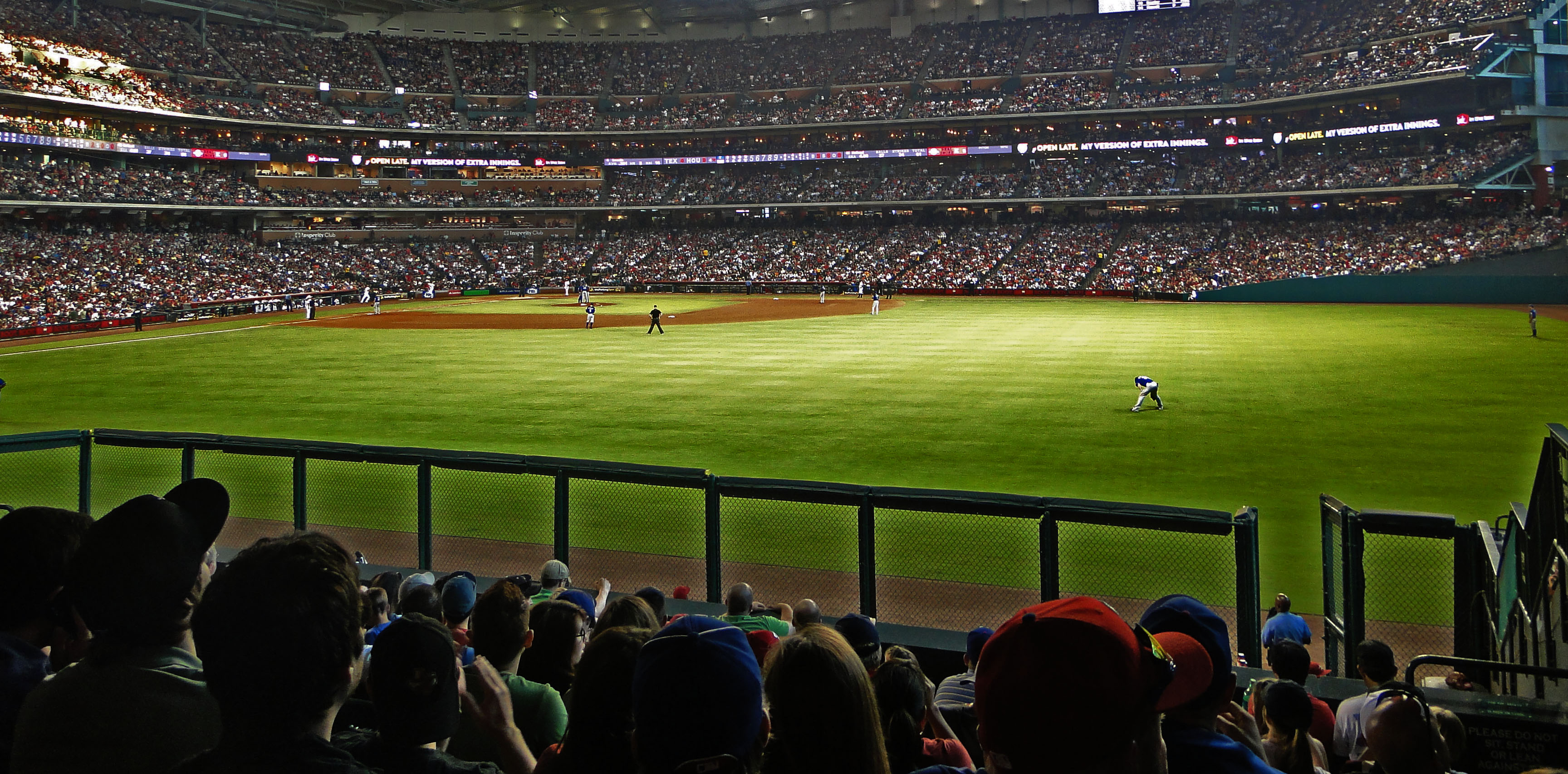
After the meeting in the board room at the ballpark’s Union Station, our view of the game from behind the Astros bullpen in right center field at Minute Maid Park. was good enough. I just had the misfortune of being the only aisle seat out for a line of fans who all suffered from the dual afflictions of unquenchable thirsts and unrelenting bladders.

When it gets down to the really important stuff, who could have asked for anything more?  We of the Larry Dierker SABR chapter pretty much had it all our way yesterday at the May 2012 meeting: a day at the ballpark with family and friends; a meeting that placed us directly in touch with the vision of Jeff Luhnow, the new Astros General Manager; some walk-off out-of-the-park status of change comments by Astros radio broadcaster Dave Raymond; and a beautiful from-the-heart and generationally connected presentation of an incredible West End Park photo from 1921 as shown by Billy Behler of LaGrange, Texas, the great-grandson of Bill Buscha, a pitcher for the 1921 Houston Buffs; and an exciting game in  which the scraping young Astros played exactly as Dave Raymond described them, coming back for an 0-4 deficit to homer they way past the big goats on the hill, the Texas angers, by a final score of 6-5.. All of that joy and the quiet satisfaction of walking outside after the game to be duly reminded by our cityscape, Thank God,  that we live in Houston, not Dallas – regardless of what all those “Hamilton & Co.” blue and re jerseys we saw on the inside suggested. The double play ending of the game was worth the price of admission in self, with Astros closer Meyers running down Ranger shortstop Andrus at second to end the monkey business at Astros 6 – Rangers 5.

There must have been more than 50 members in attendance. Thanks again to chapter leader Bob Dorrill the program was strong, attractive, and nothing but easy fun. Each member also went home with a new Nolan Ryan Bobble Head figurine. And most competed for prizes in the monthly trivia contest.

This photo of Dave Raymond is from an earlier MMP event, but the SABR radio air king was at the top of his game again yesterday, calling all the right shots on how and why the 2012 Astros are playing so much better than the 2011 club. The team then went out and did just about everything Raymond claimed were their capabilities. When it comes to the ripple of future personnel settlements, put me squarely on the “KEEP RAYMOND – AND MAKE HIM THE MAIN RADIO AIR GUY” side.

That’s me (L) with Billy Behler and the beautiful 1921 panorama of Opening Day at West End Park in Houston between the Houston Buffaloes and the Galveston Sand Crabs.

Someone asked yesterday for the names of notable Buffs from the 1921 team picture. – To that request, I say, please go to Baseball Reference.Com immediately and check that question, and any others like it, for yourself. The 1921 club that included Behler’s great-grandfather, pitcher Bill Buscha, also included a 21-year-old first baseman named Sunny Jim Bottomley and a 24-year-old outfielder named Ray Blades. Both men went on to outstanding careers with the St. Louis Cardinals.

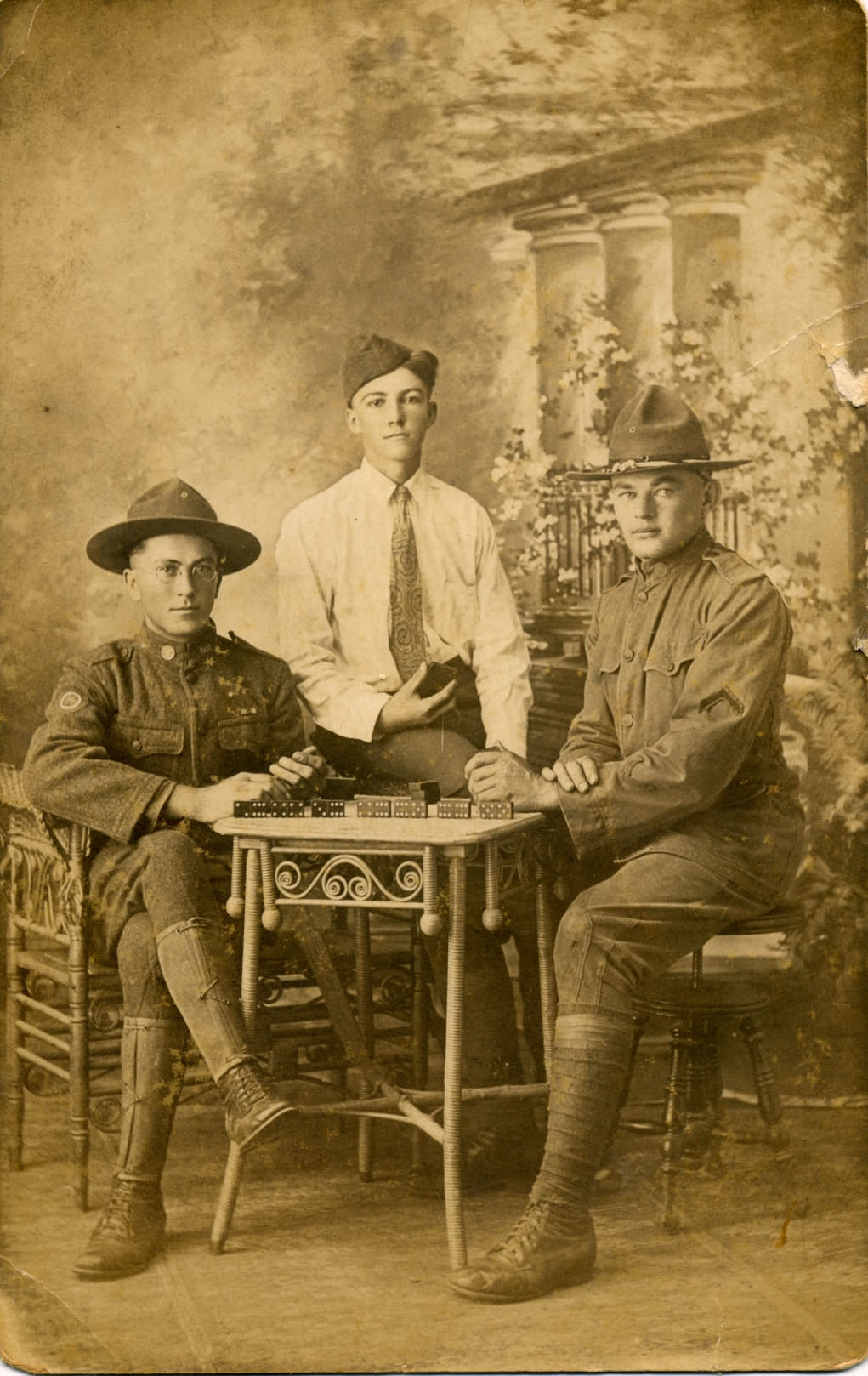
Bill “The Bulldog” Buscha (far right) in photo with army buddies during WWi.

Bill Buscha’s young career was pretty much over, even at the time the 1921 glorious West End Park panorama photo was taken. A short time earlier, as verified by former Buffs General Manager Fred Ankenman in a Chronicle story written years later around the time of Buscha’s death from accidental drowning, the 1921 Buffs were playing an exhibition spring training game against the St. Louis Cardinals.

With Buscha pitching, Jack Fournier of the Cardinals had reached third base with one out and Johnny Levan was batting. Levan then lashed a wicked liner through the box that bounced off Buscha’s head, directly back to the catcher for an out. The Buffs catcher then threw the ball quickly to third, doubling off Fournier before he could return to the bag after the catch,

Papers at the time kidded that it should really have been recorded as a triple play since pitcher Buscha was also rendered “out” on the play, but the long-term results were not really funny. Buscha suffered visual, balance, and performance problems after the injury and was soon out of baseball.

No matter what. Bill Buscha was still there in baseball long enough to make a great-grandson proud of him nearly a century later, proving once again, that the wake of baseball rumbles forever down the ages. And yesterday, we were all a part of this particular shake. Who among those at West End that day in 1921 could have known that the day would be seen and celebrated again – just a few downtown blocks away – on May 19, 2012?

Thank you, Billy Behler, for bringing Bill Buscha of the Buffs back into the light of day!

Jeff Luhnow, General Manger, Houston Astros

Jeff Luhnow was our principal speaker and – what an infectiously focused man he turns out to be. Bright and intellectually ranging, but down to earth, connected, and pragmatic, the man has travelled through several careers before he found himself in baseball, and he has drawn upon each  experience  to help him improve at what seems to be his overriding ambition: to get the best results possible from the best decisions available to the organization. Luhnow is not the “Money-ball” stats-only guy that some have unjustly labeled him. He’s more of an “everything can teach us something” fellow, even if we do prioritize the importance of certain information sources over others. We learn from our successes and we learn from our failures. The trick is to grow from these in ways that force us to learn and take responsibility for the lessons of each policy, plan, contract, hire, or goal we put in motion.

I don’t know if the man plays chess, but, if he does, he’s got to be a force. It’s going to be as much fun to watch how the club makes decisions now as it will be to see the results on the field. All I can say for certain after Saturday is – it’s not going to be dull.

At the game, we had to share space with all of those famous Rangers fans who had descended upon us from the Dallas area. At least, I hope they were from Dallas. I would be most embarrassed to consider that Houston’s bandwagon faction would stoop so low as to adopt the Rangers now – and just because the Astros are going through a rebuilding phase.

Like it or not, you could already see from the first two games this weekend that the Astros-Rangers rivalry is going to heat up after this season. Playing against each other for best upside position in the same division is going to mean a lot more to fans than a dad gum meaningless silver boot prize ever could or will. That’s my take, at any rate.

“ROOT. ROOT. ROOT.” … but for whom? – Even the Mike McCroskey section was stacked with Rangers fans.

Closer Meyers gets pinch hitter Gentry on a fly ball to retire a Rangers threat in the 8th. In the 9th, Meyers would run down and tag Andrus to end the game.

Houston, Our Houston, Our Most Beloved Houston.
May 19, 2012.

At the end of the day, still pumped by the spirited way in which the Astros came fighting back to take a 6-5 victory in Game Two of the Rangers Series, it was just nice to hit the streets outside and see that beautiful home-is-here face of the old Gulf Building staring back at me from the base of all his now much taller modern brothers. That’s the same way he looked after Buff games sixty years or so ago. The Gulf just didn’t have quite so much company in his area back then.Nevertheless, the Gulf and Esperson buildings will always be the heart of this city for some of us.

Thanks, Houston, for a beautiful baseball day and night. As always, we press forward with the dream: Our big day will come. We simply must remain steadfast and patient as always.

Good & Bad Shots on Rangers 4 – Astros 1, May 18

May 19, 2012

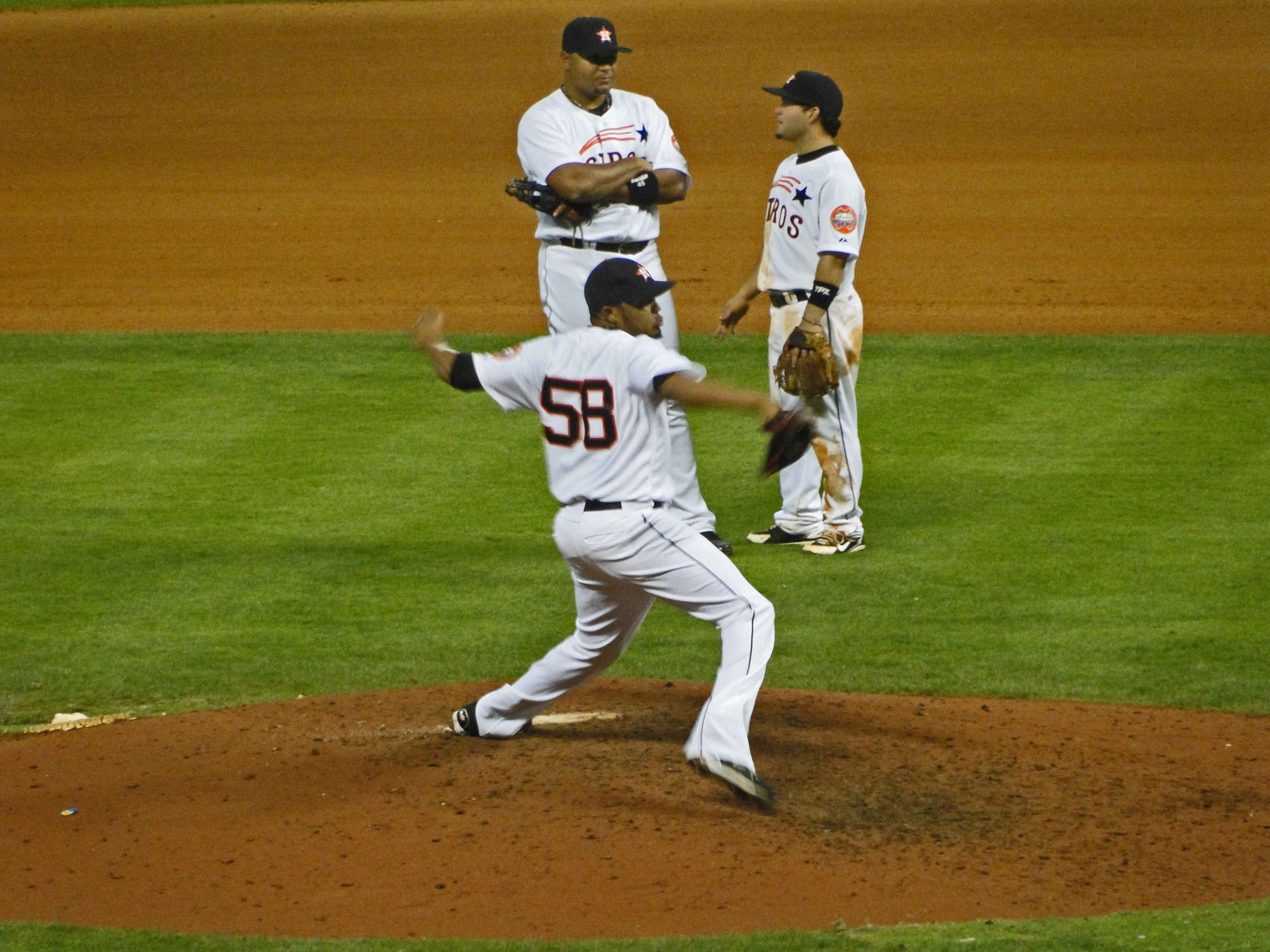
Fernando Abad warms up in 9th as Carlos Lee and Jose Altuve model their classic “shooting star” Astro threads. As for the game, the Astros pitched well, hit poorly.

I’ve never stopped loving those fine-looking shooting star uniforms of the early Astros history days. With that cool shade of orange fitting far better with the general motif of Minute Maid Park, it is the hope of many Astros fans that we shall again see an explosion of orange-accent in the new uniforms planned for 2013. (Hey! – Look at me! – All of a sudden I’m also a late-in-life uniform fashionisto!)

Minute Maid Park, May 18, 2012, Texas Rangers 4 – Houston Astros 1, Attendance: 34,715 present; 40,981 sold.

It was nice to see the crowd-volume looking more like the ones we’ve become used to during our Bagwell-Biggio-Berkman contention years and less like those lost-in-the-credit union doldrum-days of the Dome back in an earlier empty time. If only the Astros fans cared, or showed it, as much as the tidal wave of Rangers fans that flooded MMP Friday night like a tidal wave. Friday night was like a Rangers home game for the crowd.

Want Rangers Fans? Send in the Clowns.

No real sure what they were, but the two Ranger clown fans spent some of their time celebrating victory by throwing stuff that looked like Mardi Gras beads to the other Rangers fans behind the Teas dugout. Meanwhile, the Rangers fans wore every name and number jersey of every player short of Ted Williams who had ever worn the uniform of the Texas Rangers.

Astros jerseys were harder to find on the backs of fans. Astros fans were too bust searching for the rare and elusive “Texas Tamale” vendors as they made their slow and rare visits into the stands on the concourse level, hey could sell a lot of those babies if they can find a way to make them more easily available, but don’t listen to me. What do I know about marketing. If I were a marketing genius, I would have come up with “Root. Root. Root.” and then cashed the huge check that went to the genius who came up with that incredible line.

A Line Scoreboard to Hate

The Astros have to fix that line score section of the otherwise light-on HD scoreboard. What’s the beef? Simple.

Most of us know that a regulation baseball game is 9 innings long. We don’t need that background shading in large numbers to show us how many innings have been played and how many remain. Having to read the crooked numbers over the running large numbers simply takes away the easy reference pleasure of quick glances at the line score through the game. As it is, the thing is over-kill, defeating the purpose of its eternal value and meaning to long-time fans.

Of course, I’ve only been watching Houston baseball since 1947. – What the heck do I know? Maybe making the line score busy and hard to read is what today’s texting crowd wants. As is, texters have another reason with this feature on the scoreboard to simply double-thumb their friends and ask something like: “Hey! In what inning did we get our run?”

Get there early on Saturday, folks. This is Nolan Ryan Bobble Head giveaway day.

Back From The Land of the Living Dead

May 16, 2012

ODDS & CROOKED NUMBER ITEMS …

 AHOY FROM DEVIL’S ISLAND. After a two-day shipwreck with food poisoning from Sunday afternoon that finally dumped me on the shore of Tuesday morning, still alive, and grateful to be. I’m just glad to be breathing and only suffering from an all-over body soreness from all the convulsing. I am glad to be back in the game, even if I have to claw my way back to a state of moderate coherence on any local or baseball subject that really matters. I haven’t been this sore since my deservedly brief neighborhood boxing career of a thousand childhood adventure years ago. Now I know that a determined germinal infection hits the body with all the power of an everlasting hard landing glove. I could also take a hit much better at 14 than I can at 74. – All I can add to that is – stay away from doggie bag restaurant foods that don’t get refrigerated quickly after you leave the place and go home. The heat stirs up the bacteria faster than we realize. My nemesis this time ( and it almost sickens me to write the words) was red beans & rice with pork sausage. I’m betting it was the “with” part of that combo that got me.

 PARODY ODE TO THE PATIENCE OF ASTROS FANS IN THEIR WAIT FOR A WORLD SERIES TITLE. “No one to walk with, all by ourself; no one to talk with, but we’re happy on the shelf. – Ain’t misbehavin! – Savin’ our love – for you – FOR YOU – for you – FOR YOU! – We don’t stay out late. – No place to go. – We’re home about eight. – Got Raymond on the radio – Ain’t misbehavin! – Just waitin’ out our time for you – World Series Babe! 

“Like Jack Horner – on the corner – don’t go nowhere – what do we care? Victory’s kisses are – worth waiting for – believe us. We’re through with flirtin’ – close calls don’t count! Those times we fell short – don’t matter no great amount. – Our title’s comin’ – just keep us off the Cubbie clock. – A win will get our dreams out of hock – for all time – And leave us with a year that’s sublime. – Oh yeah!”

THE 2012 FACT & FICTION STANDINGS FOR THE HOUSTON ASTROS THROUGH ALL GAMES OF MAY 16, 2012

The following standings depict the actual National League Central standings of the Houston Astros – and also how they would be doing in the American League West with the same records and this were already 2013.

2012 NL Central (Fact) W L PCT GB
St. Louis Cardinals 21 15 .583
Cincinnati Reds 18 17 .514 2.5
Pittsburgh Pirates 17 19 .472 4.0
Milwaukee Brewers 16 20 .444 5.0
Chicago Cubs 15 21 .417 6.0
Houston Astros 15 21 .417 6.0


2012 AL West (Fiction) W L PCT GB
Texas Rangers 23 14 .622
Oakland Athletics 18 17 .514 4.0
Los Angeles Angels 16 21 .432 7.0
Seattle Mariners 16 22 .421 7.5
Houston Astros 15 21 .417 7.5


Happy Mother’s Day 2012!

May 13, 2012

Happy Mother’s Day … in pictures and words by Patrick Lopez …

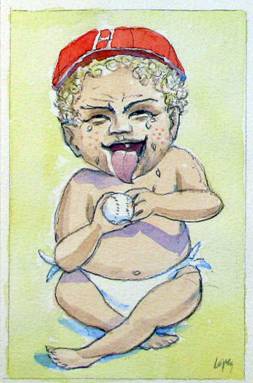
Nick, is the Houston Babies Home run leader , He is also the Vintage Baseball  leagues’ leading hitter in batting average, hits , runs and stolen bases. Has pitched the league’s first perfect game. Nick is a gamer. – Nick is the MVP! 

A Houston Baby relishing the undefeated baseball season so far Baby is tickled ,almost getty over the win streak .


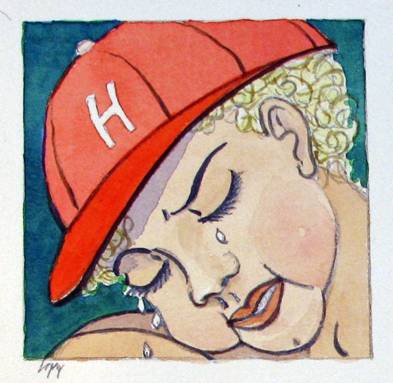
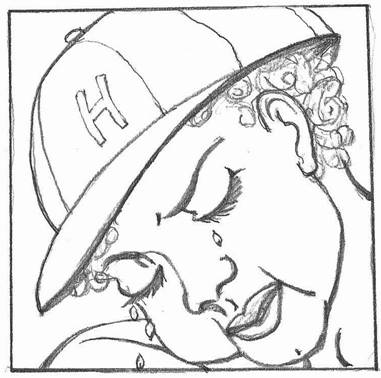
Here we see one of our own, a Houston Baby getting his first taste of defeat,
The loss hard to swallow.

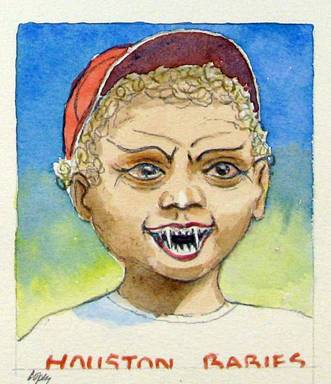
This is the first baby Zombie to make the Houston team ,Has a part in a movie currently playing in Houston, Unfortunately he was removed from the team this week. Ricky, a starting pitcher was caught using a red liquid on the baseball , made the ball do a figure 8 before reaching the batter,
A team favorite by all the players ,he was prompt ,attended all the meetings and practices but soon would disappear for no apparent reason. Good luck to Rickey.


HAPPY MOTHER’S DAY!

Thank you, Patrick Lopez, for being the wonderfully creative artist that you are. The Early Houston Baseball Research Project, SABR, and the City of Houston history interests shall be forever in your debt for your wonderful visual contributions.

Some Favorite Riddles

May 12, 2012

Riddle me this. Riddle me that. Some days you wake up – and your ideas go scat.

(1) How many psychotherapists does it take to change a light bulb?

Answer: Just one – but the light bulb has to want to change.

(2) How many Aggies does it take to eat an armadillo?

Answer: Two – one to eat the armadillo – and one to watch for cars.

(3) What happened when Tonto came up on the bunk house where the Lone Ranger had cleverly disguised himself as a locked door?

Answer: Failing to recognize his favorite kimo sobi, Tonto shot his knob off.

(4) What do you call a fly that loses his wings?

Answer: A walk.

(5) What do we call a slab of concrete where you park your car?

Answer: A driveway.

(6) What do we call a whole wide street of concrete where you drive your car?

Answer: A parkway.

(7) What do we call excessive thinking by a batter about the first pitch he sees?

Answer: Called Strike One.

(8) How sad will we be if/or when the Houston Babies finally lose their first game of 2012?

Answer:

Thank you, Patrick Lopez, for accurately depicting with your art what we Houston Babies are hoping we can avoid in this wonderful vintage base ball season of 2012. So far, so good, in spite of two close calls last Saturday from some excellent competition.

Remember too: Our next opportunity to play comes up on the 4th of July at George Ranch, if enough people are willing to commit to playing on the big mid-summer holiday. So far, only seven people have signaled Manager Bob Dorrill that they will be there. The “magnificent seven” commitments are from Bob Stevens, Jimmy Disch, Robby Martin, Phil (8 for 8) Holland, Bill Hale, Jo Hale, and Larry Joe Miggins.  We also have a couple of “maybes” from Chris Hale and Scott Disch. Hopefully those two lukewarms will heat up and be joined by at least three other fiery commitments to the Babies on the 4th. We’ve gotta have 12, folks. There’s no riddle to that one. We just won’t play with less.

We must have 12 players for two games in that weather. Since Bob Dorrill will be out of town, I’m going to step in for him on an interim basis, but I’m going to draw a line on 12 as the minimum number of commitments I will accept before we sign up to play. Vintage ball is great, but you can’t take on the heat and the game without numbers in this part of the world.
(9) So, riddle number nine has a “2B” decided answer for now: Are the Houston Babies fired up enough to commit to the 4th of July?’
Answer: We’ll see.

(10) One final riddle for today: How many of you have remembered that tomorrow is Mother’s Day?

Answer: If you are among those who forgot, get with the program, folks. And do something special for those special moms in your life.

Have a nice weekend, everybody!

Babies Had Packer-Family Heart Last Saturday

May 11, 2012

Danny Kramer with Dad, Jerry Kramer (insert) of the Green Bay Packers.

Last Saturday in Katy, Danny Kramer came to the Houston Babies vintage base ball tourney as the Houston Press photographer there to cover assignment with reporter John Lomax of the same paper. Both Danny and John ended up playing in the Babies’ afternoon game against the Boerne White Sox, one in which Danny made a key one bounce out catch and throw from center field that turned out to be the start of a game saving double play retirement of a runner trying to score, killing a Boerne rally and leaving the Babies poised to sweep the day with one more out.

The problem for me was that I got it wrong in my own original reporting of this play in my Sunday morning report on the game saving double play. I thought (or “misremembered,” as Andy Pettitte might have said) that it was our regular center fielder Kyle Burns that had started the play, but I was wrong. After first sacker Larry Joe Miggins called it to my attention, and also sent me a photo of Kramer’s knee injury of the play, I went back to my original digital story and made the proper corrections. Check it out:

https://thepecanparkeagle.wordpress.com/2012/05/06/undefeated-babies-take-two-at-katy-festival/

As it turns out, we should not be surprised by Danny Kramer’s blood-spilling act of valor in behalf of our Houston Babies. It’s in his bloodline as a son of the great Jerry Kramer, the magnificent pulling guard and member of the Green Bay Packers (NFL) team Hall of Fame. For eleven years (1958-1968) and through those first two Super Bowl (1967-1968) victories for the Packers. Kramer was heart of that great Packer line and the guy who personally pushed that hole at the goal line that cleared QB Bart Starr to score the victory TD over the Dallas Cowboys in the famous “Ice Bowl” up there on Green Bay’s “frozen tundra.” It was arguably the most romanticized moment in the history of offensive linemen when Danny’s dad pushed the mountainous Jethro Pugh out-of-the-way so Starr could ramble through the hole for a score.

I knew about Danny’s family connection on Saturday, but I didn’t report it originally for a couple of reasons: (1) I don’t know Danny Kramer, but I’m aware that many adult kids of famous people prefer to not have their own identities tagged to the celebrity parent; and (2) I wasn’t aware that Danny had started the big play for the Babies. I had seen his bleeding knee after the game, but I had no idea how he got it until Miggins filled in the blanks for me.

Once I had all the facts, I knew that I also had to write this column and emphasize Danny’s connection to his father. If you are going to play with heart of a lion, the world deserves to know the whole truth about your relationship to the big cat.

To get a detailed feel for what Danny Kramer actually did in the Boerne-Babies game that made such a difference, use the link provided earlier to go back and see for yourself.

Thanks for coming out, Danny Kramer and John Lomax. – The Houston Babies look forward to seeing you guys again. By the way, Danny, based upon the two smiles in today’s photo, you and your dad do look a lot alike. Pretty cool too.

Cool also: even us hard-core baseball guys know who Jerry Kramer was,

Pat Seerey for President!

May 10, 2012

Pat Seerey of the Pale Hose was my awakening to the thrill of the fpur-homer game.

Every blue moon that brings us the next Josh Hamilton and another rare four-homer game, my mind immediately shoots back to my childhood’s first awareness of that possibility when I picked up the Houston Post one 1948 Houston summer morning on the way to the sandlot and read that a fellow named Pat Seerey of the Chicago White Sox had just jacked four long balls the day before in a single game.

At the lot, it was all we could talk about for up to five minutes prior to play. We couldn’t believe it. A major leaguer? Getting four home runs in one game?  C’mon!

If this “Pat Seerey” had done it on our turf, as one of us, we would not have batted an eye. Four-homer games and then some were fairly common back in the day on our turf, whereas, quality pitching performances were decidedly rare – and this guy Pat Seerey was a nobody slugger, hitting against Bob Feller and Company. – We boondocks kids were just amazed, that’s all.

And it’s still amazing, even today, even when it’s a great hitter like Josh Hamilton pulling the trigger on such an off-the-chart performance. Look at all the things that have to go right to make it happen. – You have to have a hitter in the zone, pretty much able to hit and pull anything he sees in spite of the fact that big league pitchers are normally pretty good at making hittable pitches disappear against a guy who has already done it two or  three times in the same game.

In doing this rare thing, Josh Hamilton became only the sixteenth man in big league history to crunch four home runs in one game. He actually went five for five, getting a double in his other official time at bat for a major league record 18 total bases against the Orioles at Baltimore.

Wow again!

If we look at the 10 National League and 6 American League hitters who have pulled the 4-homers-in-one-game string in all of baseball history, a quick review of their HR totals and batting averages for each of these power performance seasons shows that most were superior hitters anyway. A few just seemed to combine luck with skill and performance day breakthroughs.

Who knows? And what the heck do I know? All I know is that a lot of things had to go right for each of the sixteen men who made it onto this list for these unique power accomplishments. And, unlike, the much longer page  of 250 no-hit pitching games, you won’t find any name on this list of players who made it on here twice.

So far, it’s a one-shot list of guys who did the almost unthinkable power thing for a grand total of sixteen times. And that’s it.

Here is the complete list, from earliest to most recent, with HR totals and BA added for each particular season they each pulled the string:

THE SIXTEEN FOUR-HOMER GAMES (10 NL/6 AL) *


Robert Lowe, Boston 1894                                 (17/.346)

Ed Delahanty, Philadelphia 1896                  (13/.397)

Lou Gehrig, New York, 1932                                      (34/.349)

Chuck Klein, Philadelphia, 1936                    (25/.306)


Pat Seerey, Chicago, 1948                                              (19/.231)

Gil Hodges, Brooklyn, 1950                                 (32/.283)

Joe Adcock, Milwaukee, 1954                             (23/.308)

Rocky Colavito, Cleveland, 1959                                  (42/.257)


Willie Mays, San Francisco, 1961                  (40/.308)

Mike Schmidt, Philadelphia, 1976                  (38/.262)

Bob Horner, Atlanta, 1986                                    (27/.273)

Mark Whiten, St. Louis, 1993                              (25/.253)


Shawn Green, Los Angeles, 2002                  (42/.285)

Mike Cameron, Seattle, 2002                                     (25/.239)

Carlos Delgado, Toronto, 2003                                 (42/.302)

Josh Hamilton, Texas 2012                                       (14/.406 to date)


* NL Players Shown in Bold Type.

Goodnight, Lillian Labash Musial!

May 9, 2012

Vincent painted it. Their true love lived it.

They were Depression era Catholic kids, the children of working class immigrant families, growing up in the mining town hills of a little town called Donora in western Pennsylvania. They fell in love in high school and never looked back.

Neither had any other loving partner before they found each other. And neither had anyone else after they met, for sure. They were simply Stan and Lillian, together continuously for seventy-five years total, and for nearly seventy-two years since their 1940 marriage, through Thursday of last week, May 3, 2012, the day when Lillian Labash Musial departed from this earth in death at the age of 91.

Nor everyone finds true love; and not everyone who finds it gets to keep it. Some lose it to the ignorance of youth and all that confusion over the difference between love and lust that often gets in the way. Such is the way of the runaway ego. Only the humble get to recognize the truth and settle early or late for what is really good and genuine. Everyone else gets to get lost in their own ego needs to make love and life what they each need it to be – and to fight accepting that true love and respect for self and others is the real foundation and core of everything that really matters.

Stan and Lillian had it right from the start.

Stan and Lillian apparently didn’t have to think about it to get it right. They had it in the correct light from an early age on, recognizing that all those hits, baseball accomplishments, fame, and money that later came upon them were not what was most important in life. Their love for family, and for each other, was everything – and far and away, more important to their personal happiness and peace together than all of Stan Musial’s worldly success.

God rest your soul, Lillian Labash Musial. And God bless you too, Stanley. May your remaining time on earth be now measured, not by the clock, but by the faith that the day is coming when you and Lillian will be together again. In the meanwhile, and forever, you will continue to be a hero to a few million of us out here, whether you want to be – or not – as one who knows how to live life by the true winds of human nature.

Thank God for placing Stan and Lillian Musial down here in the middle of us all. The world was a better place because of them.