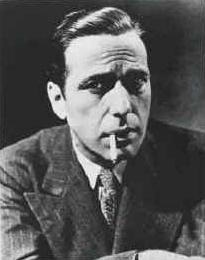
 I grew up in a Post World War II era of blue smokey haze. Everything I saw, heard, or breathed vicariously into my lungs from the adults in my life said to me: “Smoking is good! As soon as you’re old enough you’ll be able to light up too!” My dad smoked, but so did most of the other dads and quite a few of the moms in our Pecan Park neighborhood in Houston. At Sunday Mass, it was like a stampede at the end as 75 to 100 men herded toward the front door for a post-spiritual firing up of the old Chesterfield and Camel nicotine incense out front. Hallelujah! None of those mamby-pamby filtered cigarettes were strong enough for my dad’s generation. These were real men who smoked only those short full-tobacco blast sticks fromthe “Big C” companies. And why not? “Seven out of ten doctors preferred and recommended Camels for your smoking pleasure!”
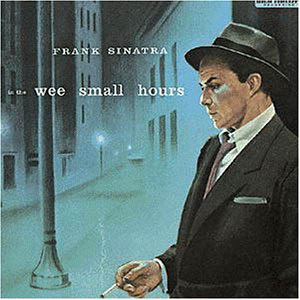
Forget the doctors’ recommendations about Camels being the best. All of my baseball and movie heroes were busy lighting the way for the addictive-prone members of my generation – and I was a charter member of the chemically addictive proneness group back in the mid-1950s. My role model list reads like a “who’s who” call of the biggest stars from our post-war period: Humphrey Bogart, Joe DiMaggio, Frank Sinatra, Ted Williams, John Wayne, and Stan Musial stands out in memory. Man! even Stan the Man was there, but it wasn’t just him! They were all there – and they are all names that jump to the front of my mind as favorite stars who either smoked or pushed cigarettes through advertisements and commercials.
By the time I reached St. Thomas High School, I was still free of nicotine at age 14, but I saw that more than half of my Basilian priest teachers smoked, efficiently using those three minute breaks between classes to step outside and catch a break from all us snot-nosed Catholic pubescents in the what is still the best all male Catholic secondary school in Houson. We thought nothing of it. The priests were just doing what most of the other men from that era were doing. We even had a post-lunch smoking area for students at St. Thomas. No one had to bring a note from home to be allowed smoking privileges back in the day. They just had to do it on “the green slab” after luch only. The Green Slab sort of resembled that scene from so many old prison movies. Know the one I’m talking about? It was the yard scene where the inmates gathered to plan their escapes and essr schemes. SOmetimes a good fight even broke out. Smoking and looking out of the corner of your eye for impending trouble were just standard behaviors.
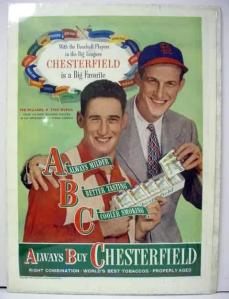
Songs of the day celebrated cigarettes as both a lamp of love and a source of comedy. “Smoke Gets in Your Eyes” by The Platters is an exemplary romantic model song; “Cigareets and Whiskey and Wild, Wild Women” was also a typical funny song, but my favorite number by Phil Harris, “Smoke, Smoke, Smoke That Cigarette” included these engaging true-to-form lyrics:
“Smoke, smoke, smoke that cigarette!
Smoke, smoke, smoke, and if you smoke yourself to death,
Tell St. Peter at the Golden Gate that you hate to make him wait,
But you just gotta have another cigarette!”
By my senior year, I was still a non-smoker, but I had become the designated cigarette purchase runner to the store for my home room teacher whenever he ran out of smokes during the middle of the school day. I got the job by having a car and an expressed willingness to miss a little class time running errands. I still wasn’t tempted to start smoking at 17, but then something happened I hadn’t counted on.
I tried out for the senior play and got the lead part in a little known work called “Brother Orchid.” Edward G. Robinson had played the same part in the movie version back in the early 1940s.
Our play director asked if I smoked. I told him no. Then he said that I might be more effective in the role if I took up smoking cigars during the run our practices through the performances of the play. I did. And I felt it helped. I even improvised one my play entrances to be announced by a puff of blue smoke that I exhaled onto the stage before I made a dramatic entrance. When the audience reacted with a roar of approval, I was hooked on the idea that smoking was just too cool to quit.
After the play, I bought my first pack of cigarettes, a pack of Old Gold, to more exact – and I didn’t sop for fifty years. Finally, on March 24, 2006, through the Grace of God, I took my last drag from a cigarette. With the help of God, Nicorettes, and the support of my wife, family, and friends, I quit smoking altogether. I lost some considerable lung power from my half century of misadventure, but so far, my lungs remain clear of cancer.
It’s a different world today. I don’t blame anybody for the fact I became addicted to cigarettes. All of us, including my high school mentors, were simply products of our time. It was a very different era back in the 1950s. Unless you lived through it, it’s hard to explain. When life backfired on us back then, our major first response was not to find someone to blame. We were simply taught to take resposnsibility for the consequences of our own bad decisions.
The main thing I can say about cigarettes now covers five points: (1) If you’ve never smoked one, don’t do it; (2) If you want to quit, find a way that works for you to get totally away from them and then don’t pick another one up; (3) If a half century smoker like me can quit, so can you; (4) whatever you do, take it one day at a time, and don’t beat up on yourself if you have any setbacks. Just get back up and keep after it; (5) find something else to do (and I don’t mean drinking, drugging, or eating) that you enjoy. – For me, baseball, reading, research, writing, and photography are my joys, but yours may differ in this “whatever floats your boat” world; and (6.) Don’t procrastinate. Just do it! The time of your life is now. Always is. Always only is.
And remember – your life is only precious – if it’s precious to you.
 Houston, Baseball, & Other Musings.
 The Pecan Park Eagle