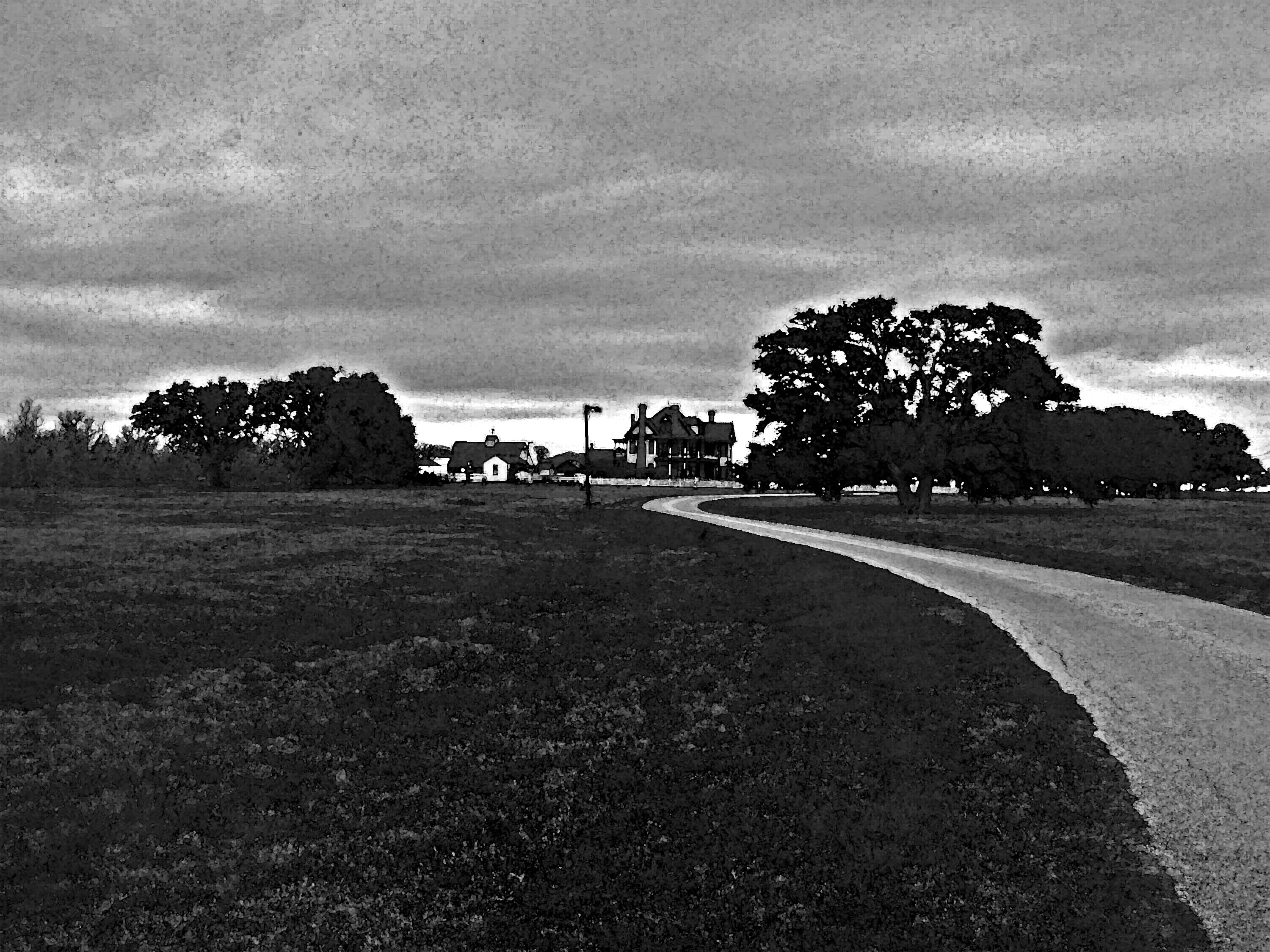
A clear map of the past road is our best guide to the future.
I want to thank Bob Blair for a comment he made on my column of this past Saturday about the demolition of the Avalon Theatre building on 75th and Lawndale in the Houston East End. That building years ago had boosted my earliest childhood dreams for hope over despair through their Saturday kid feature movies and adventure serials.
My sorrow in first column etched in the personal grief I felt over the disappearance of another significant artifact from my personal childhood, but Bob Blair picked up on the tail of the longer story in history that new and younger people come along and form their own attachments to the very places that were later erected on the sites of our own now vanished special places. – “The beat goes on,” opined Blair, and you know what, he’s right – but so am I. – I simply failed to make my whole point.
Saturday, June 4th, I wrote: “You don’t kill a culture by burying the dead. You kill a culture by burying the living. And life goes on in those old physical places that remind us of our earliest roots and fondest hopes for the future. Some are creatures of universal beauty. Others exist only as beautiful in the eyes of the bonded beholder, but they are all living things. And that’s the point that seems to elude many people.”
The narrative of life always contains some sense of past, present, and future. In that sense, life is like a book. It contains a beginning, a middle, and an end for all of us. It also is a book with a life span that began before we each arrived on the scene and it most probably will contain an ending that will only happen for the whole world at a date far beyond our personal existence on this planet.
In brief, we study and attempt to preserve an accurate record of the past for reasons that far exceed our needs for gratuitous scratches of personal nostalgia. We really do honor the past as the beginning of the story about how we found ourselves on any particular road at the time of our births.
Remember this old wisdom saw? “The past is prologue to the future.” Well, it’s really true. If we were born to disadvantaged circumstances, the question isn’t “who is going to get me out of this mess?” The real questions are: (1) How did this all come about in the first place? and (2) What am I able to do, that I am also willing to do, to get myself out of it? Ask those questions first. Then, and only then, will you be ready to ask others for any help you may need. And knowing the history that predated your appearance on earth with this condition, fairly or not earned, is essential to any intelligent plan for overcoming any life obstacles. Education is the key here. Without a good basic education, most people don’t grow up asking the right questions.
Without a good, always building knowledge of history, we are like a bunch of readers who think the story begins with our ability to speak and hear in some language and then form opinions on Chapter One based solely upon our personal experience with our immediate environment. We are like most of those people who Jay Leno parades out for public ridicule in his Jay-Walking interview segments. We cannot name the large body of water that rests just west of California – let alone explain what that fellow they called “George Washington” ever did.
We live out our lives within a larger dynamic, changing narrative script called “life.” As much as we talk about past, present, and future, and their exponential connections to each other, the only time zone we really own for making any difference in anything is now – in the present – acting upon what we have the power to do alone, or with the assistance of others. We use the lessons of the past to hopefully help us make our best choices now on how we shall live or lives and expend our energies- and these together shall shape the future.
“Too Late Now” is only the anthem for those who fail to see that the consequence for never taking a positive step in life is a thing called eternal regret. By risking effort for something we believe is worthwhile, we either get the job done, or we learn from what happened. When we learn from past failures, these events were not failures. They were learning experiences.
Of course, we don’t have to learn anything from the past. We may continue to ignore it, along with the Pacific Ocean and George Washington, and just keep doing what thousands or millions before us have done about a past whose knowledge and wisdom is now overlooked. What’s the worst that can happen? As far as I’m concerned, it’s making a recognized redundant error – and still thinking we were the originators of this “mistake.”
Sometimes we build statues or save buildings to commemorate people, places, and whole eras of our community history. These things serve to also remind us on a daily collective basis that something was going on around here prior to our births – and that maybe these artifacts will even inspire us to read more – and to embark upon our personal searches for Chapter One in the Great Book of History.
Thanks for bearing with me today. Class dismissed.
 Houston, Baseball, & Other Musings.
 The Pecan Park Eagle