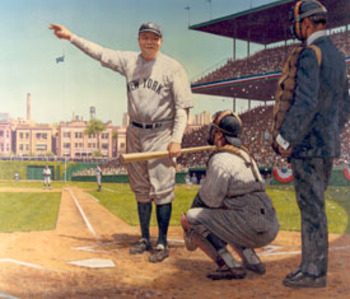
“What do you mean that moment was just another myth in my narrative, didn’t you see the artist painting my picture as I pointed to center field?”
When it comes to get into the Baseball Hall of Fame, it ought to be some kind of objective standard of true greatness that unlocks the door for candidates, but it isn’t. It’s more about popularity and myth, sort of as it is in our election of politicians to the presidency and other high offices of national service. Remember the words of family patriarch Joseph Kennedy when he told his sons, and I’m paraphrasing here, “Remember, Boys, it’s not who you are when it comes to running for office; its who people think you are.”
Apparently, the Hall of Fame works that way too. One of my favorite contributors here is a fellow from SABR that I’ve never met, a fellow named Cliff Blau. I like Cliff because he points out my errors and helps me keep on focus in my subject matter, two things that every writer of non-fiction, no matter how humble his or her podium is, needs to do: (1) Get it right, and (2) Stay on topic.
In response to my column about Ross Youngs getting into the Hall with career stats that were good, but really no better than contemporary fellow Texan Curt Walker, Curt Blau left the following public comment:
Youngs isn’t in the Hall because he played for McGraw. He’s in because he played with Bill Terry and Frankie Frisch, who dominated the Veteran’s Committee, and got all their buddies in.
Youngs, incidentally, was not a center fielder, but a right fielder. I can see why you’d be confused, because John McGraw was quoted as saying Youngs was the best outfielder he ever saw. Of course, if he had meant that, he’d have played Youngs in CF, which requires more skill than RF.
Anyway, the HOF doesn’t honor greatness. That’s been clear since 1937. It honors favorable narratives.
The wonderful Connie Mack biographer Norman Macht essentially wrote me the same thing about the influence of Bill Terry by e-mail a day or so earlier. And Norman Macht is one of the most dedicated seekers of truth over lore that I’ve ever actually met in the world of baseball research. I also have a strong hunch that Macht would agree with Blau’s last statement that “the HOF doesn’t honor greatness. That’s been clear since 1937. It honors favorable narratives.” I simply cannot speak with certainty for Norman Macht. He alone is allowed that privilege.
How strong is “narrative” – or story – in the pursuit of the White House or the Baseball Hall of Fame? It appears to be pretty darn powerful, the invisible, but tangible forced behind that old saying, “It’s not what you know (or do) that really matters; it’s who you know.” – The narrative includes the connected people who speak up for candidates on everything from getting good jobs to the attainment of high honors. And these leaps are often great enough to bypass others who are more qualified or more worthy of the honor that goes with the appointment.
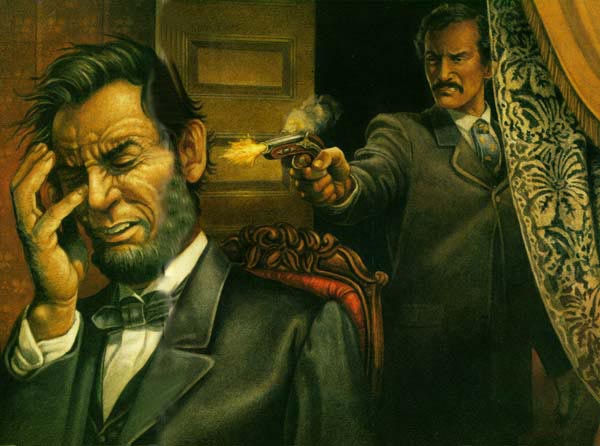
Of all nights, I can’t believe I left my axe at home.”
Legends are interesting, but, do we really need any more movies made 150 years after the fact about rail-spliting, axe-wielding presidents who also lived secret lives as vampire hunters and once served as the subject of a political baseball cartoon in which he wielded a bat rather than an axe? If we do, let’s elect Abraham Lincoln to the Baseball Hall of Fame without further delay!
Right, Cliff? – Right, Norman?
Administrative Note: Today marks my 1,000th column since the time The Pecan Park Eagle moved here to WordPress in 2009. Before that, we had about 600 posts under the same title at ChronCom from 2007 to 2009. Thanks to all of you who care enough to read what we have to offer on baseball, Houston history, and other musings.
 Houston, Baseball, & Other Musings.
 The Pecan Park Eagle