ROOTS 4: Astrodome Firsts

February 22, 2013

EPSON MFP image

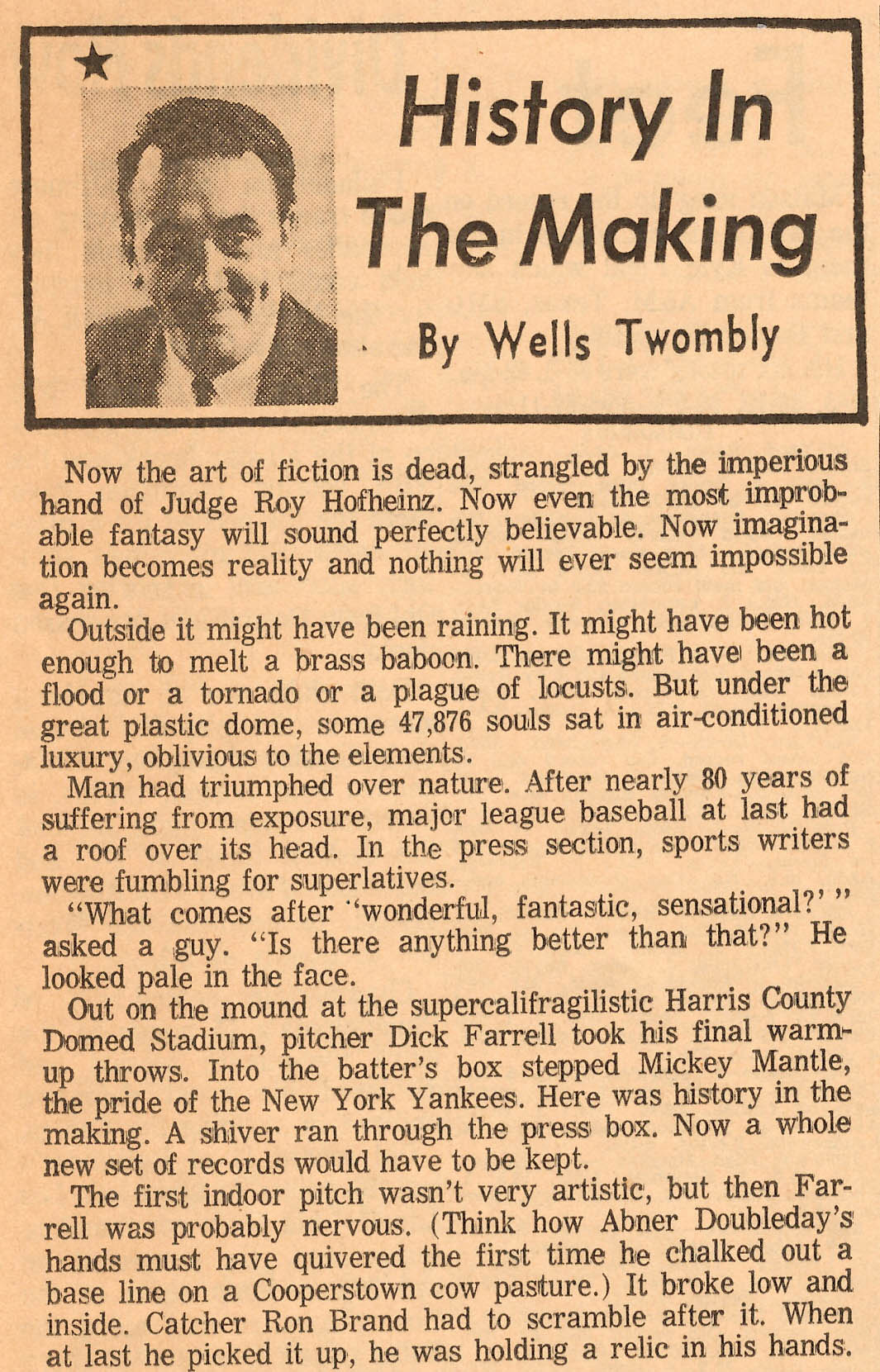
Thanks to a writer I unforgivably forgot in yesterday’s summary of the 1965 Houston sportswriter scene, we have a list of some little known firsts in the history of the Astrodome from its first game between the New York Yankees and the home based Houston Astros on Friday, April 9, 1965. The writer was columnist Wells Twombly of the Houston Chronicle, another nimble mind with baseball facts and the humor of their importance in the grand scheme of things.

First, check out the beautiful narrative of Wells Twombly in his introduction of the subject. ….
EPSON MFP image

From that point in the Twombly column, here’s how the writer and the Saturday, April 10, 1965 edition of his newspaper “Chronicled” those significant “firsts” in the history of the Astrodome. We do some paraphrasing here for the sake of brevity and our shorter attention spans of 2013:

Friday, April 9, 1965. Astrodome Firsts from the First Game Ever Played in the World’s First Domed Stadium:

7:44 PM: Astros starting pitcher Turk Farrell breaks off the first game pitch to lead off Yankees batter Mickey Mantle. It is low and inside for a ball and gets away from catcher Ron Brand. Brand retrieves it and runs it over to NL President Warren Giles for later presentation to the Cooperstown Hall of Fame where “it will be enshrined,” according to Wells Twombly, “in a glass case next to a vial containing bone chips from Joe DiMaggio’s heel and an umpire’s ear drum ruptured by Leo Durocher.”

7:46 PM: Mickey Mantle gets the first Astrodome hit, a single.

7:49 PM: Farrell slips the first Astrodome strike past Yankee second baseman Bobby Richardson.

7:51 PM: Richardson forces runner Mantle at second on an infield grounder. The Astros fail to get Richardson on a safe call at first for the first double play in Astrodome history, but the safe call does result in the first loud roar of air-conditioned boos.

7:53 PM: Roger Maris draws a low fast ball for ball four and the first walk in Astrodome history.

7:54 PM: Left fielder Al Spangler of the Astros catches “the first weather-proof fly ball.”

 7:57 PM: While the teams are going through the first change of sides, the first vendor to trip and fall with products in hand takes a dive on the steps in the strawberry-colored seating section, “dousing two customers with soda pop.”

8:12 PM: Frank Finch of the Los Angeles Times makes the first bad joke in an indoor baseball press box in a comment he makes on a juggled ball play by Joe Morgan that finally results in an out. Finch exclaims to all that “you (have to) score that play four-four-four-four-three because Morgan handled that ball four times.” How funny folks were back in 1965.

8:30 PM: Less than an hour into the first game, the first drunk is seen staggering through the new indoor press box. Want to guess who the first designated driver was that night? It was nobody. There weren’t any designated drivers back in 1965. Whoever the drunk was drove himself home. Or at least tried to.

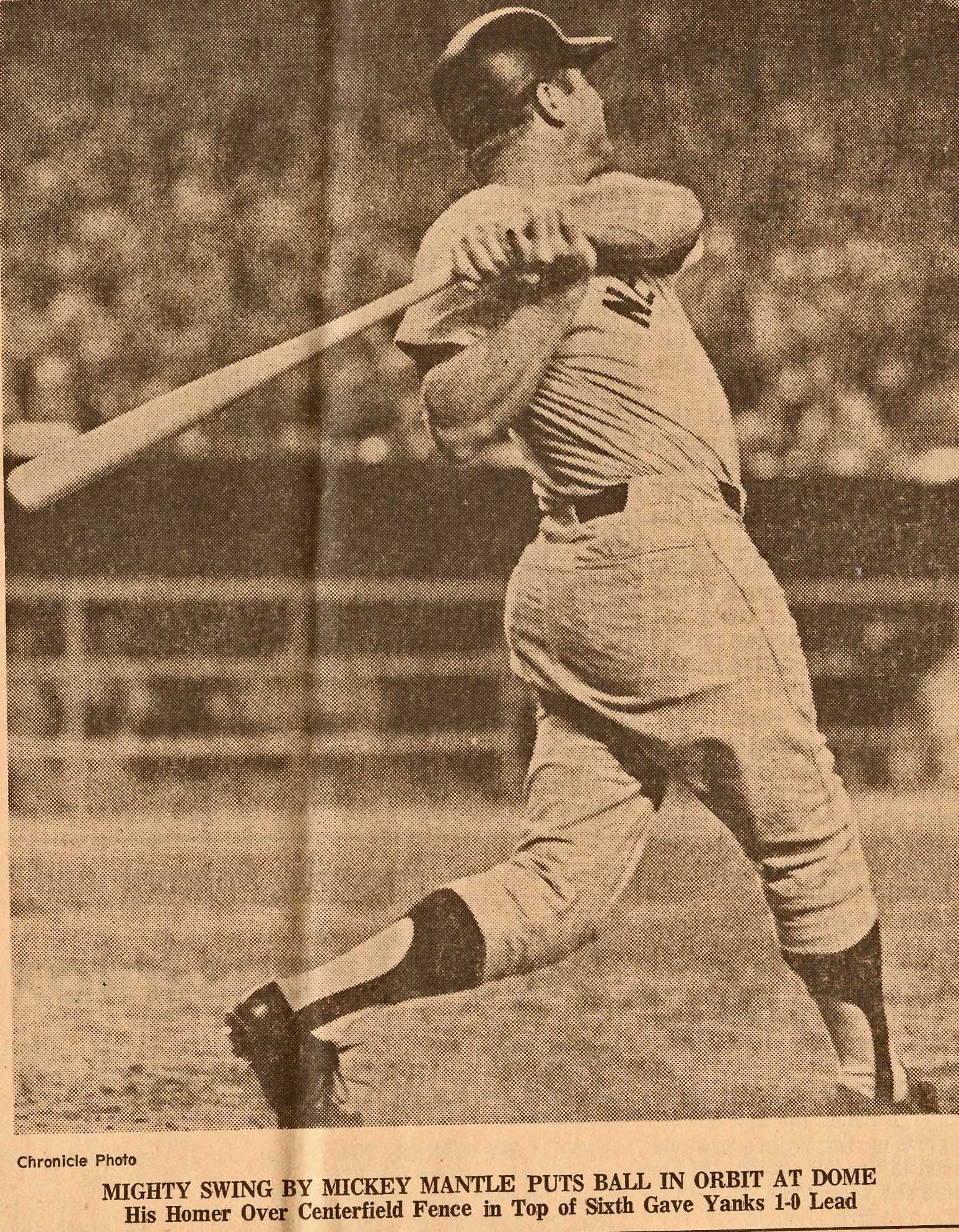
8:40 PM: In the top of the sixth, with nobody on, Mickey Mantle slams the first home run in Astrodome history. It also produces the Dome’s first run and RBI, plus a 1-0, first in-progress deficit game under glass for the Houston Astros.

8:41 PM: Exactly one minute later, a fan makes the first clean bare hand catch of a foul ball hit into the stands.

8:51 PM: Rusty Staub reaches safely when his bunt stays fair, giving the Astros their first ever indoor bases loaded situation.

9:00 PM: Jimmy Wynn guns down Johnny Blanchard as the first indoor runner cut down at the plate by a bullet throw from center field.

10:22 PM: In the bottom of the 10th, Nellie Fox of the Astros gets the first pinch hit in indoor baseball history. It is a single to center that scores the winning run in a 2-1 victory for the Astros over the Yankees and, of course, the first win in indoor baseball history. Jimmy Wynn scored the fist winning run in Astrodome history.

That’s it. Unrecorded by Wells Twombly’s time stamp also are these other important firsts in Astrodome history from Game One:

First Astros Run – Turk Farrell

First Astros RBI – Rusty Staub

First Astros Single – Al Spangler

First Double – Walter Bond

First Triple – Ron Brand

First HBP – Roger Maris by Hal Woodeshick

First Stolen Base – Joe Pepitone

First Astros Stolen Base – Joe Morgan

First to Ground into Double Play – Rusty Staub, 4-6-3

First Error – Tony Kubek

First Winning Pitcher – Hal Woodeshick

First Losing Pitcher – Pete Mikkelsen

First “IN ORBIT” Notation on an Astrodome Homer – It was Mantle’s. The lead photo used here was described exactly as it was below the lead photo in the Houston Chronicle. No word if broadcaster Harry Kalas first used his eventually famous “that ball is in orbit” on Mantle’s first blast, but probably not. The famous Kalas-Call correctly homed in and came back out as “that ball is in Astros orbit!” Perhaps, Harry drew his inspiration from the  Chronicle’s “IN ORBIT” description beneath the Mantle picture and used it the following evening when Jim Beauchamp hit the first “Domer” home run for the Astros in the third inning of the next day’s first indoor afternoon game, and this time, against the Baltimore Orioles and lefty starter Jim McNally.

“Astros Orbit?” Who knows? The word “orbit” hung plainly in the Astrodome air back in 1965. Kalas could have as easily inhaled it with any breath he took on Friday, April 9th, and then exhaled it in the form of orbiting mucous matter on Saturday afternoon, April 10, 1965.

Have a nice weekend, Everybody!

ROOTS 3: Houston Sports Writers 1965

February 21, 2013
Circa 1965

Circa 1965

From the 1965 Astros Souvenir Game Program, I ran across this group picture of the four major local writers who covered the Houston major league baseball club for the Houston Post and Houston Chronicle in that first exciting season of the “brand new and shiny too” Astrodome.

Clark Nealon was the gold standard veteran of the group, the man who linked Houston writing icon-to-be Mickey Herskowitz with the illustrious Post reporter that came before them.  Lloyd Gregory, the man who took Houston sports writing back to the late 1920s and the early 1930s Post coverage of Dizzy Dean and Joe Medwick as players with the 1931 Houston Buffs, was a homey force of some reckoning power back in the day. In fact, it was Gregory and a female fan who wrote in the suggestion who gave Medwick his famous permanent ink nickname of “Ducky.” The lady wrote to Gregory that she thought Medwick walked like a duck. Gregory must have agreed because he kept using the nickname “Ducky” in local print enough until it made all the rounds and even packed itself in Medwick’s suitcase when Ducky finally waddled off to the Cardinals and big league gas house gang fame in 1933.

Nealon did not write to hang nicknames or rile readers for attention. Clark Nealon wrote to give readers the best reports he could write about the Buff, Colt .45, and Astro games he covered. You see, Nealon labored under the impression that reporters were hired to report on games – not to distort them as devices for drawing attention to himself. With Clark Nealon, the game was the thing and, in my humble every morning reader experience as I was growing up, nobody else ever hit the keys in that direction as well until Mickey Herskowitz came along.

Mickey is the guy with storybook start. He was the frequent kid fan at Buff Stadium who became famous among members of the media for his game time practice of updating player batting averages during games in progress at Buff Stadium in the late 1940s and early 1950s. His talents earned him an invitation to watch the games from the press box so the professionals could have the benefit of this information.

A journalism career was born.

After graduating from the University of Houston, Mickey Herskowitz continued his long career as a sports writer for the Houston Post, shifting over to the Chronicle in the 1990s, when the post died. Herskowitz has since moved on to  chaired position on the journalism-communications faculty at Sam Houston State, but his landmark contribution has been his authorship of over sixty books, mostly biographies, but of figures as diverse as baseball’s Mickey Mantle and Hollywood’s Bette Davis. Mickey is currently a contributing author on the major book that our SABR group is writing on “Houston Baseball, The Early Years: 1861-1961.” Publication for this only comprehensive treatment of Houston’s early rich history of baseball is projected for the spring of 2014, and Mickey Herskowitz will be addressing what went on in the transition of our city’s growth from the minor leagues to the major leagues in the post World War II years.

Mickey took reporting to a new level of entertainment. His game accounts came in excellent-size only, but they also came loaded with the Herskowitz humor that invited the readers to come back for more. Like Forrest Gump’s famous box of chocolates, the reader never knew for sure what he or she was going to get from a Herskowitz article beyond the truth. They just knew that it was likely to contain something that was also funny and entertaining.

For example …

When viewing the profile of the completed Astrodome on his first drive to the venue, Mickey said: “It looks like a giant anti-perspirant bottle that has been buried in the ground up to its neck.”

When the Astros installed the first Astroturf by zipper-connected sections to the Astrodome infield, Mickey said: “Now Houston has the only infield in the big leagues with its own built-in infield fly.”

When the Dallas Cowboys built Texas Stadium, leaving a large section of the middle roof open and exposed to the sky, Mickey said: “On the heels of Houston’s success with a fully covered stadium, Dallas apparently has decided to settle for building themselves a “Half Astrodome.”

Enough. We haven’t got all day to laugh. Do we?

Dick Peebles was the able senior writer for the Chronicle. We were a Post family when I was growing up so i really did not get to read Peebles that often. Perhaps some of you who remember him in greater detail will care to comment.

John Wilson is almost the same problem for me because he was another Chronicle writer, but I do have to stop long enough for giving Wilson credit for hanging one of the best nicknames that’s ever been hung by a writer on a deserving ballplayer. Known for his compact size and big man power hitting strength, Jimmy Wynn became instantly far better known by the nickname given to him by John Wilson.

Yes. Jimmy Wynn was, is, and always will be – “The Toy Cannon!”

Thank you, John Wilson. And thanks to all four of you men from 1965 for helping to place and keep Houston on the media map of national attention.

The play’s the thing.

The Saturday Kid Movies

February 19, 2013
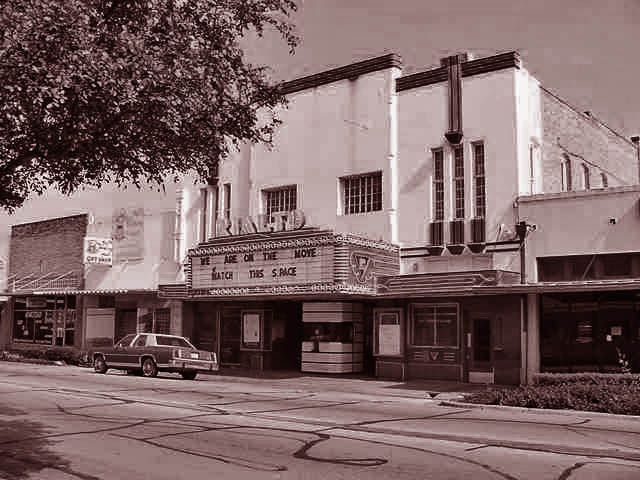
The Rialto TheaterBeeville, Texas

The Rialto Theater
Beeville, Texas

Every couple of years or so, I seem to do a memory check on some of the Grade B movie stars that made films for our post World War II generation of kids that loaded the suburban movie theaters each Saturday morning or afternoon to watch a four-hour double bill that was aimed straight at our restless little culture-deprived minds.

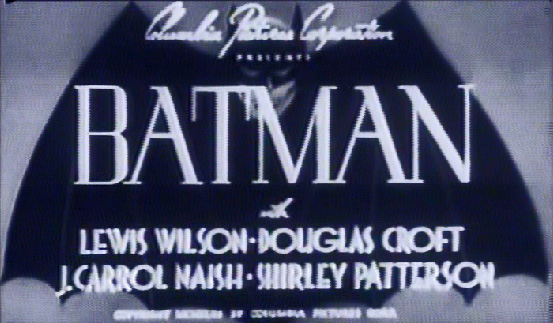
Batman 2 My home base for these weekly retreats from all thoughts grown-up was the Avalon Theater in the Houston East End on 75th at Lawndale. They tore that sweet bastion of adult-free space down too long ago for me to have gone back in time for a treasured photo of the original “Avalon” post. It was the “Capri” for a while thereafter, then went through several lives as a “church” before the wrecking ball got it about five years ago.

What’s in a movie house name beyond all of our fond personal memories? Most of us from that era were pretty much dancing to the same beat no matter where we lived, or what they called our base theater, even then. Our many movie homes all over America simply played to our single heartbeat tastes for action, adventure, mystery, goosebumps horror, comedy, and cliff-hanging weekly serials. Mine just happened to spawn at the Avalon.

Here was the set-up at the Avalon, circa 1946-52: Nice cents paid for your ticket. For another sixteen cents, you could get pop corn, candy, and a coke. That worked out to a quarter. So, moms and dads could get rid of their kids for four hours each Saturday for a quarter a kid and have some free time to do whatever it was that boring parents enjoyed doing with each other back in the day.

Here was the formula for what we got on the screen for that three to four hours we were there: one western; one other show, pretty much running the gamut of all those topics I described earlier, a cartoon, a weekly serial; sometimes a one-reel specialty show like “Joe Doakes”, and about one gazillion previews. – Some things never change.

Here are some of the leading western stars that I recall: Gene Autry, Johnny Mack Brown, Rod Cameron, Sunset Carson, The Cisco Kid, Eddie Dean, The Durango Kid, Tim Holt, Alan “Rocky” Layne, Red Ryder, Roy Rogers, Jim Wakely, The Lone Ranger, Bob Steele, and Wild Bill Elliott, just to name a few that I’m hoping will trigger your own    memories.

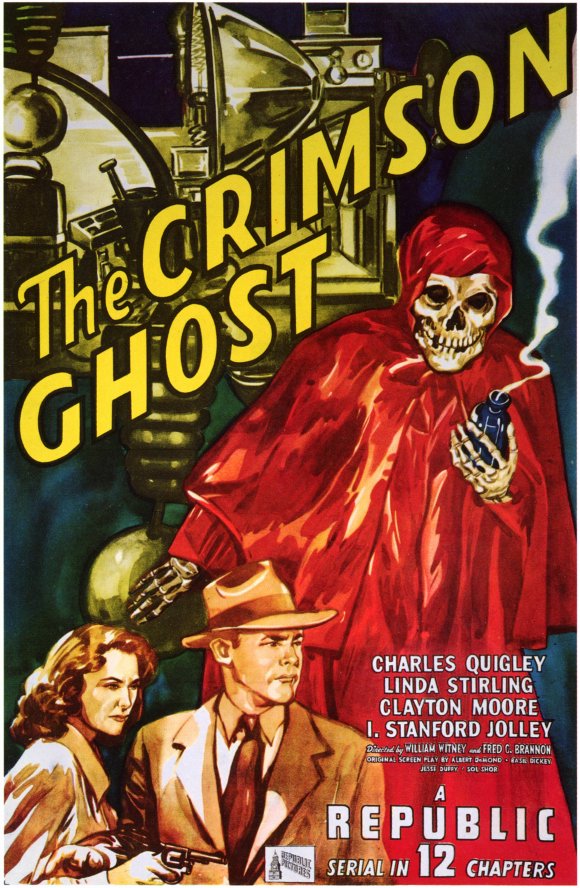
AVALON CRIMSON GHOST The second movie was usually a contemporary times script that frequently included some other franchise B stars like The Bowery Boys, Charlie Chan, Sherlock Holmes, Dick Tracy, The Three Stooges, Dagwood and Blondie and Boston Blackie were all common stars that we mostly embraced as we might have members of the family, They were our stars – not the stars of our parents.

The weekly serials I especially remember included Batman, (of course, there were three Batman serials), Superman, The Crimson Ghost, The Purple Monster, Rocket Man, The Phantom Rider, King of the Forest Rangers, The Daughter of Don Q, and The Mark of Zorro, There were others. Perhaps, you can help me remember what I’ve now forgotten and left off the list.

The movies were our electronic social gathering point back in the day. We didn’t text or e-mail 0r play computer games, but we did rally to the messages of our post war movie fare. Funny thing is, even though there was a lot of shooting, especially in westerns, I don’t recall these exposures making us think or feel that shooting people in reality was OK. We just didn’t think in those terms.

We did believe in fist fights and wrestling matches as ways of settling serious disputes. That much I know for sure.

Age is a Funny Thing…

February 18, 2013
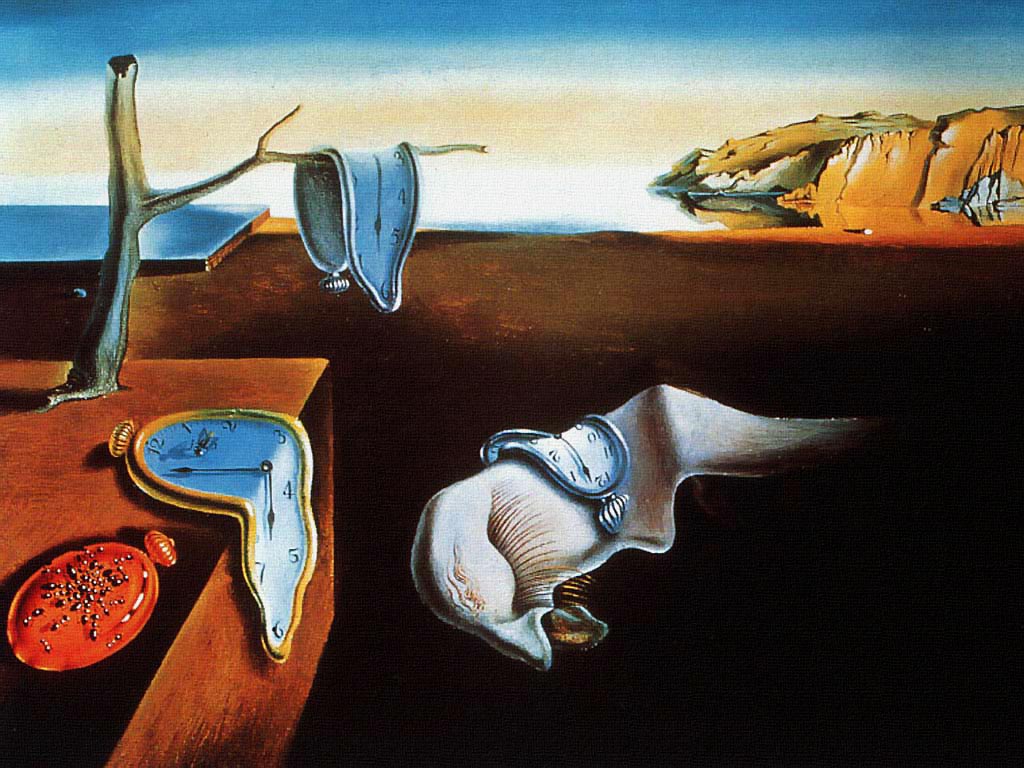
Hello, Dali!

Hello, Dali!

Age is a funny thing, sometimes. It’s not so funny on those mornings when it’s hard to get out of bed, and lately, those seem to be increasing for me, but it’s down right hilarious just about all those other times that your physical health and loss of physical agility doesn’t get in the way.

I got to thinking about it yesterday as I was leaving my own comment on this site to Bill Gilbert’s wonderful memoir of the Astrodome and I recalled for the first time in a long while that I once kicked a 35-yard simulated field goal (dead-on Lou Groza style) in the Astrodome at halftime after midnight of the 1980 UH-AM football game in the Dome. (The whole story is still there under the Gilbert column. I’m not repeating it here.) My thought here is simply that I couldn’t anymore do that now (even attempt a field goal) than I could make any of those sliding shoestring catches I used to make in the sandlot and parochial or city league games we used to play back in the early 1950s. Today those feats are little more than pleasant memories, and probably magnified in my own mind, far more than they are remembered by anyone else, if at all, but that’s OK.

When I leave here, this earth, my journey will not be burdened by the need to feel that I’ve done anything especially grand, just that I have appreciated my time here and the opportunity to learn what I could from my experiences and to have given back whatever it is I have to give. Beyond that, I know who loves me and whom I love, and that God is Love. And that’s it. And that’s enough.

Don’t get me wrong. I don’t think I’m dying right now. Beyond the fact that I am going through some health issues these days that easily remind me of the fact that nobody lives forever, I could live another twenty years – and I hope I am so blessed. Even if I do, I’ll never take additional age in years for granted beyond the fact that “my eyes opened again this morning to a new sunrise.” Even that one is no guarantee for any of us that we shall see the twilight of the same day. The time of our lives is always the only time that truly exists. That’s right now. In the here and now.

May we all be blessed with the full experience of whatever our time on this planet ride is all about. It’s available to us in this moment through so many instructive memories, sweet and sharp: our first base hit, all day on the sandlot during the eternal summers of childhood, the sight of that face and smile of our first love, that first kiss, the joy of knowing we’ve been together since 1954, or the sorrow that we missed the boat with each other, but hopefully, now resolved as healed pain by the recognition that life had another plan for our lives, and that whatever we took on in a full embrace of reality and creativity was our true big league career – and true love.

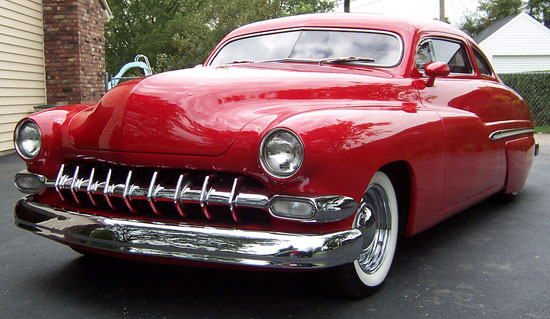
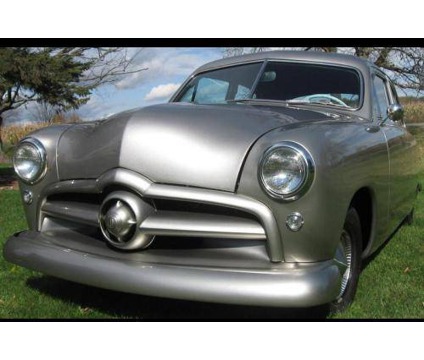
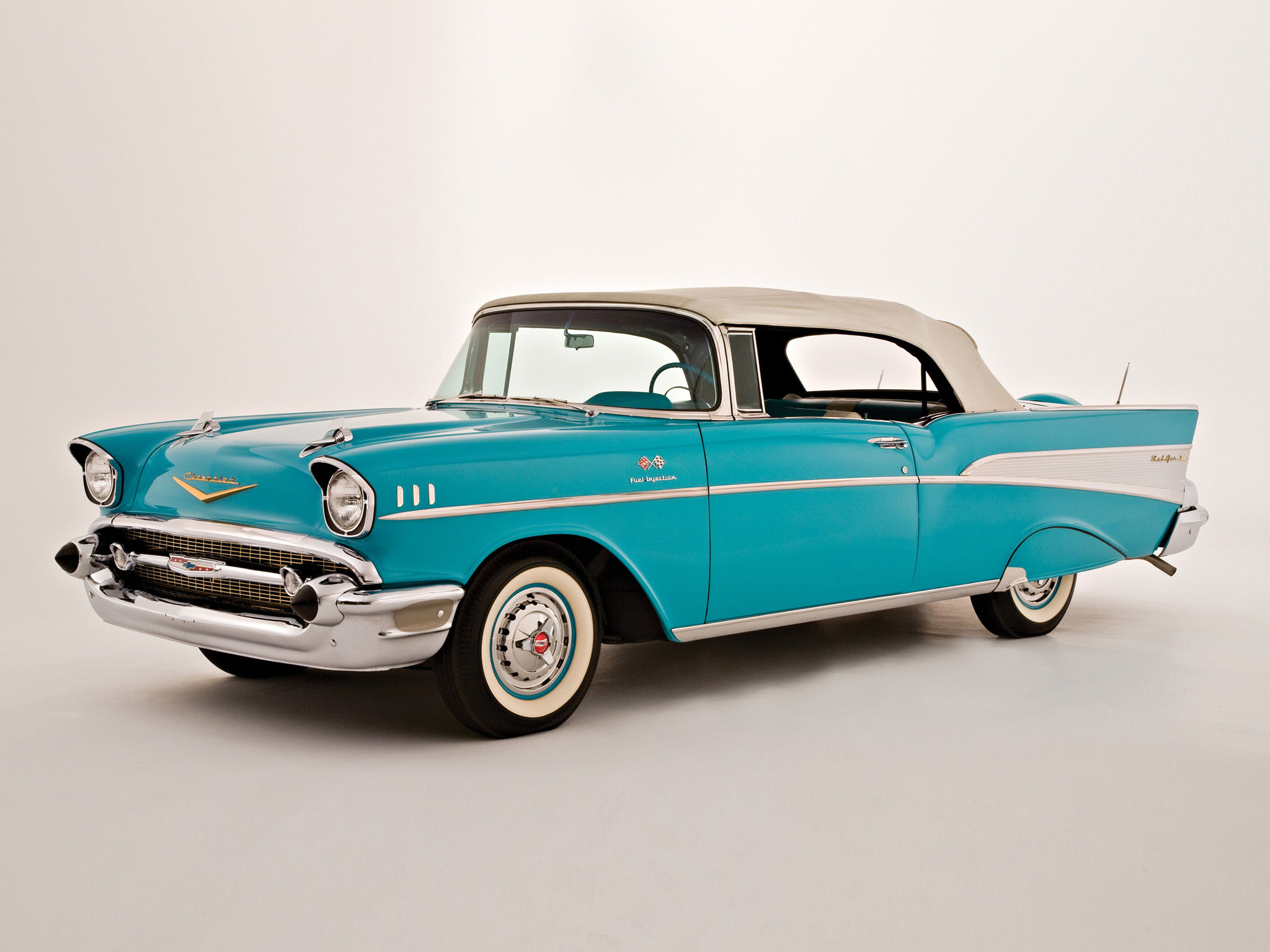
As an old car guy, the classic looks of those real chrome and steel models from the late 1940s and early 1950s are my anchor points to an era which bred us James Dean wannabes with the idea that we could get there faster, classier, and stronger than any obstacle that got in our way, even if our goals were sometimes devoid of clear purpose, we raced on anyway – either without cause – or in tight compliance to society’s expectations. Those of us from the former group were quick to advise the goose-steppers of the latter group: “Don’t start a rumble, if you can’t take the tumble!” We thought we were so smart. Boy, did we have a lot to learn.

Anyway, here are some quick looks at four great dream cars from my own coming of age era. They are as good a way to go out on topic today as any. Have a great President’s Day, February 18, 2013, everybody! Make it whatever it is. And do not waste it because it’s never coming back for a re-run.

1949 Mercury

1949 Mercury

1950 Ford

1950 Ford

1951 Studebaker

1951 Studebaker

1957 Chevrolet

1957 Chevrolet

Memories of the Astrodome by Bill Gilbert

February 17, 2013
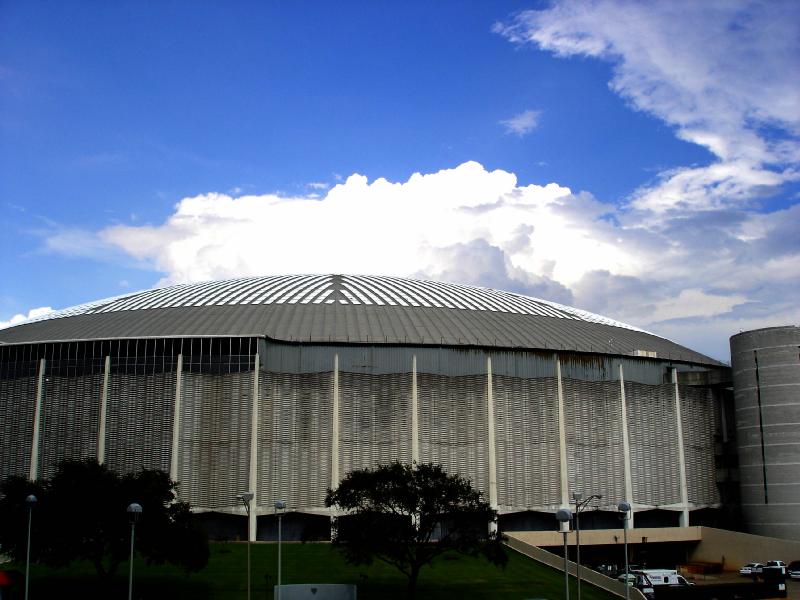
The AstrodomeHouston, Texas

The Astrodome
Houston, Texas

Bill Gilbert is a Denver guy and University of Colorado graduate who spent most of his adult life living and working in the Houston oil industry and closely following the city’s sports teams. Primarily a Type A baseball stat seam head and game historian, Bill Gilbert was either the founding father or one of the crew that got SABR started in the Houston region and he also served for years in this town as chair of the Larry Dierker Chapter. Now retired to the Austin area, Gilbert remains active there in the Rogers Hornsby Chapter of SABR, that is, the Society for American Baseball Research, where he continues to offer his ongoing analyses of the Houston Astros, the hitting and pitching leaders in each major league, other topical baseball events, and even an occasional piece on football. – Keep punting, Bill Gilbert. We will keep trying to either fair catch or run back whatever you boom our way, even if it’s mostly about baseball – and not football. Some of us prefer the baseball side of life, anyway.

Today, Bill Gilbert serves up something sweet and historic that he wrote back on January 7, 2003 about Houston’s current “damsel in distress,” the Astrodome. It’s special character is that it comes our way blessed as a memoir from one of the decreasing few who have been around for the entire life span of the grand old grandma of every other covered stadium in the modern era of the world.

Take it away, William, and thanks from all of us for the contribution!

Memories of the Astrodome

By Bill Gilbert

Two weeks ago, I attended a seated dinner on the floor of the Astrodome honoring retiring County Commissioner, Jim Fonteno.  It was a long evening and it occurred to me that it would probably be the last time I would ever be there.  At that point, my mind started wandering to the many memorable events I had witnessed in the hundreds of times I had been there over the past 38 years.  Most of my visits to the Dome were for baseball games but there were also many other events.  The Astrodome was not the best place in the world to watch a baseball game but it was certainly the most comfortable with the plush padded seats, ample leg room and cup holders.  Here are some of my memories in no particular order:

–       The first time I entered the building in July, 1965.  A true baseball fan gets a rush when entering any ballpark for the first time.  However, nothing in my experience compares to seeing the Astrodome for the first time.  Domed stadiums are commonplace now, but in 1965, the Astrodome was called by some “The Eighth Wonder of the World”.  Sandy Koufax beat Larry Dierker, 3-1 in the game.

–       Games 3, 4 and 5 of the 1980 NLCS between the Astros and Phillies, especially the memorable plays involving Cesar Cedeno, Joe Morgan, Vern Ruhle, Gary Woods, Art Howe, Pete Rose, Nolan Ryan, Terry Puhl,  Manny Trillo and Garry Maddox.

–       The 1986 NLCS between the Mets and Astros, especially Game 1 when Mike Scott beat Dwight Gooden, 1-0 on a home run by Glenn Davis and Game 6 when the Mets came back to win in 16 innings.

–       Nolan Ryan’s 5th no-hitter against the Dodgers in September 1981.

–       Mike Scott’s no-hitter against the Giants to clinch the Western Division Championship in 1986.

–       The game several years ago when the Astros overcame an 11-0 deficit to beat the Cardinals 13-12.

–       A game in the early 1970s in which Willie Mays dropped a fly ball and a female fan caught one.

–       J.R. Richard dominating National League hitters.

–       The 1981 game when Craig Reynolds hit 3 triples.

–       The game in 1969 when the Astros tied a major league record by turning 7 double plays.

–       Craig Biggio and Jeff Bagwell together on the right side of the infield for so many years.

–       The Astros’ return to post-season play in 1997 after an absence of 10 years.

–       The 1998 Division Series between the Padres and Astros, especially the duel between Kevin Brown and Randy Johnson.

–       The 1999 Division Series between the Braves and Astros, especially the incredible game-saving play by Walt Weiss on a ball hit by Tony Eusebio.

–       The 1986 All-Star Game, especially the 5 straight strikeouts by Fernando Valenzuela.

–       The trade of my wife’s favorite player, Rusty Staub, to Montreal and how she lost interest.

–       The trade of my youngest son’s favorite player, Greg Gross, to the Cubs and how he cried.

–       The Sunday afternoon game when my oldest son, age 7, became lost after he broke free to run down the ramp as we were leaving the game and my relief when we found him about 20 minutes later in the company of a policeman.

–       The pop foul off the bat of Jose Cruz that I caught in 1981.

–       The epic basketball game in January 1968 when the University of Houston beat UCLA 71-69 with Elvin Hayes scoring 39 points and out-dueling Lew Alcindor (before he was Kareem Abdul Jabbar).

–       The Heavyweight Championship Boxing match between Cassius Clay (before he was Mohammed Ali) and Cleveland Williams.

–       The tennis match in 1973 when Billie Jean King upset Bobby Riggs in straight sets.

–       Bill Yeoman’s Veer-T offense at the University of Houston, especially the 100-6 win over Tulsa (when Larry Gatlin scored one of the touchdowns) and the Bluebonnet Bowl win over Auburn and Pat Sullivan.

–       The College Basketball Final Four in 1971 when UCLA won over Villanova, Kansas and Western Kentucky.

–       The 2 Bluebonnet Bowl games involving my school, The University of Colorado, a win over Houston and a loss to Texas and Earl Campbell.

–       Two players that I saw play both football and baseball in the Astrodome, Tom Paciorek and John Stearns.

–       The high school playoff game when Howard Sampson of Baytown Sterling made a game-saving tackle on Quarterback Tommy Kramer of San Antonio Lee on the one-yard line.  Sampson and Kramer went on to continue their rivalry as members of the Green Bay Packers and Minnesota Vikings.

–       The performance by Elvis Presley as the featured entertainer at the rodeo in the late 1960s.

–       Performances by other entertainers over the years, including George Strait, Julio Iglesias, Clint Black, Alan Jackson, Reba McEntyre, Lee Ann Rimes, Charlie Rich, Charlie Pride, Johnny Cash and Tony Bennett.

–       The 12 years I played Senior Softball in the Dome, especially the 2001 game when I hit a home run in the first inning and scored the winning run in the last inning.

–       The last regular season game played in the Astrodome (in 1999) when the Astros brought back their all-time best players for a post-game ceremony followed by a performance by Willie Nelson which he ended by singing “Farewell Party” as people filed out.

1/7/03

I Had a Dream…

February 16, 2013

Candy Store2

Dreams are funny creatures. Like plays about the emotions and spiritual forces of our inner lives, characters and themes and plots appear as symbols of our greatest hopes and worst fears, sometimes cascading from positive to negative and back again before we even know it. – And then we suddenly wake up – and it all begins to fade away from consciousness like the images on old camera film that have suddenly been removed improperly from the Kodak of our brain. When that occurs, and for some people, it occurs every time, we still know that something happened. We jut can’t remember what it is.

The difference between exposed film and forgotten dreams is great. The images on exposed film are truly lost forever. The images of a forgotten dream are just complexly buried in our unconscious minds and, if they are strong enough in theme, they will return in some form as recurring dreams.

I have a recurring dream that is an excellent example. Those of you who know about my passion for baseball history and my undying hero-worship of Babe Ruth from early childhood will not be surprised. This dream embraces both my greatest hope and worst fear – and it never really gets resolved. Now I fear that, unless I can somehow, someday find that elusive time machine that I keep looking for, that it never will resolve its cycle of recurrence.

Here’s that hope-to-fear dream – and this one is always pretty much the same: In my dream, I’ve managed to go back in time to the Bronx, New York on September 30, 1927. It is late afternoon and the Yankees are entertaining the Washington Senators in the next-to-last game of the season at Yankee Stadium. The pennant has been clinched for quite a while and only a small crowd of 8.000 fans has shown up to lose themselves among the 67,000 seats of the game’s great cathedral. I always wonder why there was no more interest in the possibility of Ruth’s 60th homer on that day, but there wasn’t, at least, not the kind of interest that translates into ticket sales. In the dream, all I care about is getting there as I race down the street that parallels the right field line from two blocks away, just trying to get inside the ballpark in time.

In time for what?

In time to see Babe Ruth break a 2-2 tie in the bottom of the 8th with a record-setting 60th home run to right field off lefty Tom Zachary of the Senators. The two-run shot gives the Yankees a 4-2 victory, their 109th win of the season, but even more importantly to history, it allows Babe Ruth to break the tie with himself for the most home runs in a single baseball season. And, as you probably know, the number “60” will remain the gold standard for home runs in a single year until 1961, when Yankee Roger Maris hits 61* with the help of a season that is now eight games longer than the one they played in 1927.

In my dream, I am running to reach the ballpark in time to buy a ticket for the right field stands so that I can compete for the home run that I know is coming that way. The ball will be caught and kept by 14-year old Herb Siegel – unless I am able to reach the same area in time to beat him to it.

In the excitement of the moment, I seem to have lost track of the unwritten rule about time travel, even in a dream: You don’t go back to alter a single thing. My problem with that rule has always been that our ability to time travel is in itself already a significant alteration of time and space reality. Maybe that explains why it either never happens, or else, never gets reported.

And maybe it’s simply my abjectly obsessive greed that does me in on this dream. In the dream, for example, I suddenly cannot run.

As I try to run, the sidewalk starts to feel like a rubberized trampoline and my legs feel as heavy as lead. Each step I take is slowed by the heavy falling of  shaky shoes coming slowly down upon a jello-like surface and, as I fight on, suddenly I hear the loud unmistakably Ruthian crack of the bat. My head swivels to the right from my trudgery in time to see a mighty blast by Ruth clearing the stadium confines in right field. That’s not the way it happened in reality, but it’s the way it always ends in my recurring dream. Siegel doesn’t get the ball, but neither do I. It’s fade to black time for the dream, from there until the next sleeping moment I make this trip from greatest hope to biggest fear in one fell and fatally disappointing swoop.

Now, what brought all of this dream-stuff to mind this morning was the new dream I had last night. This one’s not about baseball, except by proximity location near old Ebbets Field, and it’s not even about my real home town of Houston. It’s again set forth in New York, in a very special place known as Brooklyn, New York, but, even though I know that dreams are mostly symbolic of matters that are going on in our real lives,  I cannot for the life of me figure out what this dream has to do with me or the City of Houston.

Perhaps, you can help.

Here’s the dream. Please post your comments below on what you think it may mean:

In last night’s dream, it’s Brooklyn in 1920. A young merchant has acquired a popular expensive candy store on Bedford Avenue, one block away from Ebbets Field. Once he takes over the store, he immediately replaces all the best stock with homemade sweets and knock-off brand cheap confectionaries. When the store customers of fifty years turn away, friends try to warn the new shopkeeper that’s he’s losing his market base, but the man is dismissive. “Not to worry if they never come back,” says the smiling new store boss. “I will replace those who leave me with new and younger customers who are willing to pay the same good money for the cheap crap I’m selling.” 

It’s quite a puzzlement. Who would dare to even daydream of acquiring an established quality Houston brand and then dismissively resort to treating the business’s established customer base in that kind of apathetic manner?
Not in our town. Couldn’t happen here.

The 2013 Astros Lineup That Might’ve Been

February 15, 2013
Opening Day 2013: Line 'em up - whomever they may be.

Opening Day 2013: Line ’em up – whomever they may be.

Had we not had the club sale and all the trades that totally erased this possibility, here is the aging, but still MLB quality starting lineup the Houston Astros could have put on the field for Opening Day 2013. I’m not suggesting that it’s either better or superior to the long-range interests of the club at this time because, when you look at the players’ ages for the upcoming season, only three men here are still in their 20’s. Chris Johnson will be 28 and both Matt Downs and Jed Lowrie will be 29 this year.

At any rate, here’s my Houston Astros 2013 Opening Day Lineup That Might have Been (by batting order, 2013 age, position, 2012 batting average, and 2012 team):

1) Michael Bourn (30), CF, .274, Atlanta Braves

2) Jeff Keppinger (33), 2B, .325, Tampa Bay Rays

3) Lance Berkman (37), 1B, .259, St. Louis Cardinals

4) Carlos Lee (37), DH, .264, Houston Astros/Miami Marlins

5) Chris Johnson (28), 3B, .281, Houston Astros/Arizona Diamondbacks

6) Hunter Pence (30), RF, .253, Philadelphia Phillies/San Francisco Giants

7) Matt Downs (29), LF, .202, Houston Astros

8) Humberto Quintero (33), C, .232, Kansas City Royals

9) Jed Lowrie (29), SS .244, Houston Astros

Starting Pitcher: Wandy Rodriguez (34) 12W, 13L, 3.76 ERA, Houston Astros/Pittsburgh Pirates

Some Thoughts on What’s Missing from the New Astros Plans for a Winning Culture in Houston …

Draw your own conclusions, now or over time. Is the new Astros leadership taking the ball club on a true course of rebuilding that will also convert the culture to a new constant state of winning by both mindset and action? And who’s to say the club hasn’t been there in earlier times. The Bill Virdon-led Astros clubs of 1979-81 were all about winning, as were the great Astros teams of manager Larry Dierker from 1997-99 and 2001, and Phil Garner’s boys of summer in 2005 even made it all the way to the World Series. They were all spawning cultures of winning. They just never made it to the “last club standing” level that we equate with winning in professional sports today.

I’m just clear as to this much. The restless search will continue until the club finally seizes lightning in a bottle and takes it all the way to a World Series victory for Houston. Then we will be ready to examine whether or not we have the kind of culture that exists in St. Louis. As I know them, and I’ve got quite a few good friends among the hard-core fans in Cardinal Nation, Cardinal fans are never presumptuous or arrogant about winning. Arrogance is for the ignorant only and real St. Louis fans are far from dumb when it comes to understanding what it means to live in a baseball winning culture.

Here’s the closest summary I can write about the winning baseball culture in St. Louis. It’s like a triangular investment of trust and respect (1) from the wonderful DeWitt family ownership toward their fans; (2) from the fans toward the Cardinal players; and (3) and from the Cardinal players on the field toward both their owners who pay them and the fans whose support makes salary payments possible. Nobody takes winning for granted in St. Louis, but then, nobody is really surprised when it happens either.

We’ve got some ground to cover in establishing that kind of triangular trust in Houston and it won’t happen until we win the big one – and it won’t happen until the new Astros ownership proves what the St. Louis ownership already understands, that we common fans are part of the baseball community too – and not just the local ticket market.

Canceling the winter baseball banquet by simply treating it as a non-event; authorizing the uglification of our ballpark for the sake of honoring corporate sponsors; and then refusing to dialogue with us common fans who object to these kinds of insults isn’t exactly an attitude that will ever lead to the establishment of a true winning culture in Houston.

To me, what appears to be a building dismissive attitude in the new Astros ownership toward the idea of including the little guy in their decisions to kill traditions and mutilate the ballpark’s architectural lines are a major hole in the hull of any plans they may have for building a winning culture.

That’s just how it looks to me and the saddest part is – the new ownership and their administration just doesn’t seem to get it.

Astrodomus Delights on Valentine’s Day

February 14, 2013
Astrodamus: noun, defined as: Those funny little unpredictable things the Houston Astros sometimes do that even Nostradmus did not see coming.

Astrodomus: noun or adjective, defined as: (1) Those funny little unpredictable things the Houston Astros sometimes do that even Nostradamus did not see coming; (2) Any action or performance put in motion by either the Houston Astros club or any player or official representative of said club that we could not see coming in advance of its public reference is hereby appropriately recognized for all time in the noun form as an “Astrodomus”.

Son of a gun. Although I’m sure it was mere coincidence, the Astros chose yesterday, the same day I wrote my broadcast team parody, to pick their actual selections and half of my first team recommendation made it through the wire when Steve Sparks made it as the club’s choice for color work on the 790 AM radio network hub in Houston. Good luck, Steve. I’m just sorry that Greg Lucas could not go with you, but that’s life for all of us eventually, if we reach a certain age. It’s the unspeakable, invisible rationale for what is often called the jump-starter button on the deselection process due to age. The trouble is, nobody dares ever to admit it. It’s technically against the law. Hiring groups either  have to fall back on obfuscation to explain their reasons for deselecting an “older” candidate, or else, they simply choose to say nothing to them or about them at all.

The guy the Astros hired for play-by-play is a fellow named Robert Ford and he comes to Houston from the Kansas City Royals with a whole lot of minor league games worked on his resume’ from earlier places and stops at cities like Kalamazoo, Michigan. That news alone set off the first firestorm in my brain, if you are either old enough, or hip enough, to remember that ancient Glenn Miller song, “I Got a Gal in Kalamazoo!”

Now Houston can sing …

“A, B, C, D, E, F, G, H, I …NO!
We got a guy – from Kalamazoo
Don’t want to boast but we hear he’s the toast of – Kalamazoo
(Zoo, zoo, zoo, zoo, zoo)”

Of course, the name “Robert Ford” is also the identity of the man who shot 19th century outlaw-hero Jesse James in the back, killing him in his home while he was on a stool trying to straighten a picture. Ford did it for the reward in a cowardly act that was soon mourned in anger toward that “dirty little coward, who shot Mr. Howard (the outlaw’s hideout identity), and laid Jesse James in his grave.”

How about a brief parody of that depressing little diddy as it applies to what happened here with this new version of Robert Ford. …

“Oh that minor-league-guy  playman,

That shot down – David Raymond,

And laid – Astros broadcasts in their grave.”

That being said, please forgive me, Robert Ford, and welcome to Houston. You are guilty of nothing more than accepting a new job in a market in which the previous announcers, Dave Raymond and Brett Dolan, each had their own followings among fans who hated to see them go. I was a Raymond man; I even thought that everyone loved Raymond. As it turns out, some invisible advisors to team owner Jim Crane said they didn’t – and he was gone. That was neither your fault nor your doing.

I am prepared to give you an open book on winning us over and I think most Houston fans will do the same. So, please give us your best shot, Robert Ford, Just don’t wait until we’re hanging pictures to pull the trigger.

Happy Valentine’s Day, Everybody!


9 Suggested New Radio Voices of the Astros

February 13, 2013
Greg Lucas (R) with commenting partner Steve Sparks on the last night of the Astros home schedule, 9/26/12, as pre and post game analysts. Lucas has been the multiple seasons partner to many others, including Kevin Eschenfelder, Art How, Jimmy Wynn, and Allison Footer, among others, in addition his on the field and spot work as a live broadcaster of Astros games on both television and radio. His absence from the new network plan that starts in 2013 shall be felt by Astros fans everywhere.

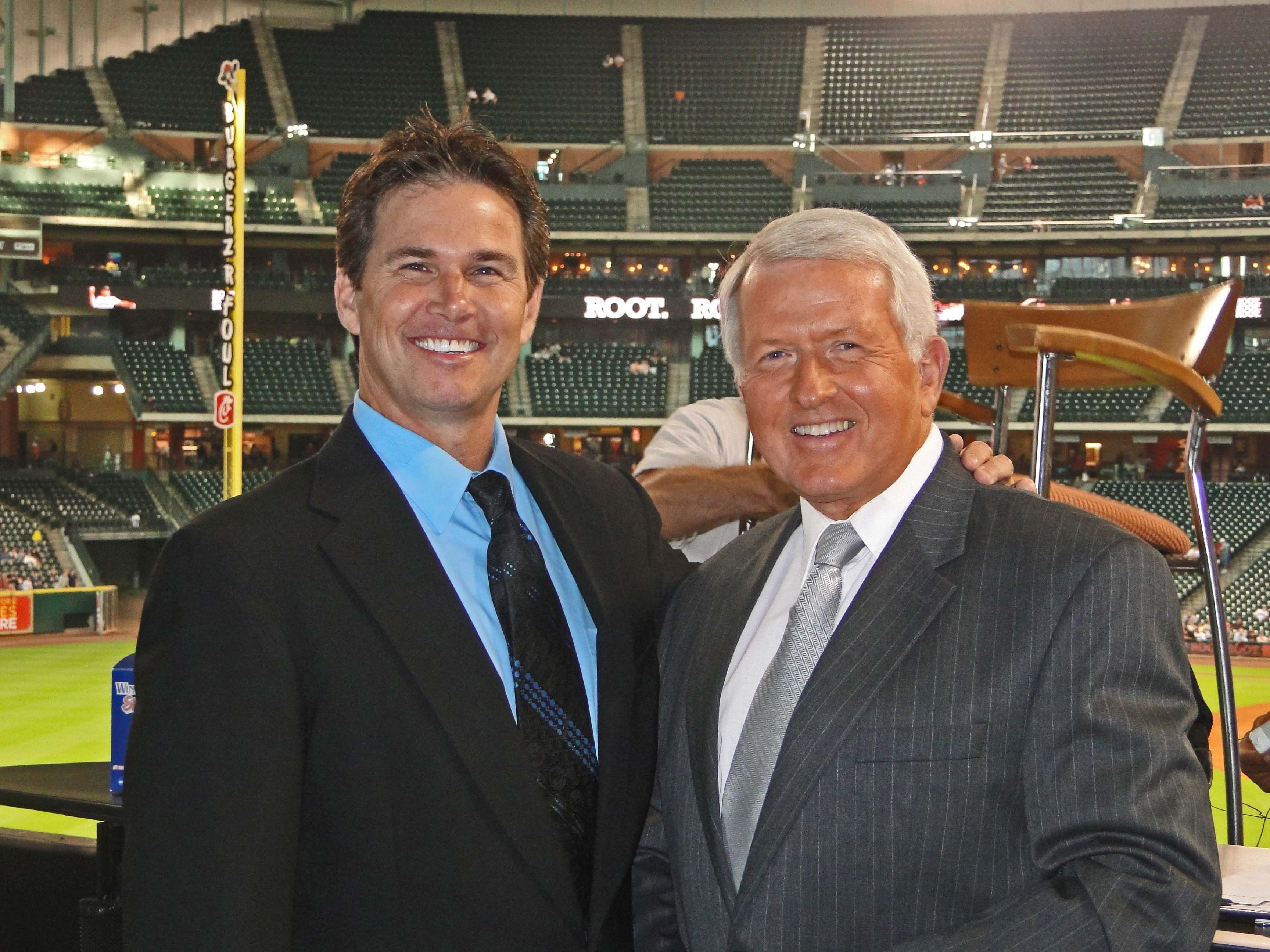
(1) Greg Lucas (R) on play-by-play, with former pre-post game FOX partner Steve Sparks on the color side is my solid pick for first choice under the long-of-tooth hour circumstances that this decision is getting made. These guys were my first picks, anyway.

(2) Darrell Pittman (L) on play-by-play with Astros Daily partner Bob Hulsey (R) on color. The boys would spare us unnecessary words, but the ones they did use would be informative.

(2) Darrell Pittman (L) on play-by-play with Astros Daily partner Bob Hulsey (R) on color. The boys will spare us unnecessary words, but the ones they do use will be informative.

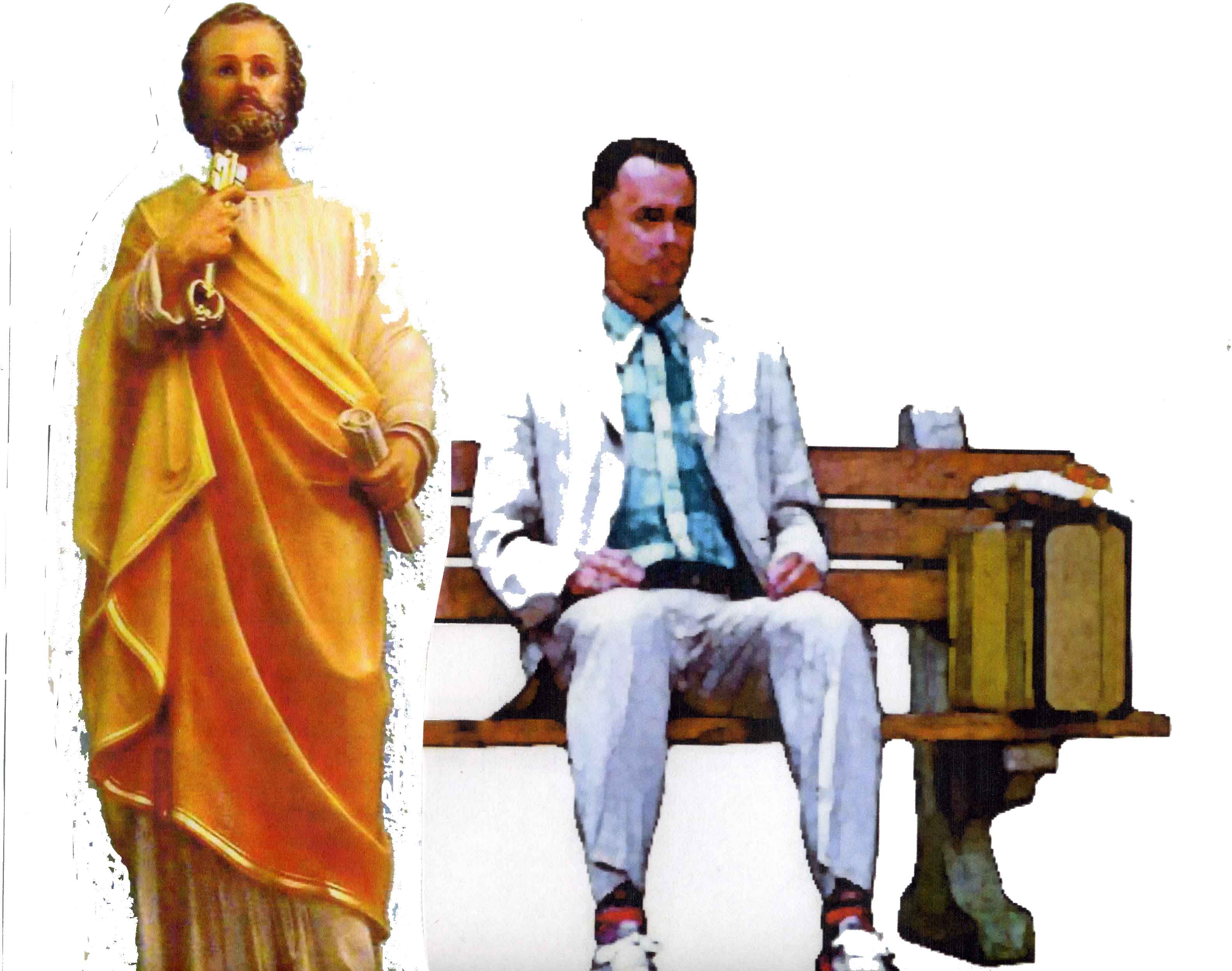
(3) Forrest Gump (R) on play-by-play with the Boys from Rome (R) on color. Great variety here. "They are like a box of chocolates. You never know what you are going to get."

(3) Forrest Gump (R) on play-by-play with the Boys from Rome (L) on color. Great variety here. “They are like a box of chocolates. You never know what you are going to get.”

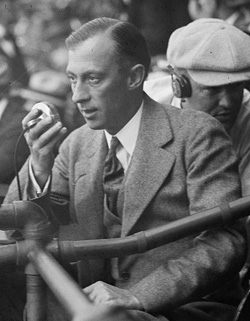
(4) Graham McNamee:  Assets - He will call a game on his own from an empty seat near the field of play and his style alone provides all the color the audience needs..

(4) Graham McNamee: Assets – He will call a game on his own from an empty seat near the field of play and his style alone provides all the color the audience needs..

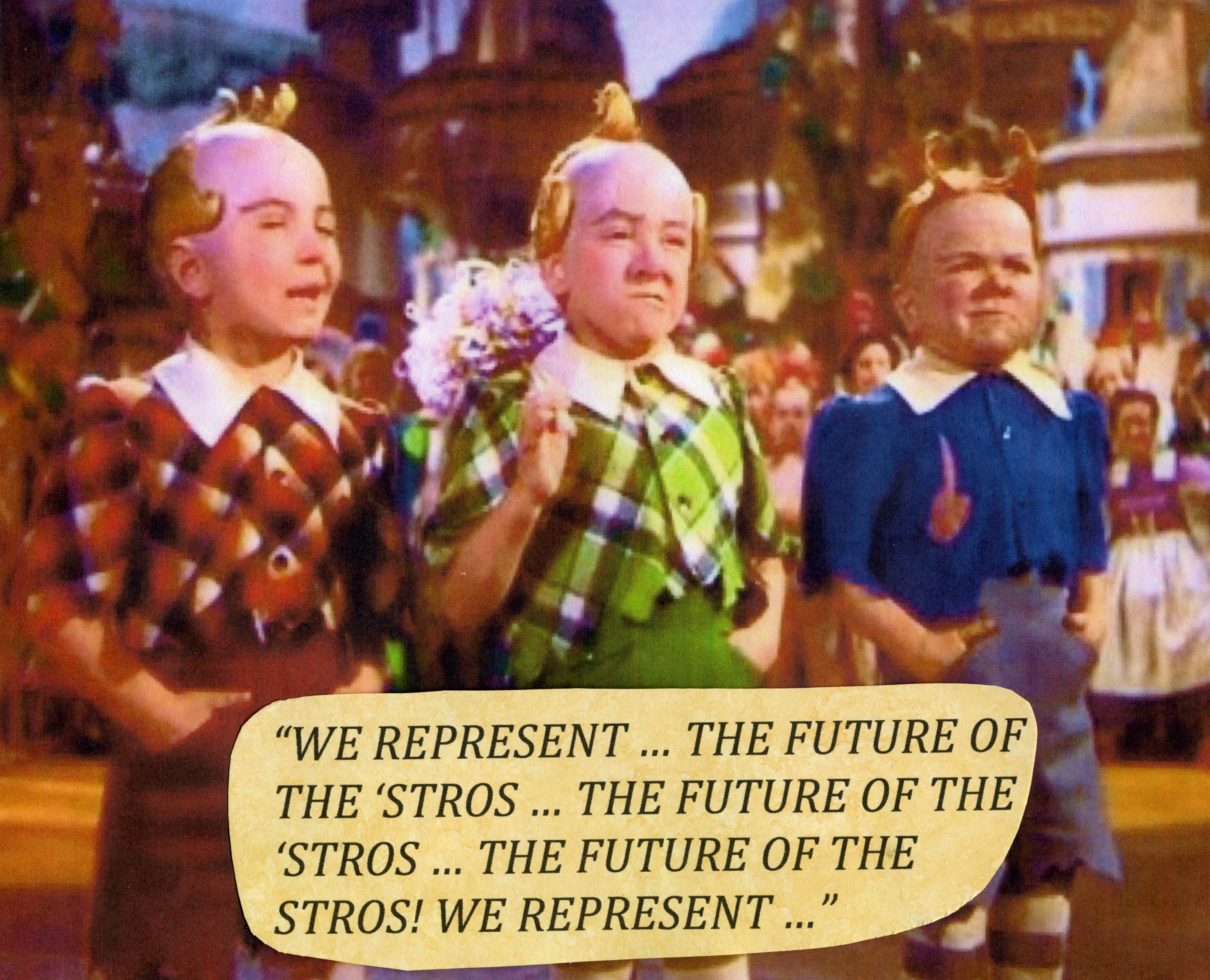
(5) The Munchkins: "We'll call each game discretely! We'll tell you oh-so-sweetly! How we lost each game completely!

(5) The Munchkins: “We’ll call each game discretely! We’ll tell you oh-so-sweetly! How we lost each game completely!

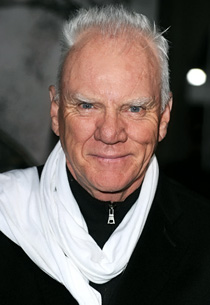
Actor Malcolm McDowell IS...>

(6) “Clockwork Orange” famous actor Malcolm McDowell will give the Astros all the tilt of his evil in-and-out kick to the groin voice tones for every failed inning of the 2013 season without ever batting an eye, and even if his venomous style sometimes even makes him sick too in the process, he will continue to spew ill winds.

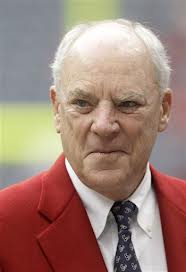
>...Houston Texans owner Bob McNair!
(7) Houston Texans owner Bob McNair is our back-up pick for those Astros game dates in which Malcolm McDowell is too ill to call the games. “I’m not evil like Malcolm,” McNair says, “but I’m a pretty good actor. Look at how sincere I sound when I express my belief in QB Matt Schaub!”

(8) Abbott and Costello: Costello the play-by-play man turns to his color man and asks: "OK, Abbott, I'm ready to set the defense. Who's on first?" "That's right," Abbott answers.

(8) Abbott and Costello: Costello the play-by-play man turns to his color man and asks: “OK, Abbott, I’m ready to set the defense. Who’s on first?” “That’s right,” Abbott answers.


(9) How about just going back to what worked so well at different times in the past? Bring back Dave Raymond (R) to do the play-by-play and Astros icon Larry Dierker (L) to do the color! - If a thing works really well, why do some folks have to try and fix it? And the answer is always "ego" - because people simply need to put their own fingerprints on everything they do.

(9) How about just going back to what worked so well at different times in the past? Bring back Dave Raymond (R) to do the play-by-play and Astros icon Larry Dierker (L) to do the color! – If a thing works really well, why do new folks have to try and fix it? And the answer is always “ego” – because new people in power always simply need to put their own fingerprints on everything they do just so the world will make note of their arrival and new station as, whatever, “The Sheikh of Araby!”.


Seems Like Old Times / Astros Baseball

February 11, 2013
Seems Like Old Times.

Seems Like Old Times.

In many ways, the upcoming 2013 baseball season feels a lot like Houston’s early MLB history in either 1962 or 1965. In allegiance to our long-term baseball alliance with this particular number, here is ….

Seems Like Old Time/9 Ways in Which the Early Years of Houston Baseball Compare with 2013:

(1) In 1962, Houston was leaving the minor league American Association to join the major level National League. In 2013, Houston is leaving their association with the major level National League to play ball as a minor level club in the American League.

(2) In 1965, Houston moved into the Astrodome to play baseball in the Eighth Wonder of the World. In 2013, Houston will move into the American League to play baseball as the Eighth Blunder of the World, with the first seven blunders being totally discounted by season’s end.

(3) In 1962, Houston began the season with the best of the worst players available in the baseball pool because that’s all they could get. In 2013, Houston will begin the season with the best of the worst players they could find because that’s all they would spend.

(4) In 1965, Houston fans thought that watching baseball in the new air-conditioned Astrodome was cool. In 2013, Houston fans have cooled their enthusiasm in anticipation of the fear that baseball at Minute Maid Park isn’t going to be so hot this season

(5) In 1962, Houston built a low player payroll by signing only low production older suspects. In 2013, Houston has built a low player payroll by signing only low production younger prospects.

(6) In both 1962 and 1965, you get what you pay for. In 2013, you still get what you pay for, even though nothing but words and promises are still really cheap in the 21st century.

(7) In 1965, fans received free beer called a “foamer” when an Astros batter then homered in a designated pre-announced inning. In 2013, the age of designated hitters and the era of designated drivers, there is no such thing as foamers. The Astros do not care to be held liable for the car accidents and other mayhem caused by “foamer consumers” on their ways home from the ballpark.

(8) In 1962, the first Houston National League manager was an old school guy who probably never even heard of the world “culture.” In 1965, the first Houston American League manager is a young college educated guy who talks a lot about changing the culture on the team.

(9) In 1962, a bad first National League team in Houston proved that you could lose a lot of games with an old school guy at the helm as manager. In 2013, a worse first American League team in Houston may prove that you can lose even more games with a college educated young guy at the helm as manager.

BONUS QUIZ/ONE QUESTION: Do you have to know what a culture is before you can change it?