Gulf Building Opens: July 28. 1929

March 6, 2014
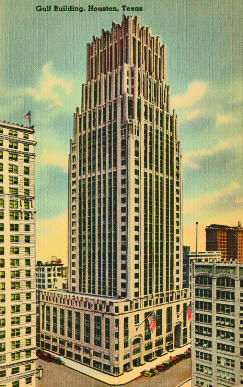
The Gulf Building in Houston officially opened on July 28, 1929 as the tallest building in the USA south of Chicago.

The Gulf Building in Houston officially opened on July 28, 1929 as the tallest building in the USA south of Chicago.


HOUSTON’S GULF BUILDING OPENS

——————–

Tallest Office Edifice South of Chicago

——————–

Houston, July 27 (AP) – The 37 story Gulf Building erected here by Jesse H. Jones will be opened formally to the public Sunday (July 28), although some sections of the structure have already been put to use.

This structure, the tallest building south of Chicago, is 428.8 feet in height. There are 1000 offices n the building, and its estimated population is 2,500, with a daily flow of approximately 35,000.

Jones Is Active

The Gulf Building is the latest structure to be built here by Jones, who has erected some score of major buildings in Houston during the past 15 years. In addition to his building activity in this city, Jones has built extensively in Fort Worth and Dallas, Texas, and New York City.

Italian Fresco

One of the features of the Gulf Building, which is attracting wide attention, is a group of eight murals done in Italian fresco and Pompeian colors depicting the history of Texas from the earliest days which history has recorded up to the present time.

Mounted on the roof of the building is an aerial beacon, said to be the most powerful in this section, for the guidance of night fliers.

~ Associated Press, Port Arthur News, Saturday, July 28, 1929, Page 2

The Gulf Building Today is now called the Chase  Tower.

Now heading toward its 85th birthday this summer, The Gulf Building today is now called the JPMorgan Chase Building..


What’s Wrong with This Picture?

March 5, 2014
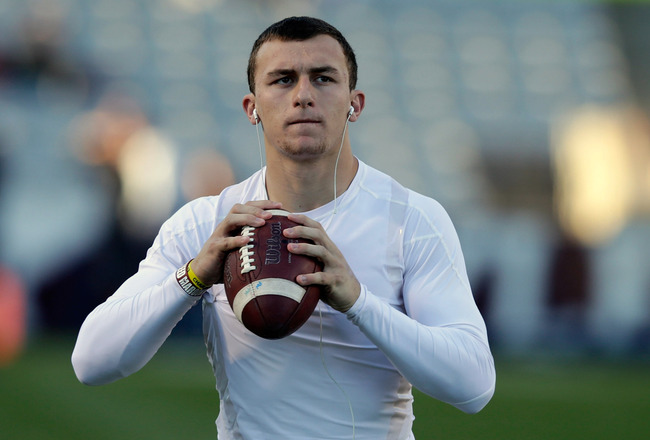
"Give me some strokes for my new maturity, folks!" - Johnny Manzel

“Give me some strokes for my new maturity, folks!”
– Johnny Manziel

The NFL season ends with the Super Bowl on February 2, 2014. Then, from February 3, 2014 onward, all live sports talk radio shows are not about the NBA or the upcoming MLB season. The  only question that now keeps coming up is: “Will the Houston Texans take Johnny Manziel with their first pick in the 2014 season draft on May 8, 2014?

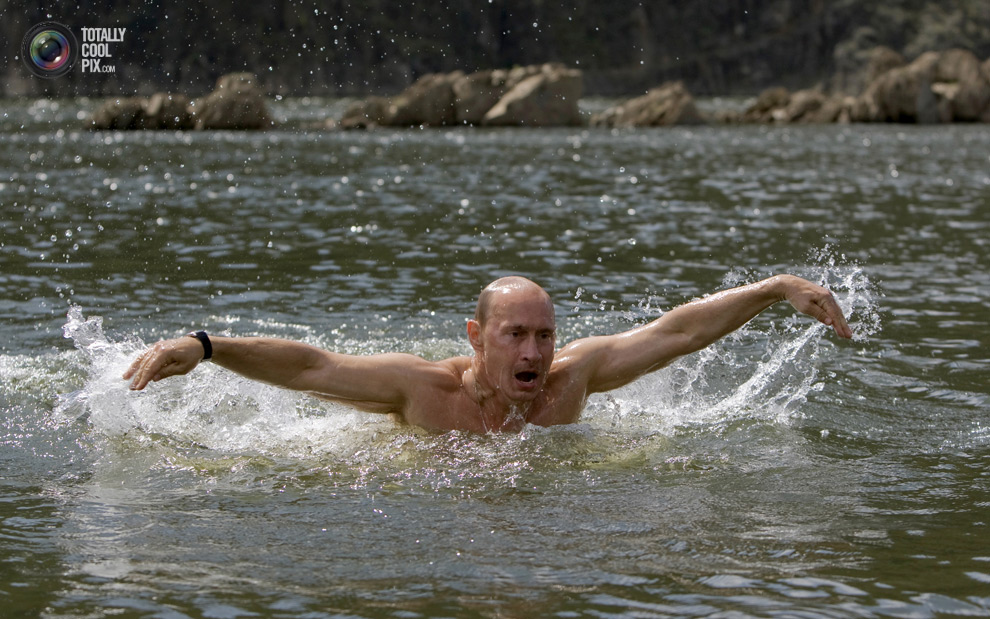
"Strokes? I'll give you some strokes!" - Vladimir Putin

“Strokes? I’ll give you some strokes!”
– Vladimir Putin

Our Pecan Park Eagle questions are these:

1) Is Johnny Manziel, or the first pick in the NFL draft, more important to fans than either basketball or baseball?

2) Does  the apparently no-longer-so-wide world of sports really need a little over three months to think and talk only of what is going to happen to Johnny Manziel?

3) What happened to seasonal interest in the Rockets and Texans? Was their incredibly blundered TV plan so fatal to fan interest that its killed fan interest among those who can still no longer see their games on TV?

4) In the Astros’ case, have they simply so buried themselves so deep in losing that fans no longer believe in their comeback plan?

5) Will this subject-fixation on Manziel be the death of talk radio? – Or will a steady diet of the same food source have the same impact on radio talk shows that it does upon cockroaches? – Will it simply cause them to multiply and crawl all over the wide world of electronic broadcast and contact media?

6) Has the end of the world already arrived – and simply slipped by my normally agile and alert mind? – Or is the Manziel radio fixation simply a form of purgatory that the sports gods have vented upon us in a fit of boredom and wrath over the incredible ability of the many who buy into it as the only important subject in the world?

7) What about Vladimir Putin? – Is anybody going to draft him as the best wide deceiver in the world?

8) What do you think is wrong with this picture?

Glenn McCarthy Pushed for Football World Series

March 4, 2014

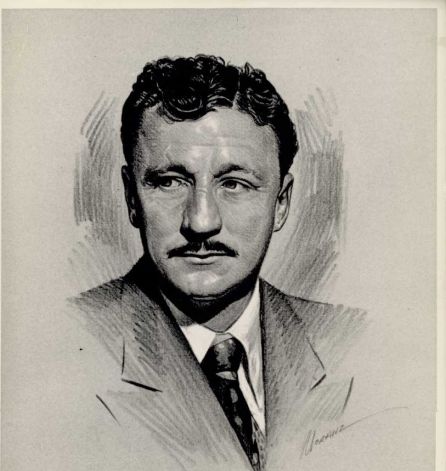
Glenn McCarthy was once the most flamboyant wildcatter millionaire in the  Oil Capitol of the World. Worth about $160,000,000 (or much more) by 1949, the former newsboy turned Aggie, where he also “got the boot for baring”, according to an Associate Press retrospective story in 1949. on his way to additional stuudent tenures at Tulane and Rice before making it  big in the raw, black goald millions by the barrel word of becoming of becoming one of the best at making some of the biggest and earliest finds in the  great oil patches that was Texas from the 1930s forward. It  wasn’t all a straight up rocket shot either. McCarthy lost his shirt several times over before wealth began to stick more often than it happened to disappear.

McCarthy would always have some money problems. Managing money was not his forte. His innate talent rested in the high ceiling of his belief in life’s possibilities. It was that same passionate drive in McCarthy that spurred him to build the great Shamrock Hotel in Houston in 1948. It was such an outlandish accomplishment for its time and place in the middle of the 20th century that made an indelible impression on fiction writer Edna Ferber. By the time that Ferber later published her seminal stereotype of good old boy Texas in the 1950s, Glenn McCarthy had become her model for Jett Rink, the hard-drinking, wealthy S.O.B. who also opened a “bigger than Heaven, but more fun than hell” hotel in Houston for the same crowd of folks.

Glenn McCarthy 1907-1988

Glenn McCarthy
1907-1988

At any rate, most people don’t realize that Glenn McCarthy probably was the first to formally suggest a final game of the professional football season that could have become that sport’s first “Super Bowl”. He simply did not have that language to wrap around his idea. McCarthy called his game “The World Series” of pro football. It was a plan he devised to (1) raise money for charity; and (2) help the NFL settle their differences with the upstart newer league that had sprung up to compete for players and fan dollars as the All America Conference (ACC).

McCarthy proposed a game between the champions of each circuit at an agreed upon major city venue at either New York City, Los Angeles, or Chicago. The winning team would receive $75,000, the losers $50,000, with profits going to the Damon Runyon Cancer Fund, the Shriners’ Crippled Children’s Hospital, and the  National Kids’ Day Foundation.

The fledgling AAC jumped all over the idea with approval, even offering to donate their earned share to charity, but the NFL flatly turned it down through Commissioner Bert Bell.  As a public relations counter move, Bell did offer to play an all-NFL All Star Game for Charity, but McCarthy and his backers were not enthused. They simply had to come to terms with the fact that the established NFL, even nine years prior to their big 1958 TV championship game breakthrough with Baltimore at New York had no interest in establishing an inter-league championship game in 1948 that would be tantamount to their recognition that the ACC even had a right to exist.

Some issues that exist in every power struggle never change.

Does Baseball Need to Speed Up Its Games?

March 3, 2014
Where are the baseball fans of 2034? Sre they in stands now, in 2014? Or will baseball have to recruit them?

Where are the baseball fans of 2034? Are they in the stands now, in 2014? Or will baseball have to recruit them?

I just had one of those damnable experiences in which about a half hour of thought and writing on this subject was deleted in some inexplicable way – and now I have neither the time nor second-wind energy to restate it all.

Maybe that’s for the best. The questions are the important part here.

(1) With the younger baseball fan generations being so wired into the digital age, and with baseball being only one of their many leisure time opportunities in childhood, should baseball simply  do nothing but leave the game to play out its appeal as always?

(2) Should baseball take steps to shorten the games for the sake of holding onto the attention spans of a less patient fan population?

(3) What else can baseball do to help younger people bond with the game as fans?

(4) Are we asking the right questions on this subject here? (It rarely helps to get the right answers, if one is asking the wrong questions.)

Please post your opinions as comments on this column subject.

A Starting MLB Lineup: Lifetime Observer’s Notes

March 2, 2014
Looking for the signs of a winning team.

Looking for the signs of a winning team.

After 67 years of sandlot baseball, organized youth baseball, pick-up and put-together amateur baseball, and coaching kid baseball, plus watching almost endless streams of minor league baseball with the Houston Buffs and major league play by the Houston Colt .45s and Astros, one tends to synthesize certain ideas about the qualities we are looking for at each of the nine starting positions.

There’s nothing superlative, perfect, or final in what any of us see as the needs at each spot, and that sure includes me, the lifelong amateur fan. It’s simply an interesting exercise for each of to periodically examine our expectations for each position because of these are the parameters that ultimately determine our enthusiasm or frustration with certain players. Obviously, if a guy is not living up to what our general expectations are for a certain position, over time, we are going to be unhappy and looking for someone else.

Let’s start with what we’ve learned are our general expectations of MLB players at all positions:

(1) Speed is big. We will take as much as we can get, even though we know that speed is more important at positions like shortstop and center field than it is at first base and catcher, That being said, we’d prefer to have no human trees on the field at any position, if it can be avoided, and that includes at catcher. The guys who can’t run eventually always hurt the team.

(2) Quickness in reaction time is major, specially for infielders, but even for outfielders. It doesn’t help an outfielder to have a good intuitive feel for exactly how far and where a long fly ball is going if he lacks the reflexive ability to get there in time to make the best available play.

(3) Arm Strength stops a lot of runs from scoring. Even if we cut a break on arm strength for 2nd basemen, first basemen, and left fielders who possess other desirable qualities. if we can any of those positions also played by a guy with a “Clemente-like” arm, there are going to be fewer opponents scoring from second on hits to left, and few runners going from first to third on hits to right and center.

(4) Situational Alertness to where the play needs to go in advance of the actual batted ball and an almost intuitive ability to make the cut off men a possibility on any outfield throw to home or a base beyond first.

(5) Morale Builders is an idea that includes having positive-minded players who can both lead and follow, stay solid off the field, and take clear responsibility for their own mistakes and needs for correction. In other words, “Help Wanted. Good Guys Only. No Clubhouse Lawyers Need Apply.” – If I’m the manager, and I have to paddle your talented, but wild-haired butts upstream to the World Series all year, I’d sooner join Bruce Dern on his road trip to Lincoln, Nebraska to cash in that lottery ticket. If your idea of being the straw that stirs the team drink is being the  guy to constantly keep punching holes in the floor of our team rowboat as the rest of us try like hell to paddle the thing upstream, we’d sooner you left now. – “Just stand up. I’ll be happy to give you the push-off the side that you’ve earned.”

(6) Strong Intuitive Skills are not qualities that come easily, if at all, to some players. In psychological terms, all of us live on a continuum between being somewhere along the gradient line that separates those of who are strongly intuitive to those of us who are strongly sensory. And here’s the difference between those two spots on the perceptual range of how people see things:

Strongly Intuitive People have some strong ideas, based on a number of inputs, about what is going to happen next. In baseball, for example, center fielder Joe DiMaggio was very good about intuitively recognizing that a certain pull-hitting lefty opponent batter tended to hit late against a certain right-handed Yankee fastball pitcher and hit the ball late, more toward center or left. As a result, Joe D. would take a few steps to his right and that would often result in a catch or better play on the ball. Under the same circumstances, a Strongly Sensory center fielder would be more likely to only respond to the flight of the ball, and miss out on the DiMaggio intuitive edge. But this is also true, I strongly believe: Ballplayers who are basically sensory (only responding to what they experience through the five senses) often possess strong  compensatory skills, such as foot quickness and speed, working in their behalves.

(7) Strong Up the Middle is a baseball axiom I first read about as a kid. Personally, I have only grown in my appreciation for its importance over the year. You would lik to have your quickest, fastest, best armed athletes up the middle, even if you have to make some concessions on speed in the case of the catcher.

(8) Strike Zone Knowledgeable Contact Hitters are qualities I would seek out – and I would do my best to push the envelope away from the idea that we have to accept “good field/no hit” at shortstop and catcher, if we find players who can handle the defensive side at a high level. I would stress teaching the strike zone, the art of contact batting, and the importance of situational hitting.

(8) Catcher needs to be a good handler of pitchers, baseball’s equivalent of the defensive quarterback, and a guy with a good arm and good base runner deceptive skills. I’d like to have a catcher who could hit a minimum of .270 with about 15-20 HR a season, but  would prefer  to have Yogi Berra.

(9) First Base needs to have good foot speed, mobility and strong intuition for situational play. As a hitter, he’s a 3 to 6 hole guy, hopefully with enough power to produce a minimum of 35-50 homers, 100 + RBI, and a batting average around .280 minimum. How about Lou Gehrig?

(10) Second Base would be a great place for a .300 hitting good get-on-base guy. Jose Altuve’s my guy. but with a little improvement to his BA and OBP, but I would happily settle for Craig Biggio.

(11) Third Base has to be intuitive, quick, and athletic. Brooks Robinson is still my personal standard there, but I really liked Ken Caminiti when he first came up.

(12) Shortstop. Think Derek Jeter. Say no more.

(13) Left Field. Stan Musial.

(13) Center Field. Willie Mays. Nobody did it better.

(14) Right Field. Babe Ruth. I can dream, can’t I?

(15) Starting Pitcher. A rubber-armed version of Sandy Koufax works for me.

(16) DH. Ted Williams works for me.

There. I think we could win with that team. The issues that governed our expectations and the talent that manned our flag pursuit would require it of us. And, of course, the other 14 guys we picked to fill out our 24-main roster would not be cream puffs either.

Have a nice Sunday, everybody. And watch out for the rain that’s allegedly heading our way.

Movies Made in Houston

March 1, 2014

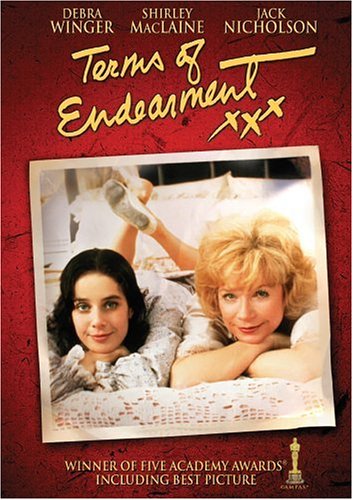
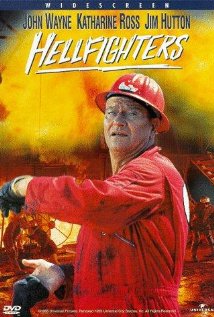
With the Academy Awards coming up again for us movie fans tomorrow night, it’s interesting to note today that a number of movies and one TV series have been made over the past half century that either feature Houston as a setting or use its locales as the site for some anonymous or “other place” story. Unfortunately, only “Terms of Endearment” with Shirley MacLaine and Jack Nicholson survive as first-rate films. The others, unless we give Hollywood fame walks to John Wayne for playing himself again in “Hellfighters” – and to Goldie Hawn, for doing a pretty good job in “The Sugarland Express”, are all pretty much garbage can liners and bird-cage catchers.

OK, maybe, “Best Little Whorehouse in Texas” also belongs on our short list of acceptable effort, But this is Houston, not LaGrange.

Annotation: “The Sugarland Express” was made in 1974. Since that time, the good people on the City Council of that booming Houston suburb had separated their town’s name into the two words: “Sugar Land”. If anyone out there knows when and why they took this step, please leave a comment on this column to explain it, or else, e-mail me at houston.buff37@gmail.com. – Inquiring minds want to know.

Here’s the a link to the probably incomplete list of Houston-based or connected films compiled on Wikipedia:

http://en.wikipedia.org/wiki/List_of_films_set_in_Houston

Here are the VHS covers to a few of the few Houston efforts and some brief comment:

1983

1983

They used a nice neighborhood near Rice to film this story of a middle-aged mother, her relationship with her coming of age daughter, and her flirtation with the astronaut bachelor neighbor,

1968

1968

Who can pass on “The Duke”? I never said I didn’t like to watch John Wayne playing Red Adair, if he were really John Wayne?

1987-88

1987-88

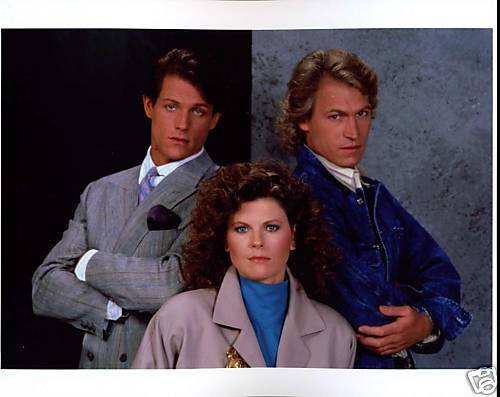
Houston Knights Cast

Houston Knights Cast

What a stinker of a show! – The only aspect that “HK” got right were those spot on puffy 80s doos!

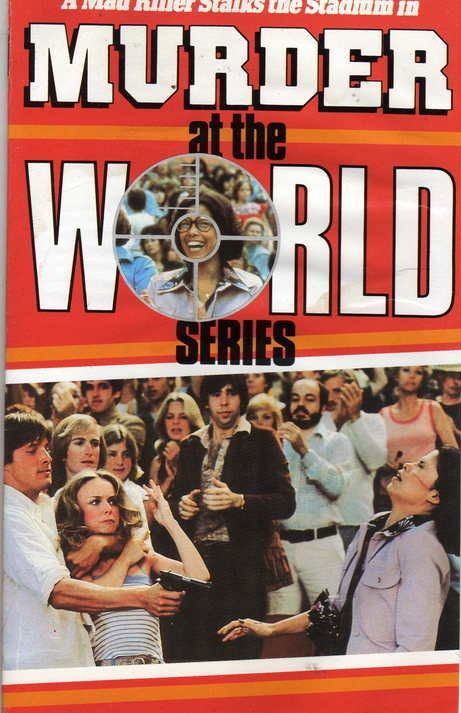
1977

1977

They should have re-made this movie after the 2005 World Series and re-cast the murder victims.


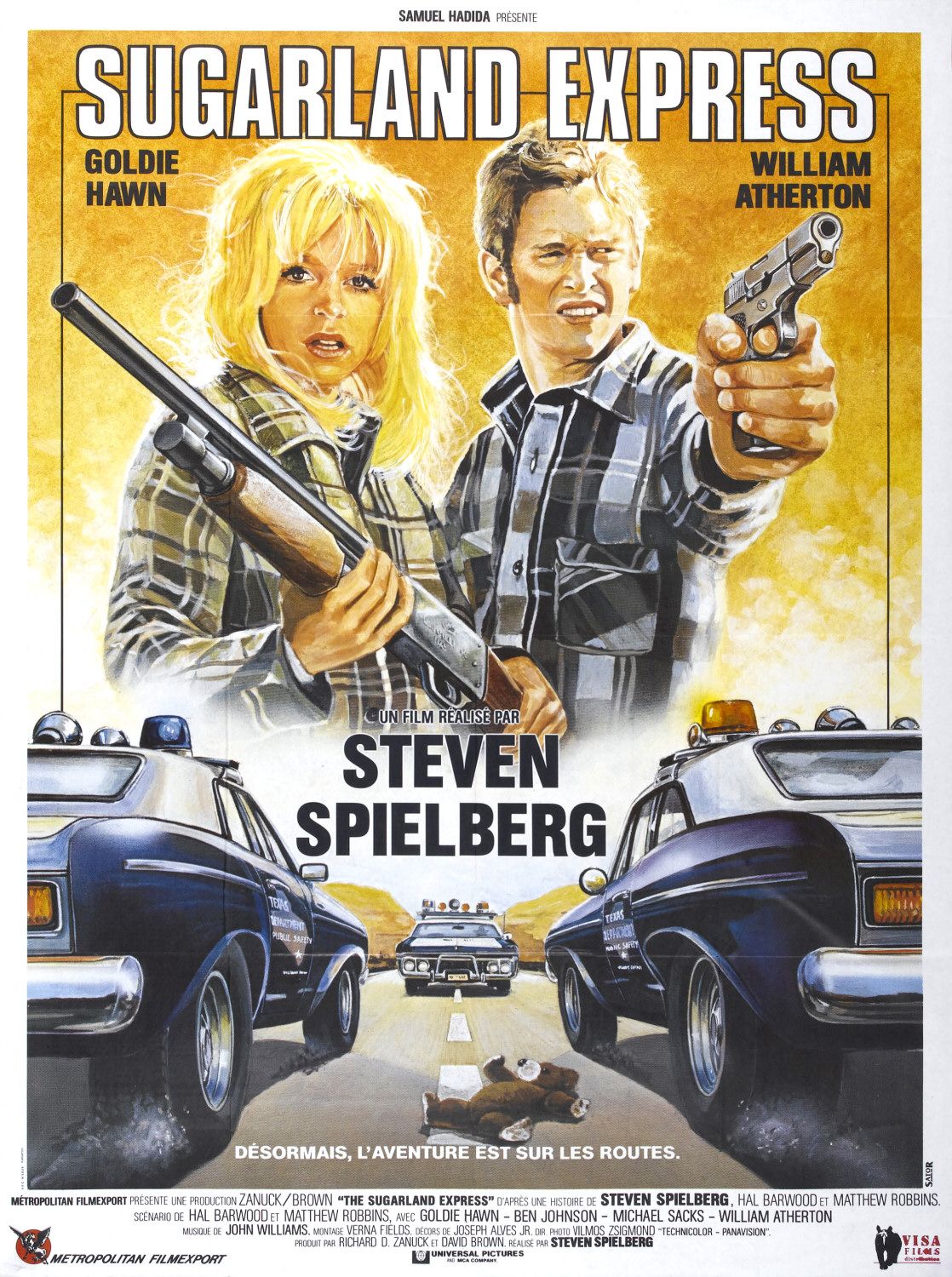
1974

1974

One more time: Why and when did this city change its name from “Sugarland” to Sugar Land”???

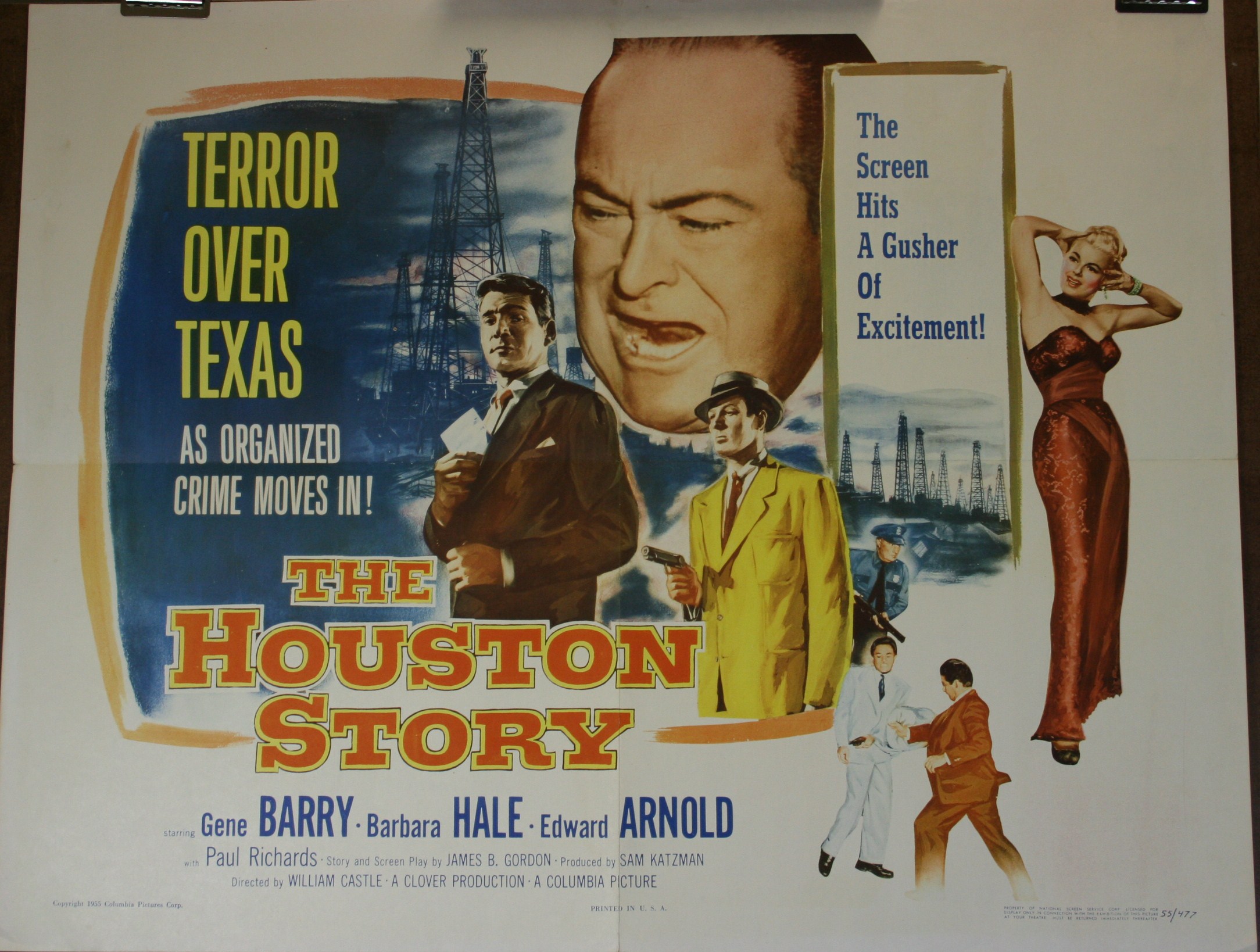
1956

1956

How could a production team that had the common sense to cast veteran character actor Edward Arnold as a villain actually boil this movie into the exploding rotten egg it came to be? I don’t know, but they did it. I say I don’t know, but that’s just my nicer side as a critic oozing out. We all know how they did it: Single scene takes on a badly written and barely acted script were a good start. Then they went to every cliché about Houston as an overgrown hick, cowboy town and quickly found the shallow water in the pool of deep thought among criminal minds. If we are going to make a movie about Houston, it needs to be about a bunch of bumpkins trying to steal billions of barrels of oil. Right?

Oh well, if you find that Wikipedia left out your favorite Houston movie, let us hear from you. And if you have written a good script about the Houston we really are, please contact Martin Scorsese, or the Cohen Brothers, at your agent’s earliest convenience. We need to upgrade our city’s movie resume’.


Nebraska

February 28, 2014
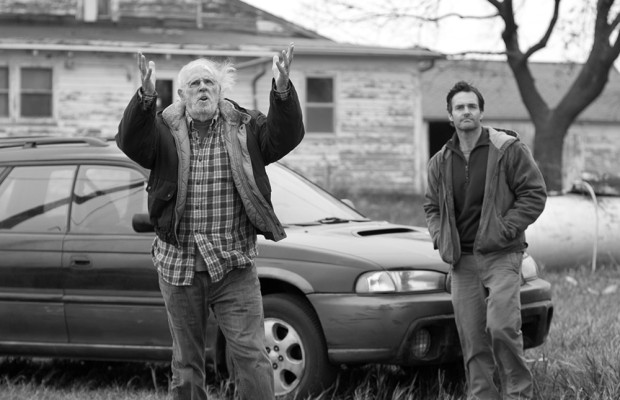
Woody Grant and his son David prepare for a road trip in "Nebraska".

Woody Grant and his son David prepare for a road trip in “Nebraska”.

“Nebraska” could have been a movie named for any remote, out-in-the-boondocks, sparsely populated, and hardly 21st century acculturated community 0f hardworking people living out or working pretty hard at trying to dodge the hard the same basic hard realities of everyday life.

Don’t recall a single cell phone in use as a prop in this movie. If there was one in play, it wasn’t memorable. The biggest high-tech occurrence in the film occurs on a Sunday afternoon when all the aging brothers, some of them, including Bruce Dern’s character, are gathered in one of their houses in Hawthorne, Nebraska to watch Detroit and Chicago play a NFL game on national television. They all sit there, staring silently at the screen, a couple even asleep with their mouths falling open into the agape position, watching with all the animation of a petrified human forest.

“West Texas”, “South Texas”, or even “Beeville” would have worked equally well as specific titles and community settings.

Bruce Dern plays Woody Grant, an old man slipping hard into dementia who late in life learns that not even alcohol can protect him any longer from feeling “used up” and “put upon” by the vagaries of aging. When a man is too old to work, has lost his driver’s license, and is pretty much imprisoned at home in his the small clapboard house he shares with his nagging wife in Billings, Montana, and where the only other sound of constancy is the howling wind, Woody needs a dream, even a delusional one, to get himself on the road to “something” again – or maybe, for the first time.

The plot device is simple. Woody finds out from one of those mail ads that he’s “won a million dollars” from a company drawing in Lincoln, Nebraska. Woody ignores, or chooses not to see the second part of this news that clearly states he’s won “if” he also has proof that  he holds the winning number. That part doesn’t matter, at first. It was enough news to get Woody out there trying to either walk or hitchhike  his way alone to Nebraska to claim his prize.

Will Forte, who plays one of Woody’s two sons, David Grant, sees the scam that his father has bought into, but fails to reach his father with the truth about this “come on.” The son also sees the larger truth that drives his father. All he’s got at home is a nagging wife and nothing to feel good about or look forward to doing with his basically used up time on earth in failing health. Given the gravity of that greater weight, David Grant agrees to drive his father to Lincoln to collect the prize.

What happens from here is one of the most beautifully executed movies I’ve seen in a very long time. Filmed in black and white on wide-screen, the drab and dooming grays of the landscape serve only to amplify the desperation that runs loudly through the mostly quiet landscape of this fine story, but I wouldn’t spoil the rest of it for anything in the world. You have to see it.

Dern and Forte are magnificent as father and son – June Squibb, who plays Woody’s cantankerous wife, Kate Grant, are the driving forces of a funny, but sad American family story. As for as “family” goes, it’s not what we would have considered a family film in my day. There are certain depictions, ideas, and language here that are not suitable in my mind for children, but the story is a “don’t miss it” for adults.

Least/Best Athletic Actors in Baseball Movies

February 24, 2014

5) Ronald Reagan as Grover Cleveland Alexander in “The Winning Team”

Ronald Reagan

Ronald Reagan

Ronald Reagan loved baseball, but his punting as George Gipp was far better than his pitching as Pete Alexander.

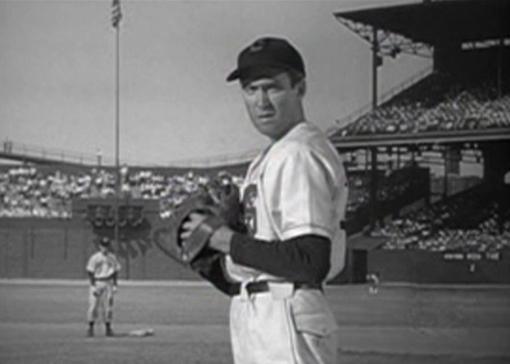
4) Jimmy Stewart as Monty Stratton in “The Stratton Story”

Jimmy Stewart

Jimmy Stewart

This part of Stewart’s stretch pitch looked pretty good. If only he could have escaped having to go through the other motions required for the delivery of what appears to be an unhittable pitch.

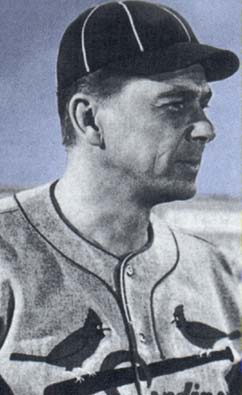
3) Ray Milland as Mike Kelly in “It Happens Every Spring”

Ray Milland

Ray Milland

If only Jimmy Stewart could have seen Ray Milland try acting out the entire wind up and delivery.

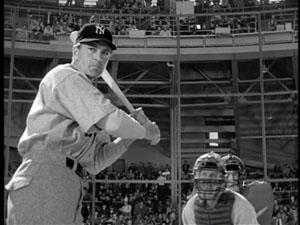
2) Gary Cooper as Lou Gehrig in “Pride of the Yankees”

Lou Gehrig

Lou Gehrig

As you probably know, right-handed Gary Cooper had to wear a jersey wit an inverted # 4 and “NY” logo and then run to 3rd base when he hit the ball to make it look as though he was capable of batting left-handed when the film was then developed in reverse.

Nuff Sed.

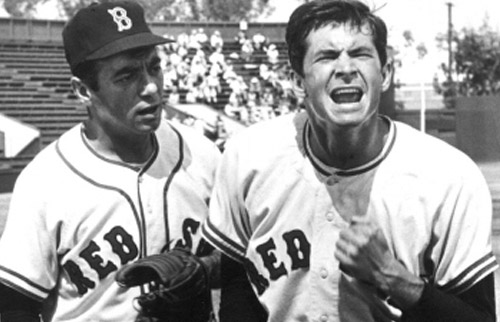
1) Anthony Perkins as Jimmy Peirsall in “Fear Strikes Out”

Anthony Perkins (right)

Anthony Perkins (right)

Athleticism? If all human beings from the beginning of time possessed only the genetic talents of Tony Perkins, there never would have been a sport called baseball, or any other team sport, or the initiation of any regular event of competition among nations known today as either the summer or winter Olympics.


On the other hand, my vote for the greatest actor/athletes of all time is a three-way tie between …

1t) Burt Lancaster as Jim Thorpe in “Jim Thorpe, All American”

Burt Lancaster (R) who played the great Olympian Jim Thorpe (L).

Burt Lancaster (R) who played the great Olympian Jim Thorpe (L).

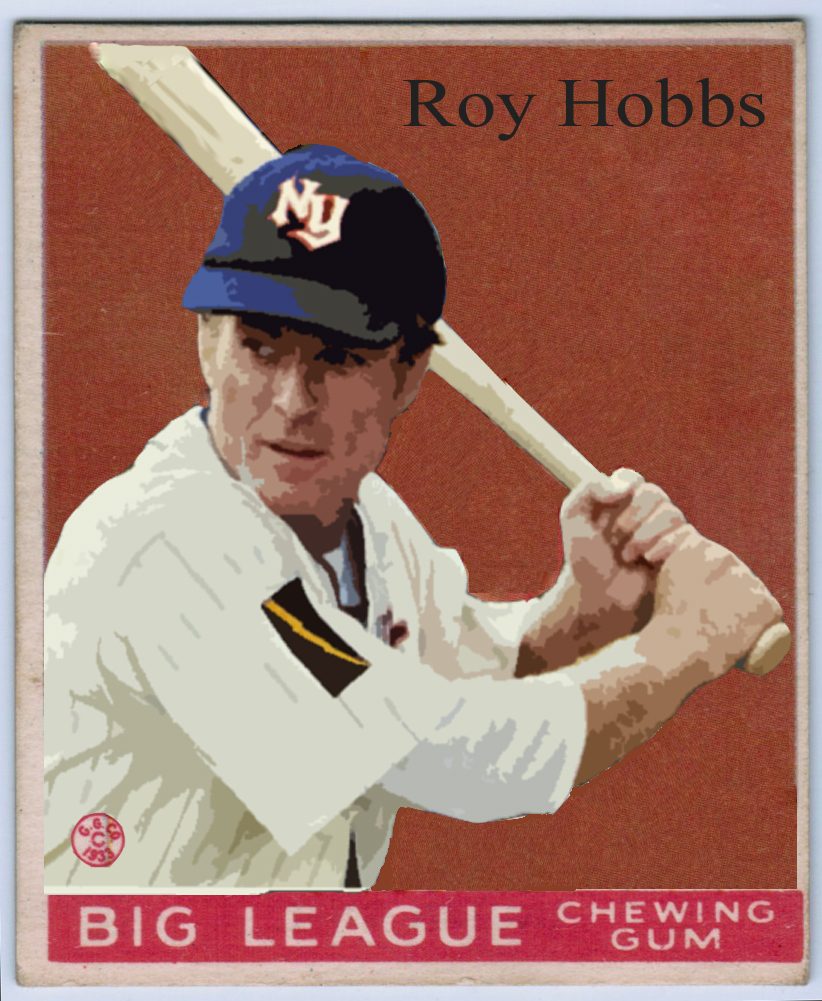
1t) Robert Redford as Roy Hobbs in “The Natural”

Robert Redford

Robert Redford

1t) Kevin Costner as Crash Davis in “Bull Durham”

Kevin Costner

Kevin Costner

Dr. Godbold Was a Visionary

February 23, 2014
Dr. Edgar Godbold Early 20th Century Educator

Dr. Edgar Godbold
Early 20th Century Educator

Dr. Edgar Godbold, the 1925 President of Howard Payne College, may not not have been Leonardo Da Vinci, but he was a visionary, nonetheless, and most appropriately named for his great technological expectations of the future. He just missed the timing on this one as we now await a development he predicted that may not come in our lifetime, but will surely get here at some point in the next 25-50 years – cars that “drive” themselves with the aid of some kind of wireless electronic signal.

Here’s how Dr. Godbold called the shot in an Associated Press article of August 17, 1925:

____________________

RADIO-DRIVEN AUTOS SOON FORECAST BY COLLEGE HEAD

By Associated Press

Belton, Tex. Aug.  16 – In addressing a class of fifty graduates of the summer  school of Baylor College, Dr. Edgar Godbold, President of Howard Payne college, predicted that the girls would live to see automobiles steered and driven by radio.

The owner of a car can drive to his place of business in the morning alight and return the car driverless and empty to its garage by wireless waves and when it is desired to be used for the return trip it can be summoned in the same manner. This will solve the problem of finding suffficient parking space for cars, he said.

~ Galveston Daily News, August 17, 1925, Page 2.

____________________


Gone With The Spin

February 22, 2014

COMING ATTRACTIONS! ~ COMING SOON!

THE BASEBALL MOVIE THAT SOME OF US HAVE AWAITED A LIFETIME TO SEE!

GONE WITH THE SPIN IS ALMOST HERE! ~ AS THE TRUE STORY OF HOW BASEBALL ONCE BLEW INTO HOUSTON ON AN “OUT-OF-THIS WORLD” SPIN THAT NEVER QUITE LIVED UP TO EXPECTATIONS AS A MATCH FOR ANY “ALL-OF-THIS-WORLD” SPIN OR SPEND UPON TALENTED PLAYER SIGNINGS YOUTH DEVELOPMENT, PROVEN VETERAN ACQUIREMENTS, AND COMPETITIVE CORE TALENT RETENTION!

AND HERE’S THE CAST THAT HOLLYWOOD HAS LINED UP ACROSS THE BORDERS OF THE GREAT BEYOND TO BRING THIS STORY TO LIFE …..

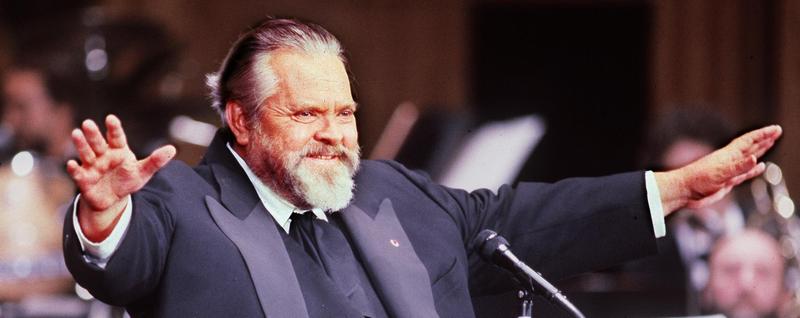
Orson Welles as Judge Roy Hofheinz

Orson Welles as Judge Roy Hofheinz

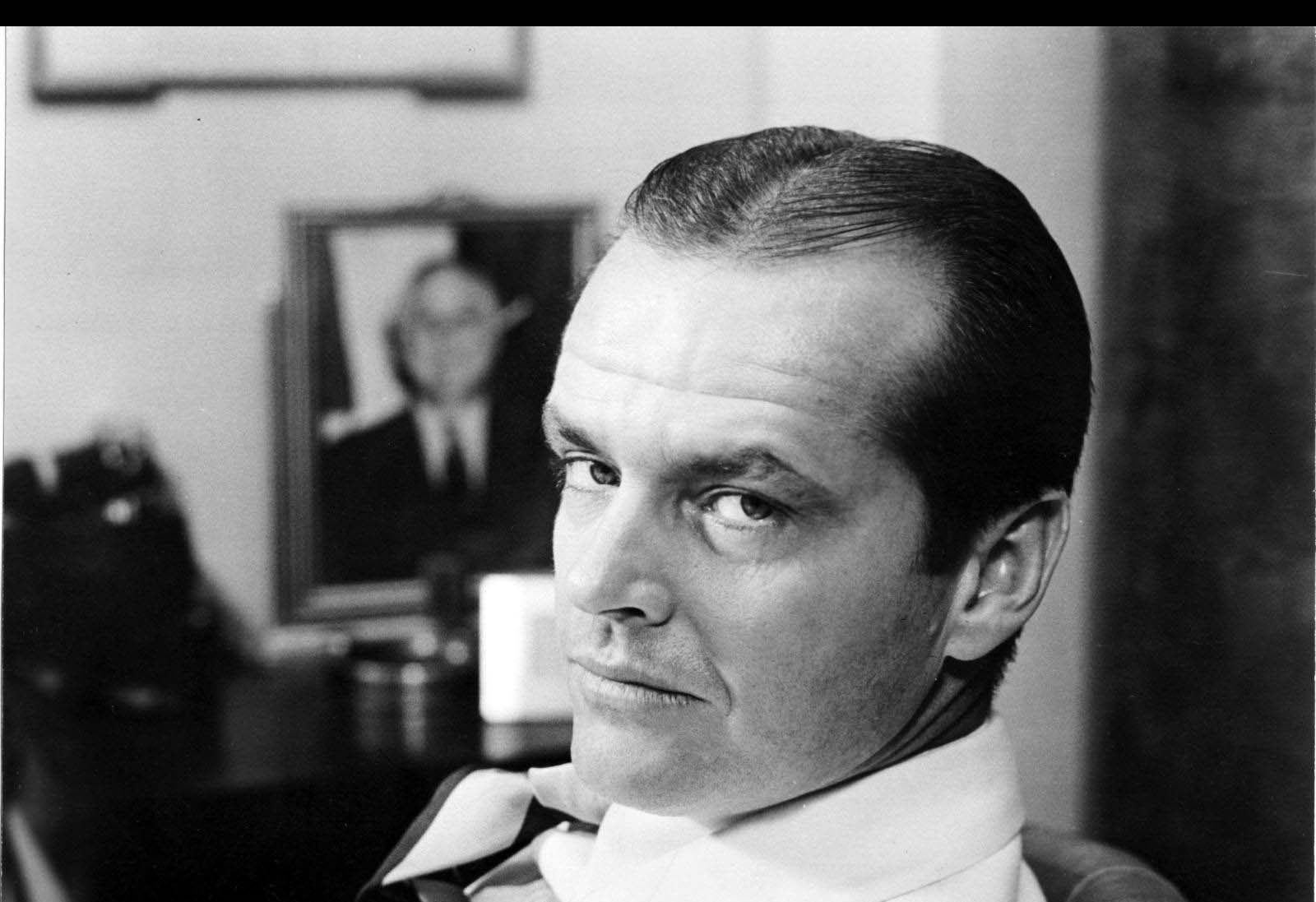
Jack Nicholson as George Kirksey
Jack Nicholson as George Kirksey

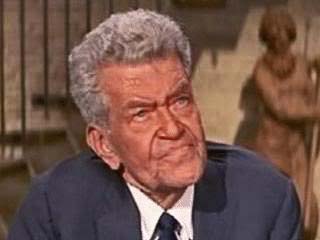
J.C. Flippen as R.E. "Bob" Smith

J.C. Flippen as R.E. “Bob” Smith

Gig Young as Craig Cullinan
Gig Young as Craig Cullinan

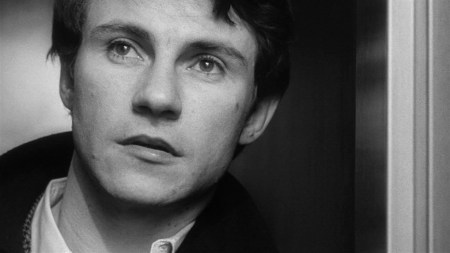
Harvey Keitel as Mickey Herskowitz
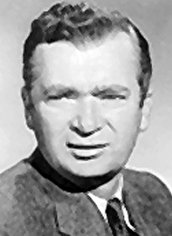
Harvey Keitel as Mickey Herskowitz

Buddy Ebsen as Paul Richards
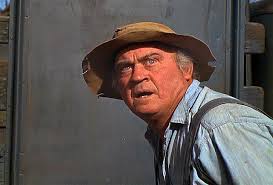
Buddy Ebsen as Paul Richards

Dub Taylor as Spec Richardson
Dub Taylor as Spec Richardson

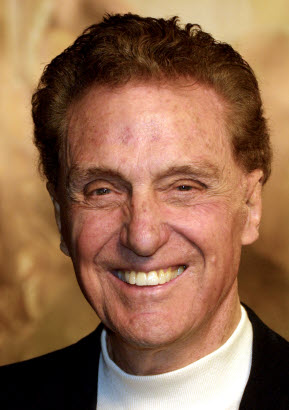
Robert Stack as Tal Smith

Robert Stack as Tal Smith

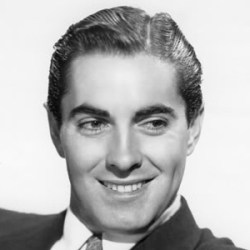
and a can't-miss casting by Mickey Herskowitz: Tyrone Power as Bob Aspromonte
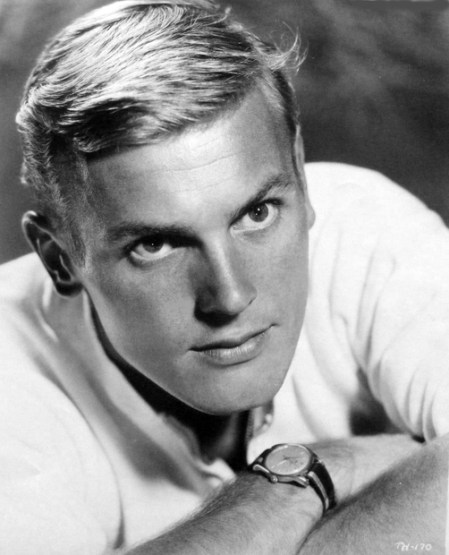
and a can’t-miss casting by Mickey Herskowitz: Tyrone Power as Bob Aspromonte

Tab Hunter as Larry Dierker
Tab Hunter as Larry Dierker

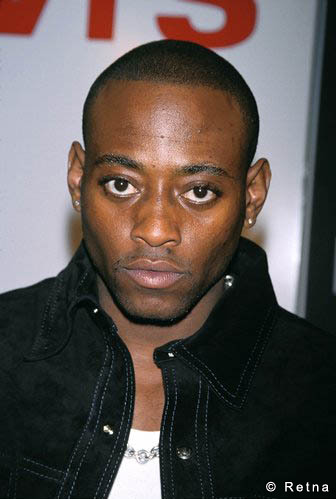
Omar Epps as Jimmy Wynn

Omar Epps as Jimmy Wynn

Laurence Fishburne as J.R. Richard.
Laurence Fishburne as J.R. Richard.

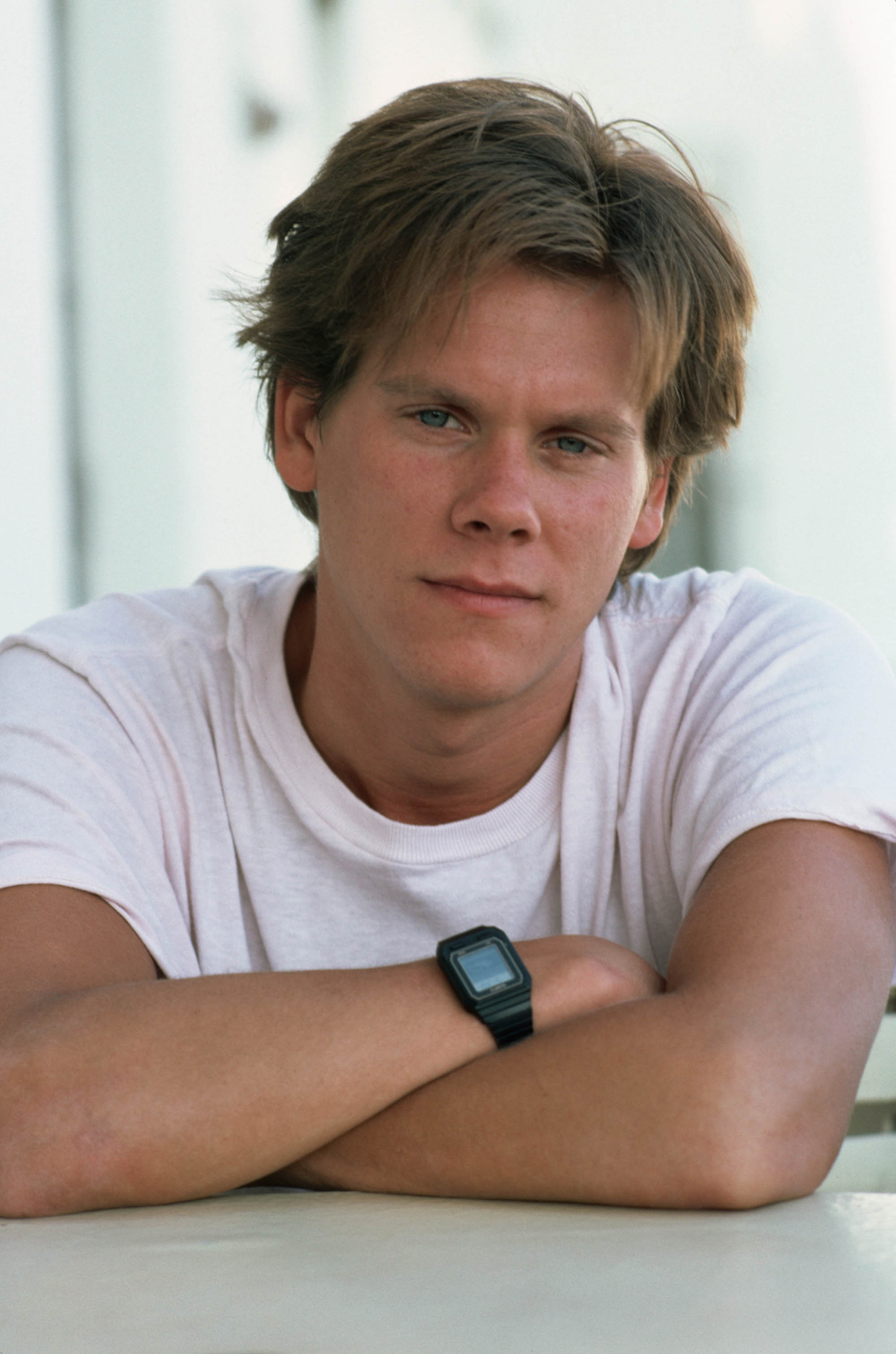
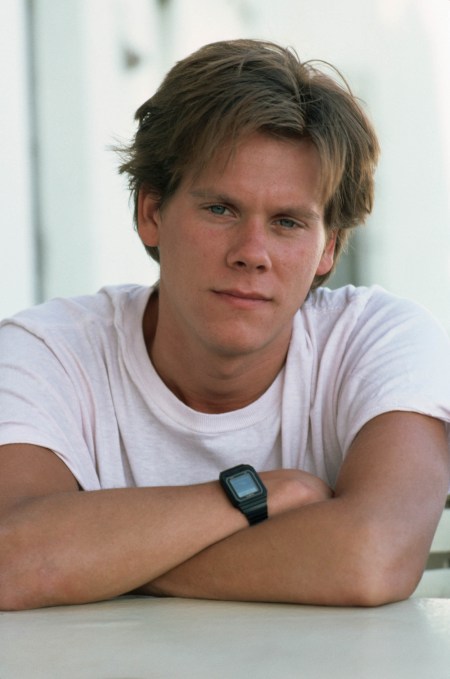
Young Kevin Bacon as Craig Biggio
Young Kevin Bacon as Craig Biggio

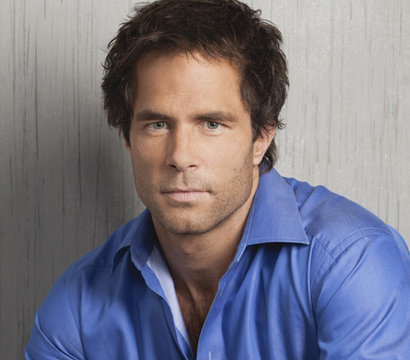
Shawn Christian as Jeff Bagwell

Shawn Christian as Jeff Bagwell

Samuel L. Jackson as Enos Cabell
Samuel L. Jackson as Enos Cabell

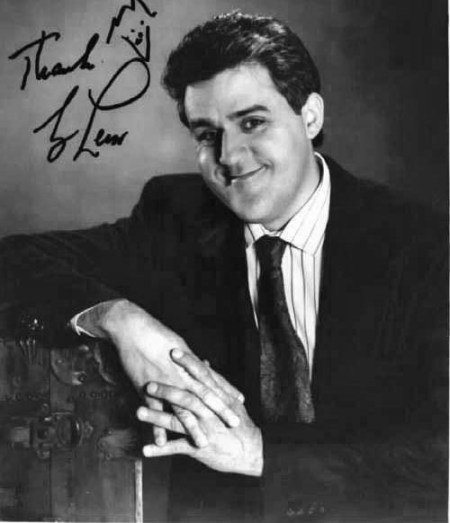
Young Jay Leno as Lance Berkman

Young Jay Leno as Lance Berkman

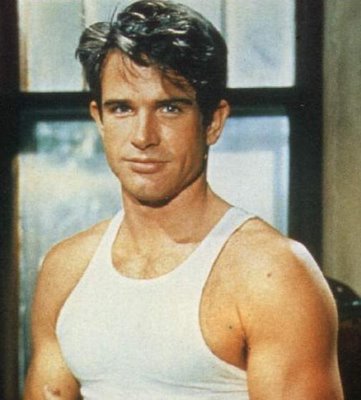
Young Warren Beatty as Brad Ausmus

Young Warren Beatty as Brad Ausmus

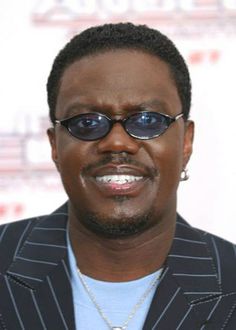
Bernie Mack as Bob Watson
Bernie Mack as Bob Watson

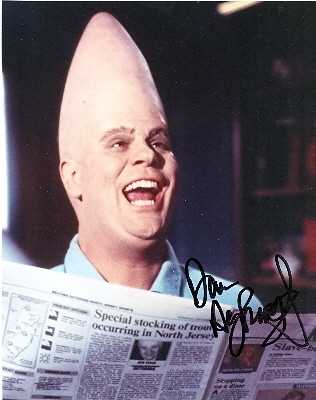
Dan Akroyd as Charlie Kerfeld
Dan Akroyd as Charlie Kerfeld

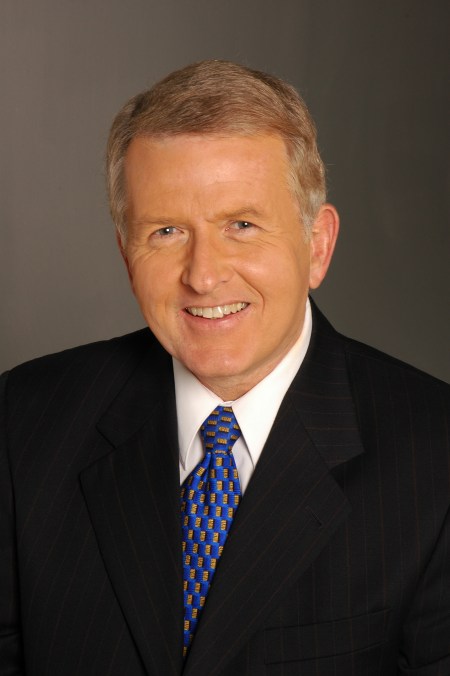
Greg Lucas as Gary Hunsicker
Greg Lucas as Gary Hunsicker

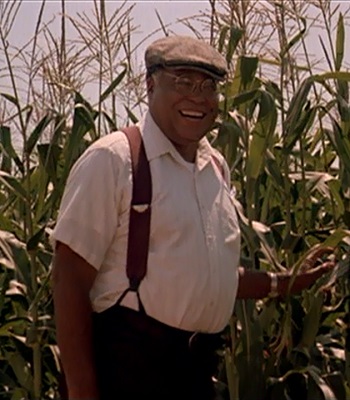
James Earl Jones as Deacon Jones
James Earl Jones as Deacon Jones

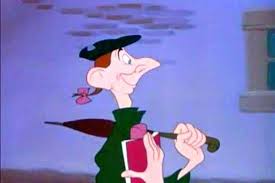
Ichabod Crane as the Astros Club Owner He combines Jim's last name with Drayton's trademark looks!)

Ichabod Crane as the Astros Club Owner
(Sounds like Jim. – Looks like Drayton.)

And here's a great pick from Jim DeShaeis: Doug McClure as Mike Scott

And here’s a great addition from Jim DeShaies:
Doug McClure as Mike Scott

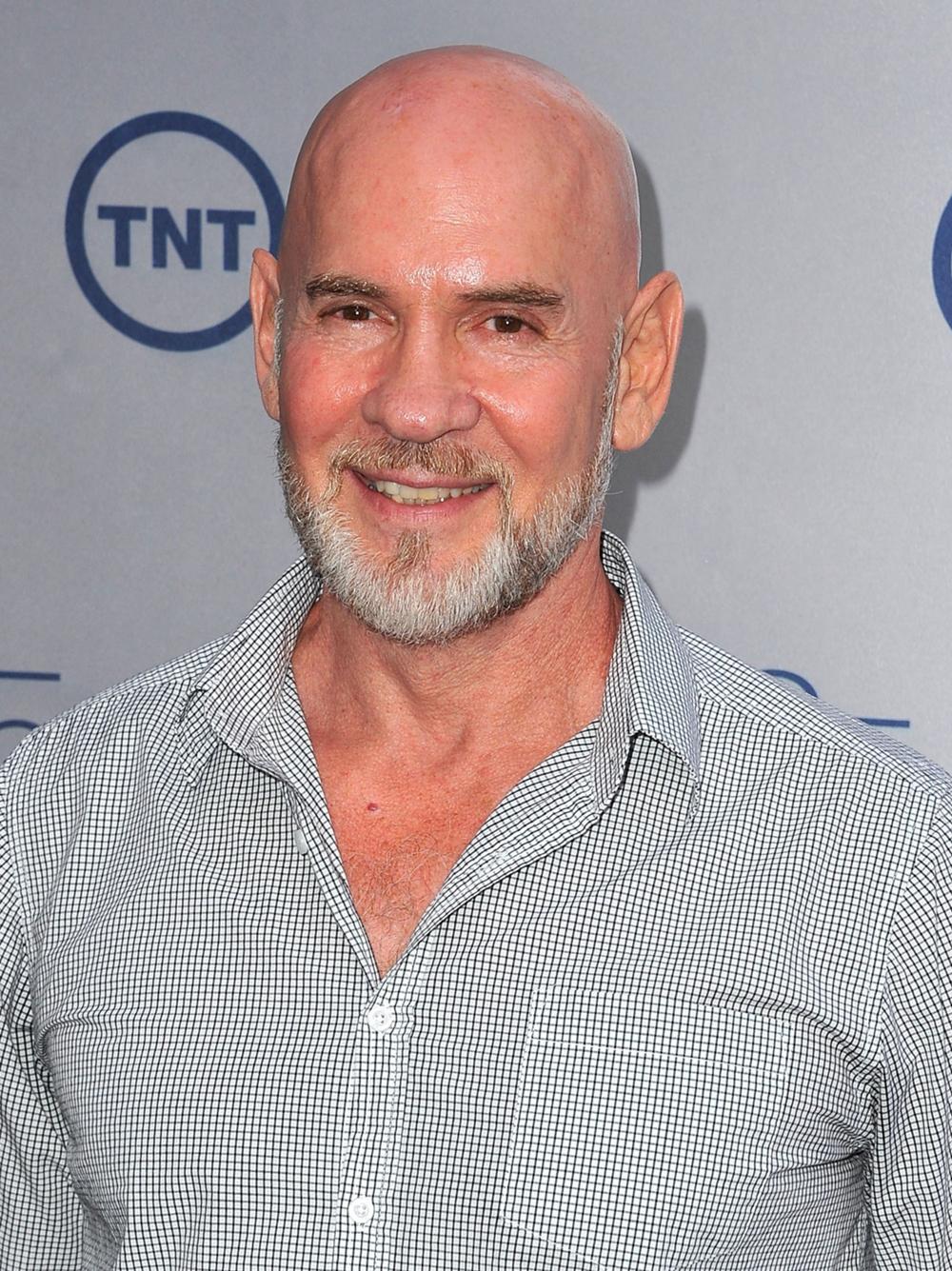
Mitch Pileggi as Jim Deshaies (Mitchi ileggi plays Harris Ryland in "Dallas".

Mitch Pileggi as Jim Deshaies
(Mitch Pileggi plays Harris Ryland in “Dallas”.) The Pecan Park Eagle and Neal McCurdy picked this one.

Dean Jagger as Bill Virdon

Dean Jagger as Bill Virdon

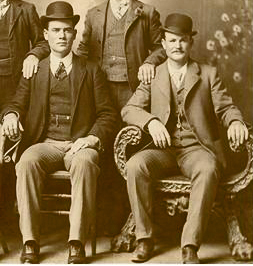
Grat and Bob Dalton as Turk Farrell and Jim Owen, the infamous "Dalton Gang" of MLB in Houston back in the 1960s.

Grat and Bob Dalton as Turk Farrell and Jim Owen, the infamous “Dalton Gang” of MLB in Houston back in the 1960s.

Jackie Coogan as Buddy Hancken
Jackie Coogan as Buddy Hancken

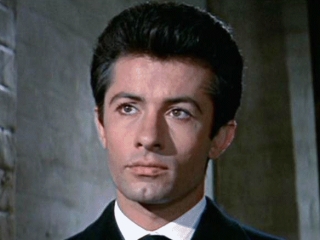
George Chakiris as Dickie Thon

George Chakiris as Dickie Thon


“Gone With The Spin” is getting to be lots of fun now. Aside from the small problem of bringing so many actors back from the Great Beyond to make this dedicated film, we are feeling good about the strong character and physical casting of so many people who brought so much life to Major League Baseball in Houston. The Pecan Park Eagle appreciates the fact that one of the iconic characters, Mickey Herskowitz, even cast one the other characters for us – and he did it spot on. Mickey’s pick was for Tyrone Power to play the club’s pretty-boy first third baseman, Bob Aspromonte.

Please give the rest that have been added since our original publication of the founding father four.

And here’s our capsule on the reasons for each election, top to bottom:

1) Judge Roy Hofheinz: Picking Orson Welles was easy. Beyond the obvious physical similarities, it was also a match of the heavens. “War of the Worlds” combing with “The Eighth Wonder of the World.

2) George Kirksey: Close looks, personality, and that la dolce vita speed life of a big thinker made young Jack Nicholson an easy pick.

3) R.E. “Bob” Smith: The hair, the worried look, and the accent of good old boy Jay C. Flippen won me over fast.

4) Craig Cullinan: The patrician manners and conservative look of Gig Young made him another easy ick.

5) Mickey Herskowitz: Mickey liked my pick of Harvey Keitel. That was good enough for me.

6) Paul Richards: Buddy Ebsen loooked, talked, moved, and acted like Paul.

7) Spec Richardson: I always thought of Dub Taylor as Spec Richardson. We all saw that same look in the feature photo here in Spec’s face when the reviews of his trade of Joe Morgan started pouring in.

8) Tal Smith: Stack flashes Tal’s famous smile above – and when he opened his mouth, he spoke in that same baritone voice of authority that flows so easily from the larynx of Tal Smith each time he speaks publicly. Authoritative. Reassuring. On the money right. That’s our Tal. – Just get Stack a perm and he will be good to go.

9) Bob Aspromonte: Mickey Herskowitz was right about this casting. Aspromonte had to be a good fielder at third. A guy can’t go around looking like Tyrone Power and be a bad fielder. He has to protect those good looks.

10) Larry Dierker: Tab Hunter was Joe Hardy in “Damn Yankees” and every other All American, blue-eyed, blonde haired hero from that era in other films, anyway, – so, why not   Dierker too?

11) Jimmy Wynn: Omar Epps has the eyes and the build to play “The Toy Cannon”. He’s also a good actor.

12) J.R. Richard: Look at those eyes! – The young Laurence Fishburne was J.R. Richard.

13) Craig Biggio: I’ve been casting Kevin Bacon for years as Craig Biggio.

14) Jeff Bagwell: Had to go to the soap opera, “Days of Our Lives” to find Jeff Bagwell, but Shawn Christian fits the bill. Whoops! I just outed myself as a “late life soap opera fan.” That’s OK> I hear Rice Baseball Coach Wayne Graham watches one too.

15) Enos Cabell: “What’s in your wallet, Astros season ticket holders? – This is no-holds-barred, king fu fighting Enos Cabell calling to make sure you’ve already bought your season tickets to our 2014 season! – We’re calling it: “Our Climb Out of the Nightmare Hole on Crawford Street”.

16) Lance Berkman: Young Jay Leno had the eyes and the chin of our man Lance.

17) Brad Ausmus: Young Warren Beatty IS Brad Ausmus.

18) Bob Watson: “Mr. 3000 Hits” makes for a great “Mr. One Millionth Run Man.”

19) Charley Kerfeld: A cone head all the way.

20) Gary Hunsicker: Why not? There’s a general resemblance. And Greg Lucas is also a movie actor with credits, a smart guy, and a good candidate for a GM job in his own right. Besides, he knows the team and its story. I had no hesitation about casting Greg in this role.

21) Deacon Jones: Another great match by physique, aura, and personality. The Jones brothers just took one slightly different turn. James Earl walked through corn stalks. The Deacon dances through sugar cane.

22) The Astros Owner: Res Ipsa Loquitor (“The thing speaks for itself.”)

23) Mike Scott: Another member of the Astros’ pantheon walls of history selected this one by nomination. Thank you, JD (Jim Deshaies) for laying this one straight over the plate for our easy recognition, something you  rarely did as a big league pitcher. Doug McClure lands in the cast as  a great pick for Mike Scott!

24) Jim Deshaies: On the heels of that one, my son Neal McCurdy leaned over my shoulder as I was working to say, “you need to get the actor that plays Harris Ryland on the new “Dallas” TV series to play JD! – His character on TV is pretty much of a rat, unlike JD, but hey – the show is “Dallas”, OK? Anyway, he sure looks like JD!.” –  With some apologies for the fact that you are a much better character than Harris Ryland – and also a better looking guy than the actor who plays him, we have decided to cast Mitch Pileggi as Jim Deshaies in “Gone With The Spin.”

25) Bill Virdon: Dean Jagger was the prototype for Bill Virdon in my mind for years, but especially as the latter grew into his post-playing days as the first really successful manager of the Houston Astros.

26) Turk Farrell and Jim Owen: Sometimes it is best that we get out of the way and allow life to imitate fiction. Who better to teach the ways of the romanticized “Dalton Gang” to the 20th century Astros perpetrators than two of the Dalton Brothers themselves. The downside is that Farrell and Owen will now be playing their edgy team clubhouse games with real bullets. That’s not good, but maybe they were doing that, anyway. We sure wouldn’t  get any argument from the snakes of the Arizona spring training deserts.

27) Buddy Hancken: Buddy was a journeyman player, minor league manager, Astros coach, and team ticket sales executive and, oh yes, one of those guys who got one defensive half inning at catcher in the big leagues as his pinnacle playing moment without ever getting a time at bat. – Move over, Moonlight Graham. Buddy Graham deserves the space beside you. Jackie Coogan fits by looks and character to play Buddy in our movie. He had the heart that any actor would need to take on this role.

28) Dickie Thon: George Chakiris played a Puerto Rican street gang leader in West Side Story and he possessed enough look-a-like qualities to have played a really fine Dickie Thon, who also happened to come from a Puerto Rican family heritage, even though he was born in South Bend, Indiana.

Hope you enjoy the improvements. If you have any additional recommendations, The Pecan Park Eagle Casting Department will be happy to consider them on a case by case basis. 🙂