SABR HISTORY: Some Things Change, Others Don’t

May 2, 2014
Our love of the game is our uniting force for community.

Our love of the game is our uniting force for community.

At a convention planning session in Houston on April 23rd, SABR Board President Vince Gennaro eloquently expressed the belief that all we do in SABR is only as good as our sense of community. It is our whole sense of community, Gennaro says, that allows the mathematics and poetry of divergently inclined interests of SABR members to come together and flourish under one roof of dedication to the history of baseball.

As a planning committee participant, I walked away from that session feeling energized by the big picture that Mr. Gennaro had dangled before us. It was all in one body, as each was a challenge, a joy, an essential, and an explanation of SABR’s success over the years. As an organization, we as SABR are like the elephant challenge to the twelve blind men in mythology. When each of the blind men asked their sighted guide to describe the looks of the elephant to them, he answered: “Walk toward the beast yourselves and feel it. It will be whatever you ever find it to be.

And so SABR is. It is what it is. And as a connected community of divergent talents, interests, and abilities, we are united in our acceptance of each others’ differences by one sure common thread – our united love of the game. And it is that one powerfully uniting common thread that most strongly makes our sense of community in SABR possible.

Last night, I decided to go looking for earlier support of these ideas through my historical newspaper sources. Lo and behold, in the first rattle out of the box, I found this very supportive un-by-lined comment in a 1985 New Mexico newspaper about SABR. Some things, the cost of membership, have changed since then, but not everything. The thread of everything else I tried to describe above is also here too, but simply expressed in different language in an earlier time and place.

Enjoy.

________________________________________

Sports highlights 

The World Series is a joyous time for baseball fans (See On The Cover). But it is also a sad time: Soon the season will end, and there will be no more baseball until next March.  One admirable way of passing the winter is to hook up with the Society for American Baseball Research (SABR), a group of writers, researchers, and just plain fans, dedicated to the proposition that baseball is a rich part of American folklore and history worthy of our year-round attention.  

“You don’t have to be a professional researcher to join SABR,” explains the group’s executive director, Cliff Kachline. “All you have to be is somebody who enjoys reading and learning about baseball.”  

SABR’S researchers have contributed considerably to the annals of baseball history during the group’s 14-year existence by helping to correct errors in the major-league record books and filling gaps in the history of the game.

Sabermetricians like Bill James (author of the annual “Bill James Baseball Abstract”) have attracted a lot of publicity for their unorthodox approach to baseball stats, but “there’s no real conflict in the organization over sabermetrics,” says Kachline. “Most of our research involves the past; the feeling about sabermetrics among most members is, ‘let ’em enjoy themselves. If they can convince others, that’s OK too.’ ”   

For better or worse, sabermetric-generated controversies have helped to make SABR a household word in the baseball community. Another spur to membership has been SABR publications such as “The National Pastime,” “Baseball Research Journal,” and numerous other books, including “Great  Hitting Pitchers” and “Minor League Baseball Stars.”

In addition to a number of sportswriters and former ballplayers, SABR now counts among its number two current San Diego Padres: Terry Kennedy and Kurt Bevacqua, and NL ump Doug Harvey. A year’s membership in SABR costs $20. For information, write: SABR, Box 1010, Cooperstown N.Y ., 13326.    

~ Sports Highlights, Santa Fe New Mexican, October 19, 1985, Page 59.  PLEASE NOTE:

________________________________________

 PLEASE NOTE: If you have been thinking about joining SABR, but have been reading the above column too casually, do not send $20 to SABR’s ancient address in Cooperstown. This information was derived from an article written almost 29 years ago. – SABR has moved on in 2014 under the same world economy it shares with everyone else.

One-year memberships today start at $45 for really younger and really older new members, but today’s membership benefits are even more attractive than ever. Click onto the SABR website “join” page and look around. Then check out the bottom of the page for registration info. If  you have questions, contact SABR at 1-800-969-7227 and let  someone walk you through your easy choices.

Here’s the SABR website link: http://sabr.org/join

Have a nice baseball weekend, everybody!


Our Houston Baseball History Book is Here

April 30, 2014

HOUBASE 01

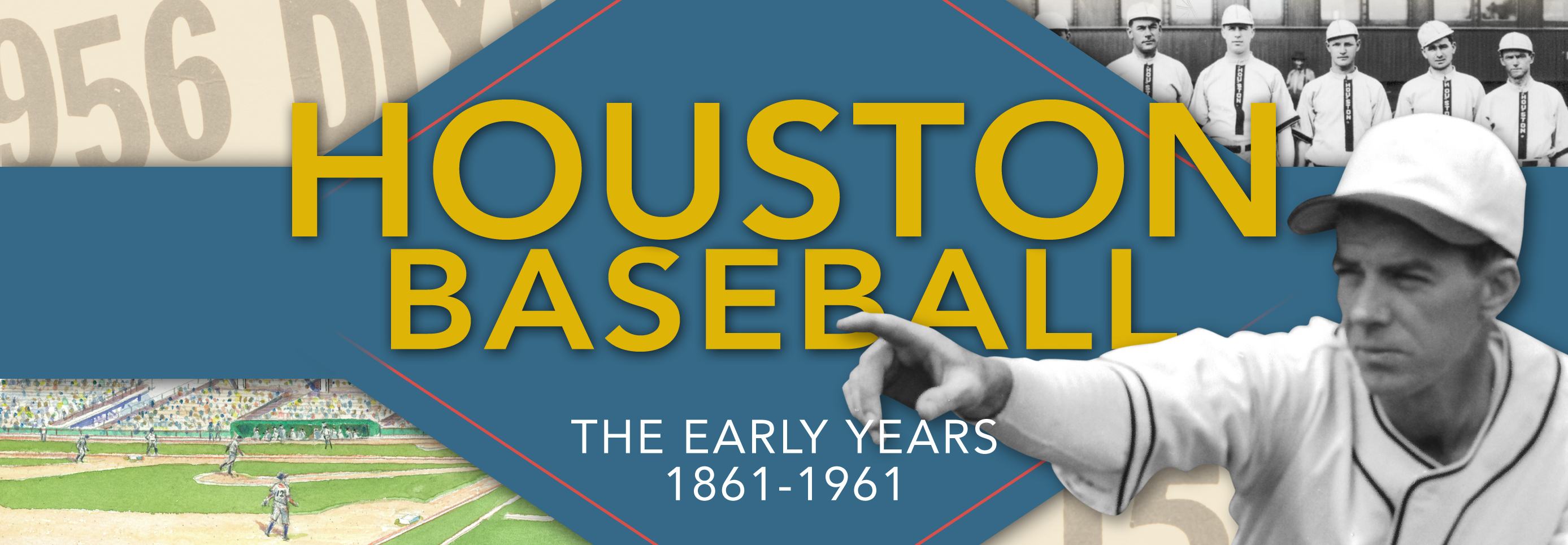
At last, April 30, 2014, “Houston Baseball, The Early Years: 1861-1961” is in publication. Researched, written, and edited by certain members of the Larry Dieker Chapter of SABR, the Society for American Baseball Research, with the support of a few other independent volunteers, with sponsorship funding and the firm backing of our National SABR office, our no-longer-so-little-book-that-almost-didn’t-happen has arrived in time to be a central part of our local chapter hosting of the National Convention of SABR in Houston this summer from July 30th to August 3rd.

Now officially in publication in a beautiful first class hardback form by Bright Sky Press of Houston, our book is available for sale to the general public for the total price of $49.95, postage included. Further ordering information is available at the very end of this column.

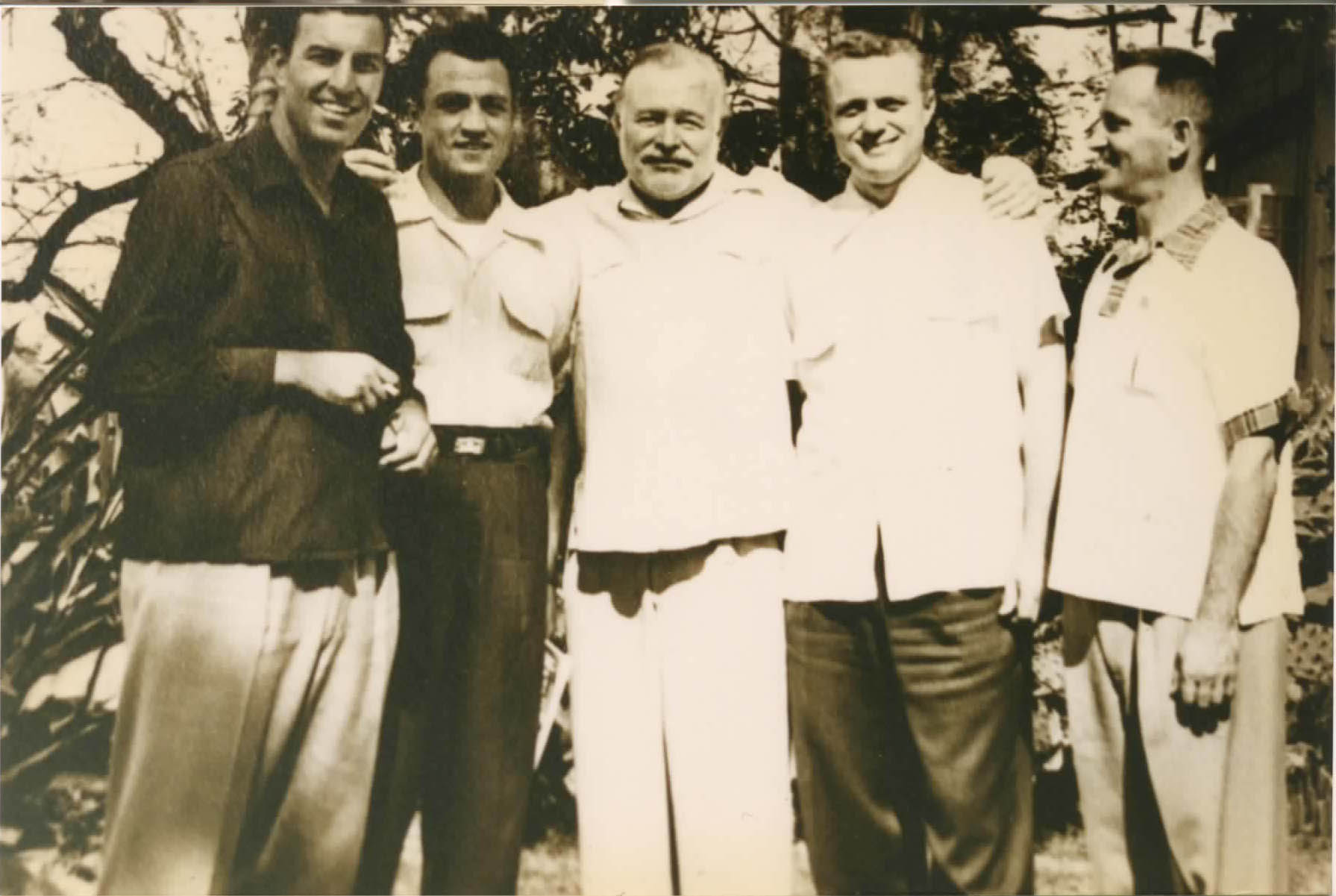
No longer little is right in both physical and far-reaching historical terms. It is born in 2014 as a 368-page work of comprehensively researched historical information on the beginnings and growth of baseball in the Houston area over a course of time that basically covers the same span of ages in which both Houston and baseball have been around in their present, but ever changing forms. The book ties together on a quality printing of easily readable type, with an ongoing flow of new information and photographic personification of the times that even includes a previously unpublished picture of the great Ernest Hemingway with Jim Basso, a former Houston Buff, and his buddies, upon the occasion of their date for drinks and dinner  at Papa Hemingway’s Cuban hacienda in 1952.

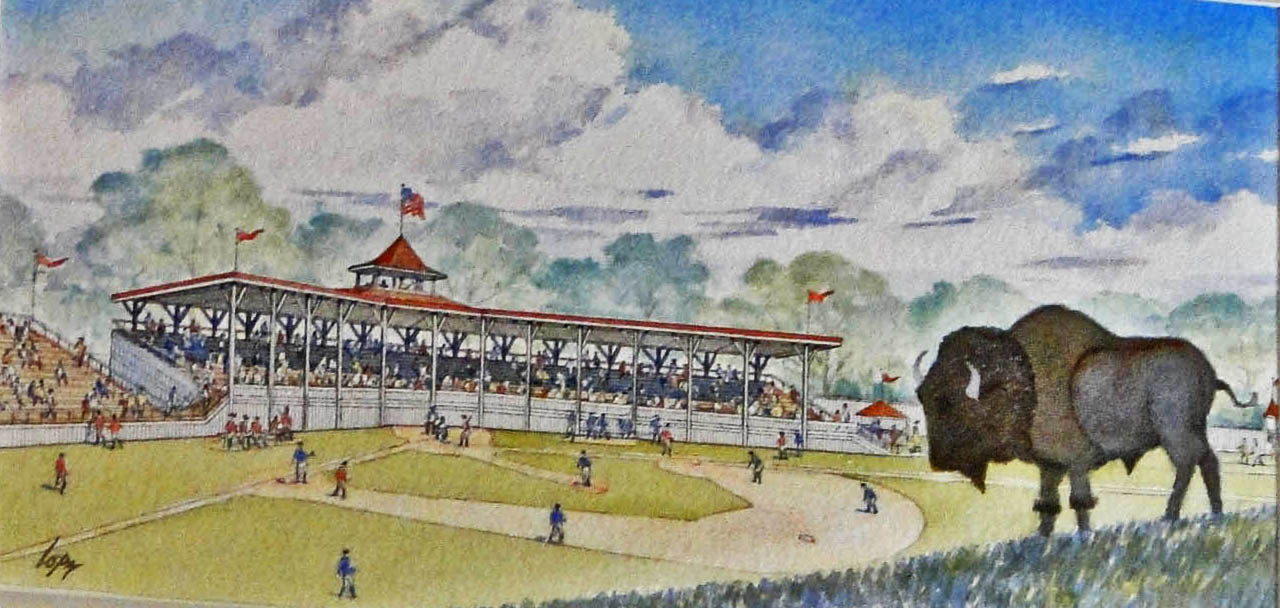
And the pictures don’t stop with the grainy posed team photos of that late 19th century turn. Artist Patrick Lopez has reconstructed from newspaper accounts a series of watercolor images of how the first three ballparks in Houston’s professional ball life once appeared to our Houstonian ancestors.  These works have lifted the whole tone of the book’s reading experience into both a factual and spiritual journey.

"Buffalo Watching" by Patrick Lopez, zn zrtistic rendering of the Travis Street Ballpark in Houston.

“Buffalo Watching” by Patrick Lopez, an artistic rendering of the Travis Street Ballpark in Houston.- This art piece is not available in the book. Those from the book were not available at this deadline.

Hemingway, Basso, and Friends - from a private collection.

Ernest Hemingway (center), Jim Basso (facing camera, right of EH), and Friends – from a private collection.

How did this book happen?

For me, it began sixty years ago as a dream; it survived as a needful ambition; it began to take life as an individual effort in 2007; and it finally took off to completion as a volunteer group research and writing challenge to members of the Houston Larry Dierker Chapter of SABR in May 2011. From there, it has evolved into a beautiful and accurate work of local Houston history, and as I said earlier, it was one that almost didn’t happen.

Mickey Herskowitz and I talked briefly about the need for such a book on Houston baseball history back in 1988, but nothing happened. Both of us were still absorbed by other commitments of that time.

In the summer of 2007, I began research on the book at the downtown Houston Library. My title for the work is the one it carries with it into print today: “Houston Baseball, The Early Years: 1861-1961.” During this time, I acquired a number of the photos we ended up using in the book, including the great front cover image of 1947 Houston Buff manager Johnny Keane, pointing direction like a latter day Connie Mack to his players on the field.

In brief, it didn’t take me long to realize in 2007 that, at my age, I would need either nine additional serial lives or a team of help in this present time and space to get this work done the right way. Four years of steady discussion with my SABR colleagues and buddies in the kind of positive and encouraging SABR atmosphere that our chapter chair Bob Dorrill had made possible turned out to be the deal-maker. By simply being the upbeat, positive, baseball-loving  person he is, Bob Dorrill had turned the key on the door that took us all symbolically to a spiritual room where this book moved steadily from hopeful to probable to certain.

We had to make one change shortly beyond the halfway time  point from May 2011 until now, the last day of April 2014. For health reasons, I had to ask Mike Vance to take over as Editor in Chief, as I continued to complete my research and writing chapter assignments.

Thank you, Mike Vance. You did a masterful job. Our book is evidence to that fact.

West End Park was the second major home of the Houston Buffs near the presnt day Allen Center.

West End Park was the second major home of the Houston Buffs near the present day Allen Center in downtown Houston..

What else can I tell you that you will not discover for yourselves? Maybe this – Mickey Herskowitz is the only person in this world who could have knowledgeably written the afterward comments section of this book that detail the transition of Houston from a minor league town into a major league city. Micky is not only a brilliant writer, he is also the last man standing from the cast of original characters who lived through our metamorphosis of becoming the first city in the world with a domed stadium for large field area game play. I personally recruited Mickey Herskowitz for this project. I told him, “Mickey, this is probably your only easy remaining chance to set the record straight on what really happened back there in the late 1950s and early 1960s..”

And Mickey took his shot here. And he told it right, as no else could have hoped to do – and now our book slides off the shelf as something more than just another baseball book. It exists as the only comprehensive, diligently researched history of baseball in Houston from early times. It truly is – a book for the ages.

Sometimes, Houston really does do a better job of showing that it cares about its history – and this is definitively one of those moments.

We can only hope that you too are eager to read what we have learned.

HOUBASE 05


For more information about the book or its art work products, please visit the website at:

http://www.houstonbaseball.org/

HOW TO ORDER YOUR COPY OF OUR BOOK:

Don’t deny yourself, Order a copy today.

We do not  have credit card or PayPal payment service at this time, although we are hopeful that limitation will change in the near future.

That being said, payment should now be made by personal check, bank check, or money order only. No cash, please.

We have also determined that we cannot afford to handle all the postage on book sales. My regrets for stating originally that we could. Our new baby weighs 4 pounds

Payment should be endorsed to “Houston Baseball: The Early Years” for $49.95. Please add $5.50 for the shipping of one book – or $6.50 for the shipping of two books to any destination in the United States.

Out of the country buyers should first contact our Bob Dorrill by e-mail prior to mailing your order so that you can work out your international shipping charges. The e-mail address for Bob Dorrill is:

BDorrill@aol.com

Please mail your completed order with full payment and a clearly printed merchandise receiving address to:

Houston Baseball: The Early Years

c/o Bob Dorrill

2318 Crimson Valley Ct.

Houston TX 77345-2101


1950: Sale to End Mack Family Squabble Over A’s

April 29, 2014


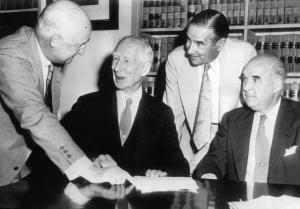
The Connie Mack family talks over ther 1950 deal with each other.

The Connie Mack family talks over ther 1950 deal with each other.

1950 was a year which brought about an internal shakeup in how the Connie Mack family owned and ran the American League A’s in Philadelphia. It was also the harbinger of great changes to come. 1950 would turn out to be Connie Mack Sr.’s last year as the A’s manager after 50 years at the helm, but things would not imrpove on the field or at te box office, After a dead-last, 101 loss finish in 1954, the Mack family would sell the club to Kansas City interests, where the club would emerge in 1955 as the Kansas City Athletics

________________________________________

AUGUST 10, 1950

MACK BOYS SAID READY TO SWING PURCHASE OF A’S

PHILADELPHIA, AUG. 10. (AP)  – Roy and Earle Mack, elder sons of 87-year old Connie Mack, said today  they will buy all outstanding stock of the Philadelphia Athletics.

Financing, they said, has been arranged with the Connecticut General Life Insurance Company. The deal for a reported $1,800,000 would make Roy, Earle, and Connie, Sr. the sole owners of the club, its farm system, the Major League franchise, and Shibe Park, Philadelphia’s only major league layout.

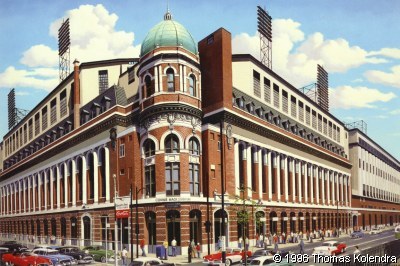
Shibe Park would become Connie Mack Stadium after its totl purchase from the Shibe family in 1950.

Shibe Park would become Connie Mack Stadium after its purchase from the Shibe family in 1950.

It should end the front office bickering that has become more and more apparent as the A’s stumbled around near the cellar of the league. The seventh-place team is far behind the pennant pace that was the right  spring dream of the oldest manager of them all:(Connie Mack) Celebrating his 50th anniversary year. The sellers ,under an option agreement that Roy and Earle said they would exercise, are Connie Mack, Jr., his mother, Mrs. Connie Mack, Sr. and the heirs of Thomas and Benjamin Schibe, former presidents of the club. They own 872 of the 1500 shares of stock. Young Connie Mack is a son-in-law of Mrs. Tom Connolly, wife of the Texas senator.

~ Associated Press, Galveston Daily News, August 11, 1950, Page 23.

________________________________________


Good Luck, Greg! Congratulations, Skeeters!

April 28, 2014
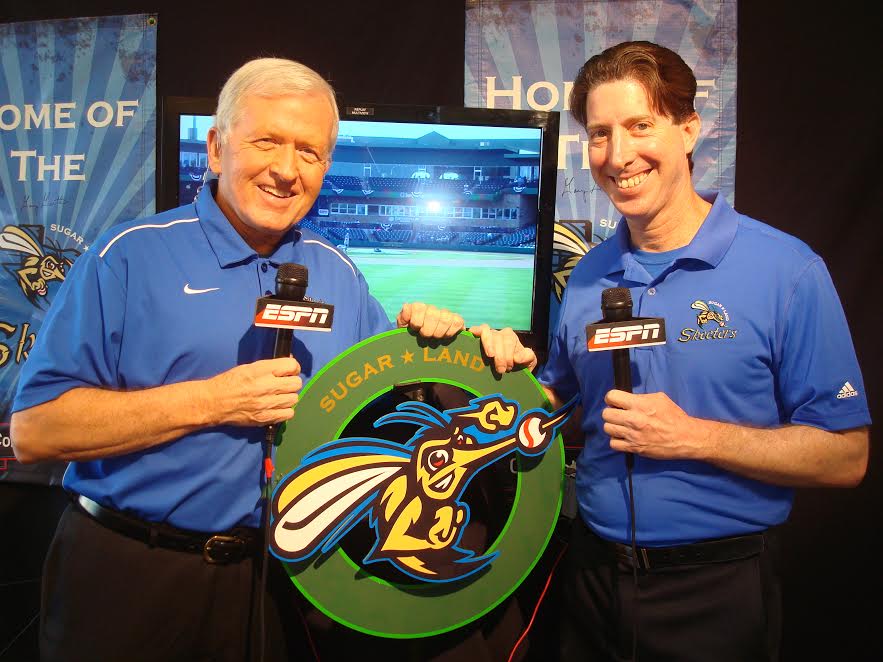
Greg Lucas (L) joins Ira Liebman and the Sugar Land Skeeters' broadcast team.

Greg Lucas (L) joins Ira Liebman and the Sugar Land Skeeters’ broadcast team.

This just came in today to The Pecan Park Eagle from Ira Liebman, the Senior Sales and Broadcasting Manager for the sugar Land Skeeters: Former FOX broadcaster Greg Lucas has been hired to do back up service as the color man on Skeeters’ home games in support of former Astros broadcaster Brett Dolan, who is now the regular color guy on Skeeters radio games. Neither Lucas nor Dolan will travel with play-by-play man Liebman on road games and no details were made available to us at this time as to how this all works into any of the new planned telecasting of Skeeters home games by ESPN. The fact that Greg and Ira are both holding ESPN mikes in the photo does strongly suggest that the powerful sports network will be involved in how any new broadcasting personnel may be used in expanding the Skeeters’ fine efforts at increasing their media presence in the Houston market.

Greg Lucas and Ira Liebman are both also friends of ours and colleagues in SABR, the Society for American Baseball Research. We congratulate both men, and Brett Dolan, for this movement into an exciting new era of local broadcasting, We also wish to congratulate the Sugar Land Skeeters for recognizing the gold dust that surrounded them in the presence of both Greg Lucas and Brett Dolan. These were brilliant hires in my book, but almost too obvious to miss. Ira Liebman already is doing a beautiful job, but these two new guys can only serve to help make Ira’s time and creative energy even more open and available. – So, congratulations to you too, Ira. You’re a good man and an important figure and voice in the Houston baseball , and vintage ball, communities.

Go Skeeters! Go Astros! Go Houston! And come on, Baseball! Let’s get it done!

Addendum, Monday, April 28, 2014:
          According to Skeeters Special Advisor Tal Smith, ESPN3 will carry all of the Skeeters home games.  Ira Liebman will be the lead play-by-play broadcaster.  Brett Dolan and Greg Lucas will split the schedule, depending on their availability, and serve as the analyst and do some of the play-by-play.  There will not be any home radio (ESPN has exclusive rights to the audio used on their ESPN3 telecast).
 
 
          Ira Liebman will travel with the team and broadcast the Skeeters road games.  They will be available through the Skeeters website.

More Baseball Lagniappe

April 26, 2014
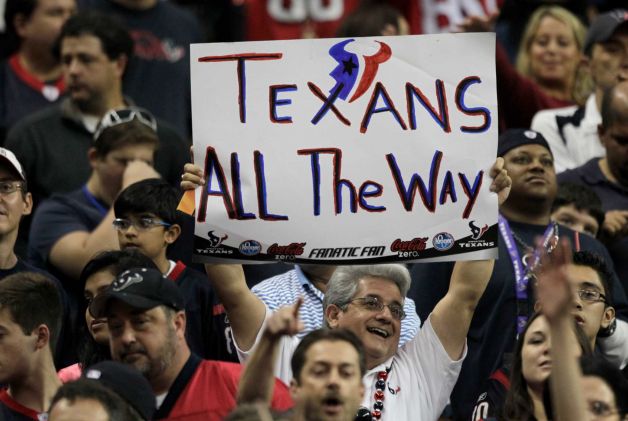
"Texans All The Way" ... All the Time .... 24/7 ... 12 Months a Year.

“Texans All The Way” … All the Time …. 24/7 … 12 Months a Year.

A Tongue of the Times

“This is the worst part of the football season,” a Houston Subway sandwich shop customer offered to his buddy in the line behind me recently. “With no games to play, all we’ve got to talk about is whether or not the Texans are taking Johnny Manziei with their first pick in the NFL draft.”

In a way, the hungry man says it all for a ton of Houston football fans who view the world along those same lines. In second and third real other “seasons” in which 60% of the fans can neither view the NBA Rockets or the MLB Astros on cable television, and in another year in which the Astros aren’t worth seeing all that much, anyway, an innocent voice of the local culture speaks up to remind us of the fact that the football-town fans of Houston live in a season which never ends – in a 24/7, 12 months a year season in which football is all that matters – in their minds, in the papers, on the Internet, over the ESPN-styled radio and television airways, and in the custom sandwich order line at Subway.


sugar-land-skeeters-primary


In The Neighborhood

Congratulations and good luck to the Sugar Land Skeeters over the course of their 2014 third season of existence as an independent Atlantic League member. Coming off a league record 95 win season in 2013, the Skeeters are back. with new hopes for another great season under manager Gary Gaetti. Also interesting to watch is the fact that they have signed former NBA star Tracy McGrady as 6′ 8″ right-handed starting pitcher. – Good luck to Tracy too. The fact that the Skeeters sold out their 7,500 seat Constellation Field Opening Game this past week is testimony too to a lot of good things, Tal Smith, Deacon Jones,  MJ Burns, and Ira Liebman, and all the Skeeter people I don’t know personally are due tons of credit for a job well done. – And, with their new TV deal with ESPN, the Skeeters may be on TV in 2014 far more often than the Astros.


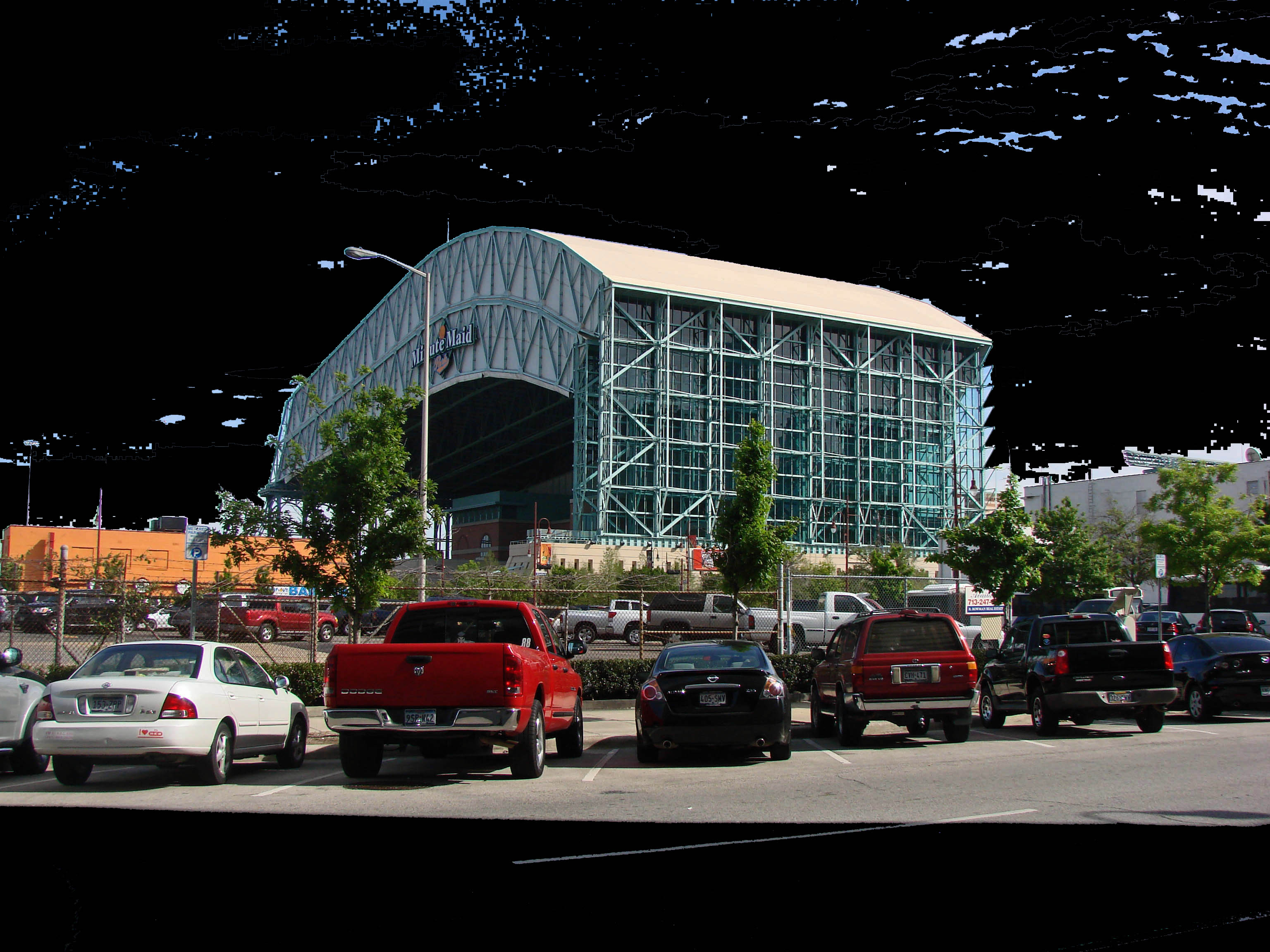
Minute Maid Park: It's easier to be revered when you are part of your neighbors' everyday landscape.

Minute Maid Park: It’s easier to be revered when you are part of your neighbors’ everyday landscape.

Speaking of Neighborhoods

As all Houstonians know, or soon discover upon their arrival in our great city. Due to our geographic spread and the miles of congested freeways we depend upon to get around, almost all of us have to decide how we are going to live, based on just those aforementioned facts – and not everybody has a good choice: (If you have a choice, you may want to live near  where you work and just use the shopping, medical, educational, and entertainment choices that  exist in your smaller geographic area – and only leave the region on special occasions, like going downtown to an Astros game. (2) You suck it up and accept the fact that Houston is about driving great distances on a daily basis and spending much of your day in a car,

I don’t really know the demographics of the Sugar Land Skeeters fan base, but I’m betting they have far more season ticket holders from the Fort Bend County area than they do from the Woodlands or inside the 610 Loop neighborhoods, Makes me think that the Astros would be a lot better off if we could ever develop a downtown, midtown, Height, or near East Houston family neighborhood population support base for  the club. People who live near a ballpark may be more likely to attend games in talent-challenged years, if the era is brief, whereas, people in the hinterland suburbs might be more inclined to being bandwagon supporters and only come downtown for games during championship competition years.

Houston supports winners. If the Astros don’t win again soon, tell your great-grandchildren not to hold their collective breath in 2114, as they trudge on down to venerable old Minute Maid Park wearing their “2005” tee shirts as a sentimental reminder of the last time that the Astros were even in a World Series.


In The Big Inning

In The Big Inning

In The Big Inning

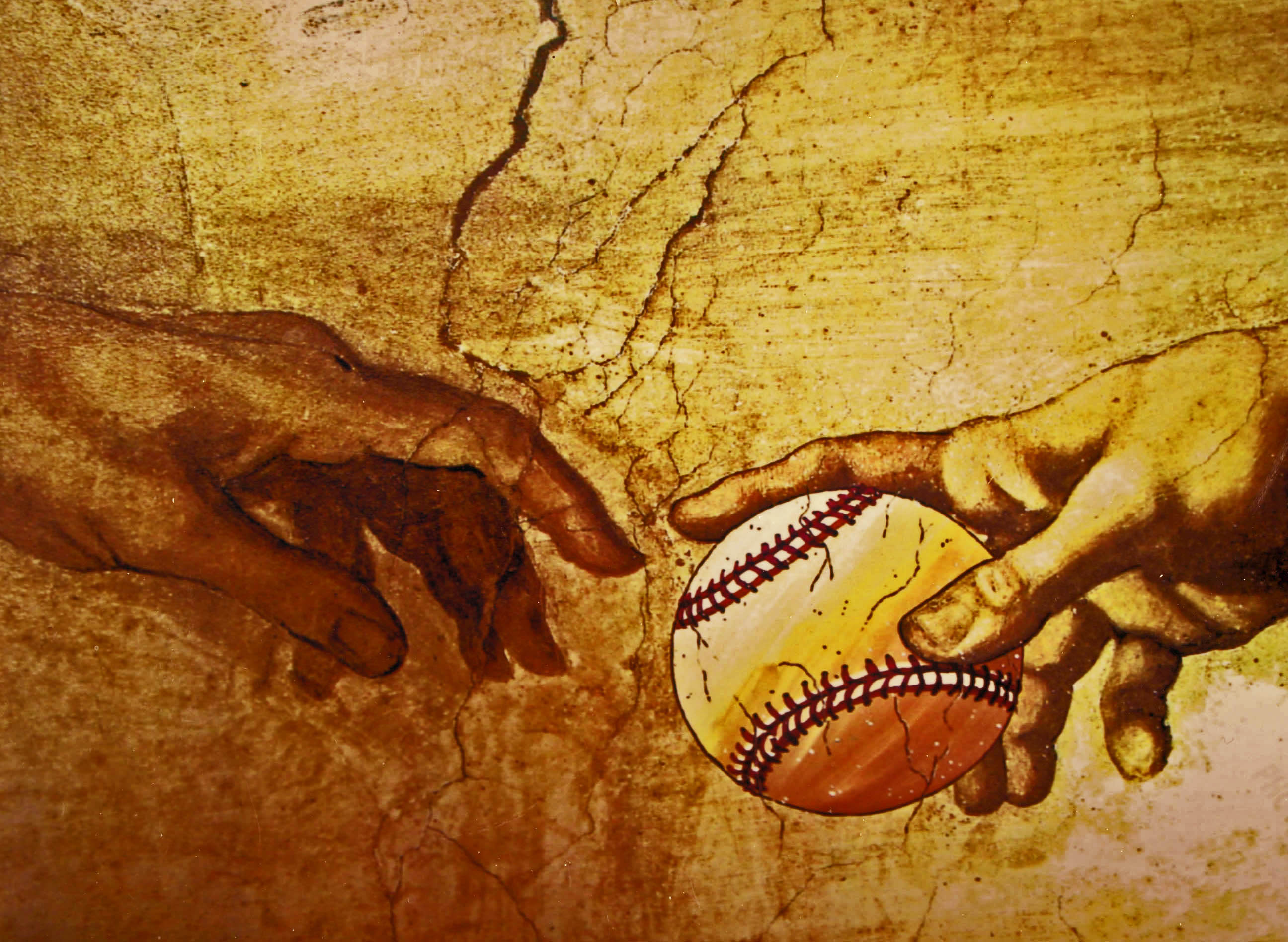
Question: What makes baseball more special than any other sport?

Answer: (Hints Only): Open your heart. And use your eyes.


The 500 Plus MLB Home Run Club

April 25, 2014


bonds-02

The two-homer game of Albert Pujols earlier this week has pushed the MLB 500 Plus HR Club membership to 26 men, with Pujols himself being the only active player in the group.

The 500 Plus MLB Home Run Club.

RANK NAME HOME RUNS HALL OF FAME? STEROID CLOUD?
1 Barry Bonds 762 NO YES
2 Hank Aaron 755 YES NO
3 Babe Ruth 714 YES NO
4 Willie Mays 660 YES NO
5 Alex Rodriguez 654 Suspended YES
6 Ken Griffey, Jr. 630 Eligible Soon NO
7 Jim Thome 612 Eligible Soon YES
8 JSammy Sosa 609 NO YES
9 Frank Robinson 586 YES NO
10 Mark McGwire 583 NO YES
11 Harmon Killebrew 573 YES NO
12 Rafael Palmeiro 569 NO YES
13 Reggie Jackson 563 YES NO
14 Manny Ramirez 555 Eligible Soon YES
15 Mike Schmidt 548 YES NO
16 Mickey Mantle 536 YES NO
17 Jimmie Foxx 534 YES NO
18 t Willie McCovey 521 YES NO
18 t Frank Thomas 521 YES – 2014 NO
18 t Ted Williams 521 YES NO
21 t Ernie Banks 512 YES NO
21 t Eddie Mathews 512 YES NO
23 Mel Ott 511 YES NO
24 Gary Sheffield 509 Eligible Soon YES
25 Eddie Murray 504 YES NO
26 Albert Pujols 500 Active Player ? Don’t Know

Of the 26 men who have hit 500 plus home runs in their major league careers, 15 of the 26 men (57.7%) have already been admitted to the Baseball Hall f Fame,

Among those 15 members of the Hall of Fame, none, unless you count the few  extremists who suspected new member Frank Thomas for having a powerful, muscular body, and I don’t, were suspected of using steroids during their careers.

Of the remaining players, only one of the 11 have been clearly established as a non-steroids-clouded person. That would be Ken Griffey, Jr. Those who come up for induction at least once, so far, have all failed to receive the 75% support that each candidate needs for induction.

For now, it is the miscreant players who are paying he price for doing what Messrs. McGwire and Sosa made so famous in the summer of 1998, saving baseball from the strike year of 1994 and making it all the way to the then important cover of Time magazine on the juice.

And they did all that salvation work without the owners ever knowing about the steroids? I guess. I guess it’s just like 1919 all over again – when only the players were dirty – and the owners were clean.

Sometimes two-faced people are so carried away sometimes by a subtle to not-so-subtle personal conviction in their own brilliance and mastery of denial and slight-of-hand that they either forget or lose sight of the fact that it is still possible to kill the Golden Goose business that has paid all their dream barrels for a century, at least.

It isn’t the empty seats that any major league club needs to fear. It’s what caused them to be empty that’s the heart of the problem. And for everyday empty seats, it won’t be lousy baseball that does it, or direct competition with an NFL or NBA home game in the same city on the same day, or the lack of a way to follow the team on television due to the general malaise into inaction fed by greed, or even school starting early tomorrow that has ground things to halt. It’s indifference. – If that day’s  does come home, it will be the drooling beast of apathy that kills the beauty of our dear beloved baseball.

Let’s work against that taking positive action. Here are a few suggestions:

(1) Wait until we get a new commissioner to even try;

(2) Ask the new commissioner to appoint a special panel to consider all the eligible HOF candidates whose way to the Hall may simply be blocked by them being seen as members of that “dirty group.”

(3) Ask the Steroids  Candidate Committee to examine the records of each player for the presence of accomplishments too large to ignore versus the presence of proven offenses that are too large, to date, to ignore.

(4) Expect the SC Committee to hrow out hearsay, innuendo, and improperly handled evidence. Go with what is evidential to date as a basis for approval or denial.

(5) If a man is innocent, or not proven guilty, and he deserves the HOF for his accomplishments, either take him into the HOF and recognize his accomplishments accordingly – or else, ban him for life and further consideration.

(6) Don’t ignore a suspect by leaving him in the regular voting line with the kind of support that normally goes to .210 hitters and 6.00 ERA pitchers.

(7) No man should be left to twist in the wind of uncertainty. Unless we can come up with a way that realistically proves that steroids may create greatness, it seems to me that we need to recognize those who set or broke records during the “owners look the other way” steroids era, while doing all we can to make sure it never happens again.

That would do for a start. And it would beat ignoring Bonds and McGwire and Clemens as human beings who once did great things on the diamond that were not all caused by steroids.

I may be wrong, but it’s been my experience that wrongs we treat as non-events lead to apathy and repetition – and not to healing.

What do you think?


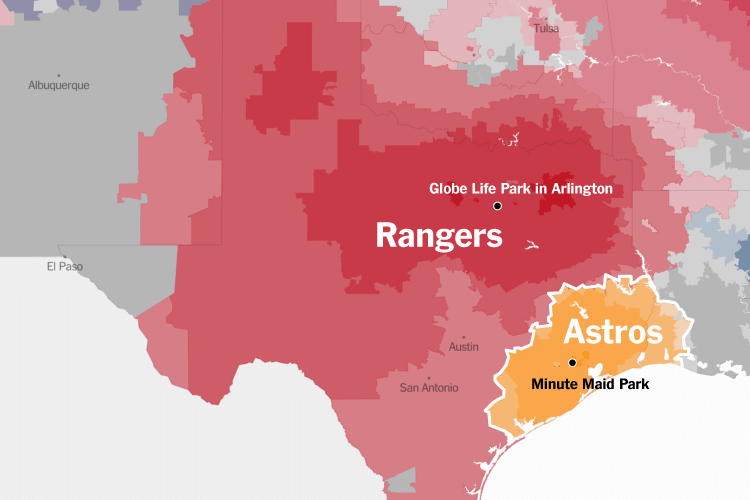
See This NY Times Article on Baseball Borders

April 25, 2014
New York Times Illustration April 24, 2014 See their article.

New York Times Illustration
April 24, 2014
See their article.

The article “Up Close on Baseball’s Borders”  appears today in the April 24, 2014 edition of the New York Times. It’s written by b

http://www.nytimes.com/interactive/2014/04/23/upshot/24-upshot-baseball.html?_r=0

Check it out.

And thank you, Tony Cavender, for calling this material to my attention.

Ted Williams’ 1st MLB HR: 04-23-1939

April 23, 2014
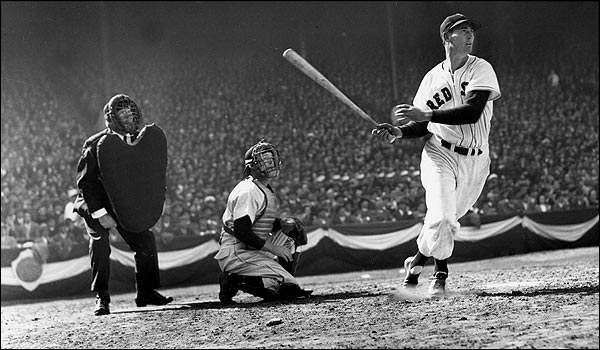
The Splendid Splinter Connects!

The Splendid Splinter Connects!

It took Ted Williams three games beyond his 4/20/1939 first appearance on Opening Day to crush his first MLB HR, but he did it in grand style, even in a  losing cause.  “Ted Williams was the only bright spot in the Red Sox showing yesterday,” cried the Fitchberg (MA) Sentinel on April 24th. “He made a homer, double, and two singles to lead all the sluggers. His homer was a tremendous one and (it) lifted the fans off their feet with cheering.”

The April 24th Sentinel went  on to summarize the downside of a Boston defeat: “The Red Sox used five pitchers yesterday in a vain attempt to check the Mackmen who scored six runs in the eighth inning and won 12 to 8. The Red Sox hit the Philadelphia pitchers hard and often but that eighth inning was too much for them.”

According to Baseball Almanac, Williams actually got that “tremendous”, presumably to right field homer, out of the way quickly in Fenway Park. With 2 runs already in and a runner on, Williams blasted his first home run for a 4-3 early recovery lead for the Red Sox in the first frame. Ted Williams’ first ever big league homer came off another forgettable name from the great masses of men who’ve made it to the majors to try their right hands at pitching. His name was Luther “Bud” Thomas, a 25-34, 4.96 ERA man for seven seasons in the big leagues.

Also, according to this morning’s Houston Chronicle, Ted Williams remains, even now, one of three players tied for position 18 on the list of most prolific home run hitters of all time. With a final count of 521, Ted is tied with Willie McCovey and Frank Thomas. We’re not sure how many of the great sluggers ever started their HR count against one of the great pitchers, but I feel reasonably sure that someone has made a study of it somewhere along the way. If you have any information alng these lines, please share  it with the rest of us.

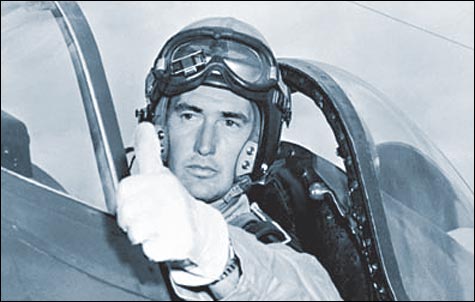
A Great American Hero.

Ted Williams: A Great American Hero.

All I know about Ted Williams is what many others have written about, ad nausem: Had Teddy Ballgame not been called to military service twice as a fighter pilot, in World War II and then in Korea, there’s no telling how many extra home runs he would have hit.

Baseball Almanac Box Score:Philadelphia Athletics 12, Boston Red Sox 8
Philadelphia Athletics ab   r   h rbi
Moses rf 5 1 2 0
Gantenbein 2b 4 1 0 0
  Nagel ph 0 0 0 0
  Dean ph 1 1 0 1
  Ambler 2b 1 0 0 0
Chapman cf 5 2 1 0
Johnson lf 4 1 0 0
Hayes c 3 2 2 1
Lodigiani 3b 4 1 2 4
Etten 1b 4 2 2 2
Newsome ss 4 0 2 2
Thomas p 1 0 0 0
  Smith D. p 0 0 0 0
  Pippen p 2 0 0 0
  Smith E. p 0 0 0 0
  Finney ph 1 1 0 0
  Parmelee p 0 0 0 0
Totals 39 12 11 10
Boston Red Sox ab   r   h rbi
Cramer cf 4 1 0 0
Vosmik lf 4 1 1 0
Foxx 1b 5 2 2 0
Cronin ss 3 0 0 1
Tabor 3b 4 1 1 1
Williams rf 5 2 4 3
Doerr 2b 5 1 3 1
Desautels c 4 0 1 1
Auker p 0 0 0 0
  Galehouse p 2 0 0 0
  Ostermueller p 0 0 0 0
  Heving p 0 0 0 0
  Dickman p 0 0 0 0
Totals 36 8 12 7
Philadelphia 3 2 0 0 1 0 0 6 0 12 11 2
Boston 4 0 2 0 0 2 0 0 0 8 12 1
  Philadelphia Athletics IP H R ER BB SO
Thomas 0.2 3 4 4 1 0
  Smith D. 0.0 1 0 0 2 0
  Pippen 4.1 6 3 2 1 3
  Smith E.  W(1-0) 2.0 2 1 1 2 1
  Parmelee  SV(1) 2.0 0 0 0 1 1
Totals
9.0
12
8
7
7
5
  Boston Red Sox IP H R ER BB SO
Auker 0.2 0 3 3 5 0
  Galehouse 6.1 6 4 4 4 3
  Ostermueller 0.0 1 1 1 0 0
  Heving  L(0-1) 0.2 3 3 2 0 0
  Dickman 1.1 1 1 0 1 2
Totals
9.0
11
12
10
10
5

E–Moses (1), S. Chapman (1), Tabor (1).  DP–Philadelphia 2. Pippen-Gantenbein-Etten, Gantenbein-Newsome-Etten.  2B–Philadelphia Lodigiani (1); Etten (3); Newsome (1), Boston Williams (3); Doerr (2); Desautels (1).  HR–Boston Williams (1,1st inning off Thomas 1 on).  Team LOB–10.  SH–Tabor (2).  Team–9.  SB–Tabor (1).  U–Red Ormsby, Bill Summers, Steve Basil.  T–2:55.  A–12,000.

Baseball Almanac Box Score | Printer Friendly Box Scores

Joe DiMaggio’s 1st MLB HR: May 10, 1936

April 22, 2014
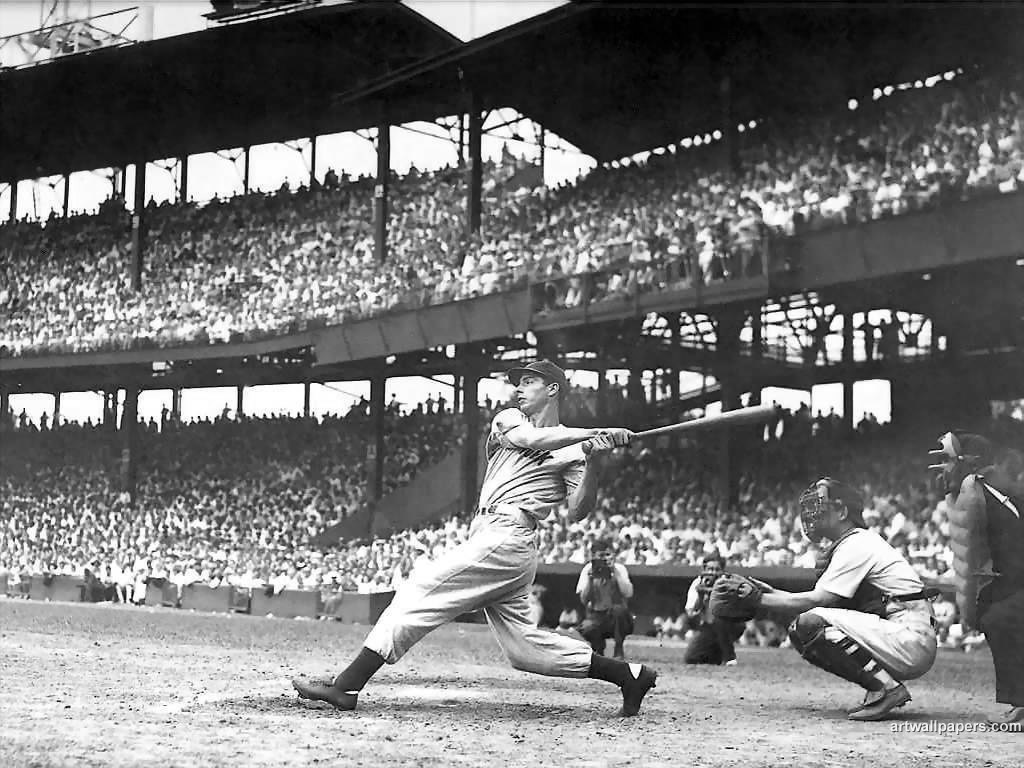
Joltin' Joe DiMaggio

Joltin’ Joe DiMaggio

In April 1951, I got to see Joe DiMaggio and Mickey Mantle play for the New York Yankees in a spring exhibition game at Buff Stadium against our home town Houston Buffs. Standing with my dad, my brother, and my best friend in the SRO roped off area in left center, I still have every picture in my mind that I could not take with my missing camera on that golden day. When you are 13 years  old, in my day, we couldn’t  always afford film, but still – what a day to be without it!

Joe DiMaggio’s lifetime total of 361 career MLB home runs may not seem like much today, but it was good enough for 5th place on the all time MLB leader list when he retired after the 1951 season. And no doubt about it – had Joe D. played his entire career at Fenway Park, rather than in the deep left center to center field canyon that was Yankee Stadium I, he could have posted a much larger number. That Bronx locale was built by Ruth – for Ruth – and all the great lefties that followed. It was mean to right handed power alley hitters.

Joe D. began his major league all Yankees career on May 3, 1936, in the club’s 18th game of the season. He began as a house-afire hitter from the start, but did not hit  his first career HR until May 10, 1936. It was the Yankees’ 24th game of the season and the 7th game of his active play.

That first Joe DiMaggio HR of May 10, 1936 happened at Yankee Stadium in the bottom of the first inning of  a game played against the Philadelphia Athletics. Lefty George Turbiville was the A’s pitcher as Joe D. took him long to deep left, where leaving the field of play was a deep possibility for some fly balls. DiMaggio compiled a total of 29 HR in his 138 games played in 1938. He followed that feat with his best HR season of a 15-year career by banging out 46 homers in 1937.

After that game in Buff Stadium, we were wishing we could invite Joe D. over to Eagle Field in Pecan Park for a little game of  flies and rollers. – It was only two miles away, but, unfortunately, it was also another world away. We contented ourselves in the knowledge that, on this particular Sunday, we had been privileged to have spent more time with the great DiMaggio than most other people in the United States.

“Where have you gone, Joe DiMaggio?” – Our nation turns ts lonely eyes to you! – Paul Simon.

_____________________________________________________

Newspaper accounts of the 7-2 Yankee win over the A’s on May 10, 1936 are rather bland in their reporting of DiMaggio’s first big league home run, with most stories  that we examined stopping at “Dickey and DiMaggio homered for New York” as their  featured copy of the game that played out in Yankee Stadium that day.before 32,034 fans. One noted that DiMaggio had been in a 10 at bat hitless slump before he unloaded in the first for a 2-run shot off George Turbiville that gave the Yankees an early 2-0 lead.

That fact  that Joe DiMaggio had just cracked his first big league homer seemed of little to no importance to the people reporting the action that day. It makes me wonder more than usual if any attention was paid to retrieval and preservation of the ball that left the yard off Joe’s bat.  I’m thinking that it probably ended up on a sandlot or street ball course, where it lived out its natural life as a scuffed instrument of kid ball joy.

______________________________________________________

Baseball Almanac Box Scores:

Philadelphia Athletics 2, New York Yankees 7

Philadelphia Athletics ab   r   h rbi
Finney 1b 4 0 0 0
Moses cf 3 0 0 0
Johnson lf 3 1 1 0
Puccinelli rf 4 0 2 1
Higgins 3b 2 0 0 0
Warstler 2b 3 0 0 1
Newsome ss 3 0 0 0
  Dean ph 1 0 0 0
  Peters ss 0 0 0 0
Hayes c 4 0 1 0
Turbeville p 2 0 0 0
  Wilshere p 0 0 0 0
  Mailho ph 0 1 0 0
  Upchurch p 0 0 0 0
  Berry ph 1 0 0 0
Totals 30 2 4 2
New York Yankees ab   r   h rbi
Crosetti ss 3 1 0 0
Rolfe 3b 4 1 1 1
DiMaggio lf 4 1 1 3
Gehrig 1b 2 1 0 0
Dickey c 4 1 2 2
Chapman cf 4 0 0 0
Selkirk rf 3 2 2 0
Lazzeri 2b 2 0 1 1
Murphy p 3 0 0 0
  Malone p 1 0 0 0
Totals 30 7 7 7
Philadelphia 0 0 0 0 0 0 0 2 0 2 4 2
New York 2 1 0 0 3 1 0 0 x 7 7 0
  Philadelphia Athletics IP H R ER BB SO
Turbeville  L(1-3) 5.0 5 6 5 3 0
  Wilshere 2.0 2 1 1 3 2
  Upchurch 1.0 0 0 0 0 1
Totals
8.0
7
7
6
6
3
  New York Yankees IP H R ER BB SO
Murphy  W(2-1) 7.2 4 2 2 7 4
  Malone  SV(2) 1.1 0 0 0 0 2
Totals
9.0
4
2
2
7
6

E–B. Johnson (2), Higgins (7).  DP–Philadelphia 1. Newsome-Warstler-Finney, New York 1. Murphy-Gehrig.  HR–New York DiMaggio (1,1st inning off Turbeville 1 on); Dickey (7,5th inning off Turbeville 1 on).  Team LOB–8.  HBP–Gehrig 2 (2).  Team–7.  CS–Selkirk (1).  U–Lou Kolls, George Moriarty, Steve Basil.  T–2:15.  A–32,000.

Baseball Almanac Box Score | Printer Friendly Box Scores


Cy Young’s 1st Win: Aug. 6, 1890

April 21, 2014
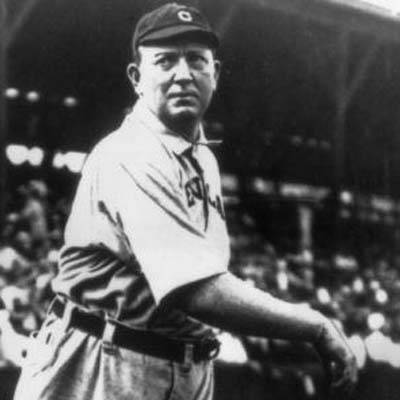
Cy Young: His leading 511 career  wins total may be the safest record in baseball.

Cy Young: His leading 511 career wins total may be the safest record in baseball.

Even guys who end up with a lights out 511 big league pitching wins have to start somewhere. And somewhere, he did, in . Cy Young, the greatest winner and loser in big league history got it all started on his record run back on August 6, 1890 n a place called Cleveland, Ohio as a rookie pitcher for the local Spiders of the National League – and a team that would also distinguish itself in 1898 as the club that came closer than any other, before or since, to the possibility of losing all their games. The Spiders finished the 1899 season on the road as a measure of safety from creditors and kranks by playing the bulk of their games on the road as a measure of self protection. Supporters had not taken to the idea of supporting the biggest losing team of all time. And, as you probably already know, the 1899 Spiders finished both the season and themselves by going out with a record of 20 wins and 134 losses.

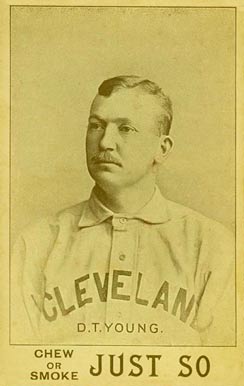
Cy Young, 1893

Cy Young, 1893

None of that future infamy was in the air back on August 6, 1890, although I’m sure there are some 20-20 hindsight scholars out there who might care to argue the point. All I feel sure about is that no one involved in that game on that date had any idea that they were about to witness the start of the greatest declared game-winning pitcher in baseball history, a  guy who was so good at winning for so long, that he also ended up with probably an equal chance of being the biggest declared game loser of all time, as well.

Cy Young would complete his career in 1911 with a career big league record of 511 wins and 316 losses. No one else is close to Cy in either category – or likely to be.. The game and its culture have changed too much because of big  money. It’s both inconceivable that any great pitcher with Youngian abilities would care to pitch as long as Cy, and, even if he did, the chances for a big stack of awarded victories would be far less today due to the way contemporary pitchers are limited by pitch count.

Young pitched and won the first game of a doubleheader that Cleveland was hosting with the Chicago White Stockings/Colts of the National League. by a score of 8-1. The Chicago club would become the “Cubs” by the turn of the 20th century modern era.

On August 6, 1890, however, Chicago would take the second game by 7-1 for a split in the twin bill.

Here’s how the New York World described Cy Young’s victory debut in the first game on the following day:

________________________________________

ANSON BREAKS EVEN (Special to the World)

Cleveland, Aug. 6 – Young, Cleveland’s new colt pitcher, was given a trial in the box today, and his debut was very successful indeed. Anson’s men made but three scattering singles off him. In the early part of the game he struck out five men, after that taking it easy and depending more on his fielders, Hutchinson was hit quite hard. * In the afternoon (game), Anson’s team took revenge on another colt pitcher, Garfield. Luby, an Ansonian   youngster, did splendid work(as a Chicago pitcher in the second game), keeping the hits well scattered.

* Baseball Almanac recognizes Huthinson as “Houtchison (without the “L”) – and that’s the way we carry him in our Pecan Park Eagle Box Score for Game 1 of the August 6, 1890 doubleheader in which Cy Young made his first start in the big league for Cleveland against  Chicago.

~ New York World, August 7, 1890, Page 7.

________________________________________

BOX SCORE: GAME 1 OF NL DH, CHICAGO @ CLEVELAND, AUG. 6, 1890

CY YOUNG MAKES HIS MLB DEBUT AS A WINNING PITCHER

CLEVELAND POSITION AT BATS RUNS HITS
Bob Gilks LF 5 0 0
Ed McKean SS 3 2 1
Will Smalley 3B 5 1 1
Jake Virtue 1B 4 2 1
George Davis CF 5 1 1
Buck West RF 4 1 3
Chief Zimmer C 4 1 1
Joe Ardner 2B 4 0 3`
Cy Young P 4 0 0
TOTALS 38 8 11
CHICAGO POSITION AT BATS RUNS HITS
Jimmy Cooney SS 4 0 0
Cliff Carroll LF 4 0 0
Walt Wilmot CF 2 1 0
Cap Anson 1B 4 0 0
Tom Burns 3B 3 0 1
Howard Earl RF 4 0 1
Bob Glenalvin 2B 4 0 0
Bill Hutchison P 3 0 0
Mal Kitteridge C 3 0 1
TOTALS 31 1 3


Winning pitcher Cy Young is 1-0 through his 1st big league game, striking out 5 Colts.


LINE SCORE FOR GAME I OF DOUBLEHEADER


TEAMS 1 2 3 4 5 6 7 8 9 R H
CLEVELAND 3 0 0 0 0 2 2 1 0 8 11
CHICAGO 0 0 0 1 0 0 0 0 0 1 3


SOURCES: NEW YORK WORLD, AUGUST 7, 1890, PAGE 7 AND BASEBALL ALMANAC.