Archive for the ‘History’ Category

Bill Gilbert Has Died

September 6, 2018

Rest in Peace, Bill Gilbert!


We just received this note from his family:

Bill Gilbert Has Died.

********************

“The Gilbert family announces with great sadness the death of William C. Gilbert, beloved husband, father and grandfather.  We were fortunate to spend the last few days with him, sharing memories and being thankful for having this strong, loving man in our lives.

“Funeral arrangements are being made in Austin and will be announced at a later date.”

Sincerely,

Evelyn, John, Paul, Susan, and Pat Gilbert

********************

God Bless Your Mighty Spirit and Character,
William Gilbert, and May Your Soul Rest in
Peace, Even Now Knowing, that the Love and
Goodness that Spreads from It Shall Continue
to Roll ~ From Now to the Far Reaches of All.
~ We’ll have more here as the obituary and
plans for the funeral are released.

********************

Bill McCurdy

Principal Writer, Editor, Publisher

The Pecan Park Eagle

One is the Loneliest Number

September 5, 2018

One is the Loneliest Number


One is the loneliest number that you’ll ever do
Two can be as bad as one
It’s the loneliest number since the number one


But you have to get to two

To see how that really flies with you


And for now at least ~ we’re still chasing the beast

Of a consecutive second win of the Baseball World Series


If we get there ~ then we can ask ourselves

Do we really feel lonelier now?

Or do all these shooting star visions we’re having

Really say ~ I’m feeling pretty damn good!


We’re not there yet ~ but a 3.5 game lead over Oakland

Still feels a whole lot better than the 2.5 game lead we had yesterday


It’s only a one game difference over 24 hours ~ but

It fails to invite loneliness among Astros fans

As long as it keeps moving the ones

In the direction they just took overnight!


********************

A Peek at the AL Batting Average Race 

Through Games of 9/04/18: 

BATTING AVERAGE

1. Mookie Betts

Boston Red Sox

.336

2. J.D. Martinez

Boston Red Sox

.335

3. Jose Altuve

Houston Astros

.318

4. Jean Segura

Seattle Mariners

.315

********************

AL WEST Contender Scores,

A TWO-DAY REPORT,

(1) Thru MON., 9/03/18:

Houston 4 – Minnesota 1.

Oakland 6 – NY Yankees 3.

Seattle 2 – Baltimore 1.

**********

(2) Thru TUE., 9/04/18:

Houston 5 – Minnesota 2.

NY Yankees 5 – Oakland 1.

Baltimore 5 – Seattle 3.

********************

AL WEST STANDINGS,

A TWO-DAY REPORT:

Morning of WED., 9/05/18

TEAMS

WON

LOST

PCT.

GB

Houston

86

53

.619

 —-

Oakland

83

57

.593

   3.5

Seattle

77

62

.554

   9.0

LA Angels

67

72

.482

 19.0

Texas

61

78

.439

 25.0

********************

SCHEDULE BALANCE FOR

HOU, OAK & M:

DATE

HOU

OAK

SEA

9/05

MIN

NYY

BAL

9/06

9/07

@BOS

TEX

NYY

9/08

@BOS

TEX

NYY

9/09

@BOS

TEX

NYY

9/10

@DET

9/11

@DET

@BAL

SD

9/12

@DET

@BAL

SD

9/13

@BAL

@LAA

9/14

@AZ

@TB

@LAA

9/15

@AZ

@TB

@LAA

9/16

@AZ

@TB

@LAA

9/17

SEA

@HOU

9/18

SEA

LAA

@HOU

9/19

SEA

LAA

@HOU

9/20

LAA

9/21

LAA

MIN

@TEX

9/22

LAA

MIN

@TEX

9/23

LAA

MIN

@TEX

9/24

@TOR

@SEA

OAK

9/25

@TOR

@SEA

OAK

9/26

@TOR

@SEA

OAK

9/27

@BAL

TEX

9/28

@BAL

@LAA

TEX

9/29

@BAL

@LAA

TEX

9/30

@BAL

@LAA

TEX


********************

Bill McCurdy

Principal Writer, Editor, Publisher

The Pecan Park Eagle

Greg Lucas: A Worthy W/L Assignment Option

September 4, 2018

Greg Lucas

On the heels of our TPPE W/L column this weekend, Greg Lucas e-mailed me a suggestion of great worthiness to future consideration of any rule changes to the W/L assignment to pitchers in light of all the changes in the game that have made these decisions by the rules in place now even ludicrous.

As one of the really good and tempered minds that rest upon the shoulders of our media today, Greg Lucas is someone who deserves a far greater audience than my ears. Greg has broadcast more big league games in his lifetime than most of us cumulatively have seen since the Astros moved downtown in 2000.

With fairness to the private essence of this communication, here’s the justification and one possible way for baseball to reach in a rule change for greater equity in the matter:

The Need. Lucas recognizes that the way pitchers are used today “makes the Won-Loss record hard to value.  There are just not enough complete games for starters, and, in using pitch counts to get them out of games, starters don’t get enough innings work to really WIN a game.”

Possible Improvement Change. Allow “any starter who leaves a game after seven innings trailing by no more than two runs to still be eligible for the win, if his team ultimately does. Of course, if they don’t win, he still gets the loss ~ unless he is ‘taken off the hook’ in the current manner ~ and the team loses anyway.”

The Benefit. “This change would allow starters who perform exceptionally well, but who are removed late, to still have a shot at winning, even if they are behind by a run or two after having pitched seven innings. As you can see, this doesn’t solve everything because getting through seven innings is tough these days, but it does give a starter a better shot at a winning decision after he has done most of the work. It also gives the pitcher who did the bulk of the work the actual win credit.”

Thanks, Greg Lucas, for something good to think about in our changing baseball world.  In today’s game, the greatest pitcher in the world can take a pitch count removal from a shutout after the 7th and still fail to get credit for the win because his club only got one run later in the bottom of the 9th ~ and by today’s rules ~ giving the win to the reliever who pitched the last out in the top of the 9th.

Not right. If the W/L is supposed to mean anything, fairness cries out for change.

********************

Bill McCurdy

Principal Writer, Editor, Publisher

The Pecan Park Eagle


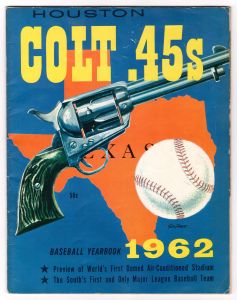
Caps Off to the ’62 Colt .45 Survivors

September 3, 2018

Caps Off to the ’62 Colt .45 Survivors 

Caps Off to the ’62 Colt .45 Survivors ~ A Labor Day Salute for All Time to the Guys Who Got Our Present Glory Hum Started 56 Years Ago. It began, as you already know, in our first day on a big league field.

First Houston MLB Game                                                

         April 10, 1962:

The Nine Man Lineup That

Played the Houston Colt .45s

1st Game and 11-2 Win over

the Chicago Cubs in Houston.


Names of Those Still Alive

On Labor Day, 9/03/2018

Are Shown in Bold Type:

********************

Bob Aspromonte, 3B

Al Spangler, CF

Roman Mejias, RF

Norm Larker, 1B

Jim Pendleton, LF

Hal Smith, C

Joey Amalfitano, 2B

Don Buddin, SS

Bobby Shantz, P

********************

Wrap your minds around this data, folks. ~ 1962 was 56 years ago. ~ Six of the starting nine who played the entire first game in the club’s MLB history debut are still alive in 2018 ~ including the CG starting pitcher-catcher battery. ~ What you don’t see above is that eight other players among those first season Colt .45s also have survived to see the light of day this Labor Day 2018, and enough to even put together a bedraggled and decrepit game lineup that would still be good enough to play a most improbable game against any other MLB club’s survivors from that same year ~ if there are any.

According to Baseball Almanac, 43 men played at one time or another for the original 1962 Houston Colt .45s. The survivors to this date by field position include these 14 total names:

3 of 17 Pitchers: Dave Giusti, Jim Golden and Bobby Shantz;

2 of 3 Catchers: Jim Campbell and Hal Smith;

4 of 12 Infielders: Joey Amalfitano, Bob Aspromonte, J.C. Hartman and Bob Lillis.

5 of 11 Outfielders: Roman Mejias, Dave Roberts, Al Spangler, Don Tausig and Carl Warwick.


Congratulations, Colt survivors; you are our inspiration!

Slow down, clock; we pay no heed to your desperation!

We’ve got heart! ~ Miles and miles and miles of heart!

And our Houston Big League Heart first took the field

in a game that counts on April 10, 1962.

Thanks, guys!


********************


Here’s the Baseball Almanac link to the 1962 Houston Colt .45s roster:

http://www.baseball-almanac.com/teamstats/roster.php?y=1962&t=HO1


********************

Bill McCurdy

Principal Writer, Editor, Publisher

The Pecan Park Eagle


Verlander Rowboat Mime Behind Hinch Is Hoot

September 3, 2018

Astros chief A.J. Hinch attempts to seriously answer ESPN media questions during the Sunday TV Angels game as pitcher Justin Verlander suddenly, but slowly, mimes a casual rowboat crossing through the perceived sludge that seems to be building to the rear of the Houston manager.

Manager Hinch took it well. Once Verlander had made his entire well-acted slow move across the screen, Hinch gave him a quick double-take stare of recognition and a slow-building smile of approval in immediate follow up. It probably helped that all of this was taking place as the Astros were batting and regaining control of the game, but Hinch is just good with his players, anyway.

Look for this one YouTube soon. It wasn’t there yet at our publication time, but it was replayed almost immediately at game’s end, if you still have the TV game recording on your machine.

Have a nice Labor Day, everybody!

********************

A Peek at the AL Batting Average Race 

Through Games of 9/02/18: 

BATTING AVERAGE

1. Mookie Betts

Boston Red Sox

.340

2. J.D. Martinez

Boston Red Sox

.337

3. Jose Altuve

Houston Astros

.321

4. Jean Segura

Seattle Mariners

.320

********************

AL WEST Contender Scores

Through Games of 9/02/18:

Houston 4 – LA Angels 2.

Oakland 8 – Mariners 2.

********************

AL WEST STANDINGS:

Morning of Mon., 9/03/18

TEAMS

WON

LOST

PCT.

GB

Houston

84

53

.613

 —-

Oakland

82

56

.594

   2.5

Seattle

76

61

.555

   8.0

LA Angels

66

71

.482

 18.0

Texas

60

77

.438

 24.0

********************

SEPTEMBER

3

MIN

NYY

BAL

4

MIN

NYY

BAL

5

MIN

NYY

BAL

6

7

@BOS

TEX

NYY

8

@BOS

TEX

NYY

9

@BOS

TEX

NYY

10

@DET

11

@DET

@BAL

SD

12

@DET

@BAL

SD

13

@BAL

@LAA

14

AZ

@TB

@LAA

15

AZ

@TB

@LAA

16

AZ

@TB

@LAA

17

SEA

@HOU

18

SEA

LAA

@HOU

19

SEA

LAA

@HOU

20

LAA

21

LAA

MIN

@TEX

22

LAA

MIN

@TEX

23

LAA

MIN

@TEX

24

@TOR

@SEA

OAK

25

@TOR

@SEA

OAK

26

@TOR

@SEA

OAK

27

@BAL

TEX

28

@BAL

@LAA

TEX

29

@BAL

@LAA

TEX

30

@BAL

@LAA

TEX


********************

Bill McCurdy

Principal Writer, Editor, Publisher

The Pecan Park Eagle

What’s the “W/L” Assignment Worth Today?

September 2, 2018

Cy Young Award (we think that’s his full legal name) won 511 regular season big league games between 1891 and 1911. It’s not likely that he could have come anywhere close to that mark today under today’s pitch count culture and pitcher specialization rules. *

* So, why are we still paying so much attention to a pitcher’s win total at contract and annual award time ~ and even now using “200” as the new “300” benchmark when it comes to thinking about a pitcher like Justin Verlander’s future candidacy for the Hall of Fame?

Maybe this is one of those times in which we, the baseball culture at large, are simply too long on tradition and two short on imagination for a better way of assessing all the players on-the-field and their own individual contributions to winning and losing. If we are going to serve up W and L soup to the pitchers, simply because they set everything in motion first on every play, maybe we should either assign W’s and L’s to all the guys who deserve them – and even spare the pitcher on days they really did little to nothing to cause either final result.

In today’s game, a starting pitcher may hold the other team to a meager 1 run over the five to six innings he’s out there, but still get the loss because his club gets him zero run support over the time he’s pitching. By today’s rules, this good pitching effort takes the “L” because the losing team was behind 1-0 over the time the starter was out there and they never recovered from the avalanche of runs that followed via the charity of his pals in the bullpen.

On another day, a starter may give up four to five runs during the five innings he was out there and still get the “W” because his team tallied ten runs over the course of the same time.

Does that really make any sense? Not to me it doesn’t, but the absence of good sense still doesn’t get in the way of salary and award discussions about pitchers to this very day ~ or so it seems.

Let’s have some discussion about this issue of “W/L” assignments. Do we really need them? And how about their multiple assignment to multiple pitchers, or even multiple or one special position player at times? For example, can you think of a game as recently as last night in which “Ws” could have been assigned to Carlos Correa and Tyler White for their contributions to the 8th inning Astros rally win.

Let’s at least talk about it, maybe even have a SABR meeting discussion about it. I’m not personally talking about the invention of another exotic “WAR” figure here. Those math trips have done little but confirm SABR’s image as a gaggle of geeks. I’m talking about what we can see with our own eyes.

Do we need to look for a better way of assigning the “W/L” for pitchers, do we need to find a way to expand these assignments to other players, or do we simply need to drop individual “W/L” assignments altogether from this “team game” and allow the game’s final score to be the only “W/L” that counts?

********************

A Peek at the AL Batting Average Race 

Through Games of 9/01/18: 

BATTING AVERAGE

1. Mookie Betts

Boston Red Sox

.341

2. J.D. Martinez

Boston Red Sox

.333

3. Jose Altuve

Houston Astros

.326

4. Jean Segura

Seattle Mariners

.317

********************

AL WEST Contender Scores

Through Games of 9/01/18:

Houston 7 – LA Angels 3.

Seattle 8 – Oakland 7.

********************

AL WEST STANDINGS:

Morning of Sun., 9/02/18

TEAMS

WON

LOST

PCT.

GB

Houston

83

53

.610

 —-

Oakland

81

56

.591

   2.5

Seattle

76

60

.559

   7.0

LA Angels

66

70

.485

 17.0

Texas

59

77

.434

 24.0

********************

SEPTEMBER

2

LAA

SEA

@ OAK

3

MIN

NYY

BAL

4

MIN

NYY

BAL

5

MIN

NYY

BAL

6

7

@BOS

TEX

NYY

8

@BOS

TEX

NYY

9

@BOS

TEX

NYY

10

@DET

11

@DET

@BAL

SD

12

@DET

@BAL

SD

13

@BAL

@LAA

14

AZ

@TB

@LAA

15

AZ

@TB

@LAA

16

AZ

@TB

@LAA

17

SEA

@HOU

18

SEA

LAA

@HOU

19

SEA

LAA

@HOU

20

LAA

21

LAA

MIN

@TEX

22

LAA

MIN

@TEX

23

LAA

MIN

@TEX

24

@TOR

@SEA

OAK

25

@TOR

@SEA

OAK

26

@TOR

@SEA

OAK

27

@BAL

TEX

28

@BAL

@LAA

TEX

29

@BAL

@LAA

TEX

30

@BAL

@LAA

TEX


********************

Bill McCurdy

Principal Writer, Editor, Publisher

The Pecan Park Eagle

Maxwell Kates: John Bull Played The Game

August 29, 2018

JOHN BULL PLAYED THE GAME:

SABR AND BASEBALL IN THE UNITED KINGDOM

By Maxwell Kates
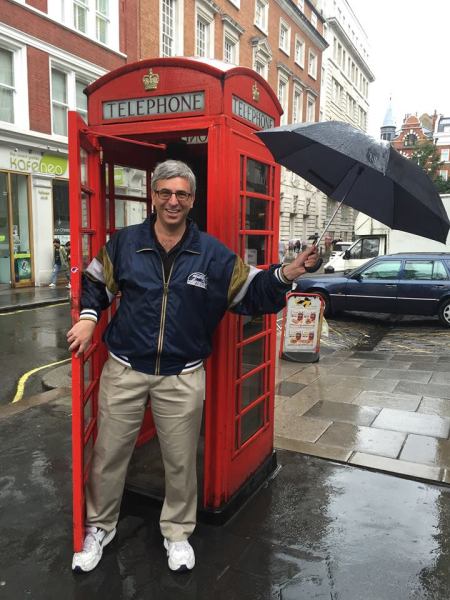
Maxwell Kates in London, 2018.

In the tradition of British-born television personality Richard Dawson, we asked 100 people the following. “What do people wear to a SABR convention?” Here are some of the answers:

“Baseball jerseys.”            32 points!

“Hawaiian shirts.”              21 points!

“Cargo shorts.”                  14 points!

“British fedoras.”

British fedoras????? What are you talking about? This is a question about American baseball. If you want to count British fedoras, kindly move your survey to the nearest British cricket match.
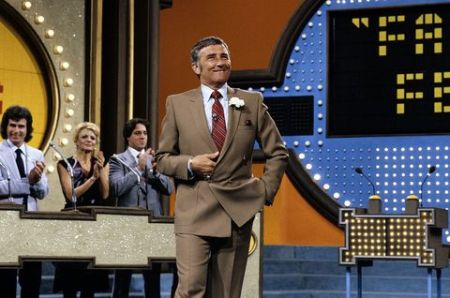
Richard Dawson on Family Feud.

There was, in fact, one SABR convention where a delegate was spotted wearing a British fedora. I know the legend to be true because I was that delegate. It was at the Royal Sonesta Hotel in Houston back in 2014. When a fellow delegate asked why I bought the hat, my reply to him was, of course, “To match the jacket.”
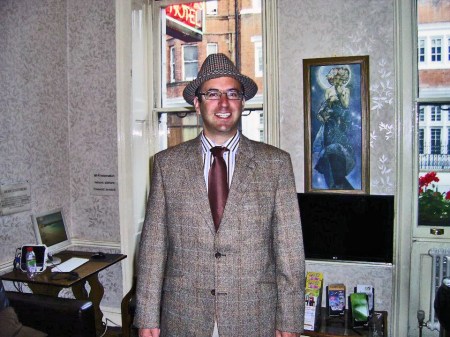
Maxwell Kates in London, 2012.

This is the jacket, which I purchased from British tailor Leonard Jay. The London haberdasher had about a half-dozen shops to his name, including one where I shopped on Southampton Row. Leonard had a ritual that was somewhat unusual in England. Each year around the Jewish High Holy Days, Leonard and his wife closed up shop and spent three weeks’ holiday in Chicago. Why Chicago? “Because, in actual fact,” Leonard replied, “I like to be close to my Chicago Cubs.” Leonard even convinced me that ‘Cubs’ was an acronym for ‘Completely Useless By September.’

Leonard Jay Tailor
London, England

Leonard was a rarity amongst his countrymen, a baseball fan. Although baseball traces its origins to England, the sport never captivated a following the way football and rugby have. Even though organized baseball leagues elsewhere in Europe, Italy and the Netherlands to name two, have thrived, any attempts at professional baseball in England have not been successful. A high school drama teacher from England named Mr. Saunders even inscribed in my yearbook that “Too many books about baseball are bad for the brain!”

Still, baseball does have a history in the United Kingdom. Much of the story of baseball in England has been brought to life by SABR, as it has on this side of a small pond called the Atlantic. What you are about to read is not only a narrative of four centuries of baseball in England, but also how SABR served to intermediate between Major League Baseball and the British public.

David Block, San Francisco SABR
Researcher of Baseball in England

Back in 2013, David Block, a SABR member from San Francisco, unearthed the following text from the Whitehall Evening Post dated September 19, 1749:

“On Tuesday last, his Royal Highness the Prince of Wales, and Lord Middlesex, played at Bass-Ball (sic), at Walton in Surry (sic); notwithstanding the Weather was extreme (sic) bad, they continued playing several Hours.”

Now Pitching, Prince Frederick!

What may be most intriguing about the passage from the Whitehall Evening Post is that Prince Frederick was 42 years old at the time while Charles Sackville was 38. Earlier discoveries suggest that the game was played by juvenile participants in 18th century England. Prior to the David Block revelation, the earliest reference to baseball was an entry in William Bray’s diary that he played the game on Easter Sunday in 1755. Although earlier research traces baseball’s ancestry to a British sport called rounders, this assertion is considered to be problematic. The earliest reference to rounders by that name dates back only to 1828. When in fact some thirty years before, when Jane Austen wrote Wuthering Heights, she described protagonist Catherine Morland as having preferred “cricket, base-ball, riding on horseback, and running about the country…to books.” A second and distinct sport known as ‘British baseball’ does in fact trace its origins to rounders.

Rubbish!

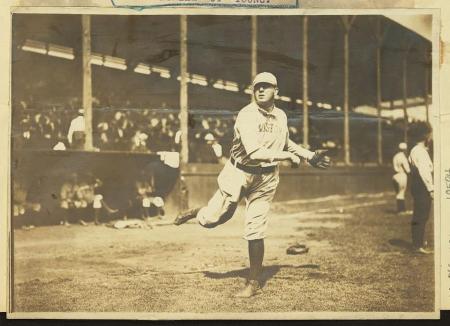
In 1874, the Boston Red Stockings and Philadelphia Athletics embarked on a midseason tour of England. Boston manager Harry Wright was, in fact, a native of Sheffield, England. The first and only professional baseball league in England was established in 1890 by Derbyshire industrialist Sir Francis Ley and former American pitching star Albert Spalding. Although the National Baseball League of Great Britain and Ireland folded after only one season, the Derby County Football Club continued to play at Baseball Grounds for over a century.
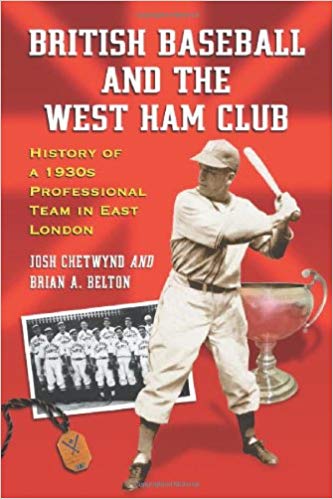
British Baseball and the West Ham Club.

Baseball reached its zenith in popularity in the United Kingdom in the 1930s. By the middle of the decade, three semi-professional circuits were established: two in the north and a third in London. Many of the players were American or Canadian, including Quebec’s Roland Gladu who starred at 1st base for West Ham in London. In 1938, the United Kingdom defeated the United States in a series of five tests which today is considered to be baseball’s first World Cup. Some of the matches drew up to 10,000 spectators and baseball appeared to be on the rise when the Second World War broke out. Although there is no professional baseball in the United Kingdom today, the game has survived on an amateur level with 74 teams participating in 2017. There have been a handful of British-born players in the major leagues, including former Astro Keith Lampard, but most learned to play baseball in the United States or Australia.

Harvey Sahker, Croydon Pirates_ Outfielder

The Harvey Sahker Baseball Collection.

Not surprisingly, ‘baseball as we know it’ in England is largely the work of SABR members. Toronto-born Harvey Sahker, who played outfield for the Croydon Pirates for thirteen seasons, has chronicled baseball in his adopted country in “The Blokes of Summer.” London-born lawyer and journalist Josh Chetwynd (who is also director Lionel Chetwynd’s son) has written specifically about one team in “British Baseball and the West Ham Club,” which he co-authored with Brian Belton. In 2008, SABR member Joe Gray founded Project COBB; unlike ‘Cubs,’ COBB actually is an acronym, meaning Chronicling of British Baseball. Not surprisingly, the Bobby Thomson Chapter is active in the Origins Committee and they have met regularly at the Three Kings Pub in Clerkenwell. Bruce Greenberg, an American expatriate from Alabama and an avid Astros fan, serves as its chair.
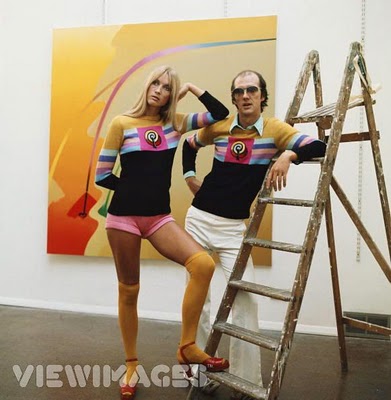
Models Wearing Ritva Man Sweaters, 1971.

Of course, no narrative about baseball in the United Kingdom would be complete without the accomplishments of Mike Ross. Mike is an American, born in Portland, Maine in 1936. After having graduated from Syracuse University, Mike bought a one-way steamship ticket and sailed to Britain in 1959. Trained as a graphic designer, Mike studied at the Royal College of Arts. He wore many hats over the course of his career. Along with a business partner, Mike owned a wool factory whose ‘The Ritva Man’ knitwear became a part of the fashion scene that characterized the ‘swinging sixties’ in London. Later Mike opened a general store selling American products in London, and later still he became a record company executive, sending Charlie Dore to stardom in 1979 with her hit single ‘Pilot of the Airwaves.’ Finally in 1982, Mike returned to his roots, devoting his career to his first love: baseball.

British Recording Artist Charlie Dore.

Mike’s baseball features and photographs were syndicates in sports pages throughout the United Kingdom, thereby educating a British audience on the game. For example, in 1991 in Baltimore, he covered Queen Elizabeth’s first ever baseball game at Memorial Stadium. Mike even photographed Her Majesty with Hall of Fame manager Tony LaRussa of the visiting Oakland Athletics. He covered several All-Star Games and World Series, including the 1992 Fall Classic between the Atlanta Braves and the Toronto Blue Jays.
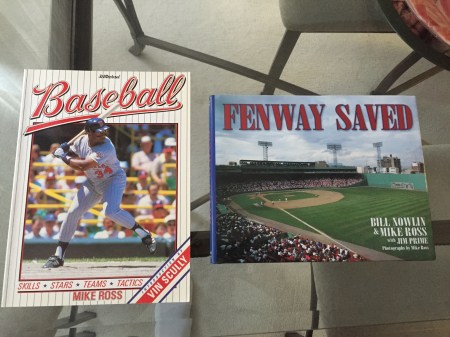
The Mike Ross Baseball Collection.

In 1988, he wrote his first book entitled “Baseball.” Modelled after the Bill Mazeroski publication in the United States, “Baseball” provided a narrative on the history of each major league team, along with a composition of the contemporary roster. Eleven years later, in 1999, Mike teamed with fellow Boston Red Sox historians Bill Nowlin and Jim Prime to write “Fenway Saved.” Several of the photos in these two books were taken by Mike Ross. A third manuscript, a biography of Bobo Newsom, was never published. Mike was a regular attendee at the Nine Baseball Conference in Arizona and often travelled home via Houston in order to visit with a personal friend of his, Monte Irvin. The father of Maija Ross, Mike has lived for many years in the Little Venice section of London.
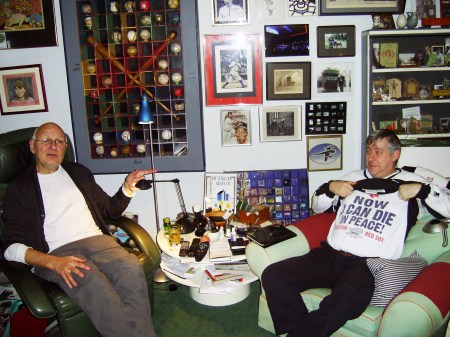
Mike Rpss, Stephen Laski, and “Monte,” in 2007.

SABR has been instrumental in unearthing and narrating the history of baseball in England, the country from where the game originated. Despite the lack of professional leagues in the United Kingdom, the game has retained a small following through newspaper coverage and more recently, the Internet. Today, baseball in England has become its own permanent exhibit. In 2014, two years after my most recent visit with Mike Ross, he donated his entire baseball collection to the British Library. The collection includes over 300 books, personal letters, and even artwork, such as a lithograph of Ted Williams signed and numbered by British pop artist Peter Blake. The collection is housed at the British Library on Euston Road, just a pop fly west of the landmark St. Pancras Station.

Two years later still, in 2016, Leonard Jay’s Chicago Cubs won the World Series. Now he has to come up with a new acronym.

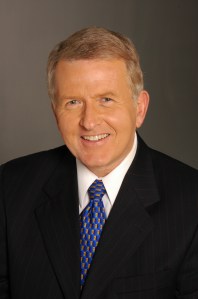
Let’s end by congratulating this man on his retirement.

Congratulations, Bill!


********************

And thank you again, Maxwell Kates, for another beautifully written and informative article on baseball history and its roots in England. Now we also are primed to the amusing imagery of Prince Frederick of Great Britain pitching ~ and how he might look today, wearing that same 18th century garb, in a critical diamond encounter with Jose Altuve. ~ Man! ~ What a picture that is!

Your work excels and always teaches, friend. Thank you for all you do to bring greater light to the true full history of our game.

Bill McCurdy, The Pecan Park Eagle


******************** 
Bill McCurdy

Principal Writer, Editor, Publisher

The Pecan Park Eagle
 

The 100 Oldest Living Former Big Leaguers

August 23, 2018
caligiuri_fred

Fred Caligiuri

Thanks to Baseball Almanac.com and this handy submission by our dear friend and timely contributor, Darrell Pittman, The Pecan Park Eagle is happy to provide you with this following chart of the 100 Oldest Living Former Big Leaguers. It was accurate to the day, August 22, 2018, when we received it. We do not know how often it is updated and, of course, we don’t know of any more recent departures over the past 24 hours. The shipping out rate comes often, in single and small group departures at this age, so you never know when the winds of change are going to blow. You just have to rest assured that they will.

Here’s how it looks as recently as yesterday:

Oldest Living Baseball PlayersThe 100 Oldest Living Baseball Players
1 Fred Caligiuri 99 years, 304 days 10-22-1918 09-03-1941 09-20-1942
2 Tom Jordan 98 years, 351 days 09-05-1919 09-04-1944 04-28-1948
3 Bill Mills 98 years, 293 days 11-02-1919 05-19-1944 06-03-1944
4 Val Heim 97 years, 291 days 11-04-1920 08-31-1942 09-22-1942
5 Wally Westlake 97 years, 287 days 11-08-1920 04-15-1947 05-12-1956
6 Eddie Robinson 97 years, 250 days 12-15-1920 09-09-1942 09-15-1957
7 George Elder 97 years, 165 days 03-10-1921 07-22-1949 09-25-1949
8 Clint Conatser 97 years, 29 days 07-24-1921 04-21-1948 07-14-1949
9 Johnny Hetki 96 years, 102 days 05-12-1922 09-14-1945 09-22-1954
10 Gil Coan 96 years, 96 days 05-18-1922 04-27-1946 04-25-1956
11 Eddie Basinski 95 years, 291 days 11-04-1922 05-20-1944 07-04-1947
12 George Yankowski 95 years, 276 days 11-19-1922 08-17-1942 06-28-1949
13 Neal Watlington 95 years, 240 days 12-25-1922 07-10-1953 09-17-1953
14 Lee Howard 94 years, 284 days 11-11-1923 09-22-1946 09-25-1947
15 Tim Thompson 94 years, 174 days 03-01-1924 04-20-1954 04-27-1958
16 Chuck Harmon 94 years, 121 days 04-23-1924 04-17-1954 09-15-1957
17 Art Schallock 94 years, 119 days 04-25-1924 07-16-1951 09-23-1955
18 Ed Fitz Gerald 94 years, 93 days 05-21-1924 04-19-1948 09-15-1959
19 Milt Welch 94 years, 27 days 07-26-1924 06-05-1945 06-05-1945
20 Bill Greason 93 years, 353 days 09-03-1924 05-31-1954 06-20-1954
21 Charlie Silvera 93 years, 313 days 10-13-1924 09-29-1948 09-28-1957
22 Bobby Brown 93 years, 301 days 10-25-1924 09-22-1946 06-30-1954
23 Irv Noren 93 years, 266 days 11-29-1924 04-18-1950 10-01-1960
24 Fenton Mole 93 years, 69 days 06-14-1925 09-01-1949 09-30-1949
25 Wayne Terwilliger 93 years, 56 days 06-27-1925 08-06-1949 05-16-1960
26 Larry Miggins 93 years, 2 days 08-20-1925 10-03-1948 09-28-1952
27 Billy DeMars 92 years, 361 days 08-26-1925 05-18-1948 09-28-1951
28 Paul Hinrichs 92 years, 356 days 08-31-1925 05-16-1951 06-21-1951
29 Bobby Shantz 92 years, 330 days 09-26-1925 05-01-1949 09-29-1964
30 Chris Haughey 92 years, 323 days 10-03-1925 10-03-1943 10-03-1943
31 Tommy Giordano 92 years, 317 days 10-09-1925 09-11-1953 09-26-1953
32 Dick Manville 92 years, 240 days 12-25-1925 04-30-1950 09-10-1952
33 Hank Workman 92 years, 198 days 02-05-1926 09-04-1950 10-01-1950
34 Randy Jackson 92 years, 193 days 02-10-1926 05-02-1950 09-25-1959
35 Howie Judson 92 years, 187 days 02-16-1926 04-22-1948 09-25-1954
36 Jack Crimian 92 years, 186 days 02-17-1926 07-03-1951 05-06-1957
37 Dick Koecher 92 years, 145 days 03-30-1926 09-29-1946 10-02-1948
38 Alex Grammas 92 years, 141 days 04-03-1926 04-13-1954 09-29-1963
39 Bert Thiel 92 years, 110 days 05-04-1926 04-17-1952 04-30-1952
40 Dick Cole 92 years, 108 days 05-06-1926 04-27-1951 07-21-1957
41 Frank Saucier 92 years, 86 days 05-28-1926 07-21-1951 09-23-1951
42 Don Newcombe 92 years, 69 days 06-14-1926 05-20-1949 10-01-1960
43 Bob Miller 92 years, 67 days 06-16-1926 09-16-1949 08-10-1958
44 Bobby Morgan 92 years, 54 days 06-29-1926 04-18-1950 04-20-1958
45 Johnny Groth 92 years, 30 days 07-23-1926 09-05-1946 07-28-1960
46 Al Naples 91 years, 358 days 08-29-1926 06-25-1949 06-26-1949
47 Ed Mickelson 91 years, 347 days 09-09-1926 09-18-1950 05-12-1957
48 Dick Bokelmann 91 years, 300 days 10-26-1926 08-03-1951 05-03-1953
49 Carl Erskine 91 years, 252 days 12-13-1926 07-25-1948 06-14-1959
50 Jim Willis 91 years, 155 days 03-20-1927 04-22-1953 06-05-1954
51 Paul Stuffel 91 years, 153 days 03-22-1927 09-16-1950 05-24-1953
52 Don Hasenmayer 91 years, 140 days 04-04-1927 05-02-1945 09-29-1946
53 Charlie Maxwell 91 years, 136 days 04-08-1927 09-20-1950 04-26-1964
54 Dick Lane 91 years, 55 days 06-28-1927 06-20-1949 07-08-1949
55 Billy Gardner 91 years, 34 days 07-19-1927 04-22-1954 09-11-1963
56 Dick Smith 91 years, 32 days 07-21-1927 09-14-1951 05-01-1955
57 Rocky Krsnich 91 years, 17 days 08-05-1927 09-13-1949 09-26-1953
58 Cloyd Boyer 90 years, 355 days 09-01-1927 04-23-1949 09-24-1955
59 Dave Hillman 90 years, 342 days 09-14-1927 04-30-1955 06-20-1962
60 Duke Simpson 90 years, 341 days 09-15-1927 05-06-1953 09-17-1953
61 Tommy Lasorda 90 years, 334 days 09-22-1927 08-05-1954 07-08-1956
62 Bill Harrington 90 years, 323 days 10-03-1927 04-16-1953 09-30-1956
63 Bob Kelly 90 years, 322 days 10-04-1927 05-04-1951 06-04-1958
64 Jim Greengrass 90 years, 302 days 10-24-1927 09-09-1952 09-30-1956
65 Tommy Brown 90 years, 259 days 12-06-1927 08-03-1944 09-25-1953
66 Bob Oldis 90 years, 229 days 01-05-1928 04-28-1953 09-29-1963
67 Charlie Gorin 90 years, 197 days 02-06-1928 05-29-1954 04-17-1955
68 Felipe Montemayor 90 years, 196 days 02-07-1928 04-14-1953 06-12-1955
69 Roy Face 90 years, 183 days 02-20-1928 04-16-1953 08-15-1969
70 Paul Schramka 90 years, 153 days 03-22-1928 04-14-1953 04-16-1953
71 Billy Hunter 90 years, 79 days 06-04-1928 04-14-1953 09-27-1958
72 Nick Testa 90 years, 54 days 06-29-1928 04-23-1958 04-23-1958
73 John Glenn 90 years, 43 days 07-10-1928 06-16-1960 07-31-1960
74 Dick Hyde 90 years, 19 days 08-03-1928 04-23-1955 08-04-1961
75 Bob Stephenson 90 years, 11 days 08-11-1928 04-14-1955 09-18-1955
76 Jose Santiago 89 years, 352 days 09-04-1928 04-17-1954 07-15-1956
77 Vito Valentinetti 89 years, 340 days 09-16-1928 06-20-1954 05-11-1959
78 Hal Naragon 89 years, 325 days 10-01-1928 09-23-1951 08-05-1962
79 Fred Marolewski 89 years, 320 days 10-06-1928 09-19-1953 09-19-1953
80 Joe Presko 89 years, 319 days 10-07-1928 05-03-1951 05-07-1958
81 Gail Henley 89 years, 311 days 10-15-1928 04-13-1954 05-06-1954
82 Mickey Micelotta 89 years, 306 days 10-20-1928 04-20-1954 08-02-1955
83 Whitey Ford 89 years, 305 days 10-21-1928 07-01-1950 05-21-1967
84 Bob Ross 89 years, 293 days 11-02-1928 06-16-1950 05-08-1956
85 Bill Wilson 89 years, 289 days 11-06-1928 09-24-1950 09-13-1955
86 Don Mossi 89 years, 223 days 01-11-1929 04-17-1954 10-01-1965
87 Moe Savransky 89 years, 221 days 01-13-1929 04-23-1954 09-05-1954
88 Gale Wade 89 years, 214 days 01-20-1929 04-11-1955 05-08-1956
89 Bobby Kline 89 years, 207 days 01-27-1929 04-11-1955 09-25-1955
90 Al Worthington 89 years, 198 days 02-05-1929 07-06-1953 10-02-1969
91 Art Ditmar 89 years, 141 days 04-03-1929 04-19-1954 05-19-1962
92 Mel Held 89 years, 132 days 04-12-1929 04-27-1956 05-13-1956
93 Ed Winceniak 89 years, 128 days 04-16-1929 04-25-1956 05-12-1957
94 Curt Simmons 89 years, 95 days 05-19-1929 09-28-1947 10-01-1967
95 Hank Foiles 89 years, 73 days 06-10-1929 04-21-1953 05-02-1964
96 Frank Thomas 89 years, 72 days 06-11-1929 08-17-1951 05-30-1966
97 Don Ferrarese 89 years, 64 days 06-19-1929 04-11-1955 09-22-1962
98 Hector Lopez 89 years, 45 days 07-08-1929 05-12-1955 09-30-1966
99 Jerry Snyder 89 years, 32 days 07-21-1929 05-08-1952 05-10-1958
100 Ted Lepcio 89 years, 25 days 07-28-1929 04-15-1952 09-11-1961
The 100 Oldest Living Baseball Players by Baseball Almanac

A Few Notes….

#1 Fred Caligiuri, a right hander, pitched only two seasons and 18 games in 1941-42, posting a career record of 2 wins and 5 losses and an ERA OF 4.52 for 79.2 innings of work. He is scheduled to turn 100 on his next birthday, October 22, 2018.

#29 Bobby Shantz, the first man to ever touch a baseball in the name of Houston MLB back in 1962, is both the oldest and only former Houston big leaguer on the list.

Local Houston Larry Dierker SABR Chapter member Larry Miggins is the 26th oldest surviving former big leaguer and the oldest of former Houston Buffs on this list who also made it to the big leagues for some time at the top. Five other former Buffs/MLB survivors include #36 Jack Crimian, #47 Ed Mickelson, #48 Dick Bokelmann, #58 Cloyd Boyer, and #80 Joe Presko.

Top North Texas veterans, #6 Eddie Robinson and #22 Bobby Brown are both on the list.

Have fun looking things over yourself. If I missed some former Buffs or Astros from glance review, please comment and point out the errors. I haven’t qualified for any gold gloves by inspection alone for quite some time, but that doesn’t keep me from an attraction to this kind of thing that still has all the power of that old “moth to the flame” pull.


*******************

Bill McCurdy

Principal Writer, Editor, Publisher

The Pecan Park Eagle
 

Baseball Lifer Doc Edwards Passes

August 21, 2018

Doc Edwards passed away on Monday, August 20, 2018 at the age of 81. The former MLB catcher (1962-65, 1970) and the manager of the Cleveland Indians will be missed by all who benefited from his 57 year career in professional baseball at all levels of play. ~ May he never be forgotten and may his soul rest in peace.

Ira Liebman of the Sugar Land Skeeters has sent us a beautiful summary of Doc Edwards’ gift to the game and we quite gladly post it here for the readership of The Pecan Park Eagle.  Thank you, Ira, for good work generously shared.

********************

Baseball Lifer Doc Edwards Passes

San Angelo, TXToday we lost a great baseball man and an even better person, Doc Edwards. Doc, 81, spent over half a century of his life in baseball and was still managing up until 2014, finishing a career that last 57 years in the game. Edwards, who earned his nickname “Doc” after serving as a former Navy medic, was born Howard Rodney Edwards.

Doc Edwards

Former Cleveland Indians scout and Pirates Hall of Famer Ralph Kiner signed Doc as an amateur free agent in 1958. The Red Jacket, West Virginia, native made his Major League debut on April 21, 1962, in Yankee Stadium while playing for the Tribe. In his first plate appearance, he drew a walk against the legendary Whitey Ford, who would be a future teammate. Doc, who went on to hit .273 in his rookie year, also played for the Kansas City Athletics, New York Yankees, and Philadelphia Phillies.

Doc has always touched different parts of baseball history.  He was part of a few prominent trades featuring some well-known names, such as when he was sent to the A’s in 1963 for catcher Joe Azcue and shortstop Dick Howser (Howser would later become a Major League manager himself with the Royals and Yankees). In 1965, Doc was traded to the Yankees for Johnny Blanchard and Roland Sheldon, when Elston Howard was injured. While in New York, he played with such Yankees greats as Mickey Mantle, Whitey Ford, and Jim Bouton, who wrote the controversial book,“Ball Four,” amongst others. Doc would once again touch baseball history when he had the opportunity to catch the oldest rookie in baseball history in an old timer’s game, catching Negro League legend Satchel Paige.

After not playing in the bigs since 1965, Edwards came out of retirement after nearly five years and in 1970 finished his last season hitting .269 in 35 games, leaving the game as strong as when he started. Doc, also a solid defensive catcher, had a career fielding percentage of .985. Doc played his final game that year while with the Philadelphia Phillies on August 23, 1970.

Although it may have been the end of his playing career, his coaching and managerial careers were just beginning. Doc went on to coach for the Phillies (1970-1972), Indians (1985-1987) and the Mets (1990-1991) and managed in the minor league systems of the Yankees, Cubs, Expos, Phillies and Orioles, on several different levels. While in the Orioles organization he managed their Triple-A team, the Rochester Redwings in 1981. There, he would once again be part of baseball history, when he was at the helm for the longest game in professional baseball history, a 33-inning marathon against Pawtucket. On that Rochester team he managed future Hall of Famer Cal Ripken, Jr., who was making his last stop in the minors, while the opposition featured another future Hall of Famer in Wade Boggs.

Just a few years later Edwards career would come full circle, when the Indians fired Pat Corales and Doc returned to the majors, getting his shot as a major league manager with Cleveland, the team in which he started his baseball career. It would make one of Doc’s more interesting claims to fame, come to fruition. He had become the real manager of the Cleveland Indians when the, now baseball movie classic, “Major League,” came out. Although he was no “Lou Brown,” (the fictional manager in the movie who vows to win despite the lack of support from his owner), in which Doc said there is no truth that the character was based off him. Doc always jokes though, that with the excitement that the movie generated for Indians fans, that the hit film may not have directly gotten him fired, it didn’t help. That was just the kind of fun loving sense of humor he had even when it was literally at his owns expense. His Indians went 65-78 the year the movie came out, and he was unable to finish the season as the season’s skipper.

He led Cleveland from 1987-1989, managing in 380 games and finishing with a record of 173-207 (.455). On those Indians squads were some very recognizable names such 300 game winners and Hall of Famers Steve Carlton, Phil Niekro, as well as Hall of Famer Eddie Murray. Other notables included World Series hero Joe Carter, former Texas Longhorns standout Greg Swindell who was drafted in the first round (2nd overall) in 1986, Astros Third Base Coach Dave Clark.  He also skippered future major league managers that included John Farrell (Blue Jays), Ron Washington (Rangers), Bud Black (Giants) and Terry Francona (Red Sox and Indians). Other notables Cleveland players on those Indians squads were the likes of Albert Belle, Cory Snyder, Brooks Jacoby, Julio Franco, Tony Bernazard, Mel Hall, Andre Thornton, Tom Candiotti, Willie Upshaw and Doug Jones.

Doc also had a significant effect on another future Hall of Famers during his career. One in particular, even mentioned him as a significant turning point of his career. During Bruce Sutter’s Hall of Fame Speech, one of the people he thanked for his success was one of his most influential coaches, Doc Edwards. While Sutter was in the minors working on his famous split-finger fastball and struggling with it at times, it was Edwards who encouraged him to throw it all the time until he could get the hang of it, the rest is baseball history.

After serving as a bench coach with the Mets in the early 1990s, Doc became a major league expansion scout for the Arizona Diamondbacks. He was instrumental part of putting the original Diamondbacks team together with Buck Showalter and just handful of others during their 1997 expansion draft. The Diamondbacks went on to be the quickest team to win a World Series, in only their fourth season of existence as a franchise, in 2001.

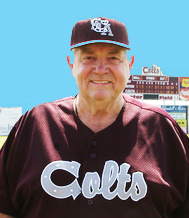
In his final years he would manage in Independent Baseball and his accomplishments included managing the Atlantic City Surf to the championship during the inaugural season of the Atlantic League of Professional Baseball in 1998. After other Indy ball stops he came to San Angelo, Texas. It would also be Doc’s final resting place, where he managed the independent league San Angelo Colts for nearly a decade from 2006-2014.  On September 2, 2009, Edwards was awarded the 2009 United League Baseball Manager of the Year award, as the Colts manager.

In all Doc was that rare person who was impossible not to like.  He treated everyone like family from his neighbors, front office staff, coaches, players, even the opposing team always had kind words to say about him.

Doc is survived by his wife, six children, Shirley, Michelle, Mickey, Jim, Carl, Eric, 16 grandchildren and 4 great grandchildren, and will be missed by all who were truly honored to know him.

By Ira Liebman, “Voice of the Skeeters”

Senior Director of Broadcasting & Sr. Sales Manager

Sugar Land Skeeters Minor League Baseball Team

1 Stadium Drive, Sugar Land, TX 77498

Cell: 631-457-9421 


********************

Bill McCurdy

Principal Writer, Editor, Publisher

The Pecan Park Eagle
Spokane Spokesman-Review: Eddie Gaedel Day

August 21, 2018

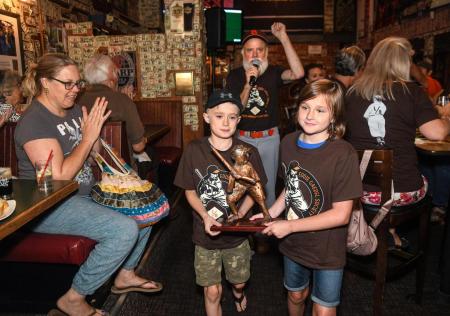
Gauge, 9, and Kaylee Paulson, 11, parade the Eddie Gaedel trophy through O‘Doherty’s Irish Grille in front of Eddie Gaedel Society manager Tom Keefe during the eighth annual Eddie Gaedel Day, Aug. 19, 2018, in downtown Spokane. (Dan Pelle / The Spokesman-Review)


In a nice column and cover photo that he did for the August 19, 2018 edition of the Spokane Spokesman-Review, here’s a link to how writer Dan Pelle handled the celebration of the Eddie Gaedel Society party that convened at O’Doherty’s Irish Pub in Spokane Sunday to commemorate the single-time appearance of the 3′ 7″ tall Eddie Gaedel as a batter in the big leagues for the St. Louis Browns on that same historical date in 1951.

Thanks for the e-mail notice from Eddie Gaedel Society Manager Tom Keene about this coverage of the 2018 party. As a Houston based member of the same group, we want to applaud Tom Keene as “the straw that stirs the drink” for making sure that little Eddie Gaedel’s place in baseball history is remembered accurately and never forgotten.

Here’s the article link:

http://www.spokesman.com/stories/2018/aug/19/eighth-annual-eddie-gaedel-day-celebrated-at-odohe/


Have a nice Tuesday, everybody!

********************

Bill McCurdy

Principal Writer, Editor, Publisher

The Pecan Park Eagle