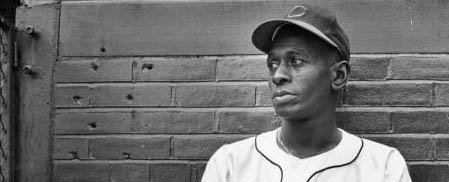
Even Satchel Paige couldn’t win them all.
This brief story of a game played between the home club Cleveland Indians and the St. Louis Browns on July 1, 1952 speaks volumes for how differently baseball was played from today with all the specialization and pitch count controls placed on pitchers these days as we head soon into the 2014 season. The only major similarity? The basic rules of the game were the same, except for the DH. There was no AL designated hitter back in 1951, but, as for the time of play, baseball games were even then taking a longer toll on the clock – and without much help from TV commercials. And, oh, yes, the MLB players were not all millionaires back in 1951. Most of the players worked the off-seasons they way most of us today work the whole year. It was, and is, called “making a living.”
Sports writer John Barrington of the International News Service (INS) described the game this way in a story published on July 2, 1952:
———————————————————————————–
He Falters in 19-Inning Ball Games, Cleveland Beats Browns –
Find Satch-Mo’s Weakness
By John Barrington (INS), El Paso Herald Post, July 2, 1952, Page 28. The law of averages has been around even longer, if possible, than Satchel Paige, and not even the ancient Satch-Mo can flaunt it forever.
Satch’s trouble, it turns out, is that he weakens in 19-inning ball games.
Old Folks pitched ten innings of scoreless relief to knock off Washington in an 18-chapter marathon less than a fortnight ago. But one more inning got him last night at Cleveland. He and the St. Louis Browns lost to the Indians in the 19th 4-3.
The shame of it was that the Browns even scored a run for the super-annuated all-star in the top of the 19th, who had relieved Ned Garver in the 9th. Paige couldn’t hold the advantage. The Indians scored twice in the last half. Pinchhitter Hank Majeski singling home Al Rosen from second with the winning tally.
The four hour and forty-five minute contest tied the major league night game longevity record set last July 17 by the Chicago White Sox and Boston Red Sox. (The time of the game was later corrected to 4 hours and forty-nine minutes as a new American League night game record. See the Baseball Almanac box score for this game below that accompanies this one game presentation.)
Lou Brissie, who went the last ten innings for Cleveland after replacing Bob Feller, was credited with the win – his first of the campaign. Paige’s loss was his third against six victories.
—————————————————————————————-
| Baseball Almanac Box Scores:
Cleveland Indians 4 – St. Louis Browns 3. |
|||||||||||||||||||||||||||||||||||||||||||||||||||||||||||||||||||||||||||||||||||||||||||||||||||||||||||||||||||||||||||||||||||||||||||||||||||||||||||||||||||||||||||
|---|---|---|---|---|---|---|---|---|---|---|---|---|---|---|---|---|---|---|---|---|---|---|---|---|---|---|---|---|---|---|---|---|---|---|---|---|---|---|---|---|---|---|---|---|---|---|---|---|---|---|---|---|---|---|---|---|---|---|---|---|---|---|---|---|---|---|---|---|---|---|---|---|---|---|---|---|---|---|---|---|---|---|---|---|---|---|---|---|---|---|---|---|---|---|---|---|---|---|---|---|---|---|---|---|---|---|---|---|---|---|---|---|---|---|---|---|---|---|---|---|---|---|---|---|---|---|---|---|---|---|---|---|---|---|---|---|---|---|---|---|---|---|---|---|---|---|---|---|---|---|---|---|---|---|---|---|---|---|---|---|---|---|---|---|---|---|---|---|---|---|---|
| Game played on Tuesday, July 1, 1952 at Cleveland Stadium | |||||||||||||||||||||||||||||||||||||||||||||||||||||||||||||||||||||||||||||||||||||||||||||||||||||||||||||||||||||||||||||||||||||||||||||||||||||||||||||||||||||||||||
|
|
||||||||||||||||||||||||||||||||||||||||||||||||||||||||||||||||||||||||||||||||||||||||||||||||||||||||||||||||||||||||||||||||||||||||||||||||||||||||||||||||||||||||||
|
|||||||||||||||||||||||||||||||||||||||||||||||||||||||||||||||||||||||||||||||||||||||||||||||||||||||||||||||||||||||||||||||||||||||||||||||||||||||||||||||||||||||||||
| Game played on Tuesday, July 1, 1952 at Cleveland Stadium | |||||||||||||||||||||||||||||||||||||||||||||||||||||||||||||||||||||||||||||||||||||||||||||||||||||||||||||||||||||||||||||||||||||||||||||||||||||||||||||||||||||||||||
Baseball Almanac Box Score |  |
|||||||||||||||||||||||||||||||||||||||||||||||||||||||||||||||||||||||||||||||||||||||||||||||||||||||||||||||||||||||||||||||||||||||||||||||||||||||||||||||||||||||||||
Tags: long games, Satchel Paige
 The Pecan Park Eagle
February 1, 2014 at 9:23 am |
Paige, at age 45, was the best pitcher with at least 50 innings pitched on the Browns pitching staff that season. His 3.07 ERA and 127 ERA+ were significantly better than anyone else’s on the team. (Other pitchers included Duane Pillette, Ned Garver, Tommy Byrne, Bob Cain, and Gene Bearden.) Paige and Bob Cain finished with identical 12-10 W-L records, on a team that went 64-90. But Cain’s ERA was 4.13. Paige would have been one of the greatest pitchers in MLB history had he begun his career in MLB.